
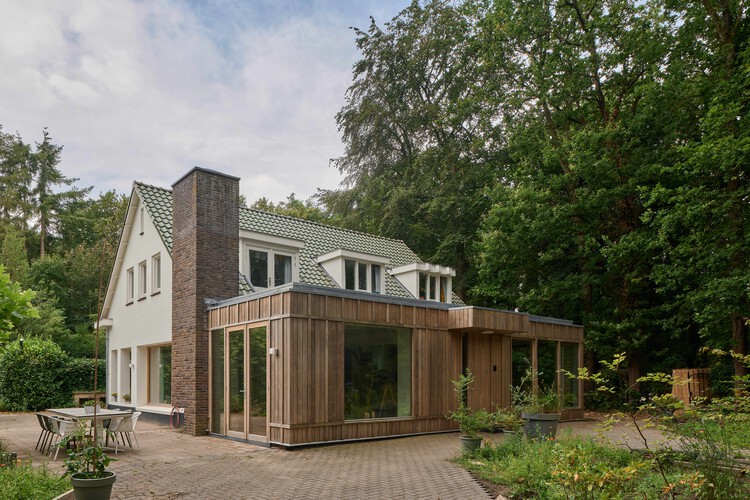
Family home Eemnes / Kumiki


https://www.archdaily.com/1186471/family-home-eemnes-kumikiNina Vuga
Shaping Architectural Continuity: 25 Revitalization Projects Across Historic, Industrial, and Natural Sites

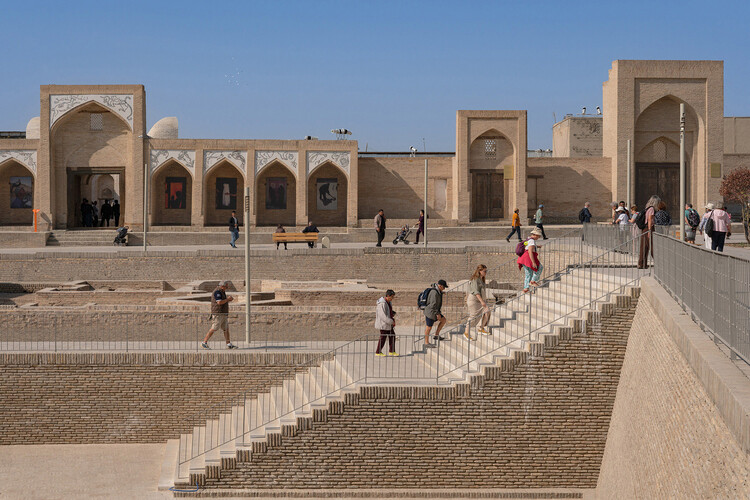
Heritage sites constitute complex spatial archives in which architecture, history, and collective memory converge. They encompass a wide spectrum of contexts—from archaeological remains, ancient and historic townscapes, UNESCO-listed landscapes, to early modern civic structures and industrial infrastructures. Yet these environments confront challenges: climate change, urban transformation, disaster, shifting social needs, and the gradual erosion of material fabric. Revitalization and restoration projects respond to these conditions by positioning architectural and spatial practice as an active mediator between preservation and the contemporary topologies.
In current practice, conservation is understood as a creative process of adaptation and reinterpretation that serves both communities and inhabitants. At the same time, monumental architecture continues to define the identity and landscape of a place for wider audiences and future generations. Architects and planners are called upon to negotiate sensitive historic contexts while introducing new programs, techniques, and spatial experiences. They exemplify diverse design approaches, including precise structural interventions, climate-responsive strategies, and meticulous material restoration, alongside the thoughtful insertion of new architectural elements. Equally important is their engagement with vernacular knowledge and materiality, which preserves the locality and cultural specificity of each site.


https://www.archdaily.com/1038703/shaping-architectural-continuity-25-revitalization-projects-across-historic-industrial-and-natural-sitesMiwa Negoro
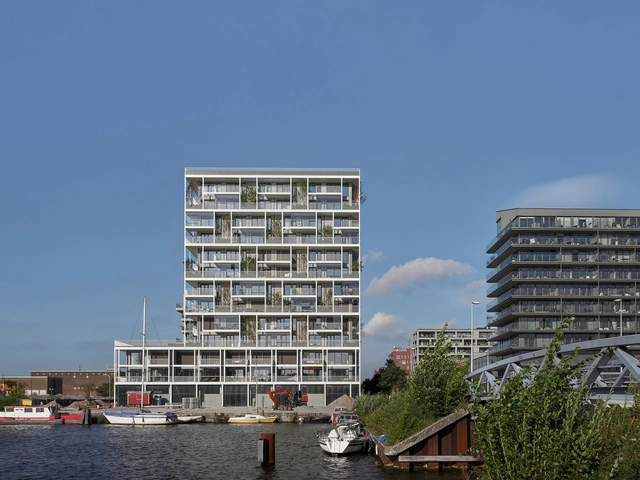
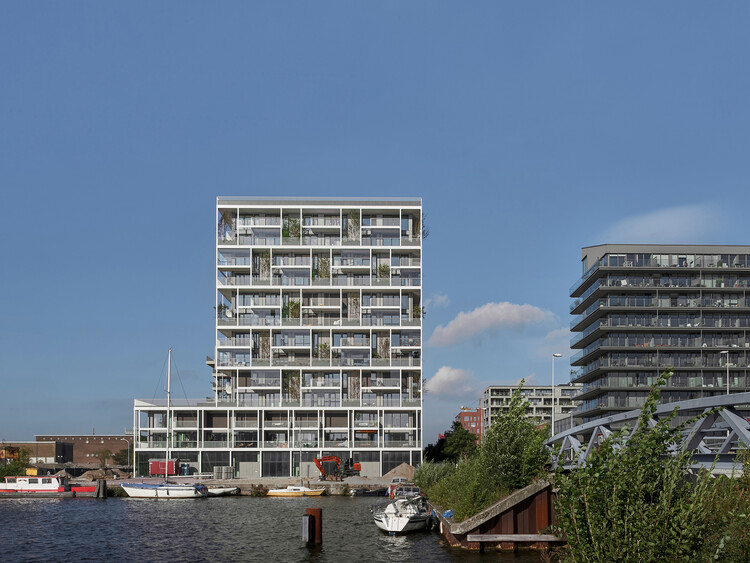
Stories Residential Building / Olaf Gipser Architects


-
Architects: Olaf Gipser Architects
- Area: 5500 m²
- Year: 2021
https://www.archdaily.com/1035564/stories-residential-building-olaf-gipser-architectsHadir Al Koshta
The Gym-Bar Hybrid: Interiors That Integrate Sports and Healthy Habits Through Architecture
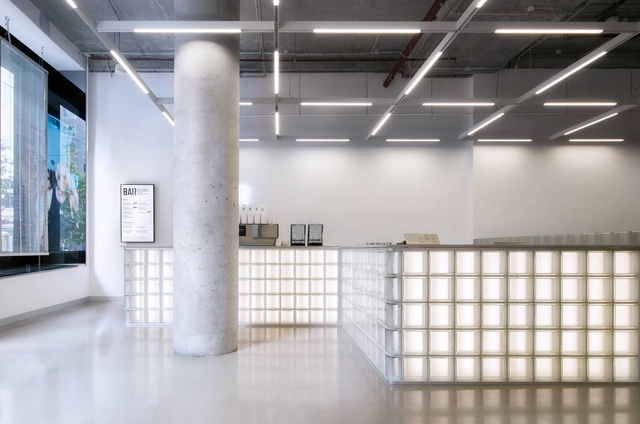
From the interior design of sports facilities to wellness spaces, contemporary architecture continues to experiment with incorporating different uses, installations, and materialities that make it possible to reach broader audiences, generate new spatial experiences, and enhance the simultaneous development of various activities. While each sport requires its own type of architecture, such as climbing training, for example, architecture and design professionals are striving to create atmospheres where exercise becomes more than just a physical experience, but also a psychological one, connecting mind and body through a state of physical renewal, relaxation, and sociability.


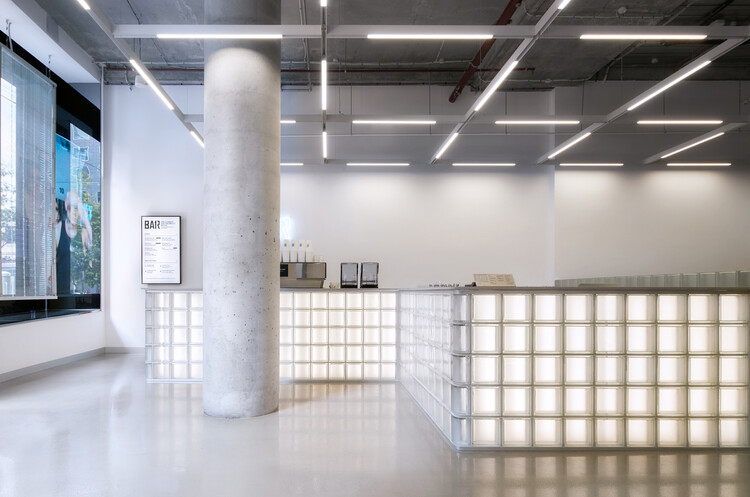
https://www.archdaily.com/1032523/the-gym-bar-hybrid-interiors-that-integrate-sports-and-healthy-habits-through-architectureAgustina Iñiguez
Earth Day 2025: Our Agency in Rethinking Sustainability Across Cities, Scales, and Sectors
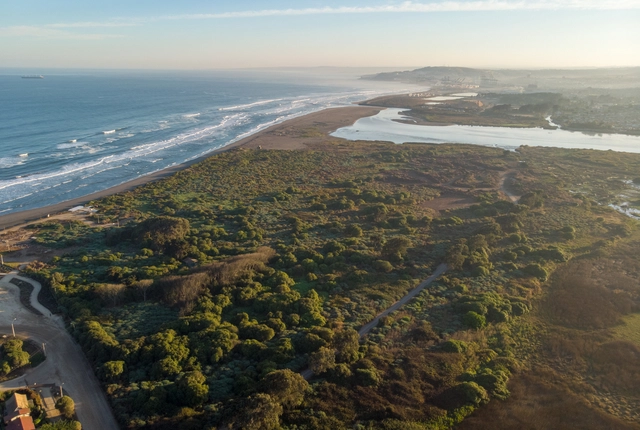
On Earth Day 2025, observed annually on April 22, we are once again reminded of the urgent environmental and sustainability challenges that face our planet—challenges that continue to evolve alongside global economic, political, and cultural shifts. The building and construction industry remains one of the most critical sectors in the effort to manage and reduce global carbon emissions. This year, these issues are being addressed through increasingly diverse lenses, calling for more holistic and integrated approaches. It's vital that we view sustainability not as a one-size-fits-all solution, but as a multi-scalar effort—one that spans from large-scale urban development and strategic planning, to the advancement of sustainable materials, and even to temporary, thought-provoking interventions like exhibitions and installations. In doing so, we reaffirm our commitment to reducing our collective carbon footprint, while shaping a built environment that promotes human well-being and planetary health.


https://www.archdaily.com/1029264/earth-day-2025-our-agency-in-rethinking-sustainability-across-cities-scales-and-sectorsJonathan Yeung
Environmental Noise: Improving Urban Soundscapes for Well-Being
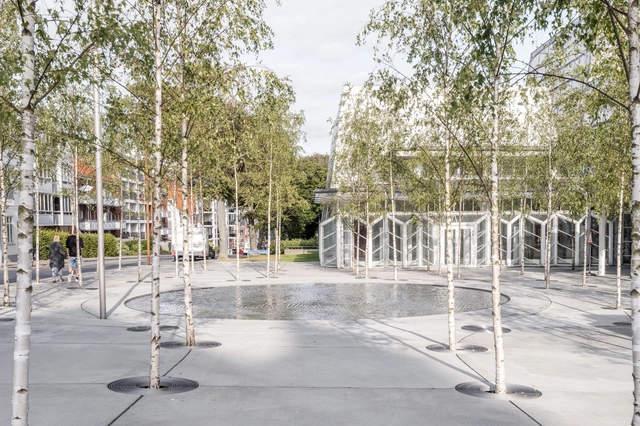
According to several recent studies, noise in cities has become an increasing hazard to health. Environmental noise, that is, noise from traffic, industrial activities, or amplified music, which reaches internal spaces, is not merely an annoyance. It has been linked to cardiovascular disease, diabetes, dementia, and mental health. As the world urbanizes, more people are exposed to excessive levels of noise. How can urban design and architectural strategies help to prevent this?


https://www.archdaily.com/1029098/environmental-noise-improving-urban-soundscapes-for-well-beingMohieldin Gamal
Forest House Oostvoorne / Kumiki


-
Architects: Kumiki
- Area: 365 m²
- Year: 2024
-
Manufacturers: Burned Wood
-
Professionals: Aannemersbedrijf De Bruijne, Mijn Waterfabriek, Visser Natuurtuinen
https://www.archdaily.com/1023945/forest-house-oostvoorne-kumikiPilar Caballero
Villa Ruwiel / Studio Vincent Architecture


-
Architects: Studio Vincent Architecture
- Year: 2022
-
Manufacturers: FLOS, GIRA, VELUX Group, Barbas Evolux, Nelskamp, +10
-
Professionals: NAP Ingenieurs, Wisse Tuinen, Bouwbedrijf Bon, Schipper, Sander Zwart Interieur
https://www.archdaily.com/1021924/villa-ruwiel-studio-vincent-architecturePilar Caballero
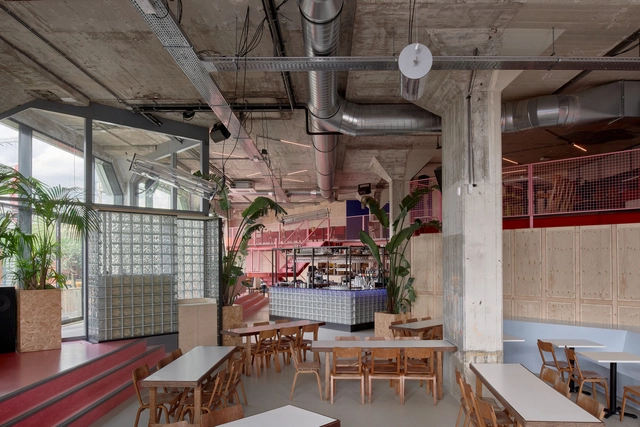
De Achtertuin Restaurant / Kumiki


-
Architects: Kumiki
- Area: 600 m²
- Year: 2024
-
Manufacturers: Forbo, Nick Mansveld
-
Professionals: Harder constructie, Geluidburo, Laurentz Design, Nick Mansveld
https://www.archdaily.com/1019567/de-achtertuin-restaurant-kumikiPilar Caballero
Orchard House / Earthbound architecture and Namelok


-
Architects: Earthbound architecture, Namelok
- Area: 280 m²
- Year: 2024
https://www.archdaily.com/1014341/orchard-house-earthbound-architecture-and-namelokAndreas Luco
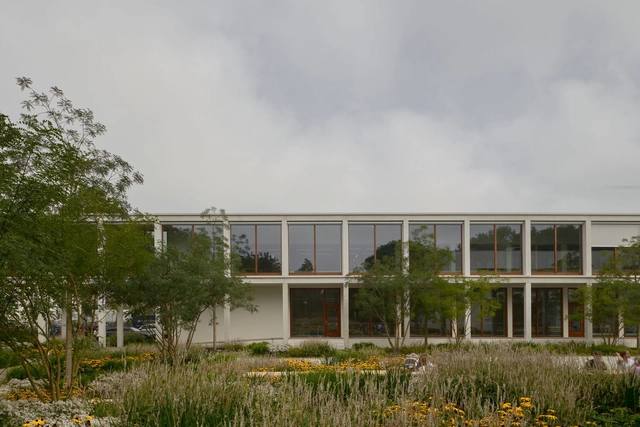
Nimeto Transformation of a Craft School / Maarten van Kesteren Architecten


-
Architects: Maarten van Kesteren Architecten
- Area: 15700 m²
- Year: 2023
https://www.archdaily.com/1013808/nimeto-transformation-of-a-craft-school-maarten-van-kesteren-architectenAndreas Luco
How to Size the Optimal Kitchen Island: 5 Essential Tips
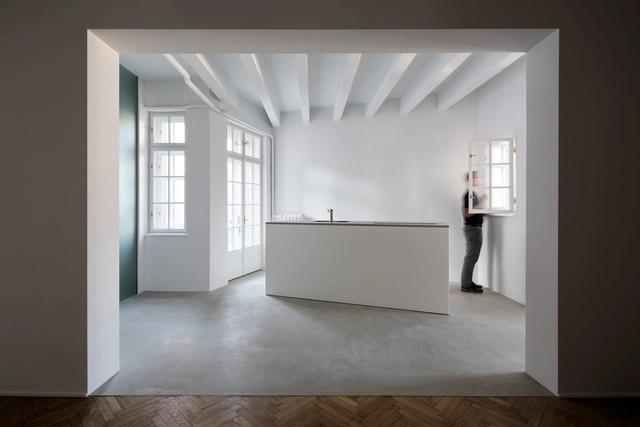
A correctly sized kitchen island is more than just a functional architectural element—it's a key component of kitchen design. Beyond its primary functions, a well-sized kitchen island can serve as a versatile space adaptable to various household needs by enhancing workflow efficiency, providing additional storage, fostering social interaction, and contributing to the overall space aesthetics.
Whether utilized as a breakfast bar for quick meals, a study area for children's homework, or a hub for entertaining guests, its flexibility enhances the functionality and livability of any kitchen environment. Determining the appropriate size for a kitchen island, however, demands a meticulous approach, blending spatial considerations, workflow requirements, and design sensibilities.


https://www.archdaily.com/1013442/how-to-size-the-optimal-kitchen-island-5-essential-tipsClaire Brodka
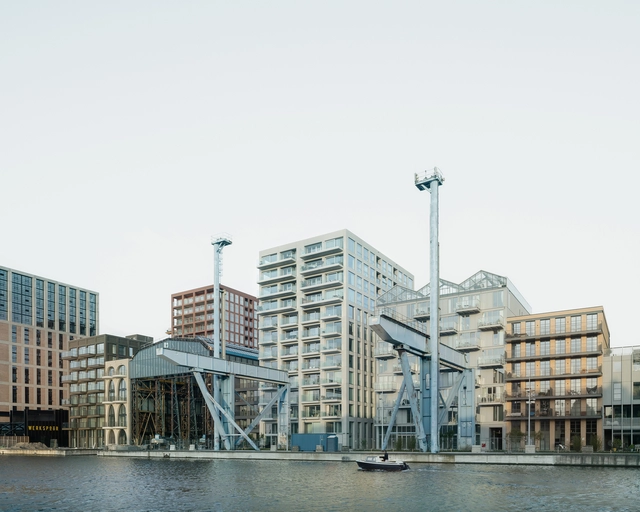
Draaier op Oostenburg Apartments / BETA office for architecture and the city


-
Architects: BETA office for architecture and the city
- Year: 2023
-
Professionals: CAE
https://www.archdaily.com/1009227/draaier-op-oostenburg-apartments-beta-office-for-architecture-and-the-cityAndreas Luco
Garage Loft Delfshaven / Kumiki
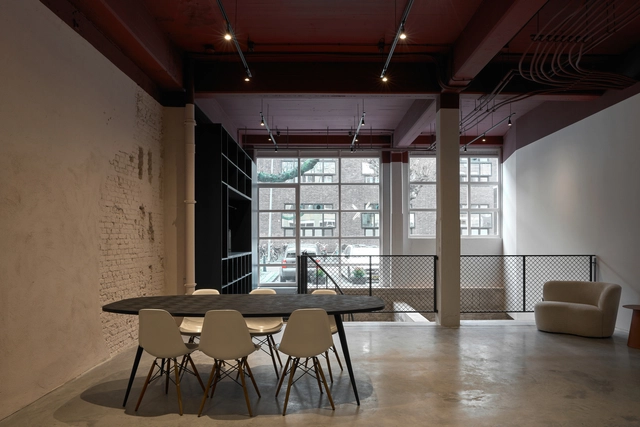


https://www.archdaily.com/1004416/garage-loft-delfshaven-kumikiPaula Pintos
Peristilio House / B2A


https://www.archdaily.com/999838/peristilio-house-b2aAndreas Luco
Dijklander Hospital Revitalization / bureau Ira Koers + Studio Roelof Mulder


-
Architects: Studio Roelof Mulder, bureau Ira Koers
- Area: 1780 m²
- Year: 2022
-
Professionals: Artis, Heddes Bouw&Ontwikkeling, SWINN, Takken
https://www.archdaily.com/995948/dijlander-hospital-revitalization-bureau-ira-koers-and-plus-studio-roelof-mulderPilar Caballero
Airspace Architecture: Rethinking the Hangar
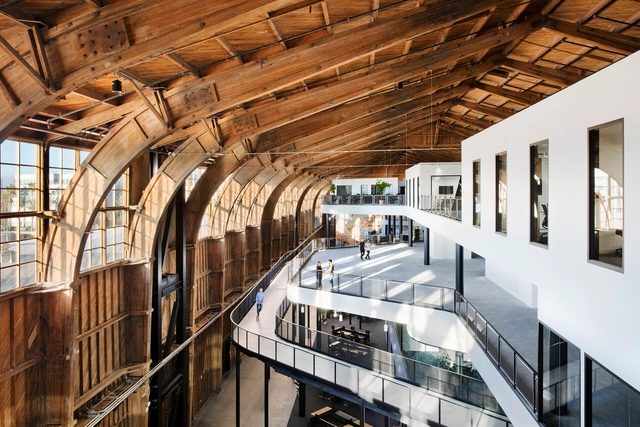
Hangar architecture is a relatively new building type. Ever since the Wright brothers stored and repaired their aircraft in a wooden hangar constructed in 1902, designers and builders have continued to rethink what these structures can be. Beyond actual airports and terminals, hangars are unique in that they're purpose-built to hold an aircraft or spacecraft. Today, how can this building type be challenged and reimagined?


https://www.archdaily.com/986103/airspace-architecture-rethinking-the-hangarEric Baldwin
House in the Dunes / Unknown Architects
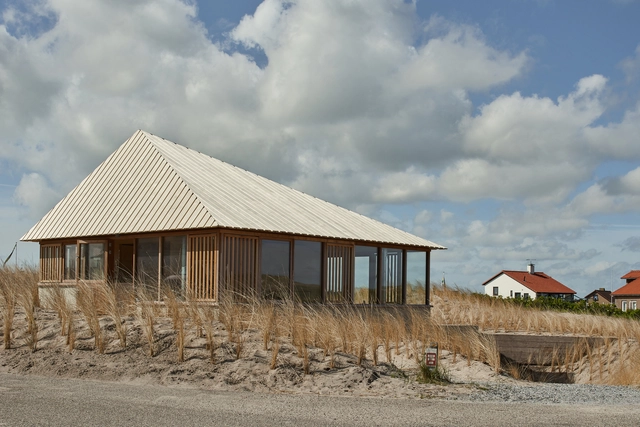


-
Architects: Unknown Architects
- Area: 178 m²
- Year: 2021
-
Manufacturers: Accoya, Woodteq
-
Professionals: H4D
https://www.archdaily.com/976108/house-in-the-dunes-unknown-architectsPilar Caballero