Luís Díaz Díaz
BROWSE ALL FROM THIS PHOTOGRAPHER HERE
↓


Santa Susana Nursery School / ARROKABE Arquitectos
.jpg?1545227825)
.jpg?1545227782&format=webp&width=230&height=230&crop=true)
.jpg?1545227698&format=webp&width=230&height=230&crop=true)
.jpg?1545227589&format=webp&width=230&height=230&crop=true)
.jpg?1545227910&format=webp&width=230&height=230&crop=true)
.jpg?1545227568)
-
Architects: ARROKABE Arquitectos
- Year: 2018
https://www.archdaily.com/1145616/santa-susana-nursery-school-arrokabe-arquitectosDaniel Tapia
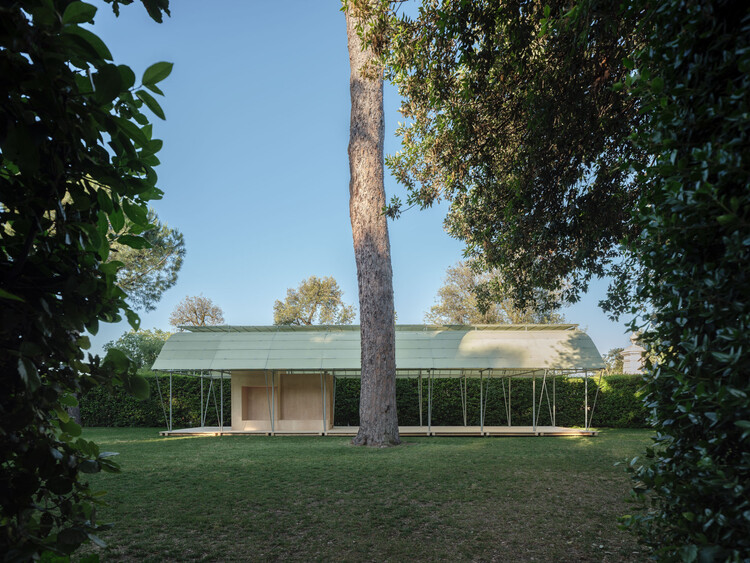
Cabane 7L & Librairie 7L / salazarsequeromedina


https://www.archdaily.com/1042365/cabane-7l-and-librairie-7l-salazarsequeromedinaValentina Díaz
The Built Path: Pilgrimage and Architectural Sequence on the Camino de Santiago

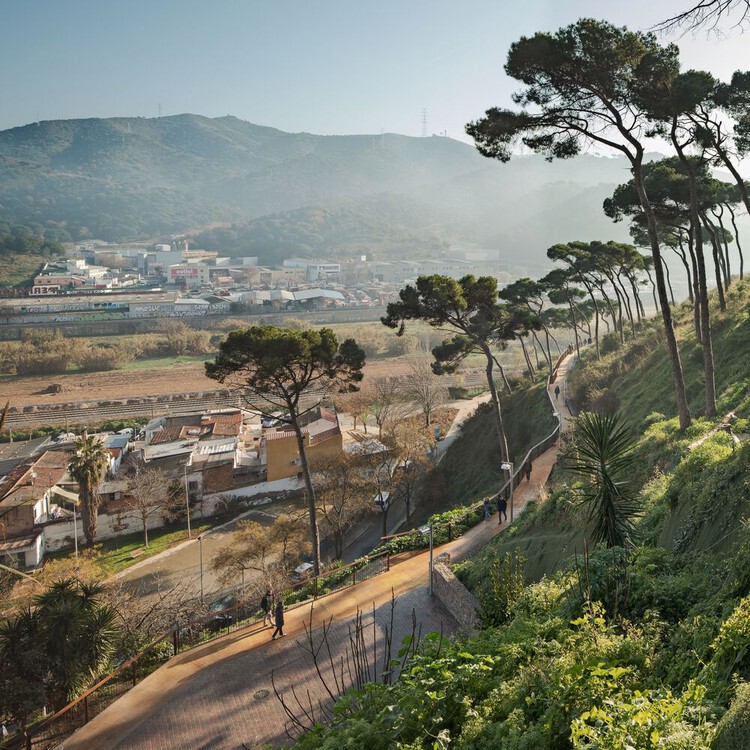
Pilgrimage is one of the oldest and most persistent cultural practices, a spatial expression of humanity's search for meaning that has taken form across geographies and religions. While traditionally tied to formal belief systems, its definition has expanded in recent decades, reflecting new understandings of what is sacred and where meaning can be found. This shift reveals something fundamental: the act of moving through space remains central to how people construct meaningful experience. Yet most built environments constructed today are designed to be approached at speed from roads, transit corridors, airports, and optimized urban cores. The Camino de Santiago stands as a sustained counterargument to this condition. It is a piece of distributed architecture, refined over centuries, that remains a sophisticated example of design organized around the moving human body.


https://www.archdaily.com/1040104/the-built-path-pilgrimage-and-architectural-sequence-on-the-camino-de-santiagoOlivia Poston
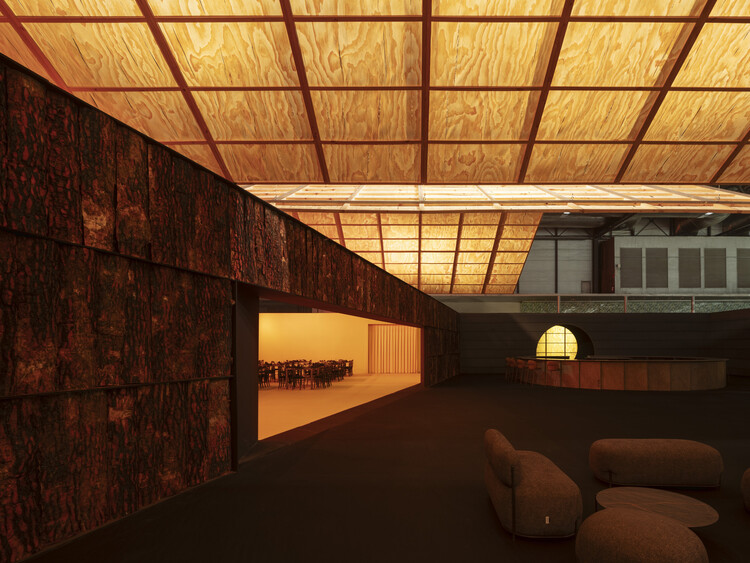
Guest Lounge 350.000 Ha / Manuel Bouzas + salazarsequeromedina


-
Architects: Manuel Bouzas, salazarsequeromedina
- Year: 2026
https://www.archdaily.com/1039533/guest-lounge-3500-ha-manuel-bouzas-plus-salazarsequeromedinaValentina Díaz
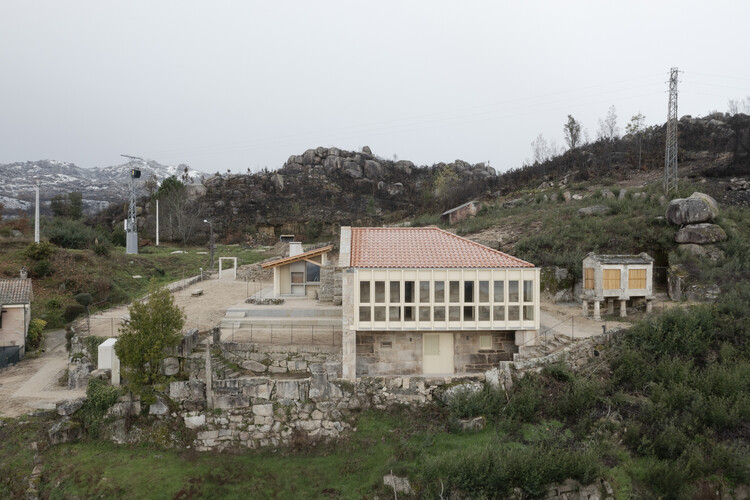
Muimenta Social Center / Eduardo Dipre Mazza + Daniel Gomez Magide + Miguel Angel Diaz Gonzalez


-
Architects: Daniel Gomez Magide, Eduardo Dipre Mazza, Miguel Angel Diaz Gonzalez
- Area: 214 m²
- Year: 2025
https://www.archdaily.com/1039007/muimenta-social-center-eduardo-dipre-mazza-plus-daniel-gomez-magide-plus-miguel-angel-diaz-gonzalezValentina Díaz
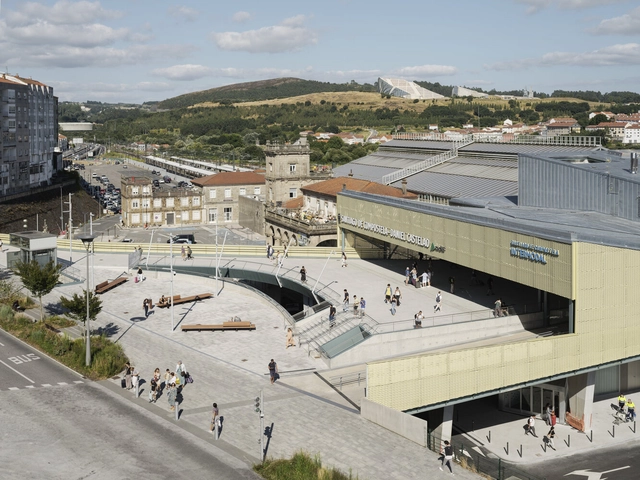
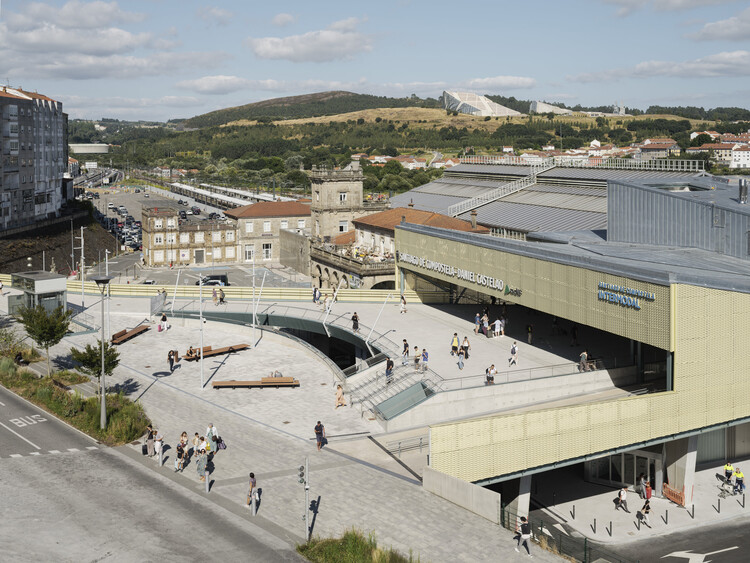
Train Station and Footbridge / Estudio Herreros


-
Architects: Estudio Herreros
- Area: 12850 m²
- Year: 2025
https://www.archdaily.com/1033624/train-station-and-footbridge-estudio-herrerosValentina Díaz
From Ecologies to Everyday Life: Reflecting on Architectural Exhibitions in 2025

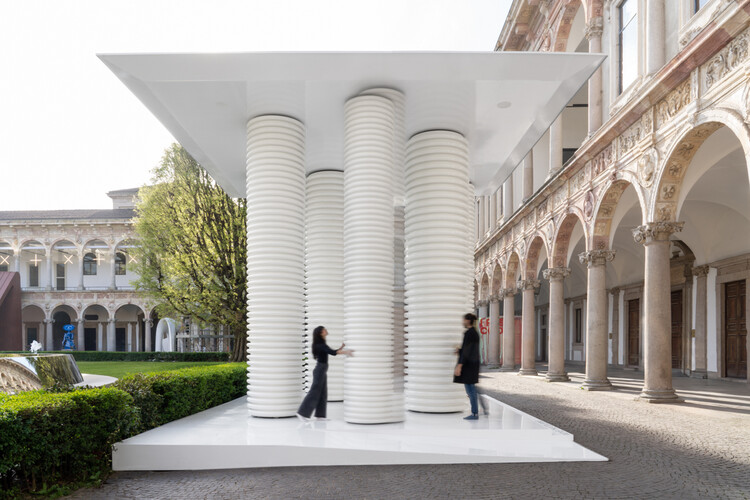
This past year marked a period of introspection for architecture. As 2025 unfolded, the discipline, confronted with evolving environmental and social realities, entered a broader turning point in how it understands its role and how users engage with it. Throughout the year, exhibitions shifted focus away from buildings as isolated objects toward a broader understanding of relationships between ecology, equity, everyday life, and collective imaginaries. Across institutions and cities, they operated less as showcases and more as discursive platforms: places where architecture was not only presented, but also imagined, questioned, and collectively redefined.
While exhibitions have long functioned as sites of discourse, politics, and community, this role became more explicit in 2025. As Carlo Ratti noted in an ArchDaily interview during the pre-opening of the Venice Architecture Biennale 2025, exhibitions today can "hybridize the way that people come together," an ambition that echoed across cities and institutions as exhibitions evolved into spaces for debate, experimentation, and collective reflection. Exhibitions are places where architects and designers meet, where conversations unfold openly with the public, and where ideas emerge through spontaneous exchanges among passersby. Exhibitions became spaces where architectural discourse extended beyond professional circles, opening conversations to broader publics through everyday encounters, shared experiences, and informal exchanges.


https://www.archdaily.com/1036818/from-ecologies-to-everyday-life-reflecting-on-architectural-exhibitions-in-2025Daniela Andino
Conjunto Cornes Espacio Residencial / Carbajo Barrios Arquitectos
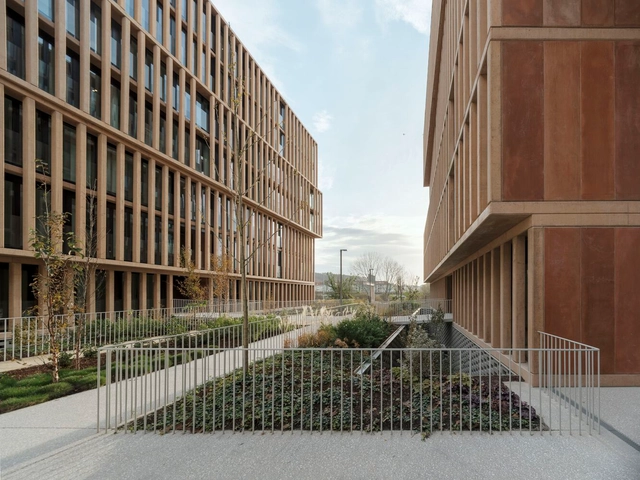


https://www.archdaily.com/994009/conjunto-cornes-espacio-residencial-carbajo-barrios-arquitectosAgustina Coulleri
One Month Until Closing: 10 Must-See National Pavilions at the 2025 Venice Architecture Biennale

As the 19th International Architecture Exhibition enters its final month before closing on November 23, the 2025 Venice Architecture Biennale continues to reaffirm its position as one of the most influential global platforms for contemporary architectural discourse. Opened to the public on May 10 under the curatorship of Italian architect Carlo Ratti, this edition, titled "Intelligens. Natural. Artificial. Collective." brings together over 750 participants across 65 national pavilions, 11 collateral events, and numerous parallel initiatives throughout the city. Structured around the themes of Natural, Artificial, and Collective Intelligence, the Biennale examines how architecture can respond to the intertwined challenges of climate adaptation, technological transformation, and social collaboration.


https://www.archdaily.com/1035374/one-month-until-closing-10-must-see-national-pavilions-at-the-2025-venice-architecture-biennaleReyyan Dogan
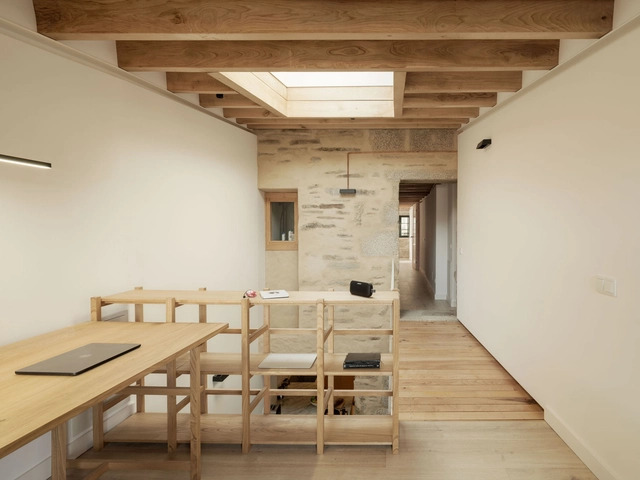


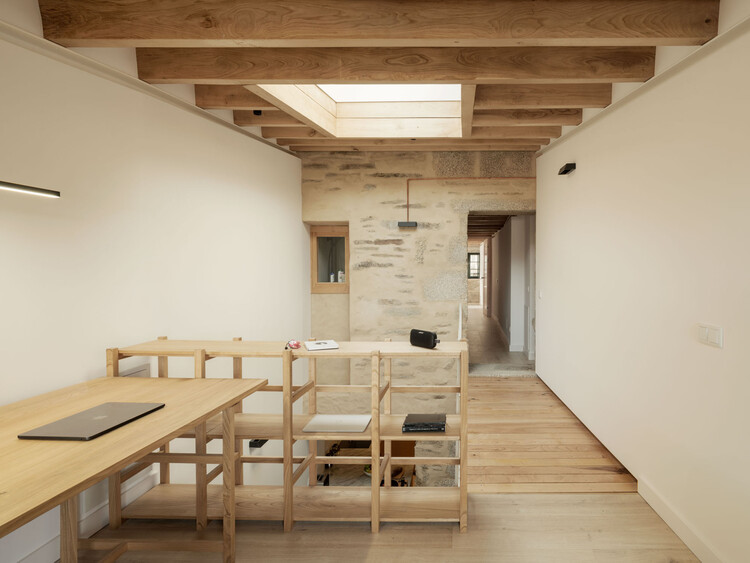
Grounded Interiors: Exploring Earth-Based Flooring Through 10 Contemporary Interiors
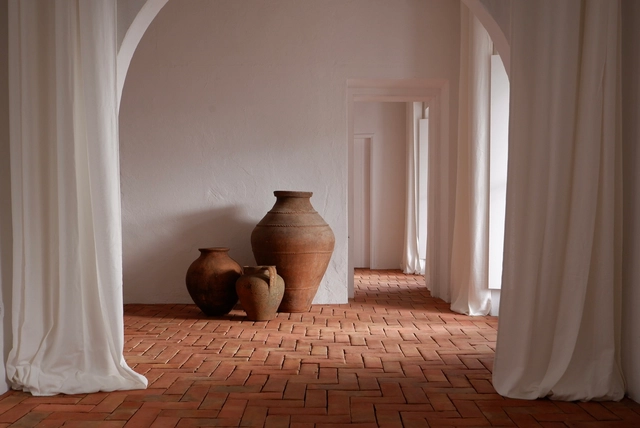
Earth-based flooring materials comprise natural elements such as clay, sand, silt, lime, and organic fibres. They offer both structural performance and sensory engagement when used in both outdoor and interior spaces. Due to their thermal properties, durability, and sustainable qualities, these materials have evolved from vernacular construction techniques into high-value architectural elements that are always being reinvented and optimized. There are several types of earthen floorings, each offering unique benefits, and they are increasingly used in interior settings.


https://www.archdaily.com/1031002/grounded-interiors-exploring-earth-based-flooring-through-10-contemporary-interiorsValentina Díaz
The Hidden Mechanics of Doors: How Hinges, Tracks, and Pivots Shape Spatial Experience
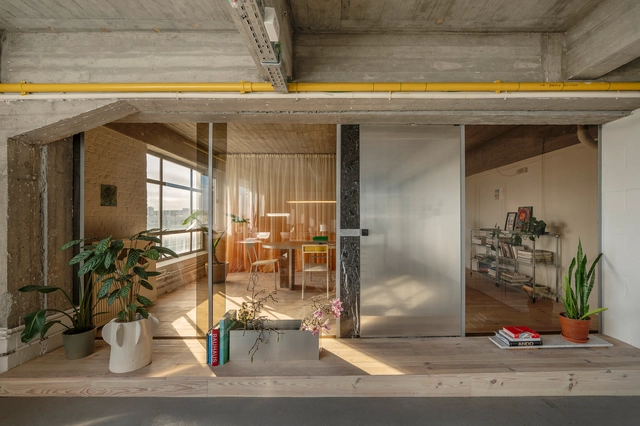
The choice of door types plays a crucial role in defining the spatial experience and atmosphere of architecture. Beyond material or style, the way a door is detailed—its movement, weight, and method of operation—can drastically influence how a space is perceived and navigated. However, what truly enables the functionality of different door types is the often-overlooked element of door hardware. Even within the same door type, the selection of hinges, tracks, pivots, and handles can significantly affect how users interact with and interpret the space.


https://www.archdaily.com/1028284/the-hidden-mechanics-of-doors-how-hinges-tracks-and-pivots-shape-spatial-experienceJonathan Yeung
Centro Cultural Forges / FIRM architects
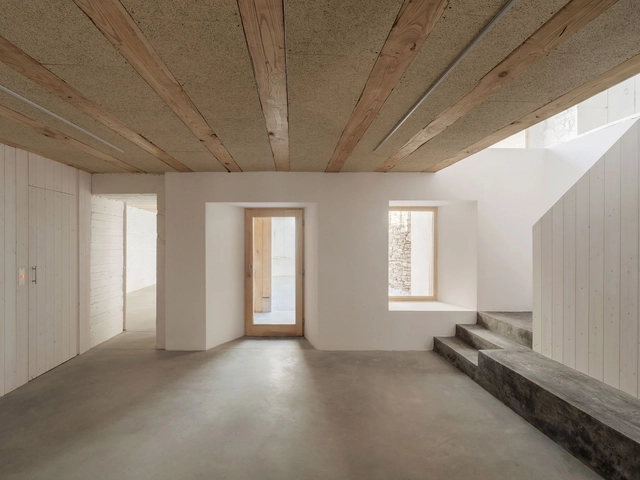


-
Architects: FIRM architects
- Area: 350 m²
- Year: 2024
https://www.archdaily.com/1027714/centro-cultural-forges-firm-architectsAndreas Luco
Mila House / Isla Architects
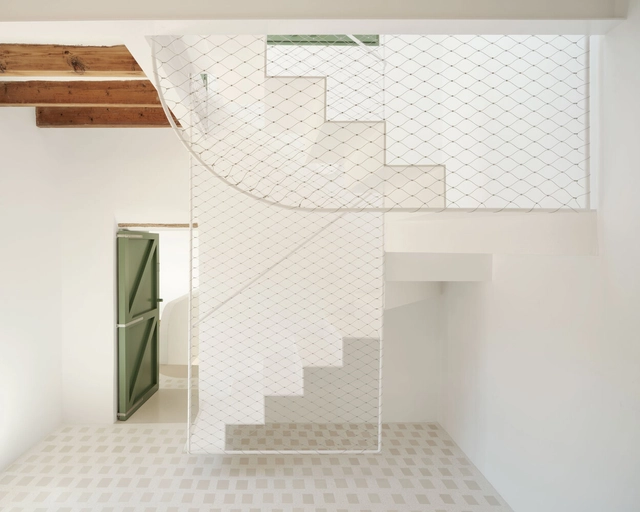


-
Architects: Isla Architects
- Area: 2809 ft²
- Year: 2024
-
Manufacturers: AutoDesk, BANDALUX, FARO Barcelona, FSB Franz Schneider Brakel, Hager, +2
https://www.archdaily.com/1027157/mila-house-isla-architectsPilar Caballero
Bars, Cafés, and Shops in Madrid: The Role of Design in Creating Urban Tourism Highlights
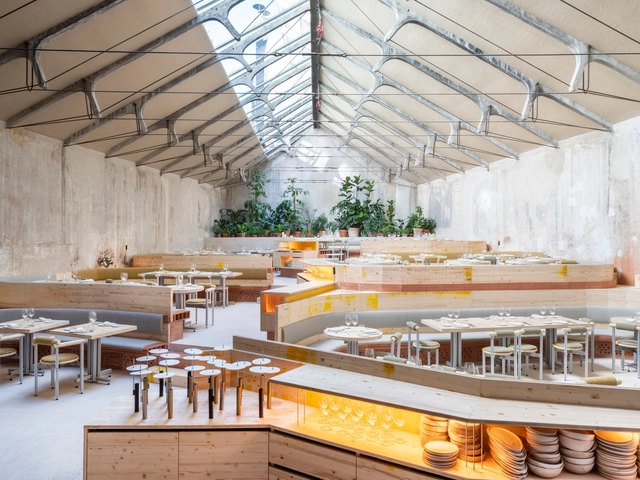
The post-pandemic world has undergone transformations in various aspects, including urban tourism and new modes of travel. With the rise of remote and freelance work, many people now have the freedom to move between cities without needing to establish a permanent residence. This has turned bars, restaurants, and cafés into more than just spaces for consumption: they are now temporary offices and, in many cases, settings for a variety of activities.
On the other hand, shops and retail spaces have evolved to offer more than just the sale of products or services. They have become part of a holistic consumer experience, fostering an emotional connection with users.


https://www.archdaily.com/1024936/bars-cafes-and-shops-in-madrid-the-role-of-design-in-creating-urban-tourism-highlightsPaula Pintos
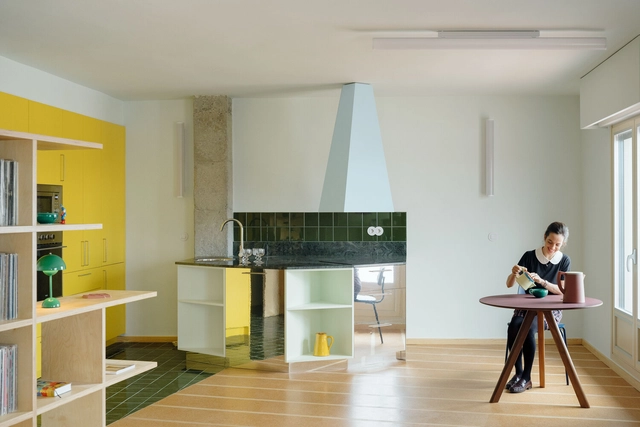
Vibrancy and Utility: Embracing Color in Urban Apartment Kitchens
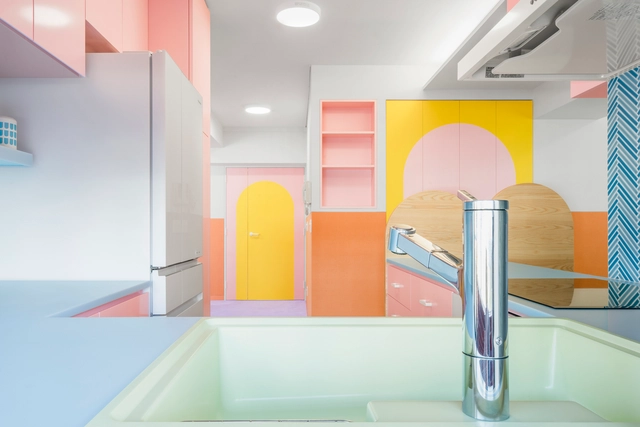
Urban apartments are frequently praised for their clever use of space, but what of their approach to color? Thoughtfully incorporating color is more than an aesthetic decision; it has the potential to shape emotional responses, influence mood, and create spatial illusions. Research in color psychology shows that colors affect our social, cultural, and psychological reactions, making them powerful design tools. Variations of blue, for instance, have been shown to slow melatonin production, keeping people more awake and alert, while shades of green relieve strain on our nervous systems, helping us feel calmer and more grounded. Color in architectural spaces can even alter our perception, creating illusions of depth, movement, and texture that influence how we experience space. Warmer hues like oranges and reds tend to make a room feel more intimate and cozy, while cool whites and blues lend a sense of openness, making spaces appear taller and more expansive.


https://www.archdaily.com/1023107/vibrancy-and-utility-embracing-color-in-urban-apartment-kitchensOlivia Poston
Revealing the Europe 40under40 Best Young Architects & Designers of 2023-2024
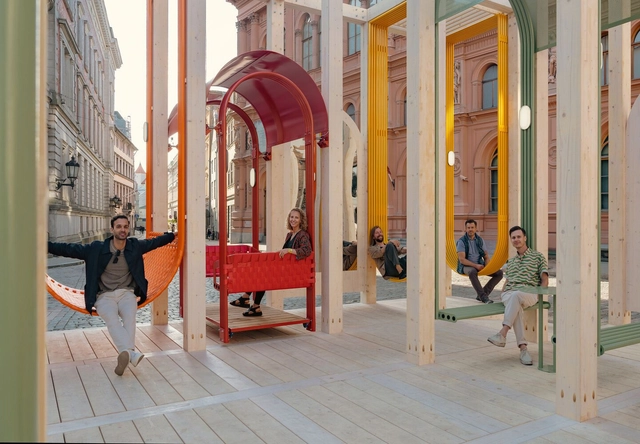
The winners of the "Europe 40under40®" program for 2023-2024 have been announced, celebrating promising talents in architecture and design. This recognition highlights projects from emerging professionals under the age of 40, including architects, landscape architects, urban planners, and industrial designers. The program, initiated by The European Centre, aims to showcase a new generation of designers who are poised to impact the future of living and working environments, cities, and rural areas.
All winning projects will be displayed in the exhibition titled "40 Young European Architects with New Visions," scheduled for December 2024 at The European Centre, located in Athens, Greece. The exhibition will coincide with an awards ceremony. Moreover, a special edition publication by Metropolitan Arts Press will feature this year's cohort of talented architects and designers, aiming to reach an international audience of architecture enthusiasts.


https://www.archdaily.com/1023312/revealing-the-europe-40under40-best-young-architects-and-designers-of-2023-2024Maria-Cristina Florian