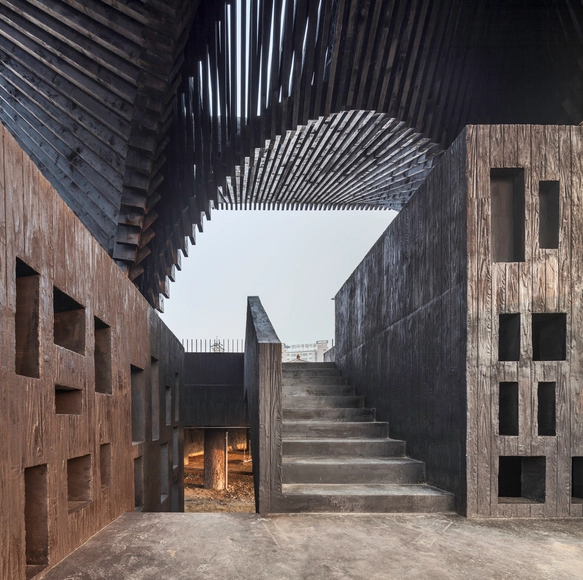
Architecture remains in constant tension with natural forces. Designed around gravity, climate, and time, buildings are always part of larger systems. Throughout the world, designers have tried to mitigate natural forces by constructing hybrid spaces and structures, artificial areas where nature meets the manmade. Embodying this relationship, canals reflect a desire to direct nature and its flows. Today, these fluid spaces are opening up to new programs, projects that explore modern life and urban vitality.
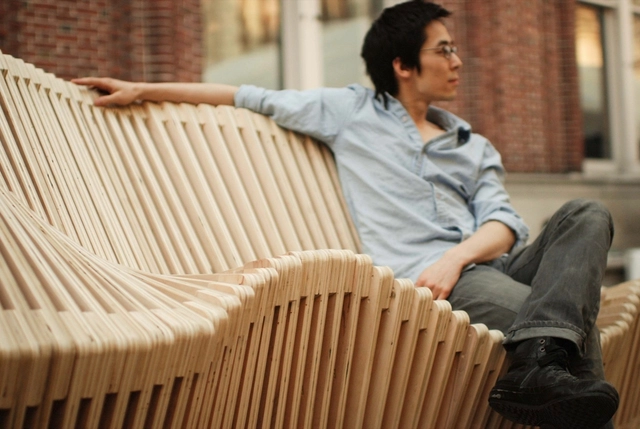
In order to create vibrant public spaces, people need to have a constant presence in these locations, whether they are on their own or in groups. In fact, they need to linger in these places and establish social interactions. To do so, one major element has to be incorporated into the urban setting: the bench.
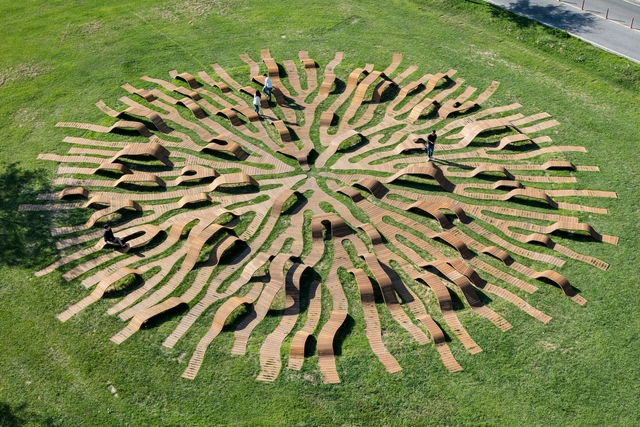
This seating feature, simple or high tech, insures firstly the comfort of the passersby and animates the area consequently, through the addition of the missing human aspect. Sometimes, this is all it takes to revive a space that became a dull passage. The most basic urban design component can take many forms and can be created from different materials, always generating a statement and serving its purpose.
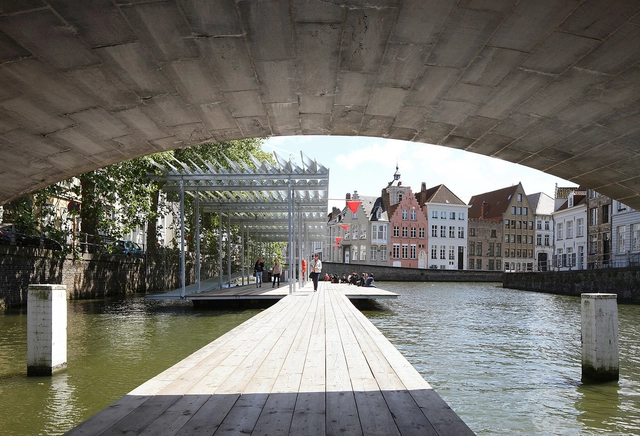
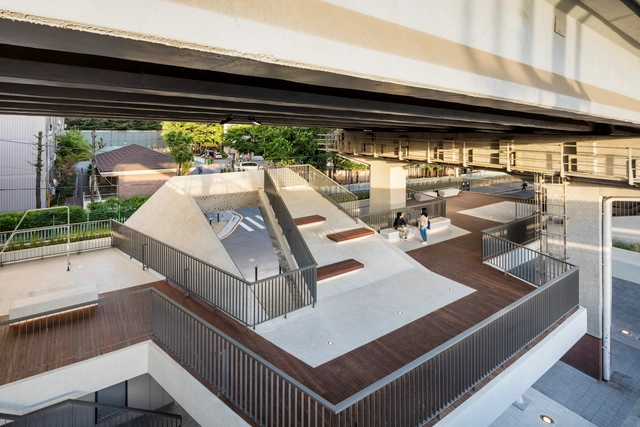
Wooden floors are know for their warm appearance, rich texture, and natural tones that vary according to the origin of the planks, changing with the weather and the passage of time. Outdoors, wooden surfaces are widely used for terraces and living areas, taking advantage of these inviting qualities to bring people together on warm and welcoming floors. Built with modular pieces, wooden decks can easily form artificial topographies, shaping creative and effective public spaces for rest, sports, games, and collective gathering.
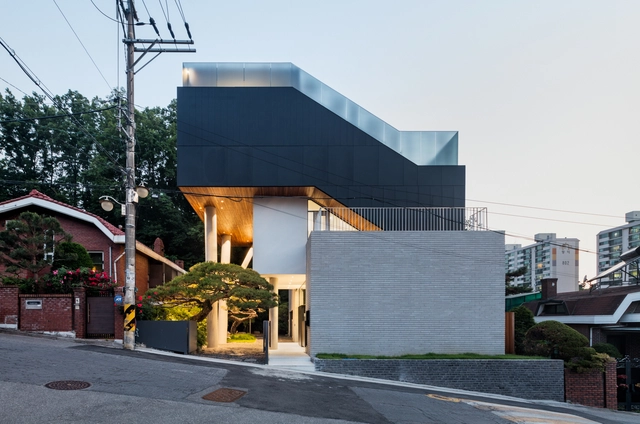
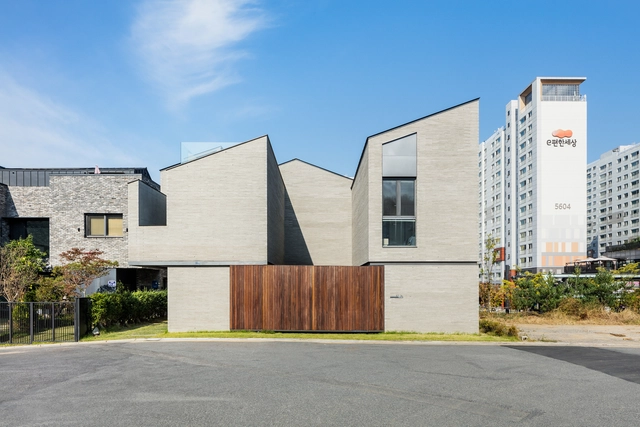
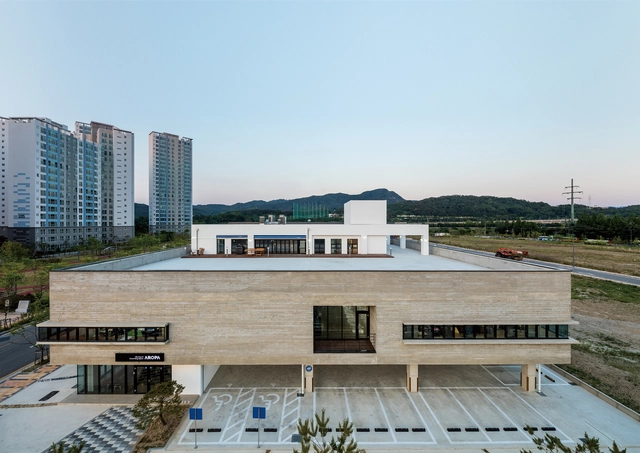
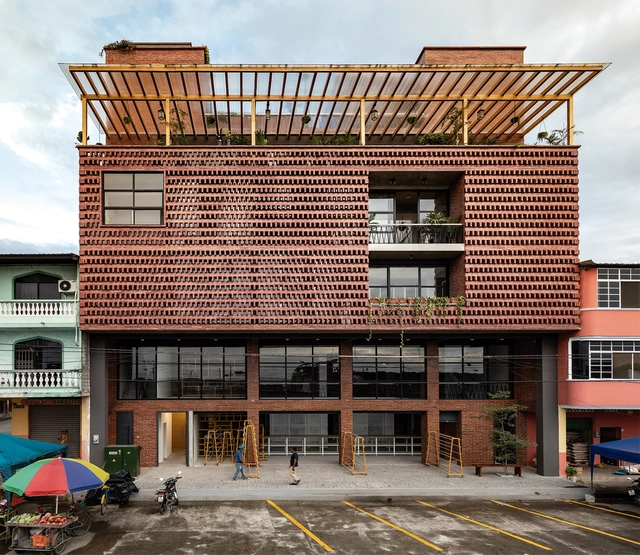
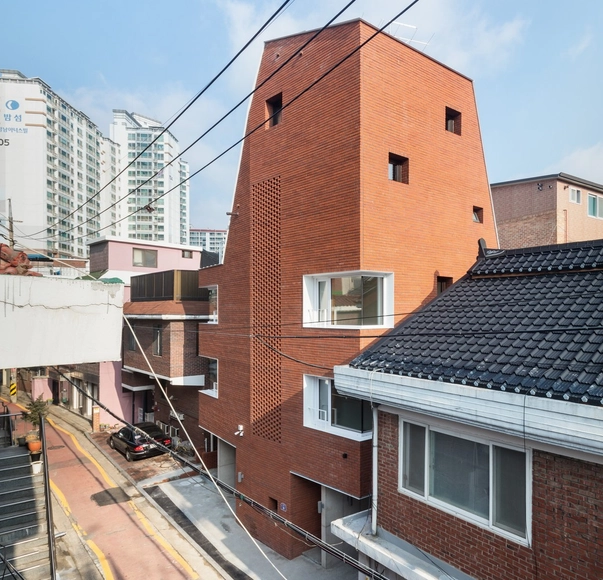
Single family homes are undergoing a quiet transformation in recent years. Increasing land costs, the growth of urban settlements, and the lack of available space for construction have triggered an increase in the development of mixed-use housing. The result is that architects have begun to incorporate more community programs within private residential projects. We can now find homes that integrate commercial, cultural, educational, or industrial uses. This not only provides diversity and efficiency, but also allows surrounding neighborhoods to be revitalized through mixed programs that foster social engagement, interaction and connection.
These type of projects can be created both vertically - in a 2 or 3-story house - and horizontally, using two neighboring lots or around an open space. The following are 12 examples of modern mixed-use homes.
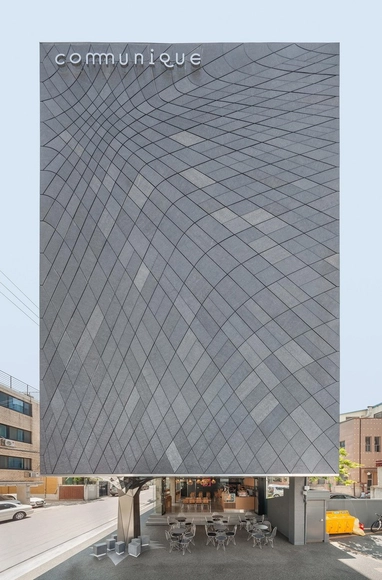
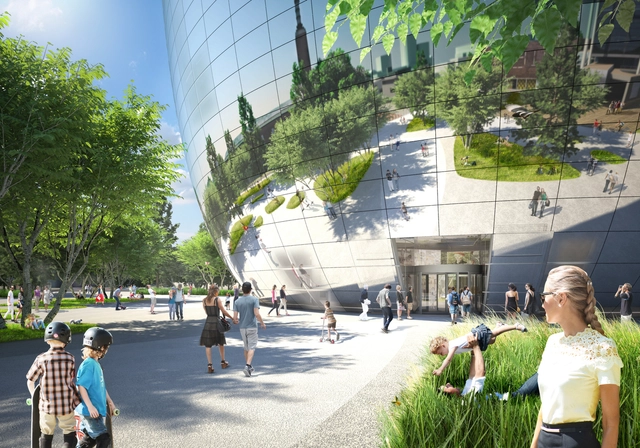
As architects rely heavily on imagery to convey abstract information to a broad audience, there is a recurrent conversation on the role of visualizations in architecture and how they impact the general perception of the built environment.
My commitment to pavilions—to the idea of making constructional follies—is connected with needing to develop prototypes and carry out constructional research away from the normal practice of architecture. Without being subject to a client’s brief, the pavilions give me an opportunity to develop and test different methodologies, which is something that has always interested me about teaching. They are investigations into various kinds of context, dealing with urban scenarios and landscapes—they are about making something in space for its own sake, when the guiding idea comes from a reading of place. The pavilions fine tune my engagement with a specific situation, allowing me to see what is essential in terms of an action or construction. I did not set out with the idea of working in series, but as different opportunities came up, the process of designing them became more organic, the language seemed to make sense, and as one thing reinforced another, they took on a life of their own.




.jpg?1613473038&format=webp&width=640&height=580)
.jpg?1613473184&format=webp&width=230&height=230&crop=true)
.jpg?1613473816&format=webp&width=230&height=230&crop=true)
.jpg?1613473838&format=webp&width=230&height=230&crop=true)
.jpg?1613473065&format=webp&width=230&height=230&crop=true)
.jpg?1613473038)

_1645_Kyungsub_Shin_kim.jpg?1611896965&format=webp&width=230&height=230&crop=true)

_1080_Kyungsub_Shin.jpg?1611896569&format=webp&width=230&height=230&crop=true)

.jpg?1611686478&format=webp&width=640&height=580)
.jpg?1611690034&format=webp&width=230&height=230&crop=true)
.jpg?1611689845&format=webp&width=230&height=230&crop=true)
.jpg?1611687132&format=webp&width=230&height=230&crop=true)
.jpg?1611689811&format=webp&width=230&height=230&crop=true)
.jpg?1611686478)








.jpg?1598452247&format=webp&width=230&height=230&crop=true)
.jpg?1598452025&format=webp&width=230&height=230&crop=true)
.jpg?1598451787&format=webp&width=230&height=230&crop=true)
.jpg?1598451836&format=webp&width=230&height=230&crop=true)



.jpg?1596453699&format=webp&width=640&height=580)
.jpg?1596454533&format=webp&width=230&height=230&crop=true)
.jpg?1596453668&format=webp&width=230&height=230&crop=true)
.jpg?1596454178&format=webp&width=230&height=230&crop=true)
.jpg?1596454430&format=webp&width=230&height=230&crop=true)
.jpg?1596453699)




.jpg?1588119903&format=webp&width=230&height=230&crop=true)
.jpg?1588118690&format=webp&width=230&height=230&crop=true)
.jpg?1588118507&format=webp&width=230&height=230&crop=true)
.jpg?1588119987&format=webp&width=230&height=230&crop=true)

.jpg?1585916101&format=webp&width=640&height=580)


.jpg?1585916171&format=webp&width=230&height=230&crop=true)
_.jpg?1585917044&format=webp&width=230&height=230&crop=true)
.jpg?1585916101)