José Hevia
BROWSE ALL FROM THIS PHOTOGRAPHER HERE
↓
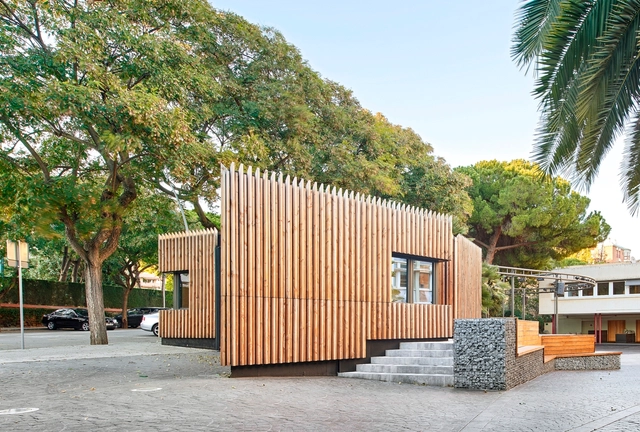
Access Pavilion at the Lycée Français in Barcelona / COMA Arquitectura


https://www.archdaily.com/941872/access-pavilion-at-the-lycee-francais-in-barcelona-coma-arquitecturaAndreas Luco
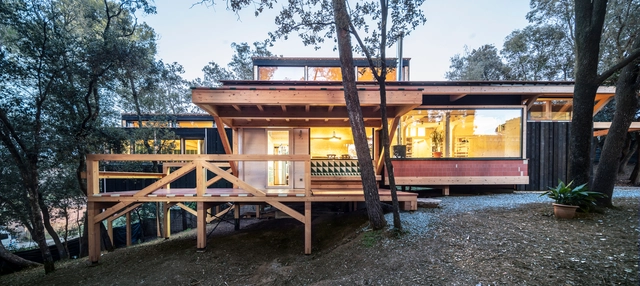
Bosc House / Joan Poca Arquitecte


.jpg?1591399889&format=webp&width=230&height=230&crop=true)


-
Architects: Joan Poca Arquitecte
- Area: 203 m²
- Year: 2019
-
Manufacturers: JUNG, Rothoblaas, Aduro, Binderholz, Ceràmica Ferres, +3
https://www.archdaily.com/941191/bosc-house-joan-poca-arquitecteValeria Silva
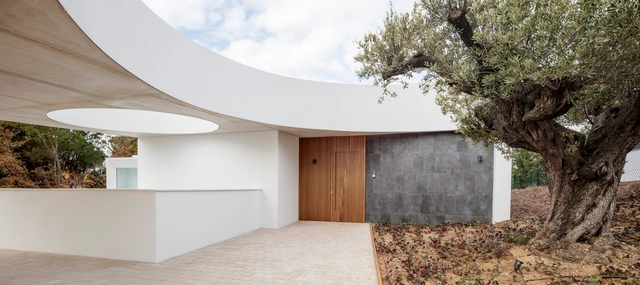
Gruyere House / Lagula Arquitectes


https://www.archdaily.com/940526/gruyere-house-lagula-arquitectesPilar Caballero
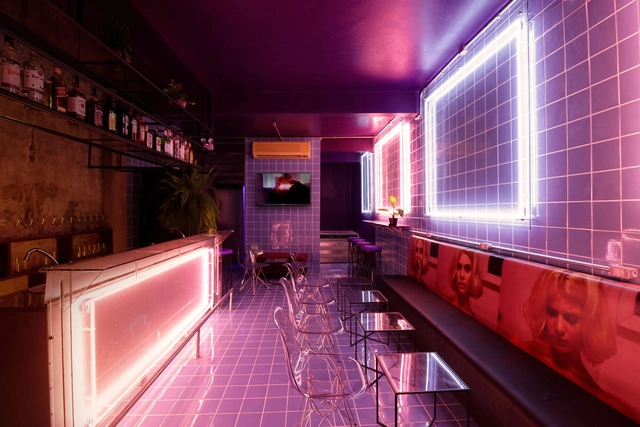
How Neon Lighting Shapes Architecture

.jpg?1591019033&format=webp&width=230&height=230&crop=true)


Neon lights are a bold, cosmopolitan statement that can easily revitalize or accentuate an architectural space or structure. With eye-catching brilliance, a plethora of color options, and ties to a retro aesthetic, these lighting pieces can make a space feel simultaneously modern and nostalgic. Yet few understand the scientific workings or material properties of neon, and many architects neglect its use due to its narrow association with commercial signage. Below, we explore how neon works, its architectural history, and how architects can continue to use it today.
https://www.archdaily.com/940713/how-neon-lighting-shapes-architectureLilly Cao
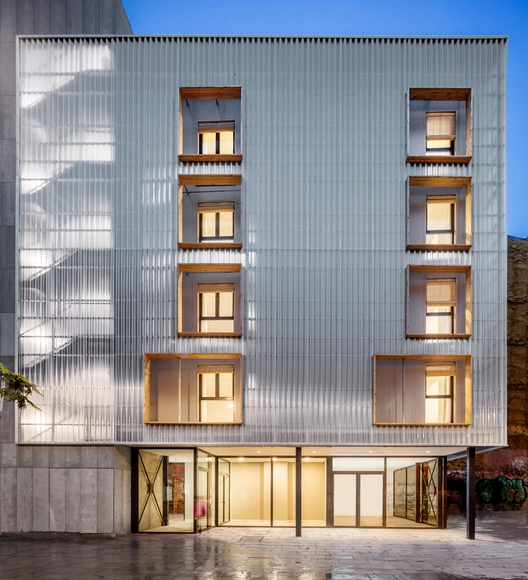
Aprop Ciutat Vella Emergency Housing / Straddle3 + Eulia Arkitektura + Yaiza Terré


-
Architects: Eulia Arkitektura, Straddle3, Yaiza Terré
- Area: 816 m²
- Year: 2019
-
Manufacturers: AutoDesk, Knauf, Onduline, Viroc
https://www.archdaily.com/940066/aprop-ciutat-vella-emergency-housing-straddle3-plus-eulia-arkitektura-plus-yaiza-terreAndreas Luco
Spain Central Bank Logistics Yard / Vora Arquitectura + Virai Arquitectos



-
Architects: Virai Arquitectos, Vora Arquitectura
- Area: 10333 ft²
- Year: 2018
-
Manufacturers: Hess Lighting
https://www.archdaily.com/938829/spain-central-bank-logistics-yard-vora-arquitectura-plus-virai-arquitectosPilar Caballero
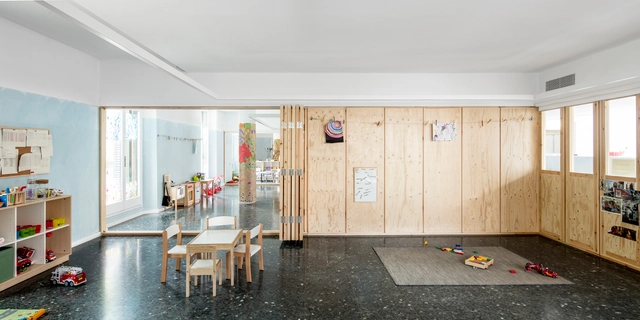
Can Rosés Temporary School / Vora


-
Architects: Vora Arquitectura
- Area: 10333 ft²
- Year: 2018
https://www.archdaily.com/938327/can-roses-temporary-school-voraPilar Caballero
Quartiertreffpunkt Community Center / Focketyn Del Rio Studio


-
Architects: Focketyn Del Rio Studio
- Area: 90 m²
- Year: 2019
-
Professionals: Moritz Hunziker AG, Südquai
https://www.archdaily.com/937510/quartiertreffpunkt-community-center-focketyn-del-rio-studioPilar Caballero
Vilafranca del Penedès Secondary Institute / Jordi Farrando


-
Architects: Jordi Farrando
- Area: 4593 m²
- Year: 2019
-
Manufacturers: Acadinsa, Acieroid, Acor, Anfra, Cortinsa, +5
https://www.archdaily.com/937301/vilafranca-del-penedes-seccondary-institute-jordi-farradoAndreas Luco
Frame House / NOMO STUDIO


https://www.archdaily.com/912614/frame-house-nomo-studioClara Ott
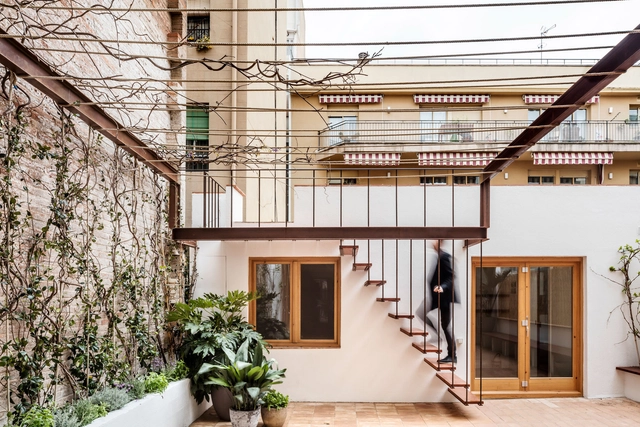
Gallery-House / Carles Enrich


-
Architects: Carles Enrich Studio
- Area: 185 m²
- Year: 2017
https://www.archdaily.com/874408/gallery-house-carles-enrichRayen Sagredo
What to Expect from Interiors of the Future
.jpg?1583859382&format=webp&width=640&height=580)
In 2018, the UN released an article stating that 55% of the world’s population already lived in urban areas, predicting that by 2050 this percentage would reach 68%. This trend toward greater urbanization carries with it several implications regarding environmental degradation and social inequality. According to National Geographic, urban growth increases air pollution, endangers animal populations, promotes the loss of urban tree cover, and heightens the likelihood of environmental catastrophes such as flash flooding. These health hazards and catastrophic phenomena may be more likely to impact poorer populations, as larger cities tend to demonstrate higher rates of economic inequality and uncontrolled growth tends to produce unequal distributions of space, services, and opportunities.
To mitigate these negative effects of urbanization, designers are increasingly prioritizing sustainability and the maximization of available space – allowing more people to occupy less space with a smaller footprint.


.jpg?1583859382)
https://www.archdaily.com/935089/what-to-expect-from-interiors-of-the-futureLilly Cao
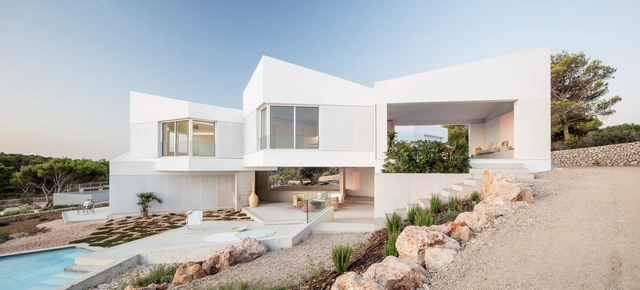
Bridge House / NOMO STUDIO


-
Architects: NOMO STUDIO
- Area: 3875 ft²
- Year: 2019
https://www.archdaily.com/933966/bridge-house-nomo-studioPilar Caballero
Casa MJ / Alventosa Morell Arquitectes
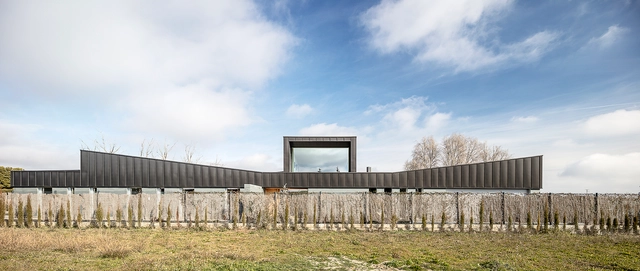


https://www.archdaily.com/932885/casa-mj-alventosa-morell-arquitectesAndreas Luco
How to Incorporate Gardens in Home Design
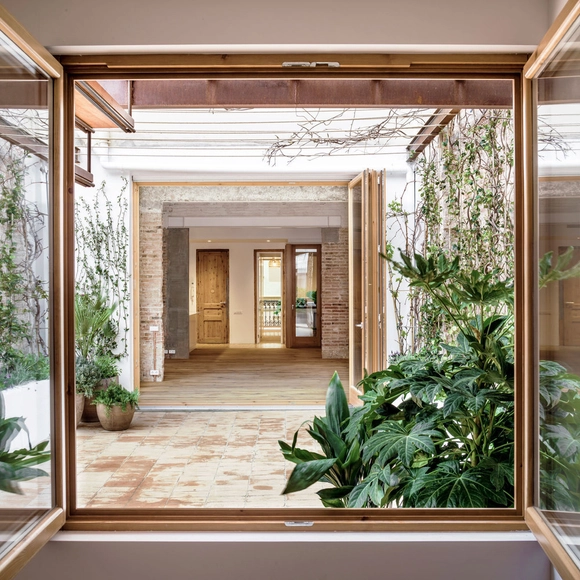


Indoor gardens can contribute important benefits to home living, ranging from aesthetic beauty to improved health and productivity. Research has shown that indoor plants help eliminate indoor air pollutants called Volatile Organic Compounds (VOCs) that emanate from adhesives, furnishings, clothing, and solvents, and are known to cause illnesses. They also increase subjective perceptions of concentration and satisfaction, as well as objective measures of productivity. Indoor gardens may even reduce energy use and costs because of the reduced need for air circulation. These benefits complement the obvious aesthetic advantages of a well-designed garden, making the indoor garden an attractive residential feature on several fronts.
https://www.archdaily.com/932106/how-to-incorporate-gardens-in-home-designLilly Cao
Recovery of Merola’s Tower / Carles Enrich Studio
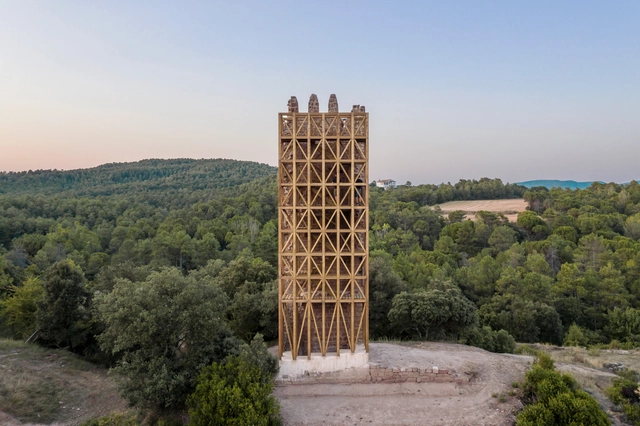


-
Architects: Carles Enrich Studio
- Area: 40 m²
- Year: 2019
-
Manufacturers: AutoDesk, Tallfusta
https://www.archdaily.com/931955/recovery-of-merolas-tower-carles-enrich-studioDaniel Tapia
MB House / Gabriel Montañés Arquitecto
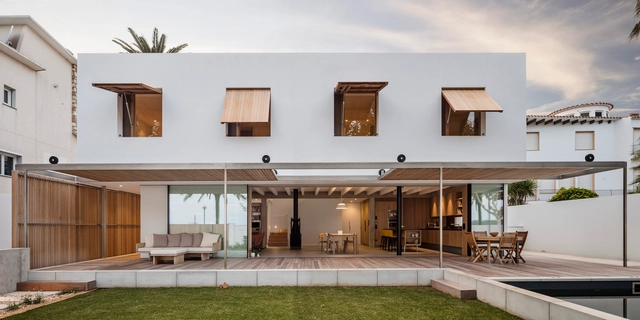


https://www.archdaily.com/930152/mb-house-gabriel-montanes-arquitectoDaniel Tapia
Architectural Review Announces 2019 New into Old Award Winners
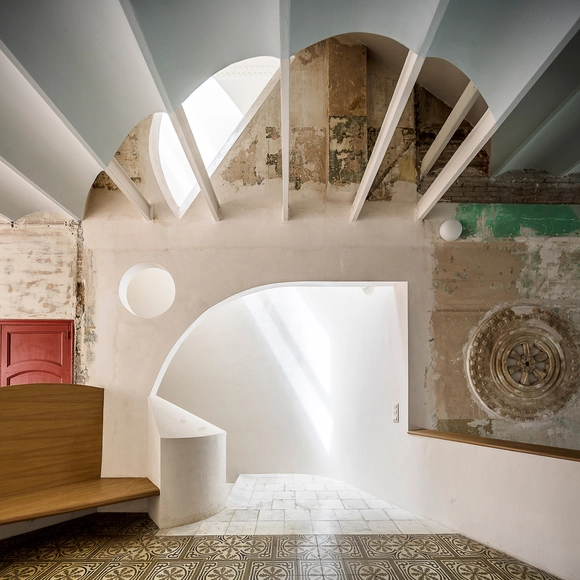
The Architectural Review has announced that Sala Beckett by Flores & Prats is the winner of the 2019 AR New into Old awards. The project was selected by a panel of judges for its inventive re-use, and it was awarded alongside two Highly Commended and three Commended buildings for sustainable alternatives to building anew. The AR New into Old awards celebrate the creative ways buildings are adapted and remodeled to welcome new contemporary uses.


https://www.archdaily.com/929683/architectural-review-announces-2019-new-into-old-award-winnersEric Baldwin