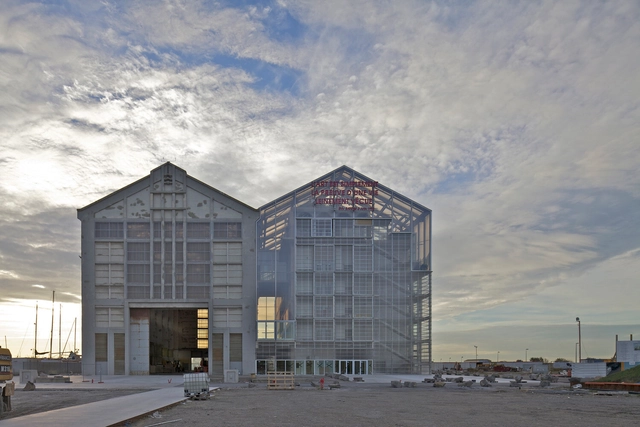
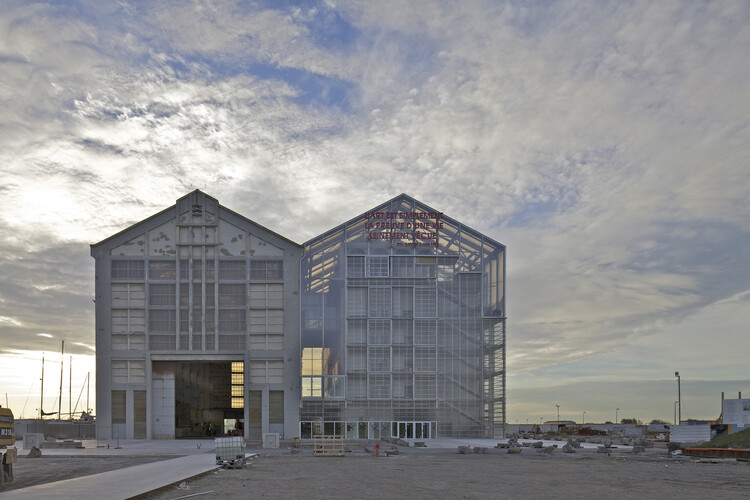
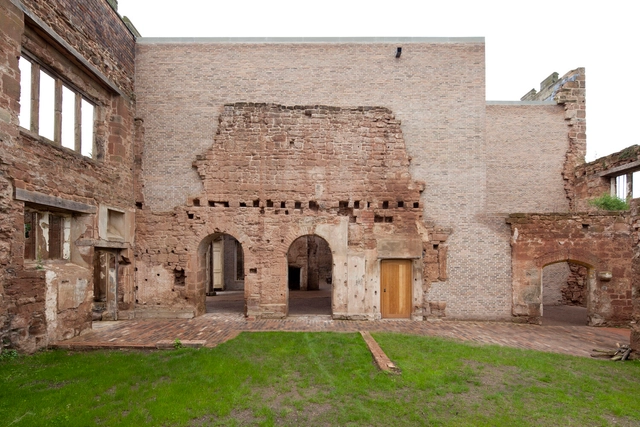
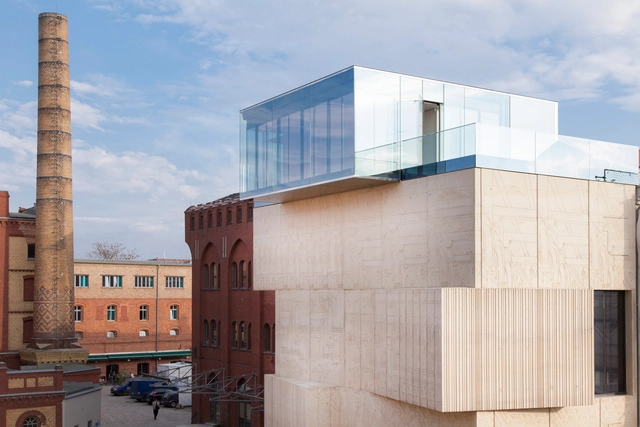
Following nearly 50 years of rapid urbanization, urban renewal has transitioned from an era of incremental growth to one of existing stock. Urban planning has shifted from expansion toward the high-quality renovation of existing assets to reactivate spaces. Looking back at recent adaptive reuse projects by Pritzker Prize laureates, we examine how these masters respond to today's challenges of urban stock renewal.
In a world facing ecological exhaustion and spatial saturation, the act of building has come to represent both creation and consumption. For decades, architectural progress was measured by the new: new materials, new technologies, new monuments of ambition. Yet today, the discipline is increasingly shaped by another form of intelligence, one that values what already exists. Architects are learning that doing less can mean designing more, and this shift marks the emergence of what might be called an architecture of restraint: a practice defined by care, maintenance, and the deliberate choice not to build.
The principle recognizes that the most sustainable building is often the one that already stands, and that transformation can occur through preservation, repair, or even absence. Choosing not to build becomes a political and creative act, a response to the material limits of the planet and to the ethical limits of endless growth. That Architecture moves beyond the production of new forms to embrace continuity, extending the life of structures, materials, and memories that already inhabit the world.
There is a particular kind of architecture that does not begin with a blank page. It begins in silence, in ruins, in walls shaped by time. It begins by listening. Rather than imposing itself, it draws near, slowly, choosing to touch rather than overwrite. This is an architecture that engages with the past through the lens of the present, not to erase it or mimic it, but to offer it continuity.
Contemporary architecture increasingly recognizes that to build with the past is not to be held back by it. Heritage is no longer seen as a constraint but as an active ground for design. Within this shift, pre-existence becomes more than a physical condition — it becomes a narrative thread, a structural and symbolic presence that invites care. Rather than asserting dominance, many architects today choose to respond with gestures that are deliberate, quiet, and precise. These interventions frame rather than replace, protect rather than obscure. In doing so, they allow history to remain visible, not as a backdrop, but as a living layer of the architectural experience.
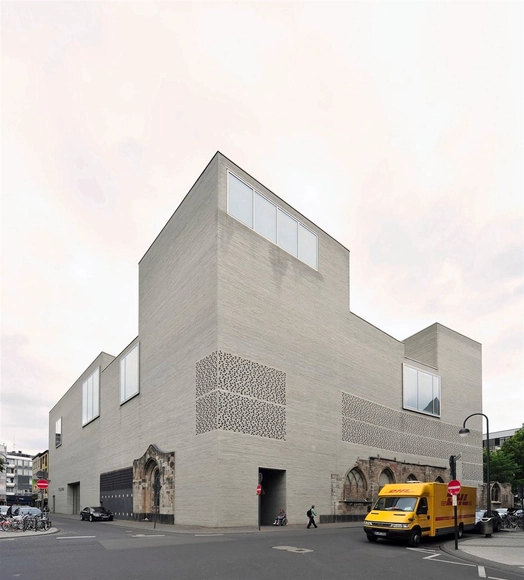
Museums reveal local and shared heritage. As cultural institutions embedded in the fabric of modern life, each museum serves as a window into history and human exchange. Made to promote understanding and provoke new ideas, these monumental buildings are inspired by spatial exploration. With some of the most influential museum projects in the world, Germany is home to a range of diverse institutions showcasing unique approaches to curating, taxonomy and spatial organization.
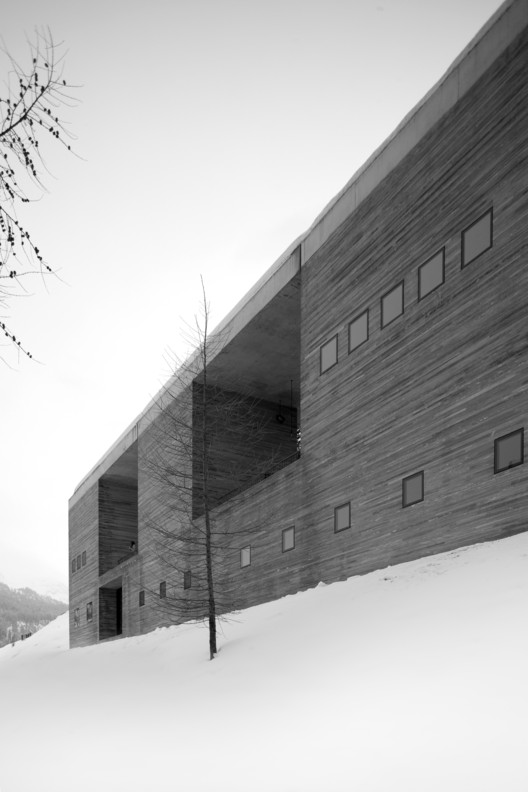
Known for his sensuous materiality and attention to place, 2009 Pritzker LaureatePeter Zumthor (born April 26, 1943) is one the most revered architects of the 21st century. Shooting to fame on the back of The Therme Vals and Kunsthaus Bregenz, completed just a year apart in 1996 and 1997, his work privileges the experiential qualities of individual buildings over the technological, cultural and theoretical focus often favored by his contemporaries.
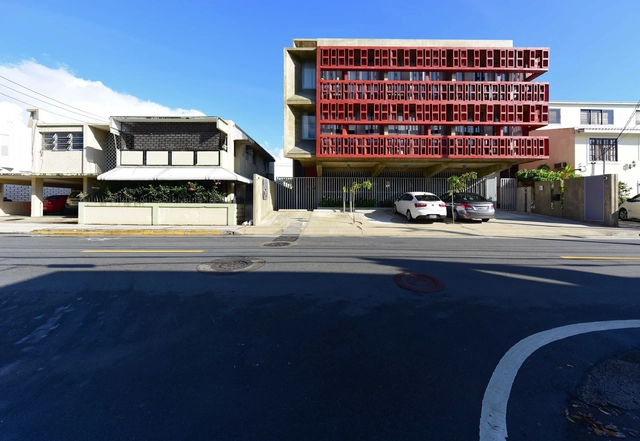
Manufacturers: Air Master, Caribbean Cast Stone, EspaMex, LLC, Gabriel Fuentes Jr. Const., Co., Inc., JR Water System, +6Kong Generators, Multi System Contractors, Multi System Contractors, Inc., RK Power, RK Power /Kong Generadors, Santiago Metal Mfg. Corp-6
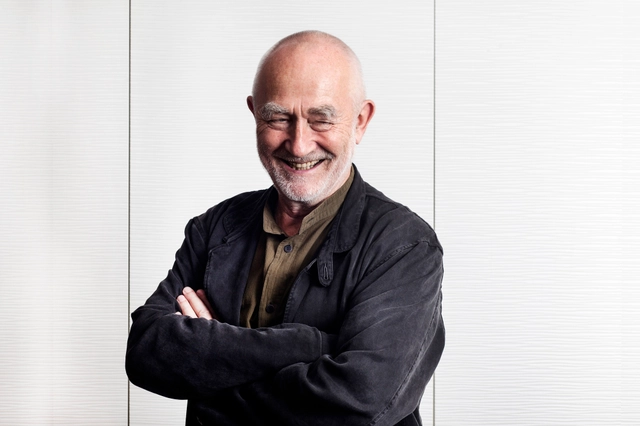
Known for his superior design and unparalleled craftsmanship, the 2009 Pritzker Laureate and 2013 RIBA Gold Medal Award winner, Peter Zumthor, was recently invited to speak at the School of Architecture in Tel Aviv University. In a lecture titled “Presence in Architecture - Seven Personal Observations,” Zumthor shared some of the inspirations behind his greatest projects, giving us insight into his poetic, intelligent, (and some might say) “nearly divine” mind.
Zumthor’s Seven Points on “Presence,” after the break...