

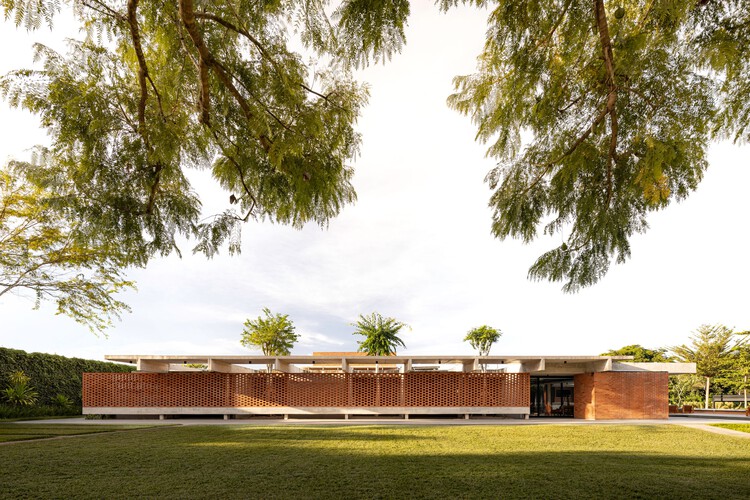
-
Architects: BLOCO Arquitetos
- Area: 750 m²
- Year: 2024



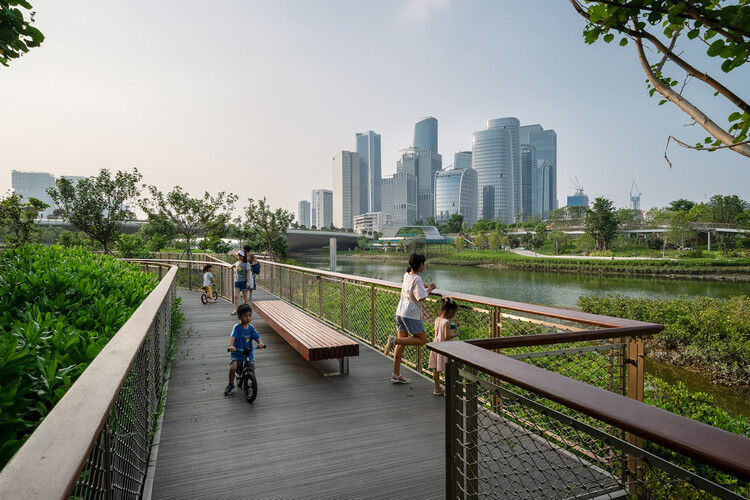
Nature-based solutions are a primary strategy for contemporary climate adaptation and urban ecological resilience, embraced by cities regardless of their geography or climate zone. Green roofs, urban forests, bioswales, expanding tree canopy, protected wetlands, and permeable landscapes are featured prominently in municipal adaptation plans. These interventions are deployed across neighborhoods, distributed through street networks, and measured by hectares restored, trees planted, stormwater retained, or temperatures reduced. This shift expands the role of ecology within cities, establishing environmental elements as infrastructure systems and providing planners with a grounded framework for integrating natural systems into urban development.

By Adalberto Vilela and Sylvia Ficher
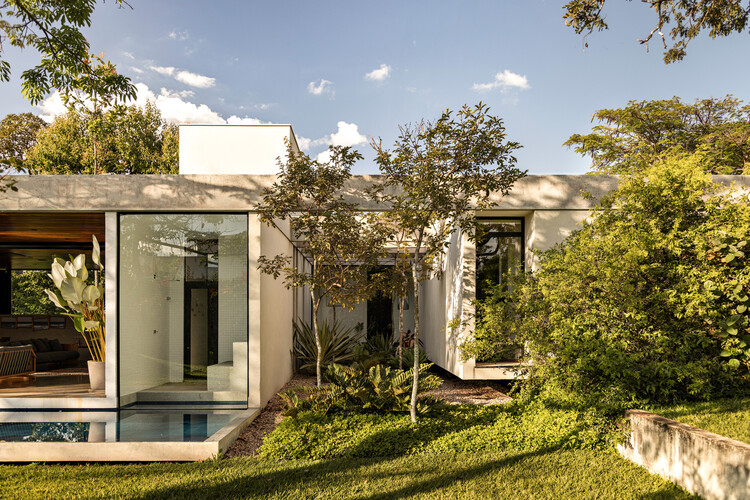
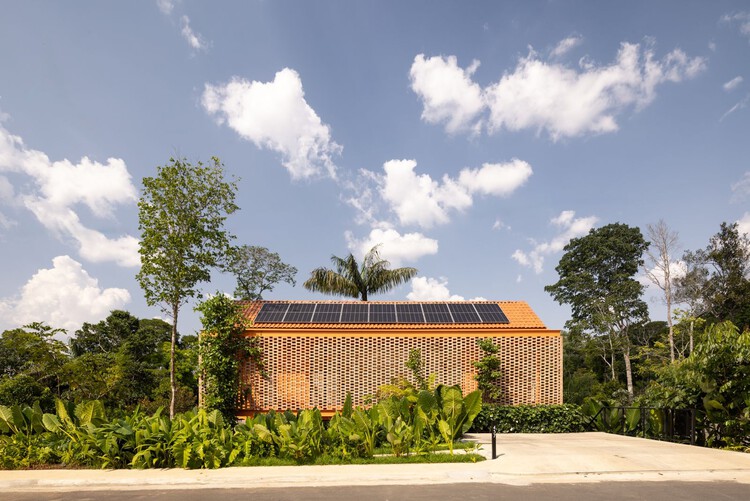
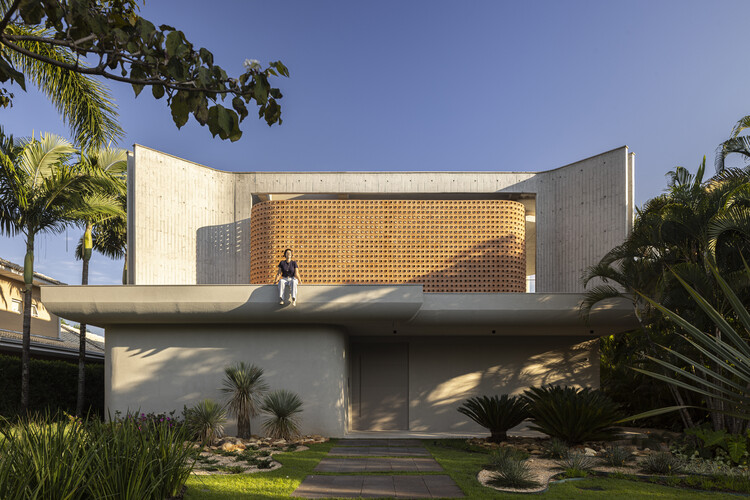
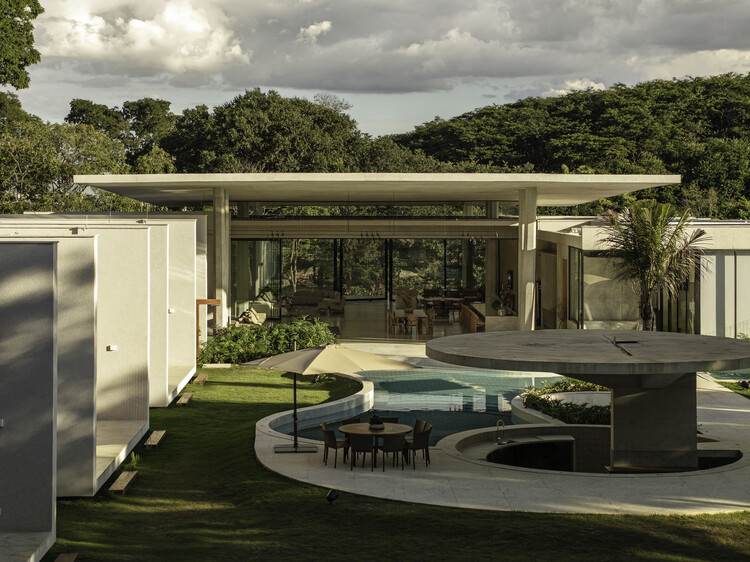
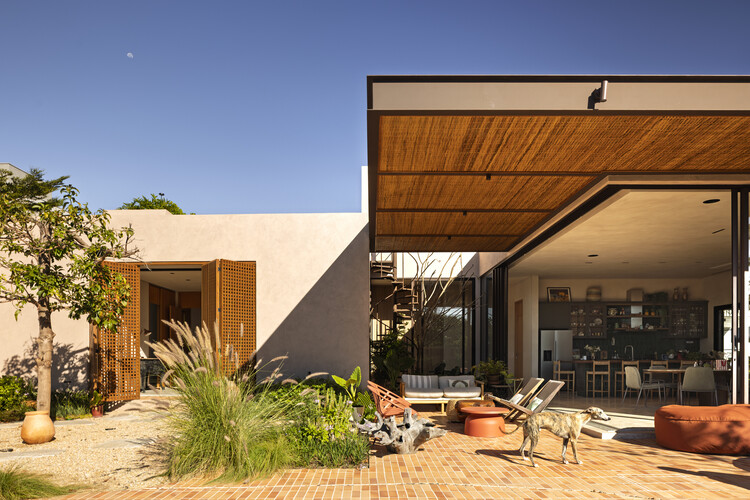
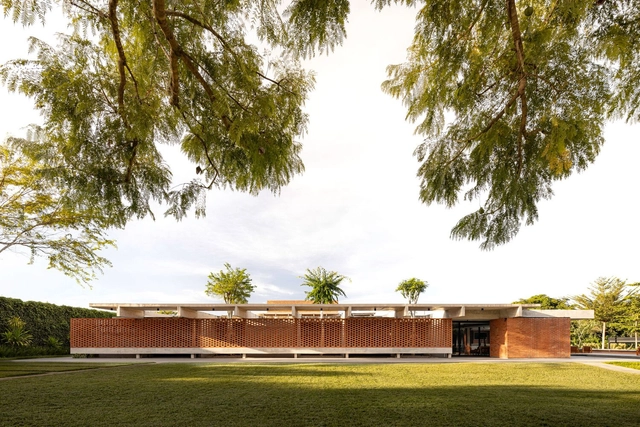
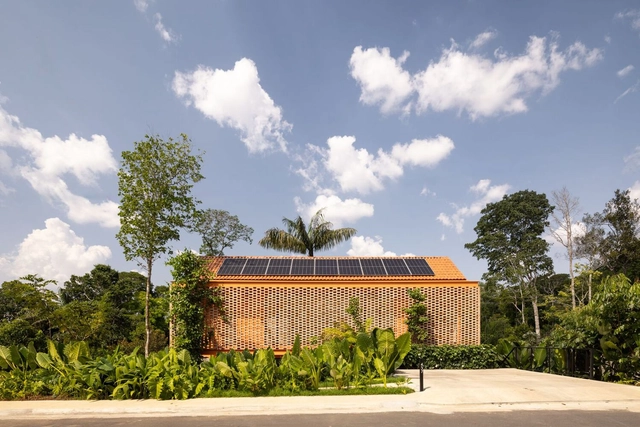
Even when driving through an exclusively residential neighborhood of the city, one can spot the *Casa dos Arcos* (House of Arches) in the distance. This is how the Nivaldo Borges residence is known, placidly sprawling across the gentle topography of an immense site, unmistakable for its reddish hue. The temptation to approach is strong; paradoxically, the absence of fences or gates is intimidating. With no way to announce our arrival, we ignore the uncomfortable feeling of trespassing and head forward.

National Architect and Urban Planner Day, celebrated on December 15, has officially become law. Law 13,627/2018, which adds the date to the official Brazilian calendar, was signed into law by the Presidency of the Republic on January 16. This marks an important step in the process of professional recognition initiated by CAU/BR and regional CAUs since their creation in 2011. The Council began operating precisely on December 15 so that its establishment would coincide with the birth date of Oscar Niemeyer.
Today, we launch a series of publications showcasing open-access theses and dissertations that address issues relevant to Architecture and Urbanism. We recognized the need to share the remarkable academic output of our universities—which often goes unrecognized—with the widest possible audience.
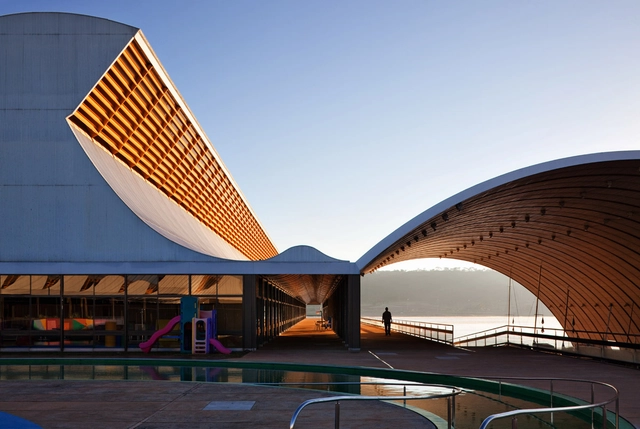
In this first edition, we present the work of architect Jorge Isaac Perén Montero and his master's thesis entitled "Natural Ventilation and Lighting in the Work of João Filgueiras Lima, Lelé: Studies of the Sarah Kubitschek Network Hospitals in Fortaleza and Rio de Janeiro," advised by Professor Rosana Maria Caram at the São Carlos School of Engineering - EESC/USP.


Architecture is often presented as the visible expression of its time, its desires, its faith in progress, its idea of order. Yet this reading tends to flatten the conditions under which buildings are produced. It suggests that architecture follows history when, in many cases, it actively participates in it. Few periods make this more evident than the twentieth century, when architecture became deeply entangled with political programs, economic systems, and competing visions of how collective life should be organized.
What is commonly grouped under the label of Modernism is often described as a coherent project, defined by formal clarity, technological optimism, and a break with historical styles. But this apparent coherence dissolves when we look beyond its canonical centres. The same spatial principles (standardization, functional zoning, industrial production) were adopted in political and economic contexts that differed significantly in their structures and objectives. A static movement unfolded as a flexible system continuously reoriented according to the priorities of each regime. What appeared as a shared language was, in practice, a set of tools applied to distinct agendas.


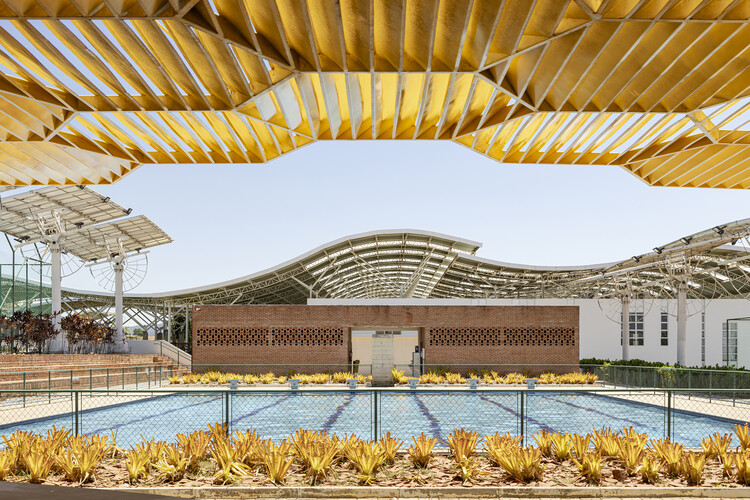
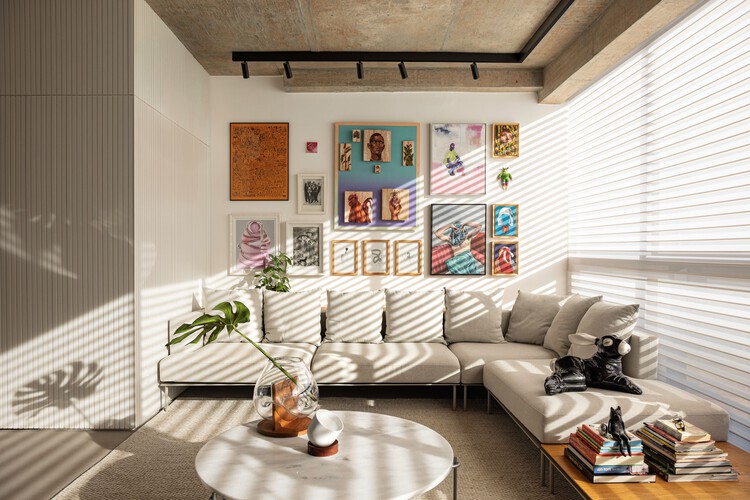
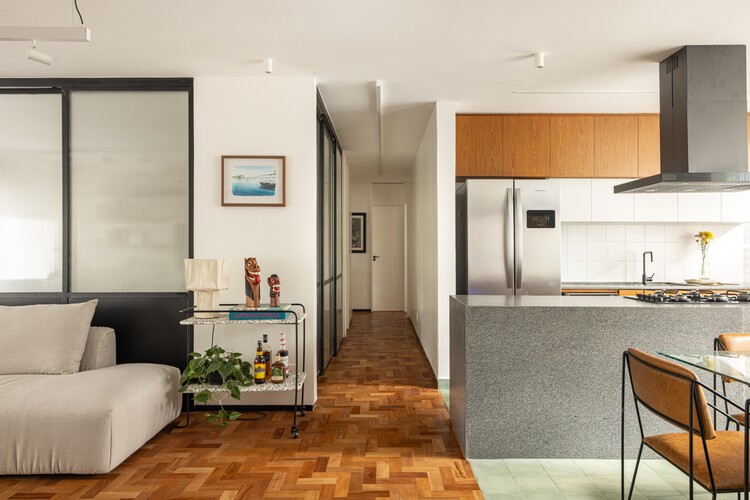
Three Brazilian projects have been chosen as the winners of the 2026 Obra do Ano Award by ArchDaily Brasil's readers. After three weeks of public voting, more than 700 projects were narrowed down to 15 finalists, concluding the process with three grand winners that represent the very best of Lusophone architecture.

Over the past two weeks, the ArchDaily Brasil community has nominated more than 14,000 projects, resulting in 15 finalists representing some of the most iconic architectural works published over the last year. Now in its 10th edition, the Obra do Ano Award recognizes the best of architecture in Portuguese-speaking countries, chosen by the readers themselves. The finalists offer a snapshot of the current state of architecture, spanning residential, urban, cultural, and other programs.
Representing Brazil and Portugal, the 15 projects reflect the needs of their specific contexts through creative solutions proposed by local architects. From interior renovations to large-scale urban interventions, and from single-family homes to community projects, the selection is diverse, yet united by a common thread: recognition from the public, who seek to see their own aspirations represented.