-
Architects: Natura Futura
- Year: 2017
-
Manufacturers: Alumt, Maderas Pedro, Marriott


The Avions Voisin C7 was manufactured between 1924 and 1928 and featured a groundbreaking design for the time. The extensive use of glass, aluminum bodywork, and sharp angles hinted at the shapes of an aircraft. This was the car that Le Corbusier liked to park in front of his buildings - the architect considered this car to be the ultimate translation of modern age and technology combined into a single object. He was convinced that architecture had much to learn from this machine.
With 3 gears and a 30-horsepower engine, it is hard to imagine anyone using this car today since the automobile industry has experienced countless innovations since that time. Corbusier's architecture, however, doesn't seem so outdated, but the cars pictured alongside the brand new buildings are actually what reveals how old the photograph is. Locating elements that can point out the time period of a photograph is very effective, especially in architecture. Some elements can make this task much easier, for example, household appliances, computer monitors, or other particular details.


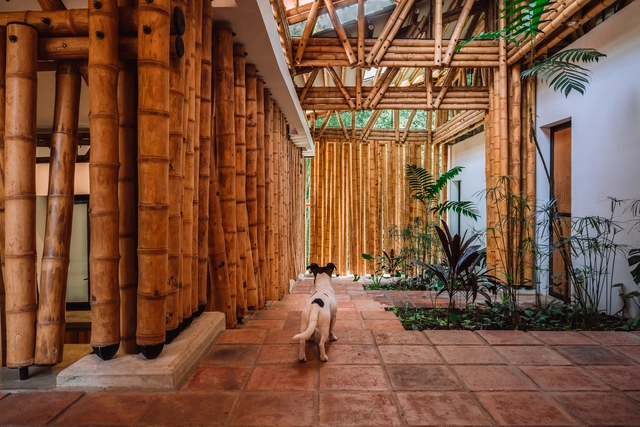
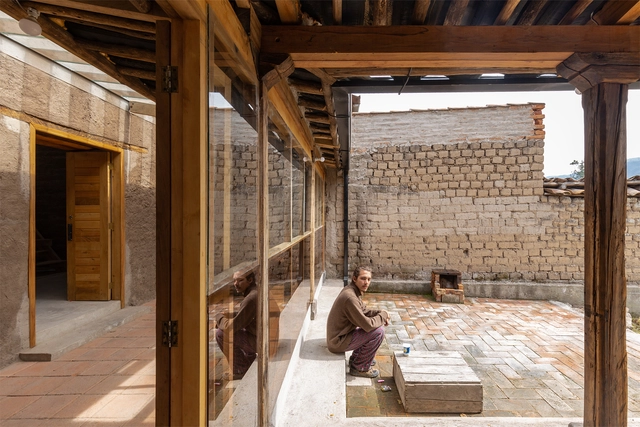
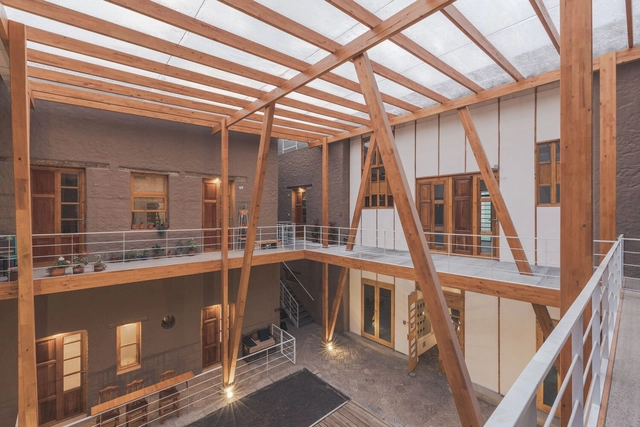
Patios and gardens play a crucial role in a project's planning and layout. In some instances, they serve as organizing elements while in others, they improve the quality of life in a space by providing light, ventilation, and a connection to the outdoors while maintaining the privacy of the inhabitants.

Whether you're looking for an upgrade or to replace broken pieces for floors or walls, tiles are always an effective and readily available option for any project that you have in mind. With their relatively low production cost, tiles are rarely reused or recycled and, if they are, it's usually for their original function.


In densely-populated cities, where construction projects tend to require party walls, the close proximity of other buildings complicate even further the process of creating spaces that incorporate elements like natural light and cross-ventilation. But this of course is not the only challenge: the ever-changing and multiplying nature of cities has given rise to atypical lots--properties that have been created by subdividing large swathes of urban land. In general, the reduced dimensions force developers to look for ways to maximize the limited space available to them.

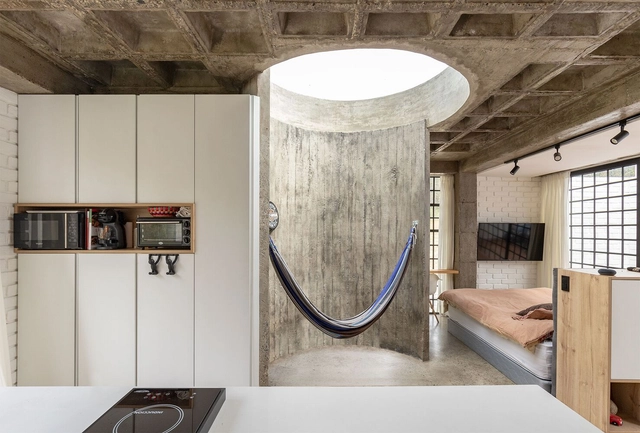
With its wide range of applications and cosmetic properties, concrete is having a moment in the world of architecture. Today, thanks to the ever-moving stream of innovation in concrete production and application, optimal results are now the norm rather than the exception. For architects and builders alike, concrete is an opportunity to explore and experiment with tones and textures, ensuring that there is something for every design and project.