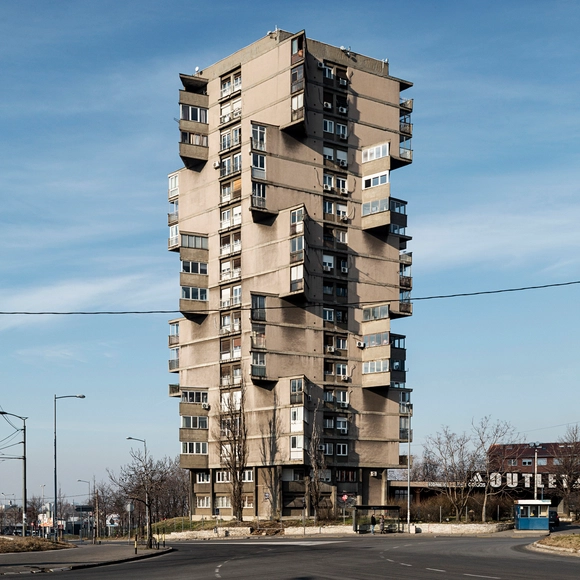
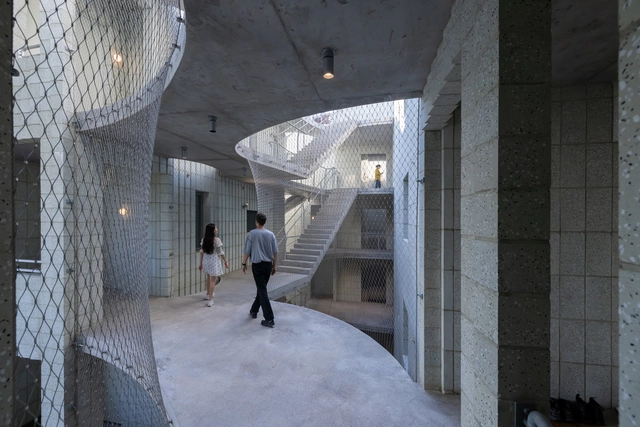
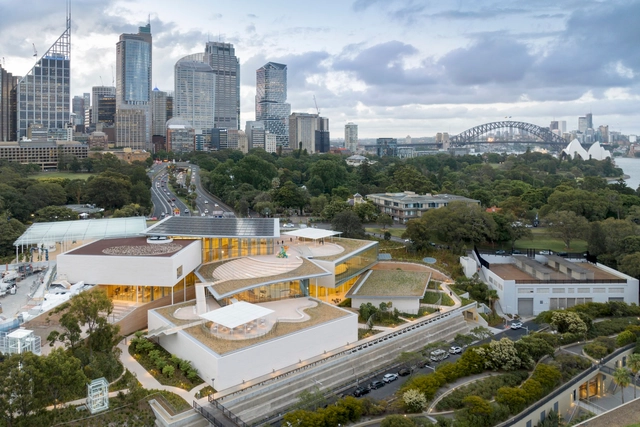
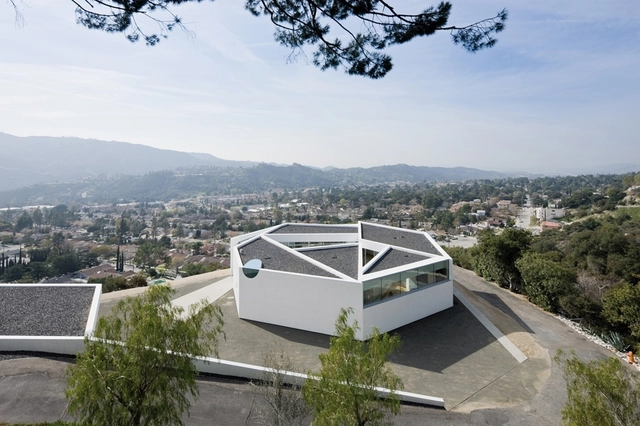
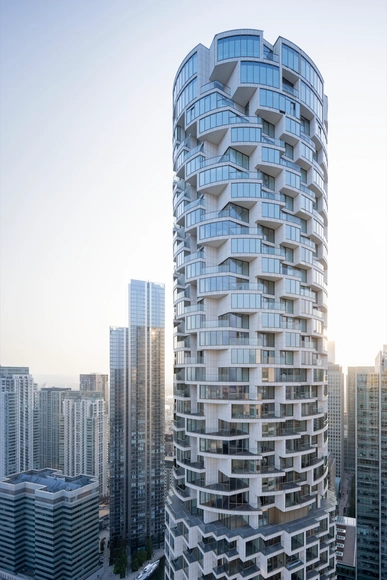
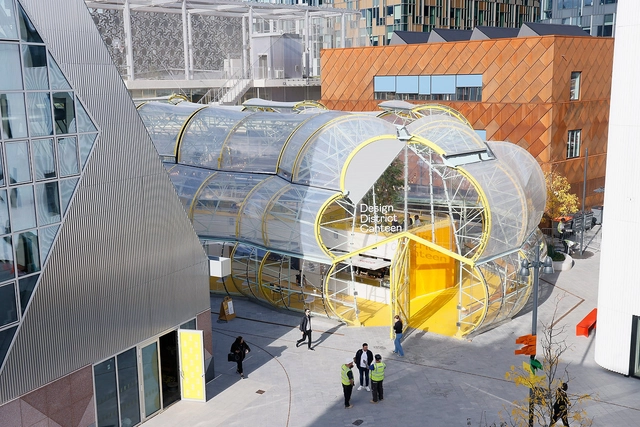
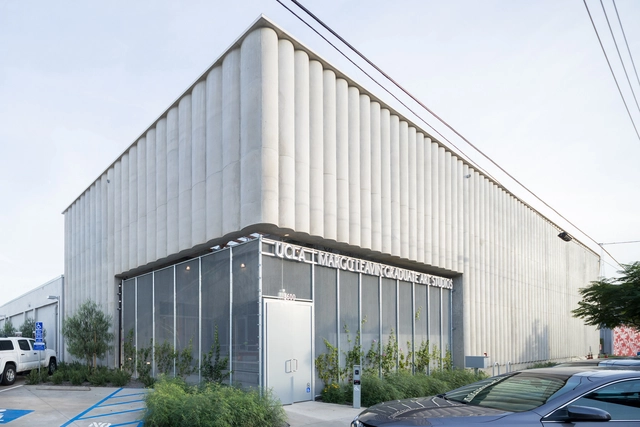
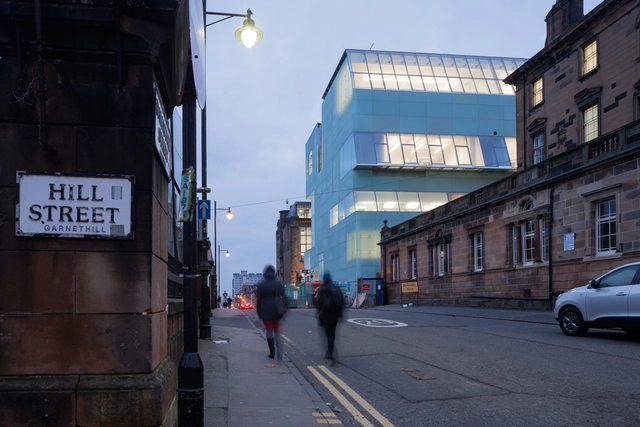
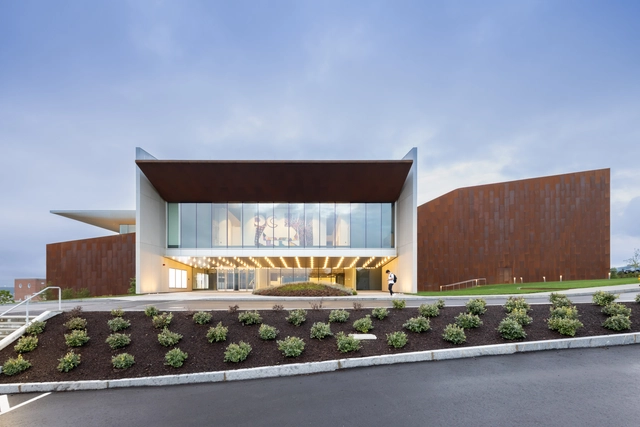
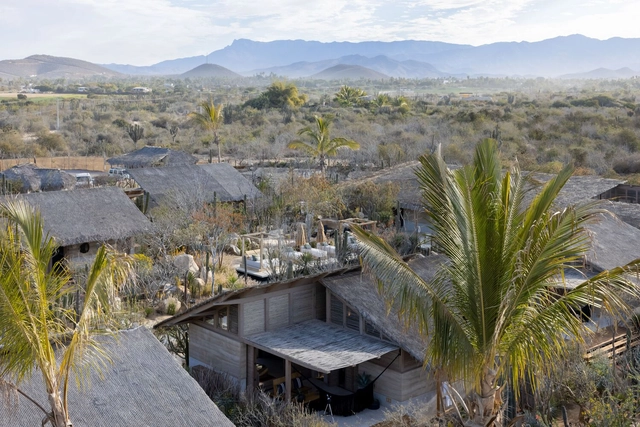
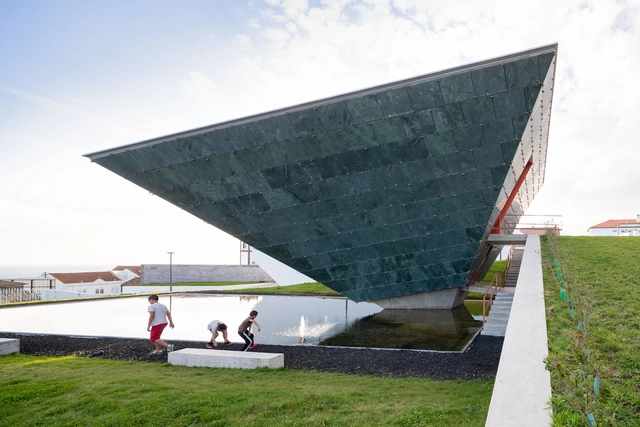
Sometimes sculptural and expressive, sometimes monolithic and monotonous, the Brutalist architectural style is equal parts diverse and divisive. From its origins as a by-product of the Modernism movement in the 1950s to today, Brutalist buildings, in architectural discourse, remain a popular point of discussion. A likely reason for this endurance is — with their raw concrete textures and dramatic shadows, brutalist buildings commonly photograph really well.
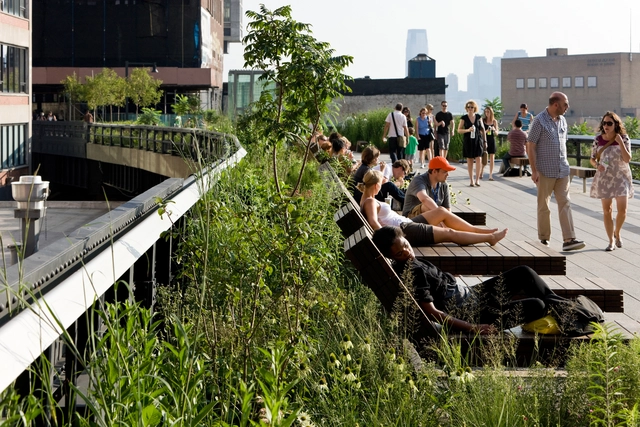
“How do we ensure new parks don’t cause ‘green gentrification,’ which can lead to the exclusion and displacement of underserved communities? How can we ensure we don’t displace the communities that new parks are meant to serve?,” asked Dede Petri, CEO of the Olmsted Network (formerly the National Association of Olmsted Parks), during an Olmsted 200 event.
New parks are meant to be accessible to everyone, but in many urban areas, developer-driven parks mostly attract wealthier Americans. Cities benefit from increased development adjacent to these new parks, bringing in higher tax revenues, but that raises questions about whether these spaces can, in effect, lead to community displacement.
https://www.archdaily.com/997686/new-strategies-for-preventing-green-gentrificationJared Green
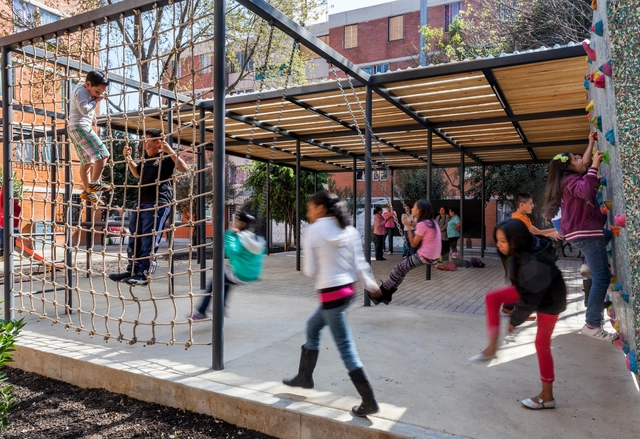
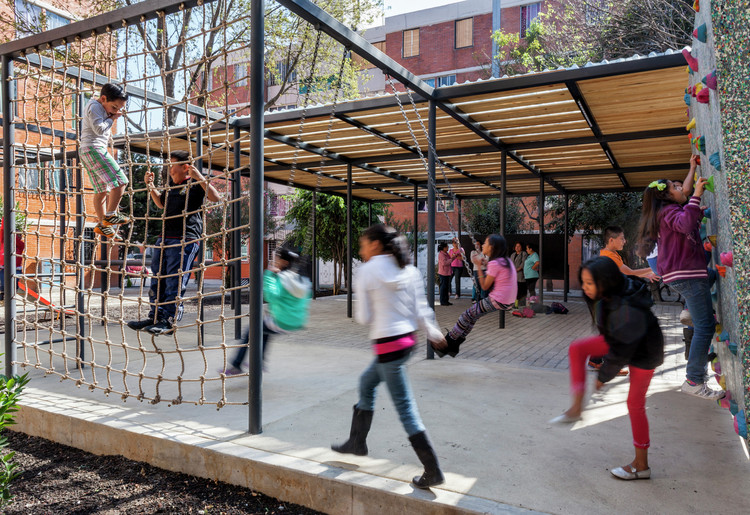
The International Placemaking Week, presented by Project for Public Spaces (PPS) is an inspiring and engaging event designed as a global gathering of placemakers from different sectors to discuss thoughts and share strategies in order to push forward the concept of placemaking in the host city and on an international level. Previous editions took place in Vancouver in 2016, Amsterdam in 2017, and Chattanooga, Tennessee in 2019.
PPS, the nonprofit organization behind Placemaking Week, helps people create and sustain public spaces that build strong communities. In 1999, they elaborated “How to turn a place around”, a book that defined the placemaking movement, creating a guideline of 11 principles to follow in order to create vibrant community spaces.
During the first half of the 2nd century AD, one of the most important buildings in the history of Western architecture was erected in Rome: the Pantheon. Its main and most impressive feature is its coffered concrete dome, which ends in a perfectly round central opening. This oculus kicked off a series of later projects that noted the value of circular openings, which were replicated as glazed skylights and as compositional elements on facades. This eventually evolved, for example, into the detailed and colorful rose windows of the Gothic basilicas. In all its configurations, the oculus (meaning "eye" in Latin) holds symbolism that goes beyond that of a traditional window: its luminous projection gracefully marks the passage of time, solemnly highlighting an architectural space.
Through shapes, colors, and the elements on their facades, many architects have sought to bring a sense of movement to works that are otherwise physically static. Santiago Calatrava, Jean Nouvel, and Frank Gehry are only a few of the masters who managed to provide a dynamic effect to motionless structures, highlighting the work in context using formal strategies borrowed from the plastic arts. In other cases, however, architects have also opted for physically kinetic structures that could bring a unique aesthetic or functional dimension to the work.
Plataforma de Mergulho ICEBERG / Bulot+Collins. Image Cortesia de Bulot+Collins
The aquatic environment has always fascinated dreamers and researchers. Around 1960, in the midst of the fierce space race of the Cold War, French explorer Jacques Cousteau developed equipment such as the Aqualung to unravel the depths of the sea, which remained as unexplored as outer space itself. He even stated that in 10 years we could occupy the seabed as “aquanauts” or “oceanautas,” where it would be possible to spend long periods extracting mineral resources and even growing food. Sixty years later, the seabed is still reserved for few, and mankind has been more concerned with plastic in the oceans and rising sea levels than colonizing the ocean floor. But being close to a body of water continues to attract most people. Whether out of interest or in response to risks of flooding and over-population, some have turned to utopian proposals and floating architecture, examples of which have been featured in the ArchDaily project archive. But what are the fundamental differences between building houses on land versus on water, and how do these buildings remain on the surface rather than sinking?
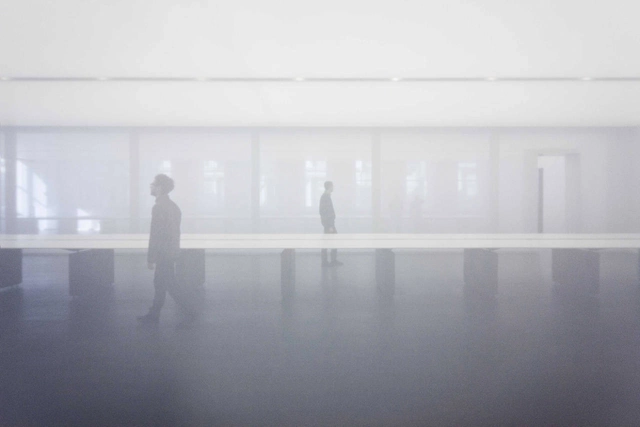
In the heyday of high modernism, architects such as Le Corbusier and Mies van der Rohe extolled the aesthetic value of whiteness, which they viewed as connoting purity and simplicity. Mies van der Rohe’s Farnsworth House, for example, paired the stripped-down whiteness of its structural skeleton with expansive floor-to-ceiling windows, using the enveloping natural light to further elevate the already heavenly aspirations of the space. Today, some contemporary architects and designers have evolved the sublime aesthetics of white high modern architecture by using translucent fabric partitions, complementing the purity of the white walls with the fabrics’ ethereal play of light and shadow. Below, we discuss different design strategies for working with white fabrics in this way, and include two examples of projects that have used translucent fabrics in soothing but innovative ways.
https://www.archdaily.com/957021/white-atmospheres-how-to-create-calm-spaces-with-fabric-partitionsLilly Cao
Los Angeles is a city of dreams. Known across the United States and the world, L.A. embodies both freedom and experimentation, defined as much by its freeways as its diversity. It is also a city of houses. Single-family homes cover almost half of Los Angeles, and as the city continues to evolve, architects have explored new ideas on modernity and daily life through the single-family typology.
Around 10 million people live in L.A. County, and Los Angeles itself has become one of the world's most ethnically diverse cities. The built environment reflects the nature of its residents, home to some of the most iconic residential and cultural architecture in the world. Los Angeles has its own dose of Lautner, Schindler, Wright, and Neutra. It's a city that has long embodied multiplicity and progressive forms, from the Eames House and Gehry's Residence to the iconic Stahl House. Through the lens of photographer Julius Shulman, many homes came to represent not only new residential styles but also the postwar culture of Southern California.