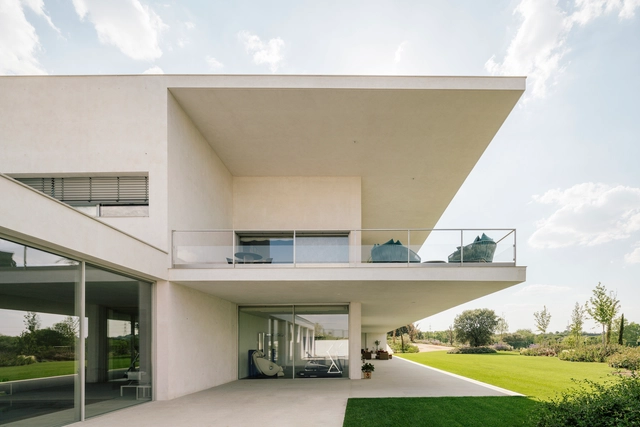
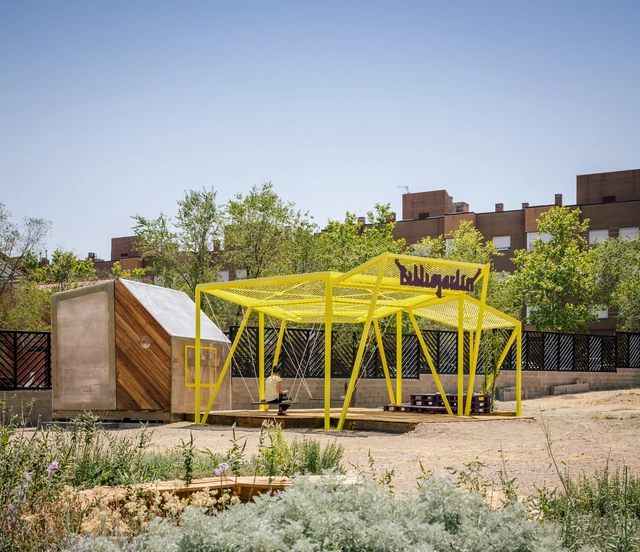
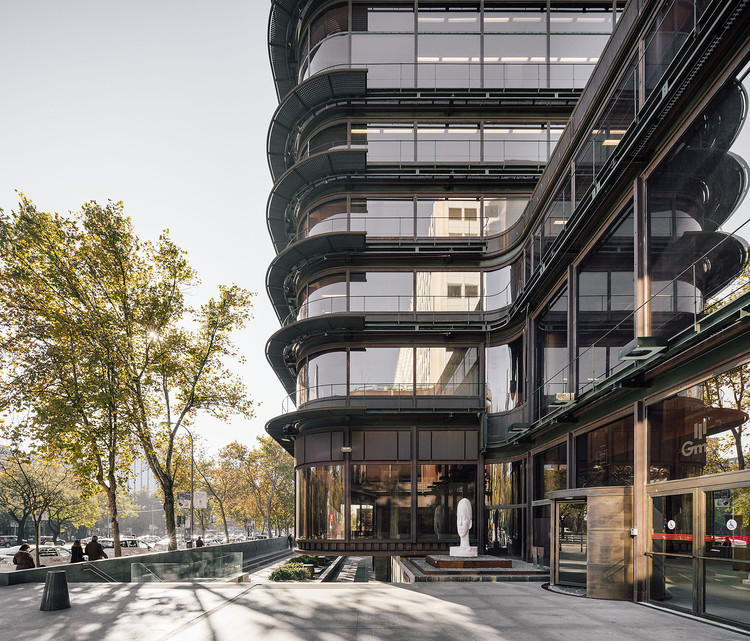
You have only to look at Miguel De Guzmán and Rocío Romero's portfolio to know that the duo have succeeded in capturing a wide array of panoramas and sharing the ideas attached to them. Through their Madrid and New York based photography and film studio, Imagen Subliminal, document the latest happenings in the world of architecture in an effort to give their audience a taste of the energy and creativity that drives it.
We sat down with the duo in honor World Photography Day, where they shared how their work has changed through the years and photography's contemporary and future role in architecture.
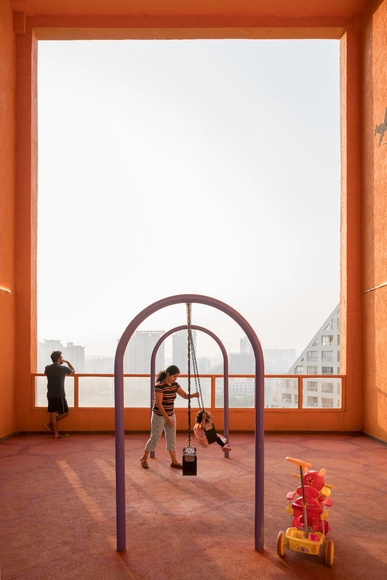
Density has long been an essential consideration for architects and urban planners, yet its importance has only increased as the world’s urban population skyrockets and cities become denser and denser. For much of the history of urban planning, this term has been plagued with negative associations: overcrowding, poverty, lack of safety, and so-called ‘slums.’ The garden city movement, initiated by Ebenezer Howard in 1898, sought to remedy these ills by advocating for greenbelts and anti-density planning. Le Corbusier’s Radiant City is one of the most well-known urban plans building from these ideals. Yet in the 1960’s, sociologist Jane Jacobs famously overturned these long influential urban planning concepts: she pointed out that density of buildings was not identical to overcrowding of people; suggested that some highly dense urban areas, like her neighborhood in Greenwich Village, were safer and more attractive than nearby garden city projects; and highlighted how America’s conception of ‘slums’ were often rooted in anti-immigrant and anti-Black ideologies. Density is not inherently bad, she suggested, but it has to be done well. Today, we continue to grapple with the question of how to design for our increasingly dense cities – how do we keep them open, but simultaneously private? Free, but controlled when necessary? In particular, how do we keep them safe – both from crime and, in the age of COVID-19, disease?
https://www.archdaily.com/945415/the-evolution-of-shared-space-privacy-versus-openness-in-an-increasingly-dense-architectureLilly Cao
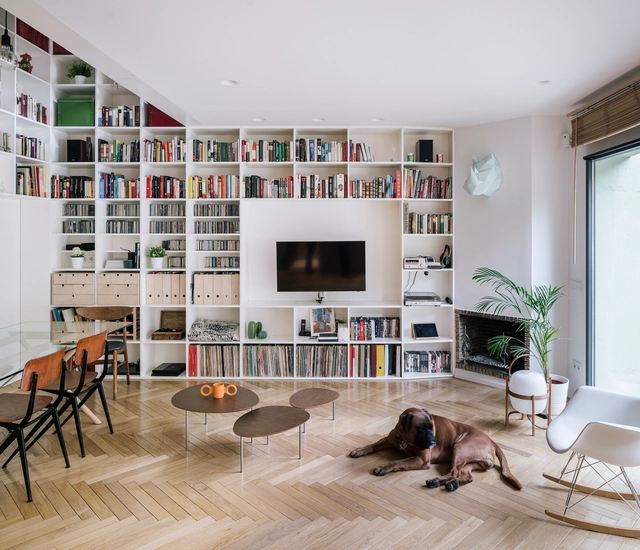
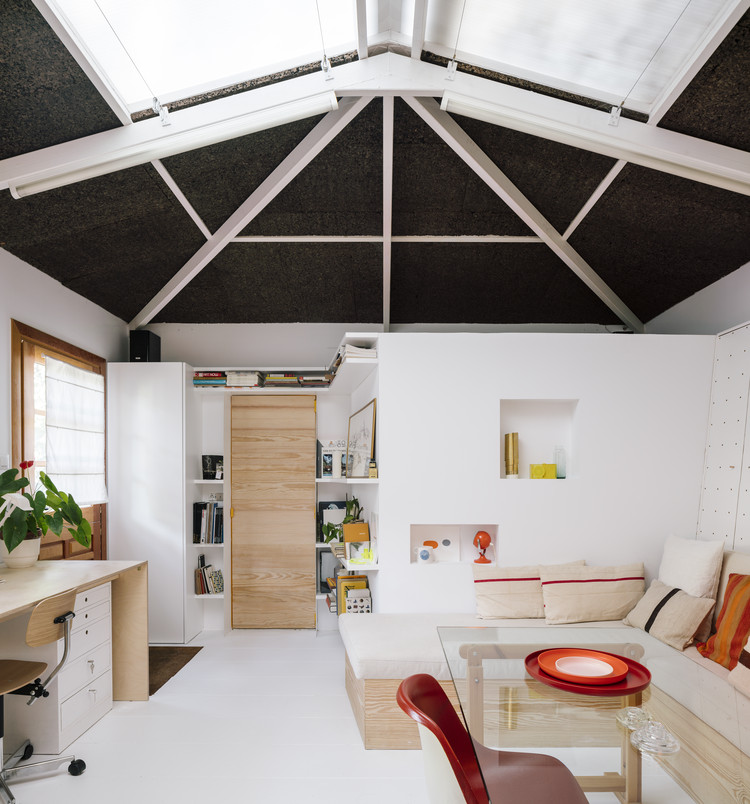
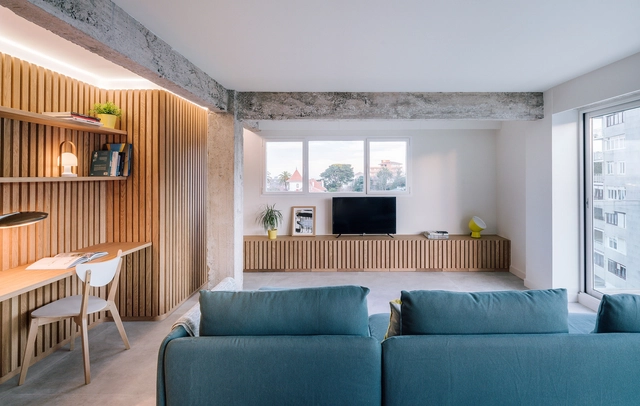
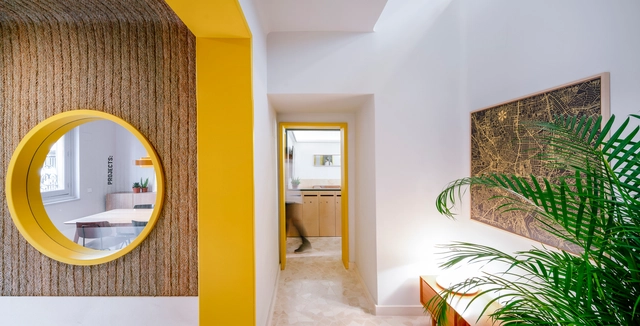
The history etched into Spain's wooden houses has many lessons to teach us about the role of wood in creating everything from light-weight and mobile modular homes to interior and exterior finishes. What's more, these lessons are not limited to new constructions. They apply to everything from furniture to remodels.








.jpg?1582202876&format=webp&width=230&height=230&crop=true)
.jpg?1582203508&format=webp&width=230&height=230&crop=true)
.jpg?1582204302&format=webp&width=230&height=230&crop=true)
.jpg?1582203561&format=webp&width=230&height=230&crop=true)















.jpg?1569816938)
.jpg?1569817171&format=webp&width=230&height=230&crop=true)
.jpg?1569818669&format=webp&width=230&height=230&crop=true)
.jpg?1569816938&format=webp&width=230&height=230&crop=true)
.jpg?1569817547&format=webp&width=230&height=230&crop=true)
.jpg?1569816756)