


-
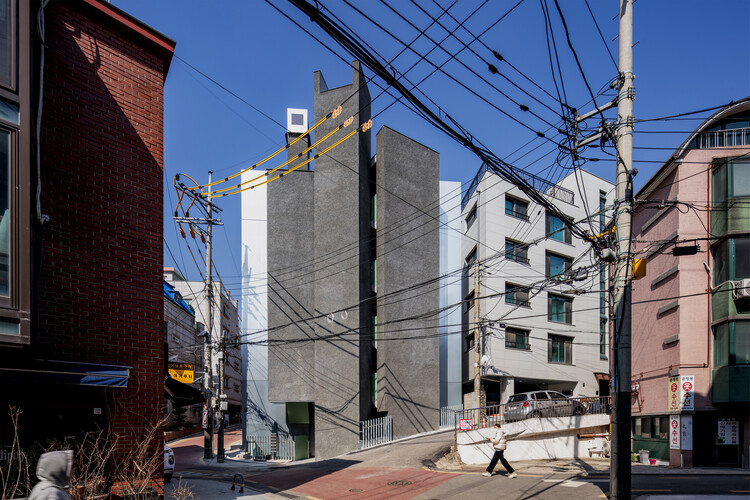
Architects: aoa architects
- Area: 494 m²
- Year: 2026

Since the 2008 crash, a scatter of small practices (none more than fifteen years old and none large enough to need a manifesto in the traditional sense) have arrived, independently of one another, at some version of the same refusal: to sound too certain, too soon, in a discipline that had spent the previous decade selling confidence as a finish. They would probably resist being filed under one heading, but the coincidence itself is that something about practising architecture after 2008 made innocence look like the only posture worth trying.
At least from 2019 onwards, Fala has circulated a two-word description of itself, repeated verbatim across dozens of architecture outlets: a "naïve architecture practice." No footnote, no irony, just an office, founded in 2013, that built a decade of houses, birdhouses and institutional commissions on a term architecture had spent a century trying to outgrow. The question the phrase raises is not whether the buildings are any good (as they generally are) but what it means for a practice to choose innocence as a public position. Where does post-irony end and marketing begin?

In a slim volume with a yellow-edged cover, recently published by the Porto-based imprint Circo de Ideias, the architect Paulo Martins Barata (a founding partner of Promontório) makes a deceptively bold claim that the architecture produced in Europe since the Great Recession belongs to neither of the two camps that structured the twentieth century's fiercest disciplinary debate.
The Language of Metamodern Architecture borrows its title, with evident irony, from Charles Jencks' 1977 The Language of Post-Modern Architecture, the book that famously declared modern architecture dead at 3:32 pm on July 15, 1972, with the demolition of Pruitt-Igoe. His wager is that another death, never officially certified, occurred somewhere around 2008, and that architecture has been living, mostly unaware, in what grew up around the grave.
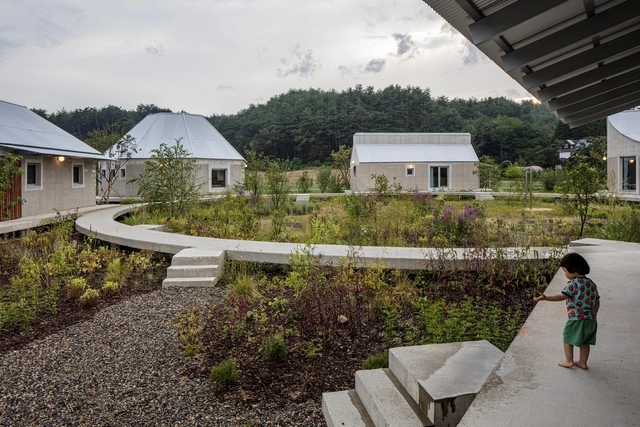
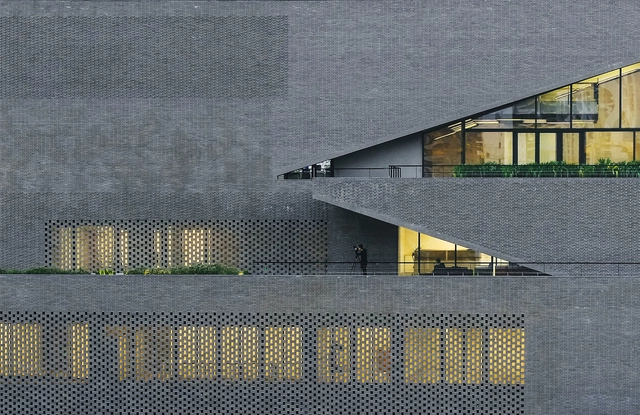
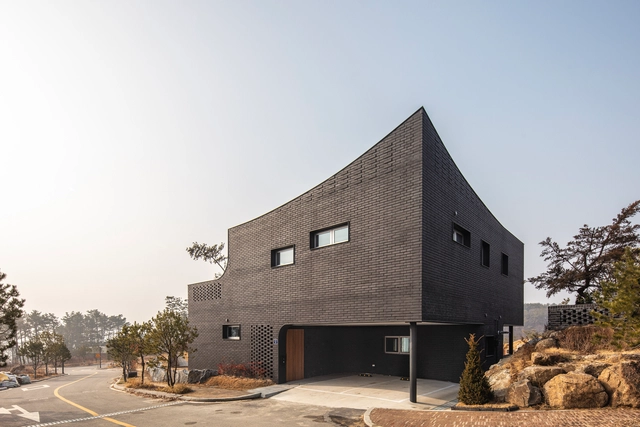
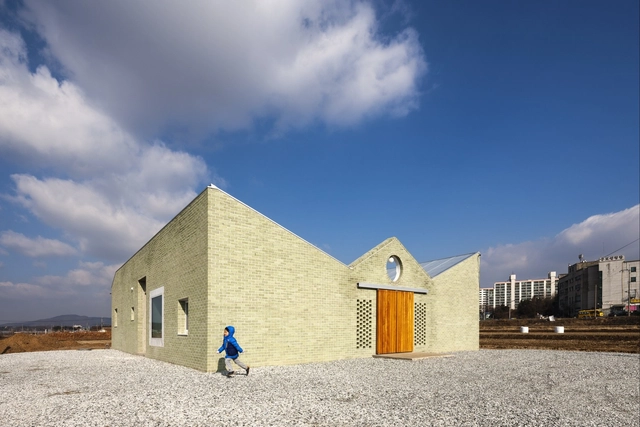
Pink Floyd's song “Another brick in the wall” criticizes an alienating and demotivating educational system. People, or children, are portrayed as bricks due to their homogeneity, whether in the way of living or thinking in a society that is not very fond of opposition. Bricks work very well in this comparison, having changed very little throughout history and around the world in their rectangular shapes. But that's not true of their colors. Although we tend to think of red when we talk about bricks, there are infinite possibilities of shades, depending on the composition and manufacturing process of the pieces.


.jpg?1577933981)










.jpg?1587588774&format=webp&width=230&height=230&crop=true)
.jpg?1587588745&format=webp&width=230&height=230&crop=true)
.jpg?1587588602&format=webp&width=230&height=230&crop=true)
.jpg?1587588713&format=webp&width=230&height=230&crop=true)


_copy.jpg?1577935320)
.jpg?1577761193&format=webp&width=230&height=230&crop=true)


.jpg?1539216380&format=webp&width=230&height=230&crop=true)
.jpg?1539216200&format=webp&width=230&height=230&crop=true)
.jpg?1539215847&format=webp&width=230&height=230&crop=true)
.jpg?1539216140&format=webp&width=230&height=230&crop=true)


.jpg?1533604807&format=webp&width=230&height=230&crop=true)


