-
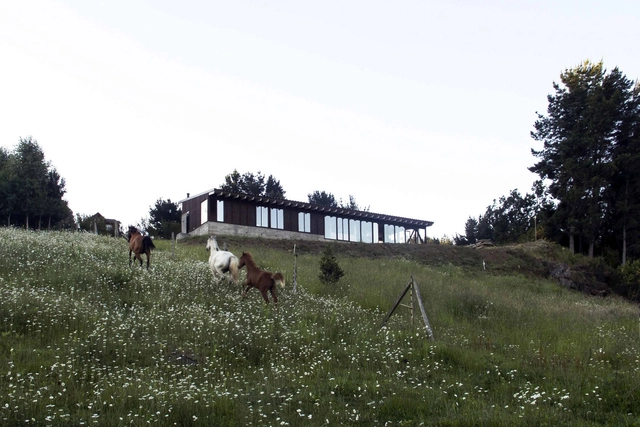
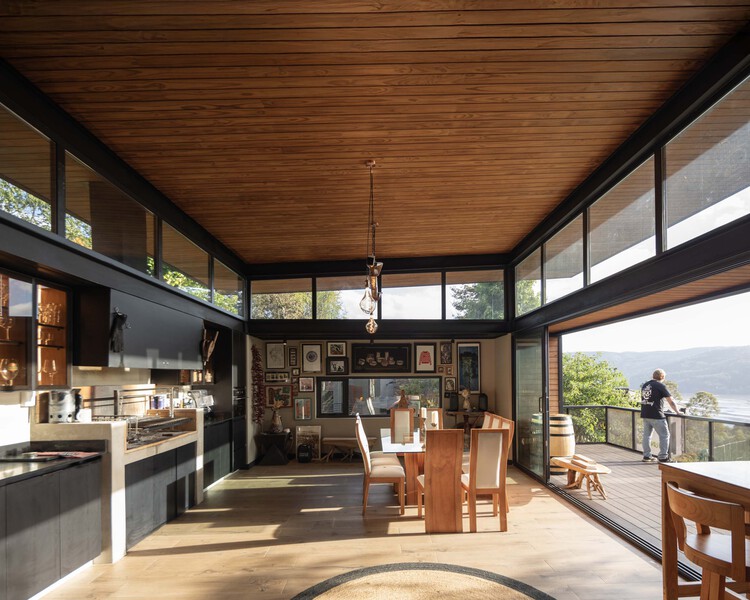
Architects: Alvarez Railton Arquitectura
- Area: 72 m²
- Year: 2026
-
Manufacturers: Topwood, Medestuk
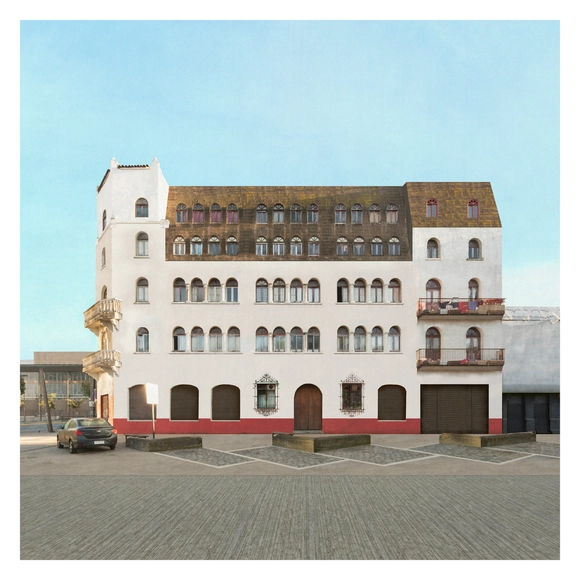
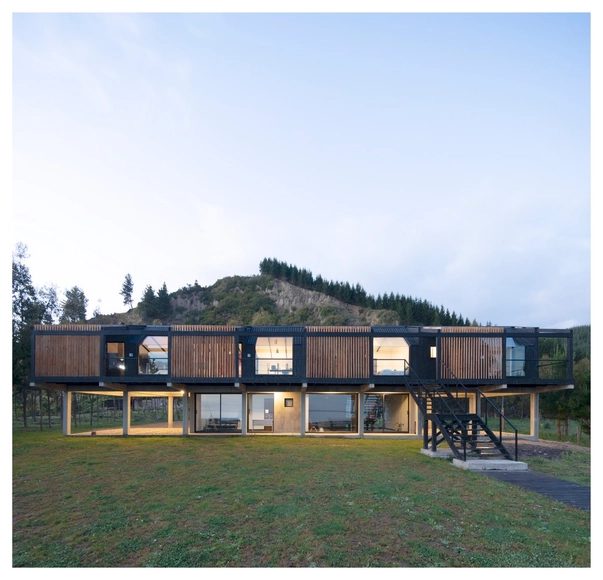
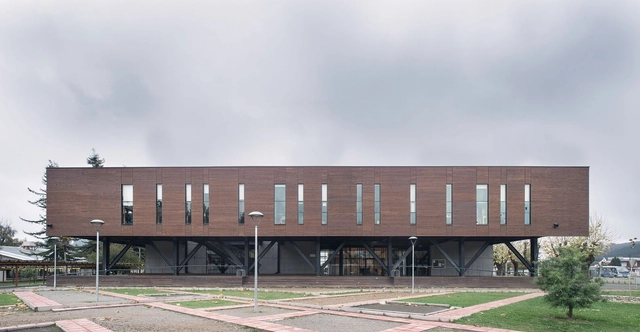
The images in this exhibition seek to create a space for reflection on a condition that can be extrapolated to the current state of the city of Concepción, Chile. They offer a simultaneous view of architectural works related by technique, scale, or construction period, capturing the distinctive identity that defined the city over the last 100 years—one that is currently threatened by an urban renewal process far removed from the motivations that gave rise to its heritage legacy.
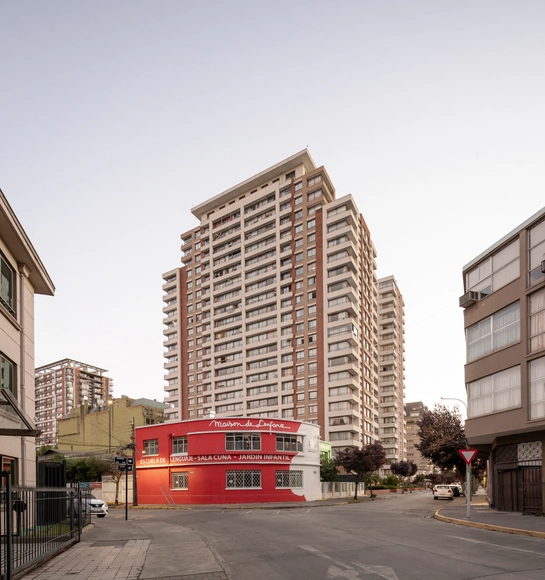
Ultimately, after a lengthy process, the 15th modification to Concepción's local regulatory plan has finally been enacted (1). In practice, this regulates the maximum allowable construction height within the municipality, ending two decades of mimicking the high-rise real estate model dominant in Santiago.
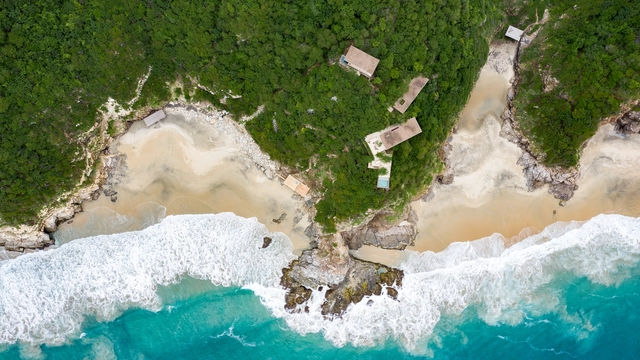
Is there only one way to inhabit the coast? The Pacific coast, the largest ocean on earth, is a vast territory with a great diversity of temperature, winds, and topography, among others. Consequently, it has a great variety of ecosystems, ranging from the freezing point near the poles, vast deserts and forests, to the hot tropical rainforest. Such majestic diversity is no stranger to architecture, responding to the different contexts in which it is placed. As a result, there is a great variety of architectural works, all of which share in framing the views of the sea.
The following list shows 30 residential projects along the Latin American Pacific coastline, revealing the diverse architectural approaches that exist along the coast.
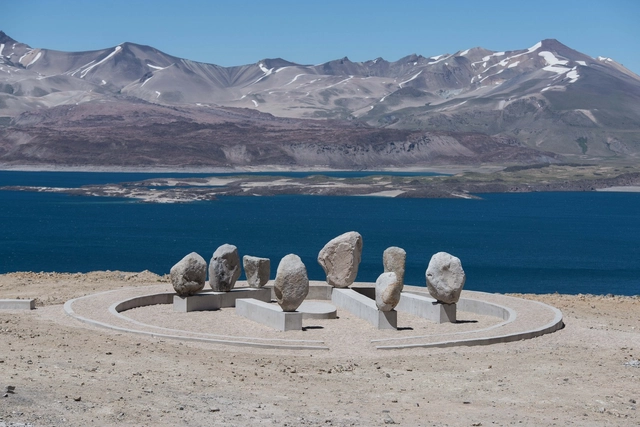
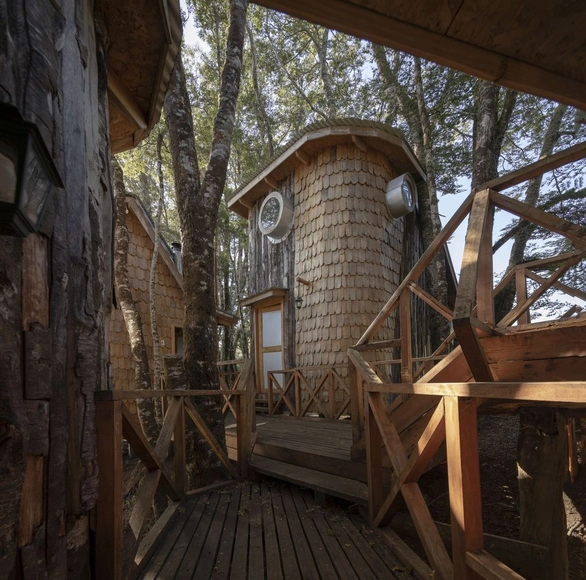
A project for the Commemorative Landmark Pehuenche Commission carried out by the recently graduated Chilean architect Antonia Ossa, is part of the series of small-scale interventions built in the Andean sector of the Maule Region, Chile, as part of the certification process of the School of Architecture of the University of Talca.
.jpg?1634086433&format=webp&width=640&height=580)
Within the Andes Mountains, the San Pedro Hot Springs is a place to press pause and contemplate, which interrupts a transnational highway between Chile and Argentina. Although these natural pools became a public landmark within the route, they eventually fell over time into a state of abandonment and deterioration as a result of the constant seismic movements in the region.
In response to this situation, Chilean architect Pia Montero sought to highlight the baths for her built-project thesis at the University of Talca in order to consolidate it as a landmark of tourist potential and symbol of the territorial identity of the Maule Region. Moreover, the project is a wake-up call to rediscover and rescue the value of the natural and cultural heritage of the area from the gradual abandonment into which it fell over the years.
.jpg?1567094544&format=webp&width=640&height=580)


.jpg?1634086531 "© Edgard Torres")
.jpg?1634086419 "© Edgard Torres")
.jpg?1634086290 "© Gustavo Burgos")
.jpg?1634086433)


.jpg?1567094544)