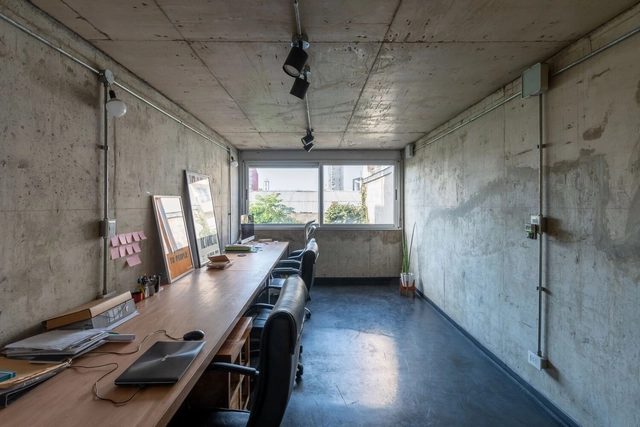
Pipes, wiring and ducts of different materials in walls, ceilings and roofs make up all the spaces we walk through and inhabit. They represent the set of networks and equipment necessary for the development of life in our buildings, providing services such as water, electricity or gas, among many others. According to the regulations in each country and the use defined in each space, the installations can be left visible, giving a certain character and aesthetic to interior spaces.
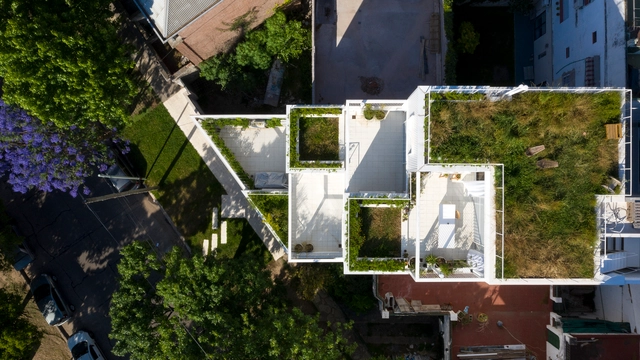
Over the last couple of years, terraces have become an important part of urban life, acting as a refuge, a space for enjoyment and gathering, for contemplation or as an outdoor workspace. As a result of periods of confinement around the beginning of the Covid-19 pandemic, these outdoor spaces where people can exercise, connect with nature, study or work, have become particularly popular with those living in large cities.
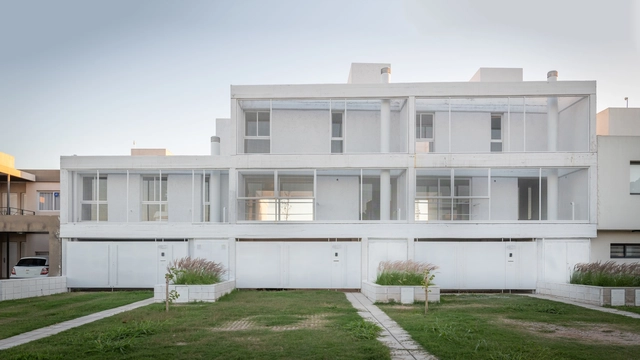
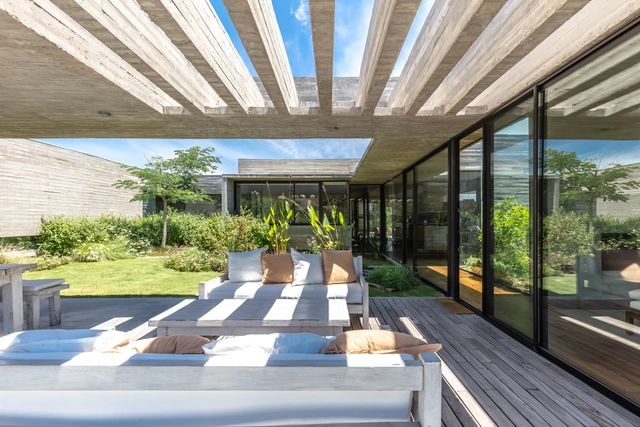
Argentina is positioned in the extreme south and southwest of South America and given its extension, it has a multiplicity of climates and differences in the incidence of sunlight. These conditions led many architecture professionals to think about pergolas to generate transitional spaces between the interior and exterior of the homes that allow meeting the needs of its inhabitants by creating shaded, meeting and resting spaces in the open air.