Gianluca Stefani

BROWSE ALL FROM THIS PHOTOGRAPHER HERE
↓

20 Practices Expanding Architecture’s Agency: Winners of the ArchDaily 2026 Next Practices Awards

Audio available

ArchDaily is proud to announce the winners of the 2026 Next Practices Awards, recognizing 20 emerging and forward-thinking practices expanding the possibilities of architecture today.

Now in its sixth edition, Next Practices continues to look beyond conventional definitions of the profession to identify the people, ideas, and methodologies driving the discipline. The 2026 edition is our strongest and most globally representative to date, bringing together different approaches, scales, and contexts that broaden our understanding of how and by whom architecture is being practiced.

From extreme climates to rural communities, informal cities, and territories affected by displacement and environmental vulnerability, this year's selection engages with a wide range of realities. Drawing from engineering, ecology, digital fabrication, material research, vernacular and Indigenous knowledge, advocacy, and critical research, these practices reflect what is "next": the capacity to respond to specific conditions and actively shape the world around them.
Community Growth Through Architecture: Maximizing Limited Resources for Positive Impact

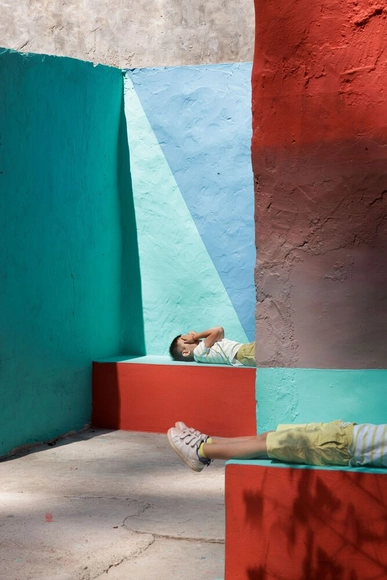
Limited resources are becoming an increasingly common challenge in architecture. Today, regardless of the region, projects are affected by the availability of resources, which are now compounded by environmental considerations. This situation, far from being restrictive, prompts us to explore new possibilities in how we conceive the built environment. In this context, it is crucial to understand that resources are not only limited to the economy but also include technological, material, and spatial aspects. Thus, we can enhance our creativity and efficiency by broadening our considerations when approaching architectural design and its challenges, doing more with less.
At the community level, the challenge becomes even more significant when we consider that our projects must not only be designed to overcome these "constraints," but also to positively impact their communities. Therefore, contemporary projects must present different strategies to overcome limited resources and materials depending on the context, always aiming to achieve a positive impact and become powerful and ingenious proposals while democratizing access to architecture.

How Do You Design for Informality?

Subscriber Access | 

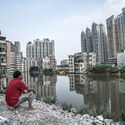
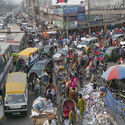
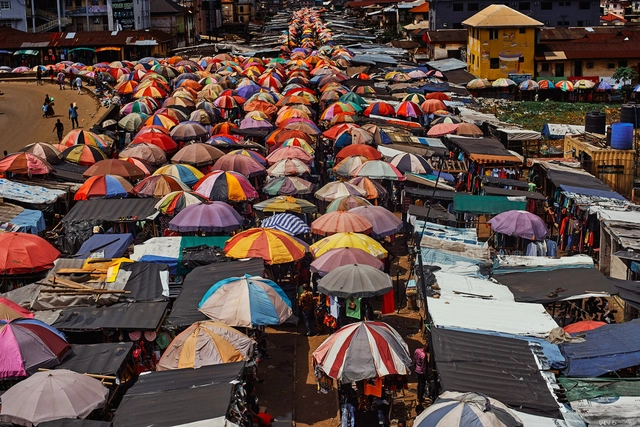
Informal architecture is the dominant mode of urbanization in rapidly growing and industrializing cities worldwide. In Delhi, the city with the largest population in India has half of its residents living in informal settlements. Lagos, with a population of over 22 million, also has 60% of its residents living in informal settlements. This pattern is also observed in Cairo, Johannesburg, Kinshasa, and other cities in the global south that face similar challenges of inequality and housing shortages. As their population grows and urbanization progresses, the exploration of informal architecture schemes to address the demand for affordable housing and basic services will only increase. While the primary purpose of design is to provide structure, lessons from informal architecture offer insights into how architects can respond to such schemes.

How Do You Design for Informality? - Image 1 of 4How Do You Design for Informality? - Image 2 of 4How Do You Design for Informality? - Image 3 of 4How Do You Design for Informality? - Image 4 of 4How Do You Design for Informality? - More Images+ 3

From Tiny Squares to Urban Parks: 100 Public Spaces From All Around the World

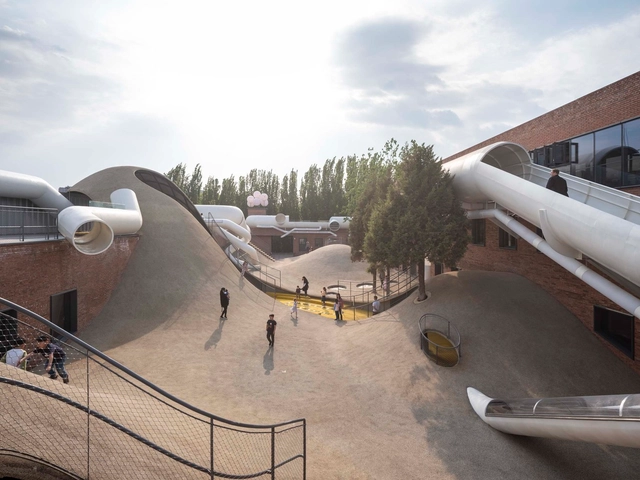
From Tiny Squares to Urban Parks: 100 Public Spaces From All Around the World - Image 111 of 4
© DuoCai Photograph

The key to successfully designing or recovering public spaces is to achieve a series of ingredients that enhance their use as meeting places. Regardless of their scale, some important tips are designing for people's needs, the human scale, a mix of uses, multifunctionality and flexibility, comfort and safety, and integration to the urban fabric.

To give you some ideas on how to design urban furniture, bus stops, lookouts, bridges, playgrounds, squares, sports spaces, small parks, and urban parks, check out these 100 notable public spaces.

11 Rules to Follow When Creating Vibrant Public Spaces

The International Placemaking Week, presented by Project for Public Spaces (PPS) is an inspiring and engaging event designed as a global gathering of placemakers from different sectors to discuss thoughts and share strategies in order to push forward the concept of placemaking in the host city and on an international level. Previous editions took place in Vancouver in 2016, Amsterdam in 2017, and Chattanooga, Tennessee in 2019.

PPS, the nonprofit organization behind Placemaking Week, helps people create and sustain public spaces that build strong communities. In 1999, they elaborated “How to turn a place around”, a book that defined the placemaking movement, creating a guideline of 11 principles to follow in order to create vibrant community spaces.

11 Rules to Follow When Creating Vibrant Public Spaces - More Images+ 14

What Is Co-Creation in Architecture and Urban Planning?

Subscriber Access | 

In recent years, the term “co-creation,” a buzzword in the business and management sector, has made its way into the architecture and urban planning discourse. The term is used to define a large concept that describes working intentionally with others to create something jointly. But architecture is already the result of a collaboration between multiple actors, architects, clients, investors, developers, and local administration, to name a few. Can the term still apply to this field, can it bring forth new forms of knowledge, and does it differ from the concept of participatory design?

What Is Co-Creation in Architecture and Urban Planning? - More Images+ 5

World Population Milestone: Global Community Reaches 8 Billion People

According to the World Population Clock, the human population reached 8 billion on November 15th. According to the UN, this milestone represents a celebration of human longevity due to improvements in public health and medicine, but it also comes with warnings about inequality, limited access to food and resources, and environmental damage. Despite the impressive number, the annual World Population Prospect report shows that the global population is growing at the slowest rate since 1950, and it predicts a continued deceleration in the second half of this century.

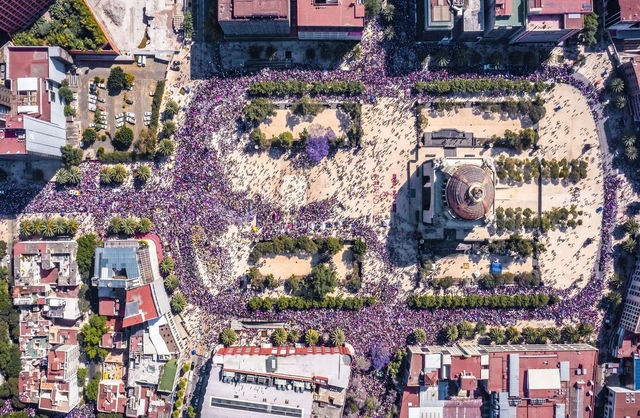
As more than half of the world population lives in cities, an estimated 55.7%, according to UN-Habitat’s latest reports, the urban challenges are growing exponentially. The UN expects this number to increase to 68% by 2050, with close to 90% of this increase taking place in Asia and Africa. Accelerated urbanization can pose significant risks, such as increasing inequality, poverty, sectorized development, social exclusion, and pollution. In this context, a well-balanced urban agenda becomes crucially important in achieving inclusive, safe, and sustainable cities.

World Population Milestone: Global Community Reaches 8 Billion People - More Images+ 6

Are Our Cities Built for the Youth?

Cities we live in today have been built on principles designed decades ago, with prospects of ensuring that they are habitable by everyone. Throughout history, cities have been catalysts of economic growth, serving as focal points for businesses and migration. However, in the last decade, particularly during the last couple of years, the world has  witnessed drastic reconfigurations in the way societies work, live, and commute.

Today’s urban fabric highlights two demographic patterns: rapid urbanization and large youth populations. Cities, although growing in scale, have in fact become younger, with nearly four billion of the world’s population under the age of 30 living in urban areas, and by 2030, UN-Habitat expects 60% of urban populations to be under the age of 18. So when it comes to urban planning and the future of cities, it is evident that the youth should be part of the conversation.

Are Our Cities Built for the Youth? - More Images+ 9

Small Contemporary Plazas: 9 Spaces for Gathering and Socializing

Subscriber Access | 

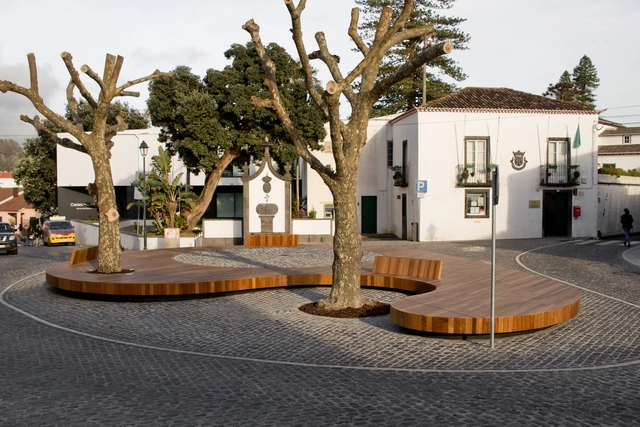
Squares are open spaces within the urban fabric, defined by buildings or streets, that facilitate a variety of gatherings and social and cultural activities. Whether intentionally planned or remnants of the urban layout, squares are fundamental to the life and culture of the community, and they proved even more vital following the COVID-19 pandemic. Here, we present nine small-scale squares that demonstrate the diverse uses and functions these spaces can assume in contemporary cities.

Small Contemporary Plazas: 9 Spaces for Gathering and Socializing - More Images+ 13

World Architecture Day: Designing for the Future of the Human Habitat

Subscriber Access | 

World Architecture Day, celebrated on the first Monday of every October, was set up by the Union International des Architects (UIA) back in 2005 to “remind the world of its collective responsibility for the future of the human habitat”, coinciding with UN-Habitat's World Habitat Day.

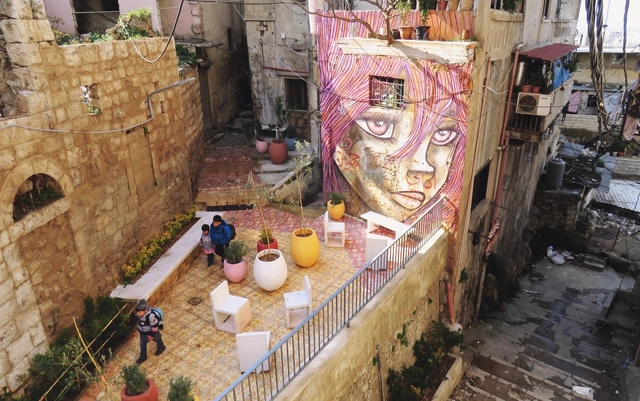
Charaani Public Stairs / Emergent Vernacular Architecture (EVA Studio)

Charaani Public Stairs / Emergent Vernacular Architecture (EVA Studio) - More Images+ 11

11 Steps to Achieve Quality Public Spaces at a Neighborhood Level: UN-Habitat's Guideline

Subscriber Access | 

The Un-Habitat or the United Nations agency for human settlements and sustainable urban development, whose primary focus is to deal with the challenges of rapid urbanization, has been developing innovative approaches in the urban design field, centered on the active participation of the community. ArchDaily has teamed up with UN-Habitat to bring you weekly news, article, and interviews that highlight this work, with content straight from the source, developed by our editors.

“People all over the world are increasingly demanding a say in the way that their cities are planned and designed”.For our third collaboration, discover UN-HABITAT’s guideline on achieving quality public spaces, a site-specific assessment consisting of a series of activities and tools that help understand the quality of the selected area and plan future design and planning solutions on the site through participatory approaches. Focusing on open public space, within a five minutes walking distance, the guide helps users gather and analyze information, creating a logical transition from needs to design.

11 Steps to Achieve Quality Public Spaces at a Neighborhood Level: UN-Habitat's Guideline - More Images+ 9

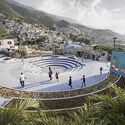
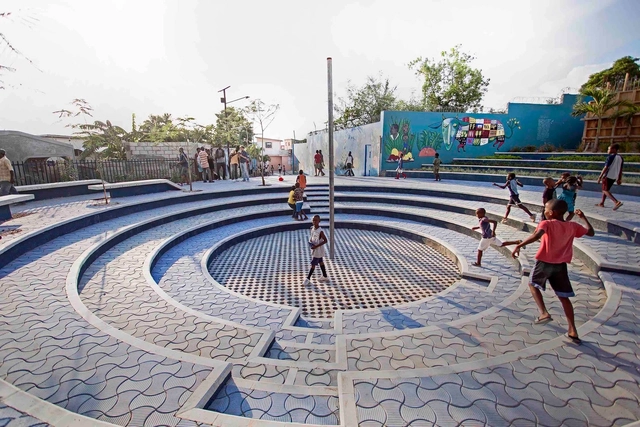
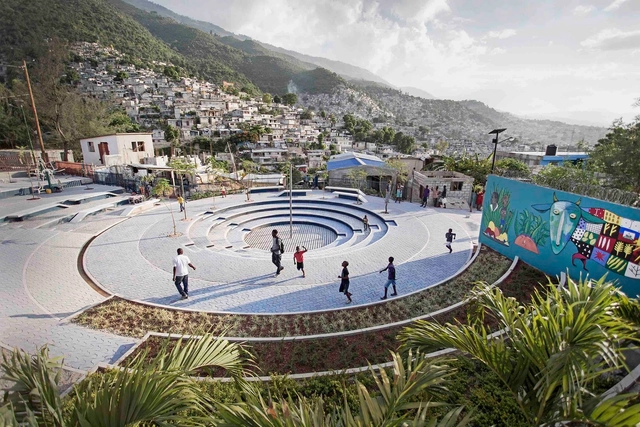
Tapis Rouge public space in an informal neighborhood in Haiti / Emergent Vernacular Architecture (EVA Studio)

Tapis Rouge public space in an informal neighborhood in Haiti / Emergent Vernacular Architecture (EVA Studio) - More Images+ 9