A new year has begun, and with it, a new edition of the ArchDaily Building of the Year Awards. For 17 years, we have handed over the reins to you, our readers, to choose the best architectural projects of the year, and you have consistently delivered. With a brand new set of over 3,000 projects from around the globe, it is now time to get lost in our projects library and start making your selection.
From a tiny library in rural Myanmar, awarded in the first ever edition of the Building of the Year in 2009, to an innovative waste-to-energy plant in 2025, the winners of the Awards have always been surprising, inspiring and, most importantly, a reflection of the current architectural landscape. Anyone can register for a free ArchDaily account and vote, and we invite you to delve into the catalog of projects published in 2025—all of which are eligible to participate under one or more of the 15 available categories—to choose your favorites.
https://www.archdaily.com/1037980/the-archdaily-2026-building-of-the-year-awardsDaniela Porto
As 2025 approaches its end, we look back at an eventful year in the world of interior design. Last year, designers favored reserved, modest approaches, a trend that continued from previous years. The emergence of artificial intelligence generated intense discussions on digital equity and misinformation, which continued into 2025, especially with the topic of the Venice Architecture Biennale, Intelligens. This opened the conversation to the opportunities of digital technologies, attempting a more hopeful outlook. On the other hand, completed interior design projects over the year focused more on the tangible and the pragmatic, with expressed raw materials and an appreciation of history.
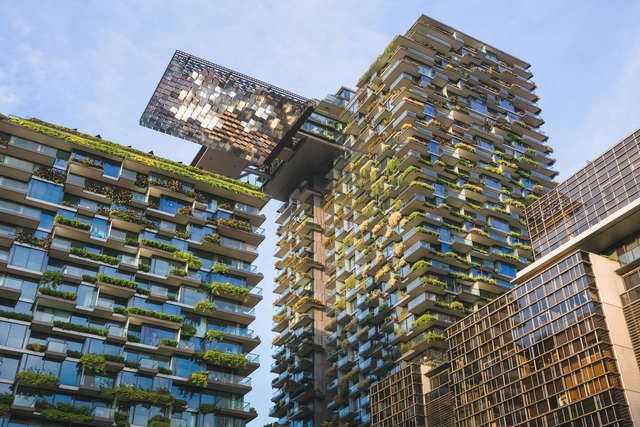
Our contemporary society has been witnessing a surge in skyscraper construction in urban centers worldwide for various reasons—including engineering advancements, increased urban density, space constraints, and, arguably, a competitive drive for building the tallest structures. The allure of all-glass facades and the pursuit of curtain walls with larger panes of continuous glass have often come at the cost of functionality.
In these towers, operable windows are sacrificed for aesthetics and expansive views, with a central core layout that maximizes 360-degree views while creating architectural "solar heat-gain monsters." Without natural or cross ventilation, these glass skyscrapers trap significant heat from solar radiation within habitable spaces, relying almost exclusively on mechanical HVAC systems to cool these spaces. This raises the question: is passive ventilation strategy becoming obsolete in high-rise design, or can operable systems be integrated effectively into our high-tech towers?
Since their introduction to the wider public, artificial intelligence technologies seem prone to change the working landscape for professionals across all fields, and architecture and urban planning are no different. While many fear their negative impact, AI technologies can also be viewed as a different set of tools in the arsenal of architects and designers. As revolutionary as they are, there is a plethora of applications and platforms being developed not to replace, but to aid, offload repetitive tasks, and help visualize ideas or large data sets, all to provide a basis for the architect's decision-making process.
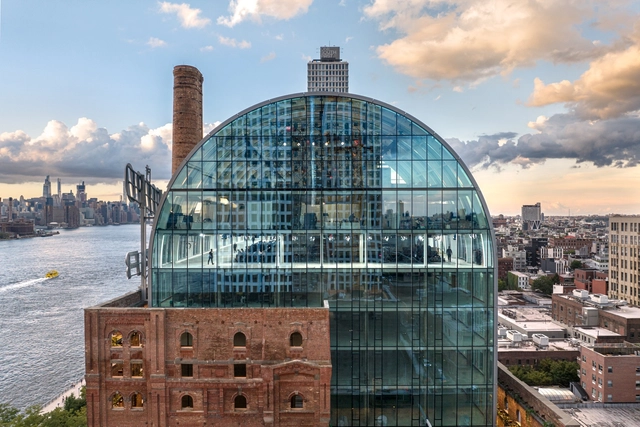
Domino Sugar Refinery / PAU - Practice for Architecture and Urbanism
In the same way that societies transform, times change, and cities evolve, industrial architecture modernizes and becomes more technological, sometimes reaching a state of abandonment or ruin. Understanding its value as a built legacy and being vestiges of technological, social, and cultural changes, the renovation and/or conversion of numerous factories and industrial warehouses can lead to the revitalization, recovery, or growth of various areas in large cities by incorporating new uses and spaces for the enjoyment of its citizens.
Throughout the annals of architectural history, timber has been a fundamental element in the evolution of building design and construction. From the ancient timber-framed structures of Japan to the medieval European cathedrals, timber's structural prowess and aesthetic appeal have left an indelible mark on human civilization. It wasn't until the Industrial Revolution's advent that a significant shift towards alternative building materials such as steel and concrete occurred, relegating the material to a secondary role in construction. As contemporary architects grapple with the consequences of climate change, however, timber has staged a remarkable comeback, offering an eco-friendly and structurally robust alternative. Internationally renowned firms are centering their designs around timber's potential, embracing its rich history while simultaneously harnessing advanced technologies to create awe-inspiring, sustainable structures that represent a harmonious blend of historical wisdom and modern innovation.