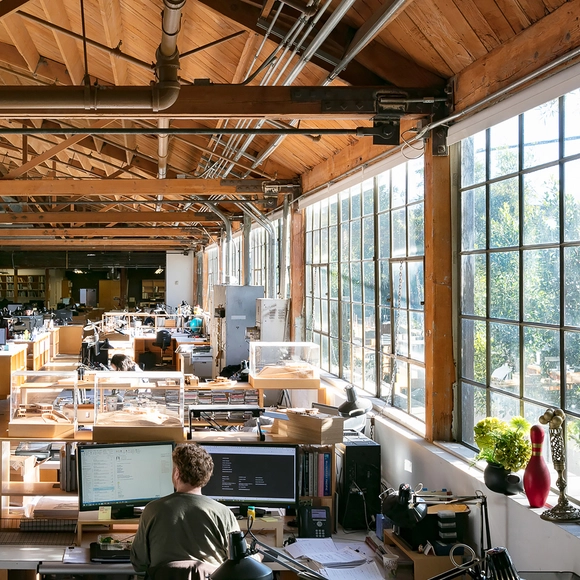
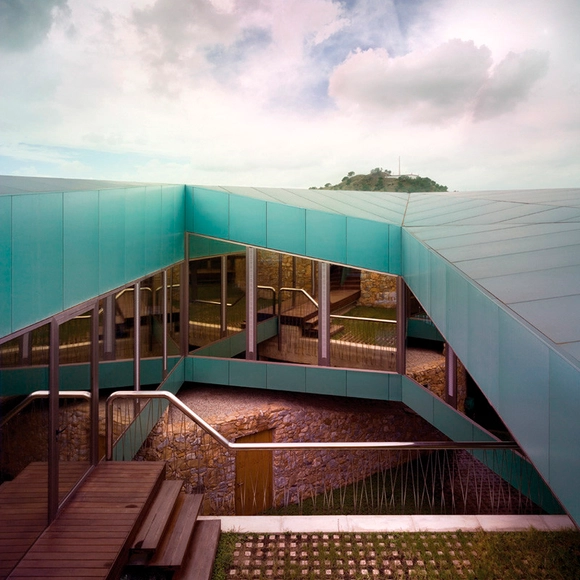
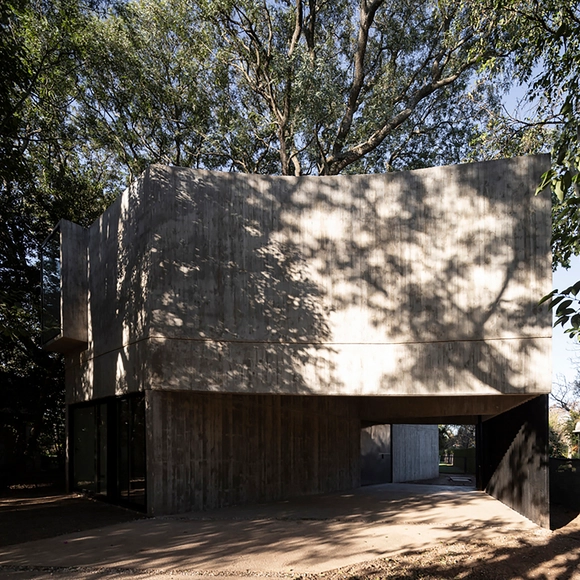
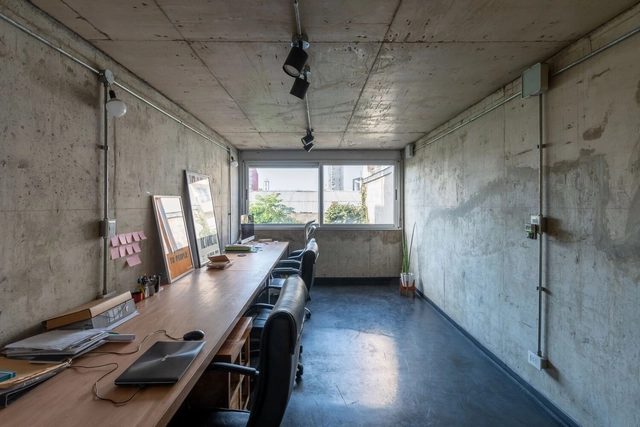
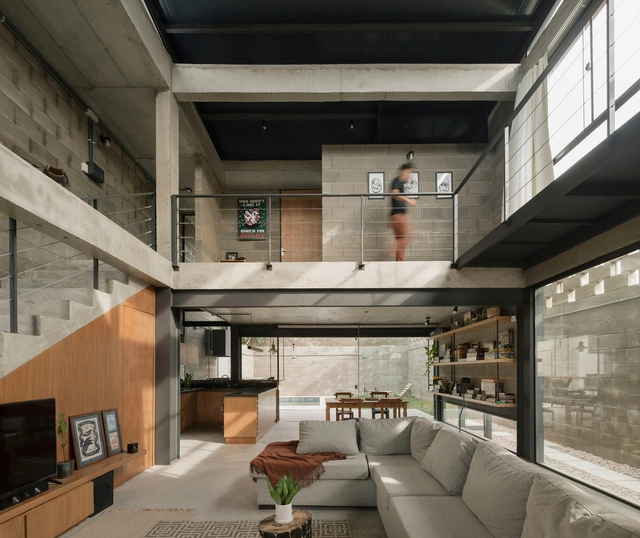
Pipes, wiring and ducts of different materials in walls, ceilings and roofs make up all the spaces we walk through and inhabit. They represent the set of networks and equipment necessary for the development of life in our buildings, providing services such as water, electricity or gas, among many others. According to the regulations in each country and the use defined in each space, the installations can be left visible, giving a certain character and aesthetic to interior spaces.
More than 5000 new projects published throughout 2021 make ArchDaily the largest online architecture library in the world. ArchDaily Curatorial Team researches, contacts offices, prepares, and delivers the built projects in the world on a daily basis, with the objective of providing inspiration, knowledge, and tools to our users who take part in the creation of better built environments.
https://www.archdaily.com/974013/best-architectural-projects-of-2021Clara Ott
Josep Ferrando is an architect based in Barcelona. He is the Dean of the La Salle Higher Technical School of Architecture (ETSALS), as well as Director of the Obert d'Arquitectura Center of Barcelona and of the Department of Culture of the College of Architects of Catalonia (COAC). Combining his academic career and his frequent lectures, his office develops projects that explore different scales and materials, experimenting with constructive systems and innovative solutions. We talked with him about the importance of materials in architecture, and about the synergies he finds between practice and teaching.
The automation of architectural design and rendering has been further accelerated by digital production tools. Tools such as 3D printers, assembly robots, and laser cutters, have all but perfected the design and construction process and have proven essential in optimizing resources, improving precision, and increasing control of the process.
In woodworking, the most frequently used digital production tools are milling machines or CNC (computer numerical control) routers. These tools facilitate the rendering of 2D vectoral drawings and 3D models, codifying them into instructions for the machine to follow and execute. Through this process, which starts with digital archives (typically created using design software widely known as AutoCad), milling machines and CNC routers can rapidly and precisely cut wood, producing ready to assemble pieces.
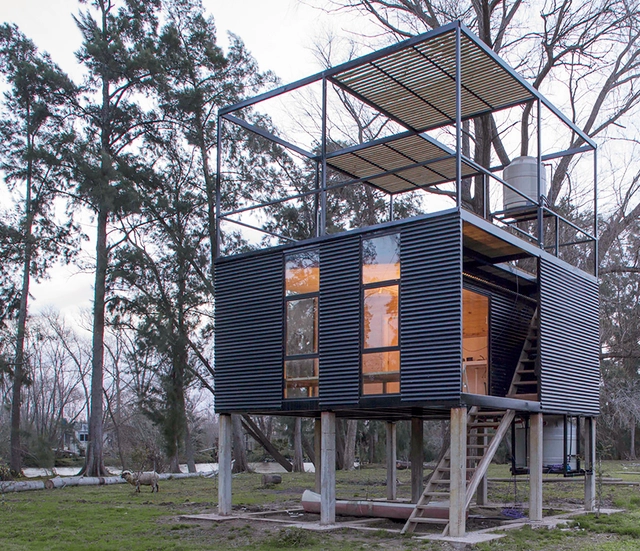
Whether applied as cladding to steel or timber frame structures or to structures built by traditional means, sheet metal offers an array of advantages as a building material, thanks to its low cost, ease of maintenance, and versatility.
Although architecture itself is universal, the day-to-day practice still varies across the world, influenced by a wide range of factors, from the professional requirements and responsibilities of an architect, the local environment, history and building customs, to local priorities and challenges. In a hyper-connected world, where architecture seems to become more uniform, how do local contexts and characteristics shape the built environment? This article taps into the commonalities and the variations within the architecture profession.
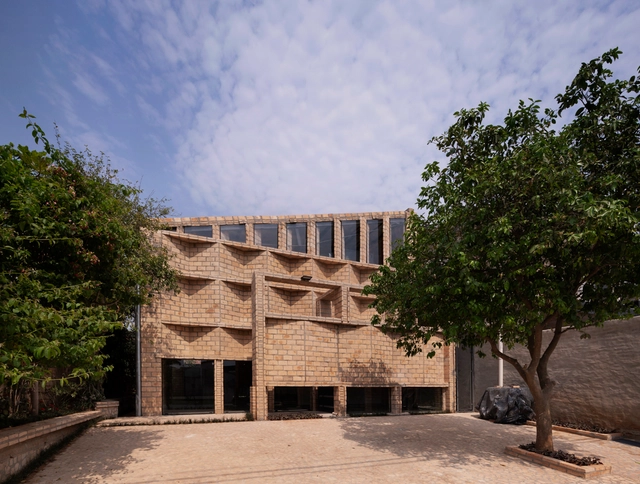
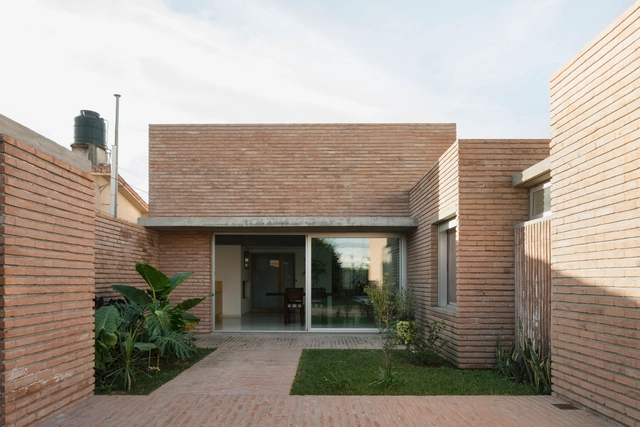
The distribution of natural light, improved ventilation, and the propensity to connect living spaces with the outdoors while maintaining the privacy of the inhabitants have made courtyards a go-to in architectural design around the world over the centuries.
Courtyards are characterized as outdoor or semi-outdoor spaces that are enclosed within the walls of a house or building.














.jpg?1556251281&format=webp&width=230&height=230&crop=true)
.jpg?1556251209&format=webp&width=230&height=230&crop=true)
.jpg?1556251221&format=webp&width=230&height=230&crop=true)
.jpg?1556251240&format=webp&width=230&height=230&crop=true)


.jpg?1624956731&format=webp&width=640&height=580)


.jpg?1624956731)


_-_copia.jpg?1624796400&format=webp&width=640&height=580)
.jpg?1624795870&format=webp&width=230&height=230&crop=true)
.jpg?1624795872&format=webp&width=230&height=230&crop=true)
.jpg?1624795887&format=webp&width=230&height=230&crop=true)
.jpg?1624795898&format=webp&width=230&height=230&crop=true)
_-_copia.jpg?1624796400)


.jpg?1620161053&format=webp&width=640&height=580)
.jpg?1620160103&format=webp&width=230&height=230&crop=true)
.jpg?1620160653&format=webp&width=230&height=230&crop=true)
.jpg?1620161130&format=webp&width=230&height=230&crop=true)
.jpg?1620160951&format=webp&width=230&height=230&crop=true)
.jpg?1620161053)