
Hybrid Infrastructure Doble Erre / Morphism


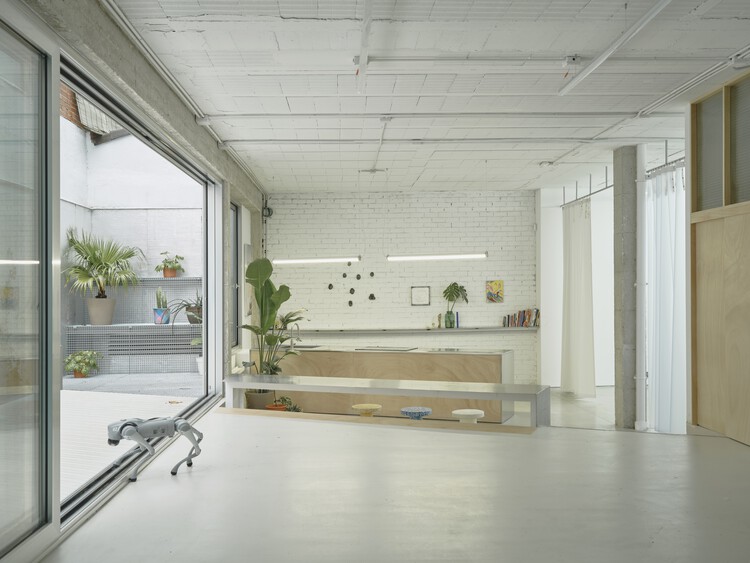
https://www.archdaily.com/1183662/doble-erre-morphismCristina Popescu
Casa Nido / Iterare arquitectos


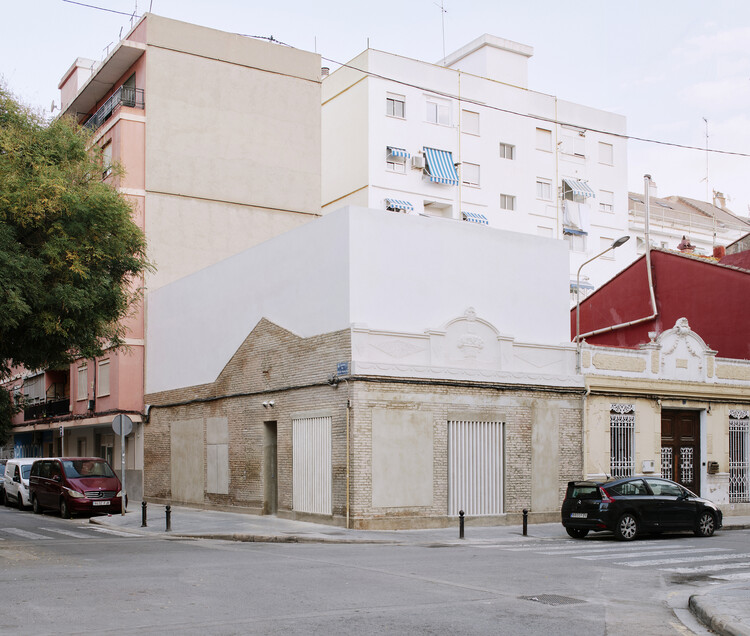
-
Architects: Iterare arquitectos
- Area: 100 m²
- Year: 2026
-
Manufacturers: Kave home, Sancal, Stua
https://www.archdaily.com/1181865/casa-nido-nesting-within-heritage-iterare-arquitectosCristina Popescu
Ciutat Vella Apartment / Balzar Arquitectos


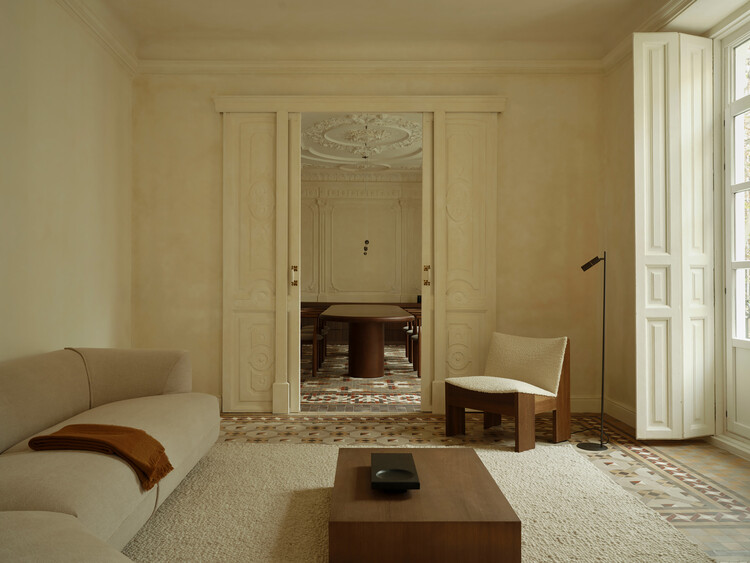
-
Architects: Balzar Arquitectos
- Area: 200 m²
- Year: 2025
-
Manufacturers: Ferm Living, Arketipo
https://www.archdaily.com/1092214/ciutat-vella-apartment-balzar-arquitectosCristina Popescu
Merkato / Francesc Rifé Studio
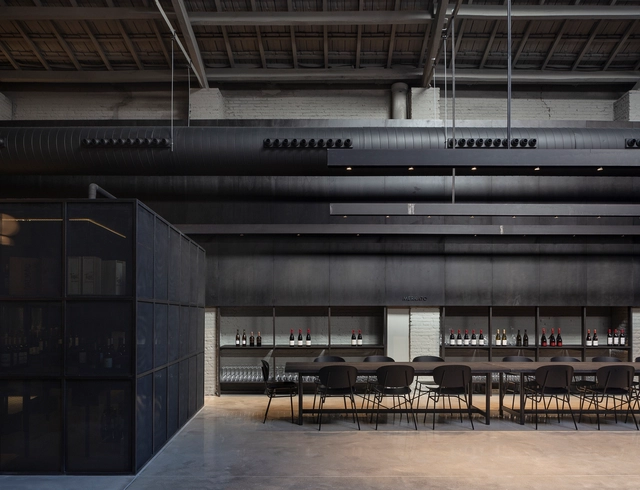


-
Architects: Francesc Rifé studio
- Area: 740 m²
- Year: 2018
-
Manufacturers: Arkoslight, CARMENES, Ondarreta
https://www.archdaily.com/1081696/merkato-francesc-rife-studioCristobal Rojas
GE Apartment / Balzar Arquitectos


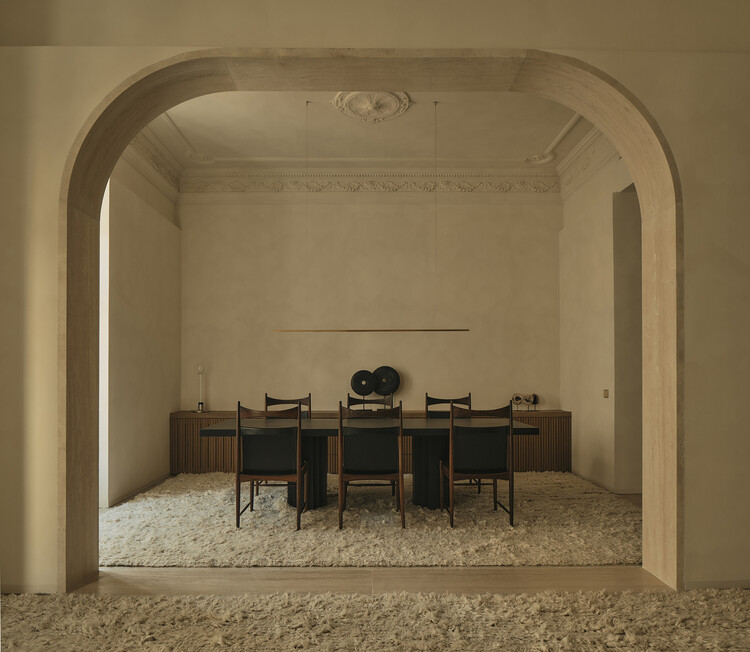
https://www.archdaily.com/1055477/ge-apartment-balzar-arquitectosValentina Díaz
Ferozland Hybrid Space / Arquitectura Pinea


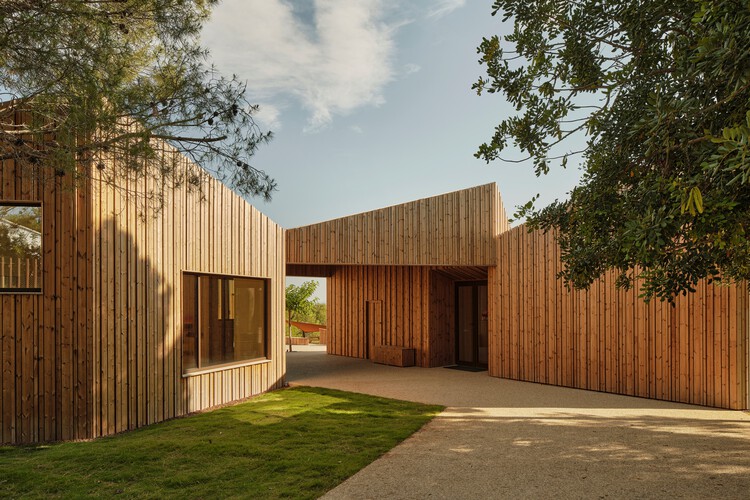
-
Architects: Arquitectura Pinea
- Area: 370 m²
- Year: 2024
-
Manufacturers: Technal
https://www.archdaily.com/1149082/ferozland-hybrid-space-arquitectura-pineaValentina Díaz
Skinclub Cosmetic Clinic / Club Studio


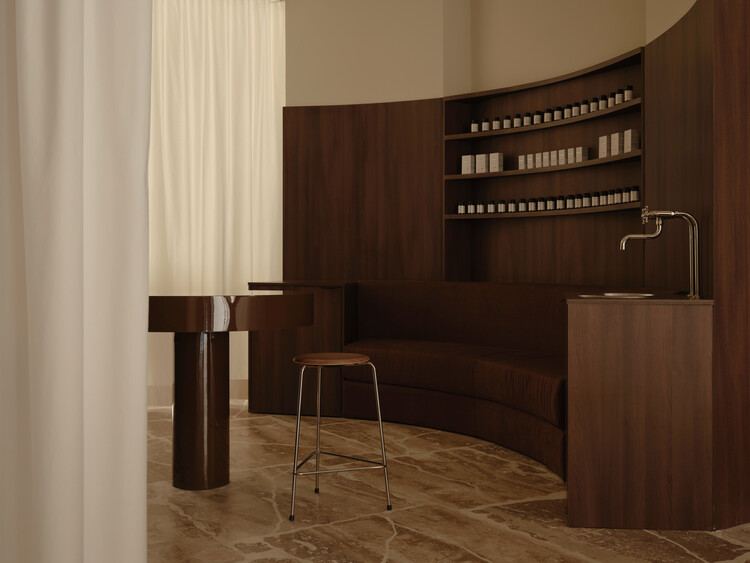
-
Architects: Club Studio
- Area: 150 m²
- Year: 2025
-
Manufacturers: Fritz Hansen, Arkoslight, Finsa, Hay Design, Toni Copenhagen
https://www.archdaily.com/1039269/skinclub-clinic-club-studioValentina Díaz
New Ontinyent Hospital / Contell-Martínez Arquitectos + Manuel Vega Arquitectos


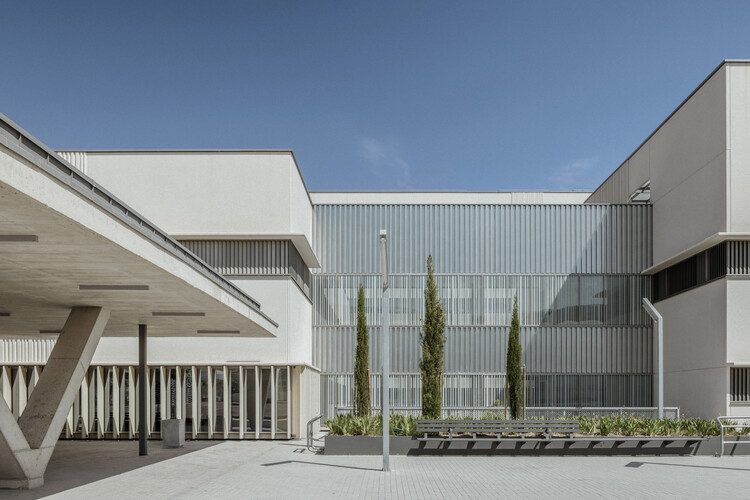
-
Architects: Contell-Martínez Arquitectos, Manuel Vega Arquitectos
- Area: 28006 m²
- Year: 2024
https://www.archdaily.com/1038893/new-ontinyent-hospital-contell-martinez-arquitectos-plus-manuel-vega-arquitectosValentina Díaz
Requena Pantheon / Belen Ilarri Studio


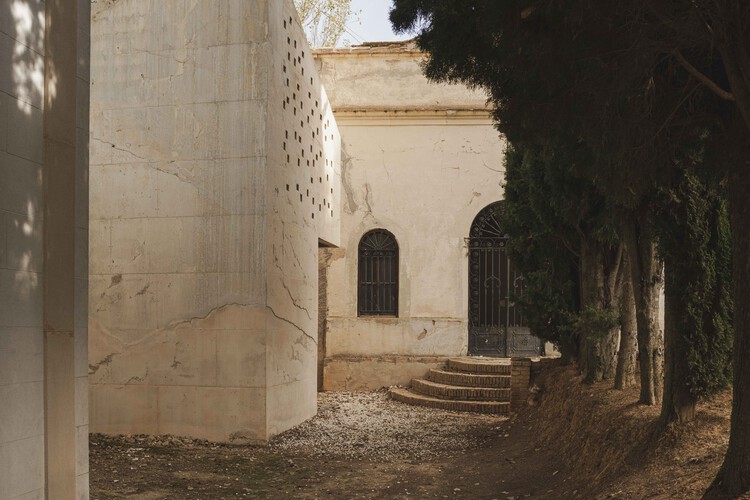
https://www.archdaily.com/1038824/requena-pantheon-belen-ilarri-studioValentina Díaz
Loredo House NAVC01 / Zooco Estudio


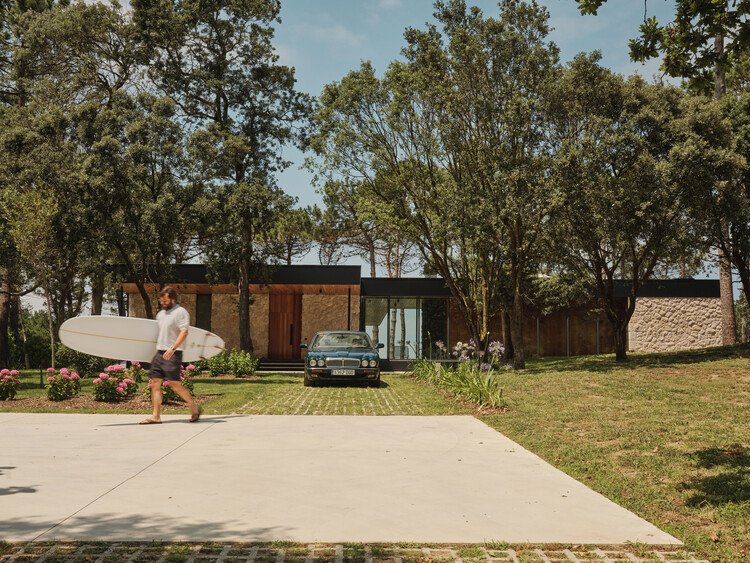
https://www.archdaily.com/1038891/loredo-house-navc01-zooco-estudioValentina Díaz
Chera Castle / Belen Ilarri Studio


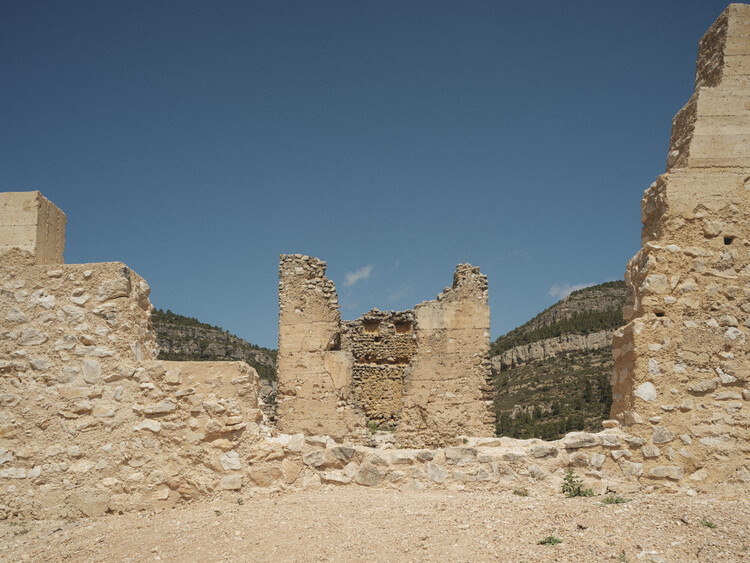
https://www.archdaily.com/1038821/chera-castle-belen-ilarri-studioValentina Díaz
Sornells 21 Studio / Paloma Bau Studio


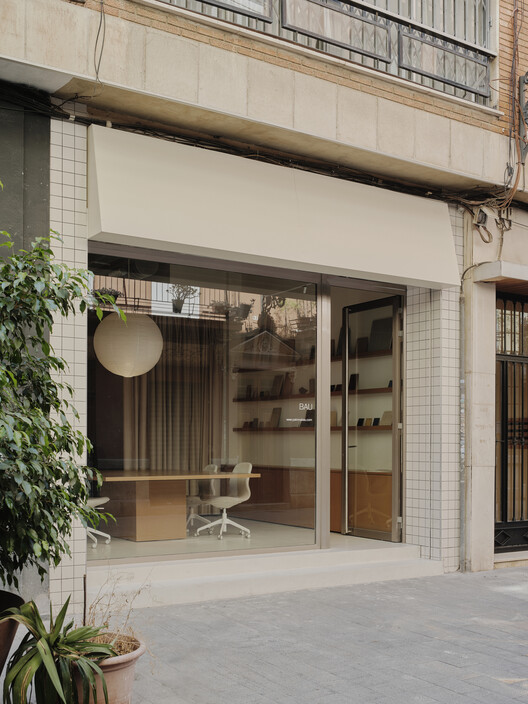
-
Architects: Paloma Bau Studio
- Area: 170 m²
- Year: 2025
https://www.archdaily.com/1038271/sornells-21-paloma-bau-studioValentina Díaz
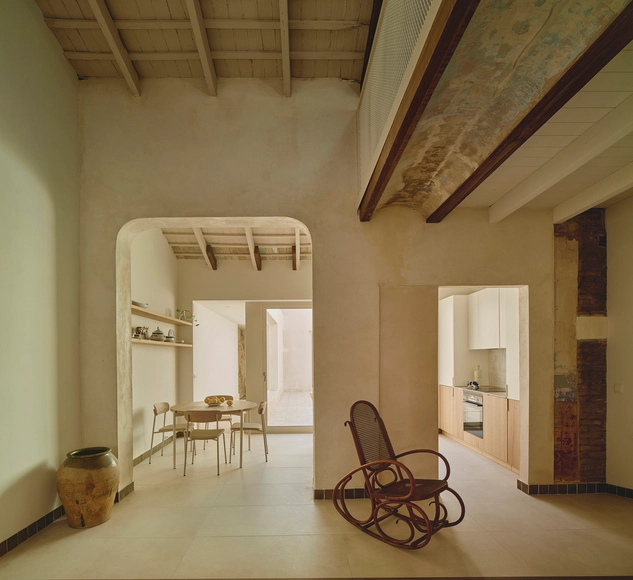
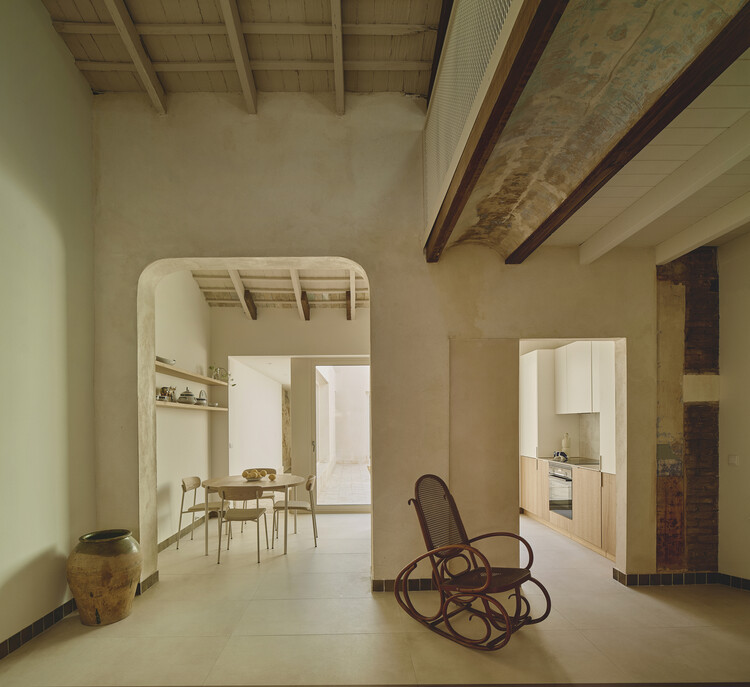
Estels House / ENDALT Arquitectes


-
Architects: ENDALT Arquitectes
- Area: 152 m²
- Year: 2025
-
Manufacturers: Casa suau, La Mediterranea, Lebrel Furniture, Sargadelos, Sklum
https://www.archdaily.com/1035806/estels-house-endalt-arquitectesValentina Díaz
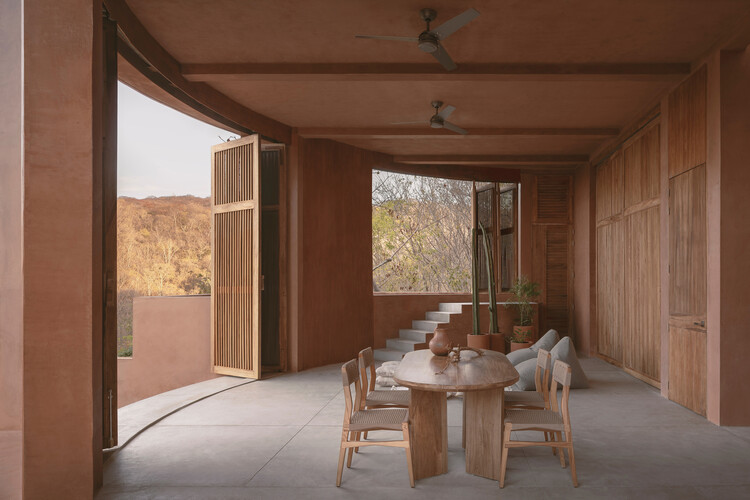
Interior Design Trends of 2025

As 2025 approaches its end, we look back at an eventful year in the world of interior design. Last year, designers favored reserved, modest approaches, a trend that continued from previous years. The emergence of artificial intelligence generated intense discussions on digital equity and misinformation, which continued into 2025, especially with the topic of the Venice Architecture Biennale, Intelligens. This opened the conversation to the opportunities of digital technologies, attempting a more hopeful outlook. On the other hand, completed interior design projects over the year focused more on the tangible and the pragmatic, with expressed raw materials and an appreciation of history.


https://www.archdaily.com/1036727/interior-design-trends-of-2025Mohieldin Gamal
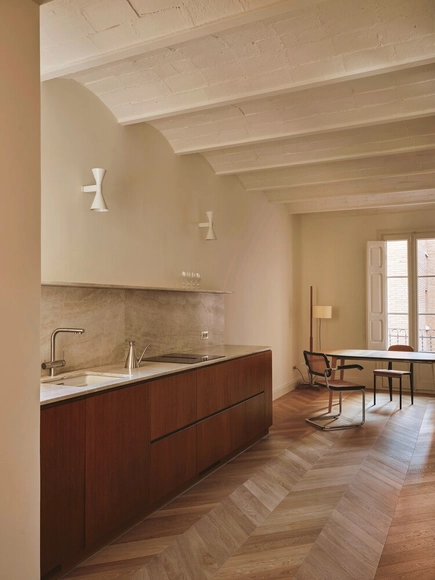
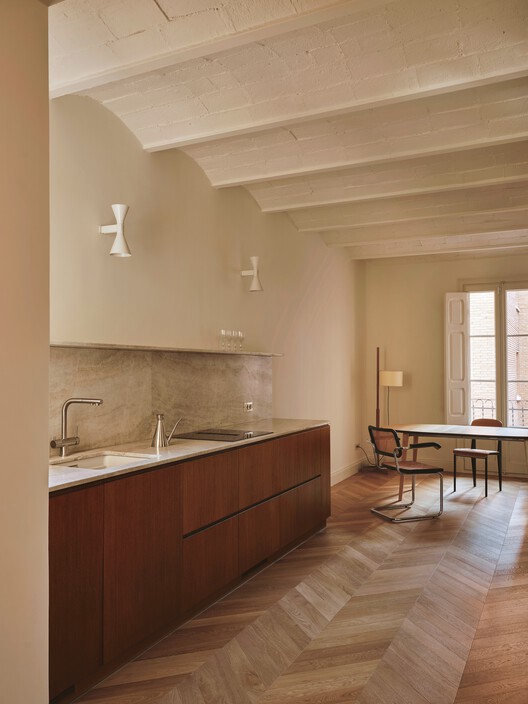
Calma House / Forma Arquitectura


-
Architects: Forma Arquitectura
- Area: 95 m²
- Year: 2025
https://www.archdaily.com/1066195/calma-house-forma-iValentina Díaz
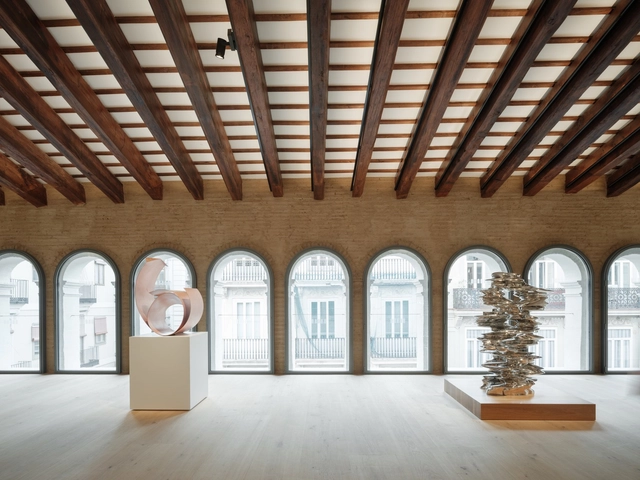
Hortensia Herrero Art Center / ERRE


-
Architects: ERRE
- Area: 37674 ft²
- Year: 2023
-
Manufacturers: Andreu World, Mediclinics, Color Kinetics, Comon, Noken, +3
https://www.archdaily.com/1013611/hortensia-herrero-art-center-erre-arquitecturaPilar Caballero
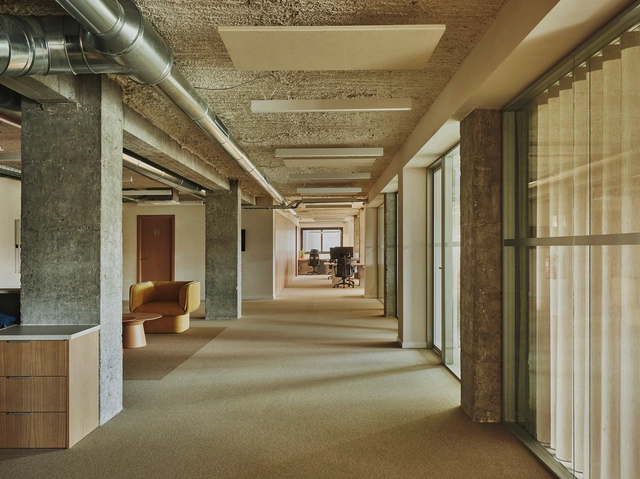
Prosolia Headquarters / Destudio


https://www.archdaily.com/1034658/prosolia-headquarters-destudioPaula Pintos
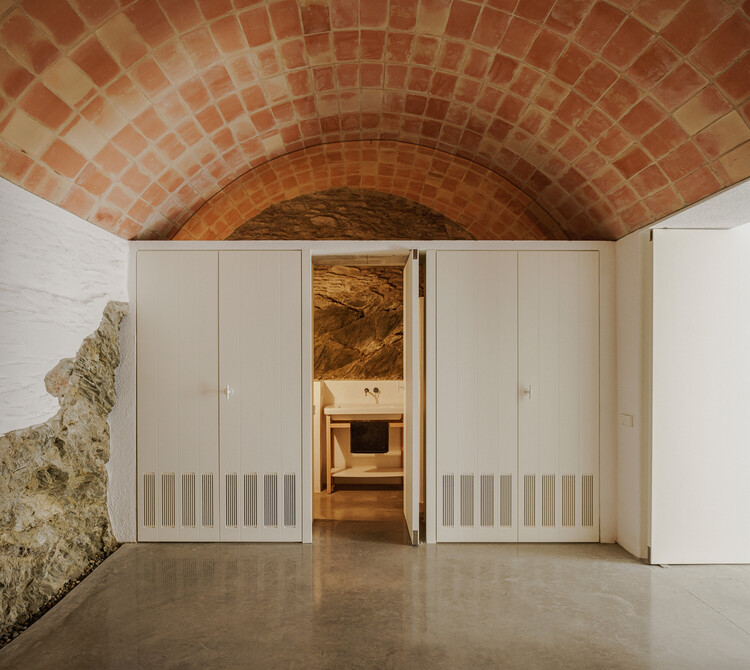
Fisherman's House in Cadaqués / Bea Portabella + Jordi Pagès


-
Architects: Bea Portabella + Jordi Pagès
- Area: 326 m²
- Year: 2024
-
Manufacturers: Carl Hansen and Son, Gud Estudi, Heerenhuis Manufactuur, Santa and Cole, TRENAT, +2
https://www.archdaily.com/1034652/fishermans-house-in-cadaques-bea-portabella-plus-jordi-pagesValentina Díaz