


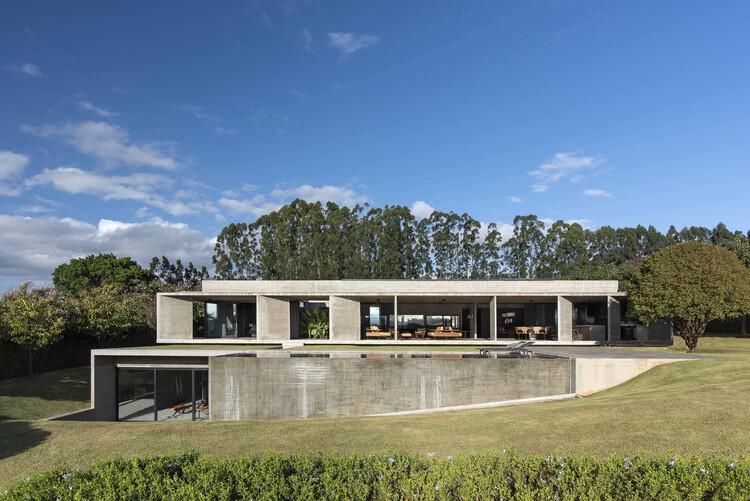
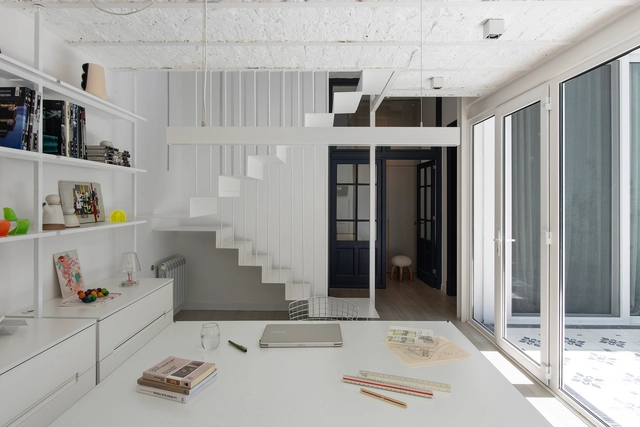
PH Charlone House / Florentina Fontana Arq. + Asociados


-
Architects: Florentina Fontana Arq. + Asociados
- Area: 160 m²
- Year: 2023
https://www.archdaily.com/1028796/ph-charlone-house-florentina-fontana-arq-plus-asociadosPaula Pintos
The 50 Best Latin American Houses of 2024
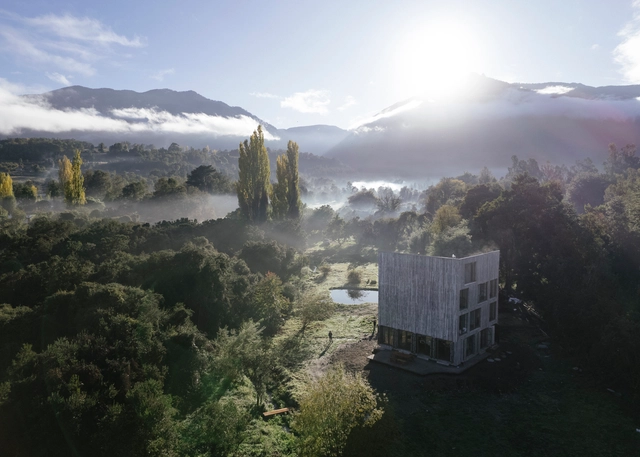
Annually, ArchDaily's curatorial team undertakes a rigorous selection process to identify exemplary projects in Latin American residential architecture. The goal is to share these works of architecture with our audience and highlight and promote good practices within contemporary architecture. This meticulous effort focuses on identifying projects that stand out for their design and their positive impact on the environment, innovative use of materials and techniques, and ability to address current needs.


https://www.archdaily.com/1025255/the-50-best-latin-american-houses-of-2024ArchDaily Team
Muelles House / Estudio GMARQ


https://www.archdaily.com/1021629/muelles-house-estudio-gmarqValeria Silva
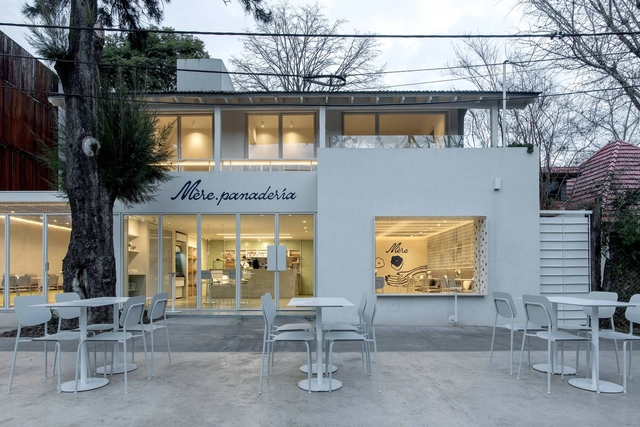
Mére – Bakery and Specialty Coffee / EG Arquitectura & Asociados + Karina Vinocur


-
Architects: EG Arquitectura & Asociados, Karina Vinocur
- Area: 200 m²
- Year: 2024
https://www.archdaily.com/1170377/mere-bakery-and-specialty-coffee-eg-arquitectura-and-asociados-plus-karina-vinocurAndreas Luco
Big Fish House / Martin Gomez Arquitectos
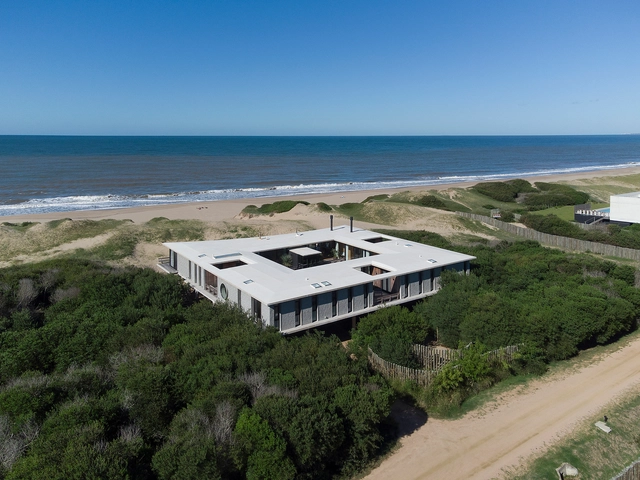


https://www.archdaily.com/1018177/big-fish-house-martin-gomez-arquitectosPilar Caballero
FRN House / NOA, Najmias Office for Architecture
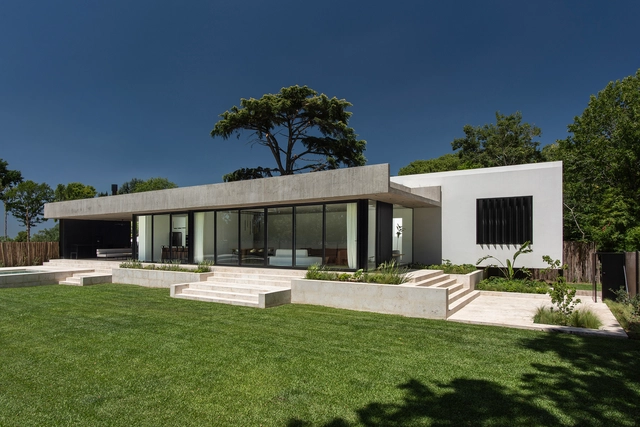


https://www.archdaily.com/1017536/frn-house-noa-najmias-office-for-architectureValeria Silva
The Expressiveness of Exposed Concrete: Exploring the Works of Luciano Kruk
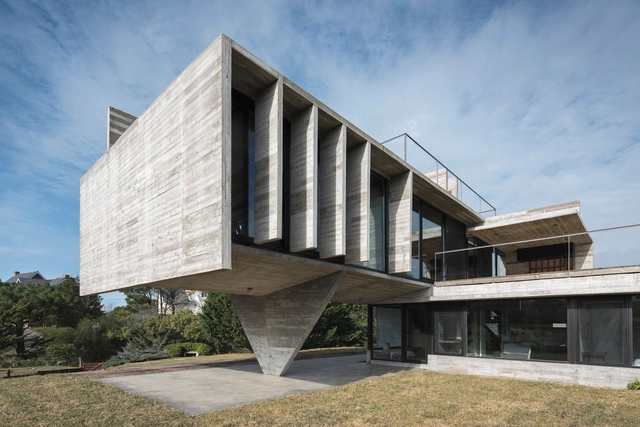
In response to the diverse topographies and natural conditions throughout the Argentine territory, the works of Luciano Kruk propose an architecture that works in harmony with the environment, the landscape, and the nature in which they are situated. Whether immersed in a forest, on sloping terrain, or on a rural plain, among other geographies, his intention is to enhance the relationship between the interior and exterior of the architecture, using concrete as the main material in most of his projects.
https://www.archdaily.com/1016619/the-expressiveness-of-exposed-concrete-exploring-the-works-of-luciano-krukAgustina Iñiguez
SD28 House / Estudio GMARQ
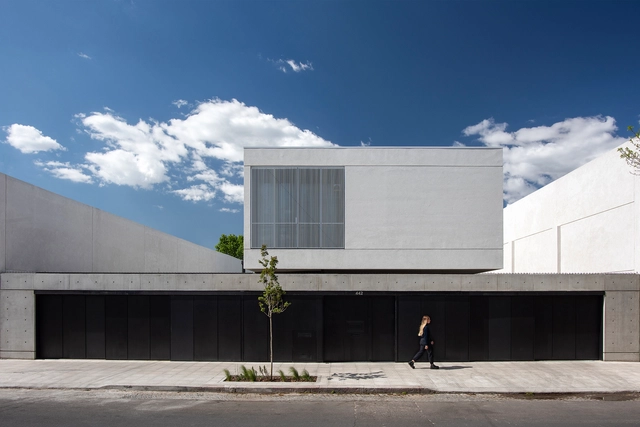


https://www.archdaily.com/1016079/sd28-house-estudio-gmarqPilar Caballero
Bars and Restaurants: 50 Examples in Plan and Section
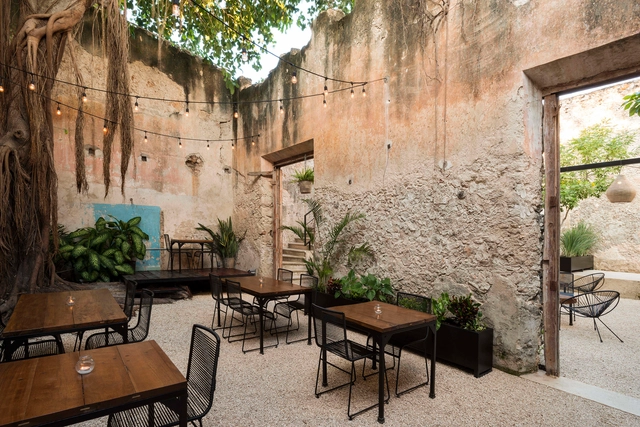
The spatial distribution of a restaurant or bar is essential to its success. Faced with this design challenge, several architects have experimented and proposed configurations that both enhance the use of space in different culinary experiences.
With this being said, take a look at 50 gastronomic establishments in plan and section to inspire your next design.


https://www.archdaily.com/902412/bars-and-restaurants-50-examples-in-plan-and-sectionFabian Dejtiar
5 Argentine architecture firms to inspire Brazilian architects
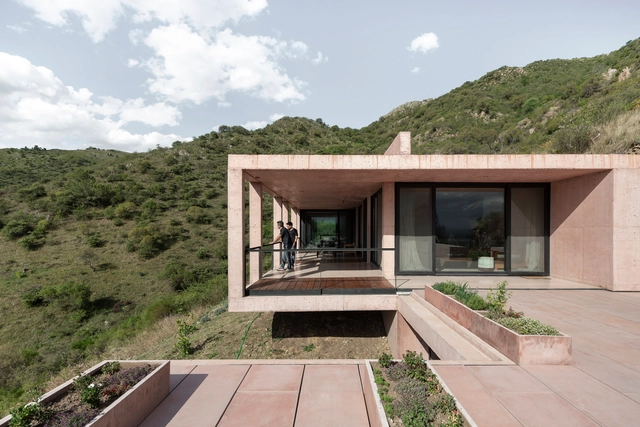
Beyond Pelé and Maradona, November marks the celebration of Brazil-Argentina Friendship Day. Established in 2018, the date (November 30) aims to highlight diplomatic and commercial relations between the two nations. Together, Brazil and Argentina account for 63% of South America's total land area, 60% of its population, and 61% of its GDP, establishing themselves as key trading partners.


https://www.archdaily.com/1132014/5-argentine-architecture-firms-to-inspire-brazilian-architectsGiovana Martino
Mar del Plata and 5 Decades of Transformation: Collaborative Architecture by Mariani Pérez Maraviglia Cañadas Arquitectos
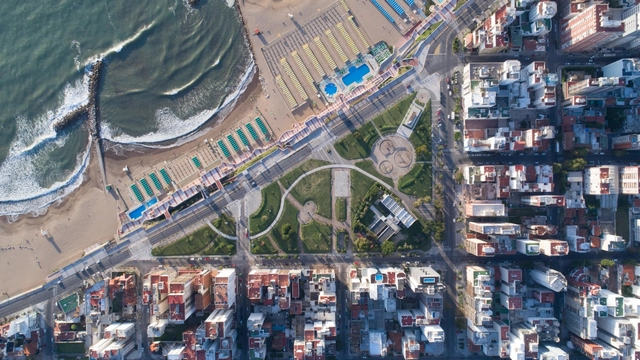
Since 1968, the firm Mariani – Pérez Maraviglia – Cañadas Arquitectos has been practicing in the city of Mar del Plata, Argentina. Facing the sea, this city has steadily grown and expanded over time. With a career spanning over 50 years, the firm's extensive body of work—including buildings and projects not only in Mar del Plata but also in Santa Fe, Asunción, Punta del Este, and beyond—demonstrates how their perspective on the past serves the present and future.
https://www.archdaily.com/1132039/mar-del-plata-and-5-decades-of-transformation-collaborative-architecture-by-mariani-perez-maraviglia-canadas-arquitectosAgustina Iñiguez
Faena Arts Center / Mc Cormack Asociados
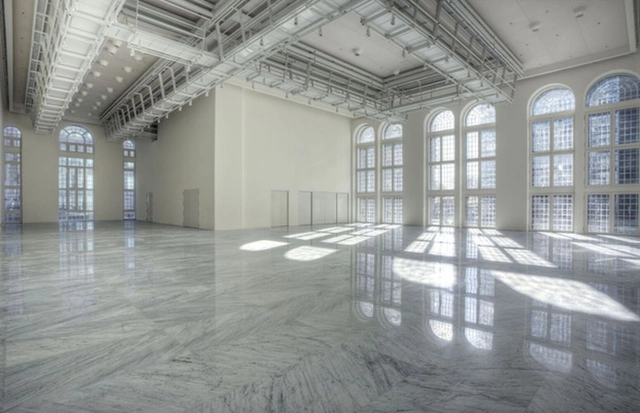


https://www.archdaily.com/989824/faena-arts-center-mc-cormack-asociadosAndreas Luco
Open House Buenos Aires 2022 celebrates its 10th anniversary by opening the doors of 170 buildings
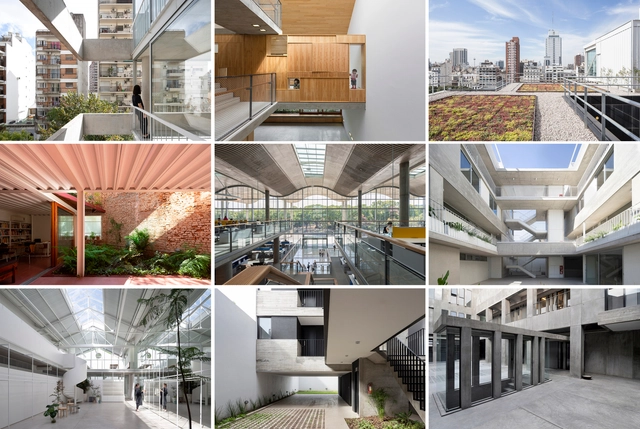
To celebrate its tenth edition, Open House will open the doors of more than 160 spaces and buildings of great architectural, cultural, and heritage value in the Autonomous City of Buenos Aires on October 1 and 2, 2022. As it does every year, this architecture and urbanism festival will offer the public the opportunity to rediscover the city's architecture and urban design, as well as its people, stories, and anecdotes, through free activities, visits, gatherings, and tours.
https://www.archdaily.com/1131956/open-house-buenos-aires-2022-celebrates-its-10th-anniversary-by-opening-the-doors-of-170-buildingsAgustina Iñiguez
Argentinean Barbecues: 22 Houses with Hidden Barbecue Grills
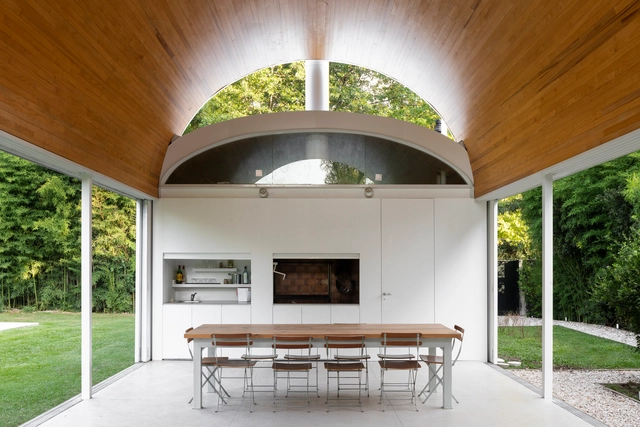
As a protagonist of the Argentinean culinary scene, the barbecue plays a prominent role. In architecture, beyond the dimensions of the spaces where they are installed, grills are consolidated as a meeting point for visitors and residents of the houses, coming into direct contact with the customs and culture of the country.
https://www.archdaily.com/987513/argentinean-barbecues-22-houses-with-hidden-barbecue-grillsAgustina Iñiguez
House in the Countryside / Luciano Kruk Arquitectos


-
Architects: Luciano Kruk
- Area: 160 m²
- Year: 2020
-
Manufacturers: Aberturas Nivel, Barugel azulay, Blaisten, FV, Ferrum S.A., +1
https://www.archdaily.com/984590/house-in-the-countryside-luciano-kruk-arquitectosAgustina Coulleri
Polished Concrete Floors: 25 Projects that Combine Aesthetics, Durability, and Ease of Execution
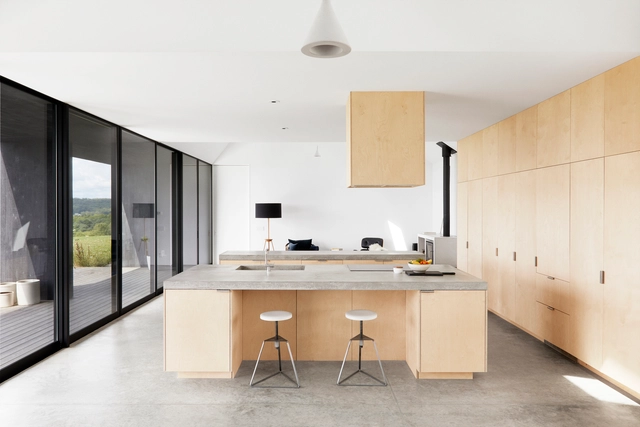
In addition to their aesthetic appeal, the use of raw materials can save resources by bypassing the use of additional coatings and processes. This type of solution was most commonly used in utility buildings, such as infrastructure, factories, and warehouses. Exposed concrete floors, for example, were primarily found in industrial spaces, parking lots, and gas stations. However, they are increasingly being used in structures of different programs due to their appearance, durability, resistance, and vast possibilities for finishes. But what are the main factors to be aware of when using a concrete floor for a project?


https://www.archdaily.com/933296/polished-concrete-floors-18-projects-that-combine-aesthetics-durability-and-ease-of-executionEduardo Souza e Matheus Pereira
Tips on Choosing the Right Colour for Your Swimming Pool
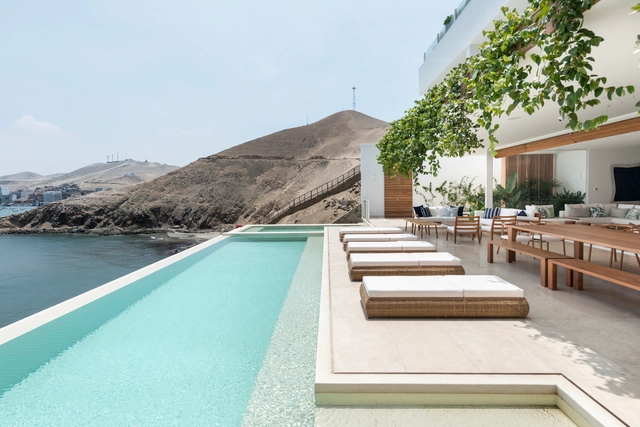
It could be said that one of the main aspects to take into account when designing a swimming pool is the choice of colour for the coating. The light, the shadows, the depth, the environment and the elements that surround it are variables that directly affect the final tonality of the water. The effects of artificial and/or natural lighting also determine the final aesthetic, because if it's located outdoors, reflecting the sky, it will create a different effect than if it's located indoors, where the ceiling would influence its colour.
https://www.archdaily.com/973612/tips-on-choosing-the-right-colour-for-your-swimming-poolAgustina Iñiguez