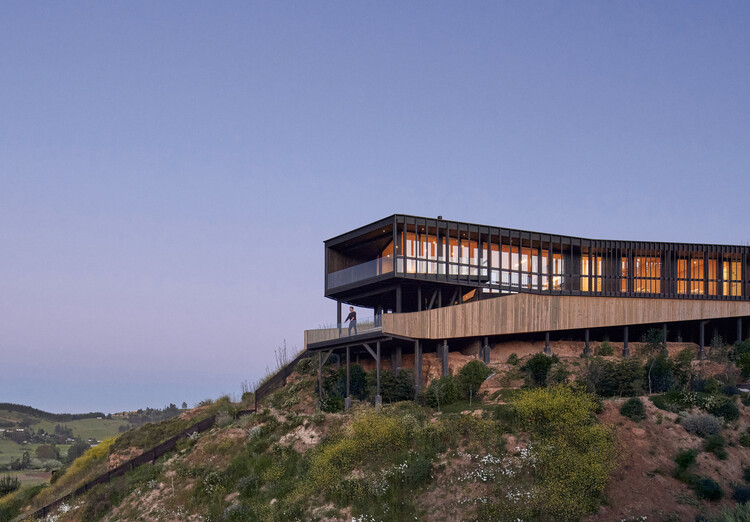
-
Architects: Croxatto y Opazo Arquitectos
- Area: 152 m²
- Year: 2025

The architecture of Latin America and Spain is testament to the rich and diverse cultures, traditions, needs, and solutions that define these territories. With more than 700 projects built in Spanish-speaking countries published on ArchDaily en Español, the time has come to explore, debate, and choose your favorites for the Obra del Año 2026 award.
In its seventeenth edition, the Obra del Año reaffirms its place as the largest architecture award in the Spanish-speaking world, decided by its community. Starting today, March 24, readers will take on the responsibility of choosing the best architectural works of 2025.
Over the next three weeks, the collective intelligence of our community will explore hundreds of projects built in Spanish-speaking countries: Argentina, Bolivia, Chile, Colombia, Costa Rica, Cuba, Ecuador, El Salvador, Spain, Guatemala, Honduras, Mexico, Nicaragua, Panama, Paraguay, Peru, Puerto Rico, the Dominican Republic, Uruguay, and Venezuela.
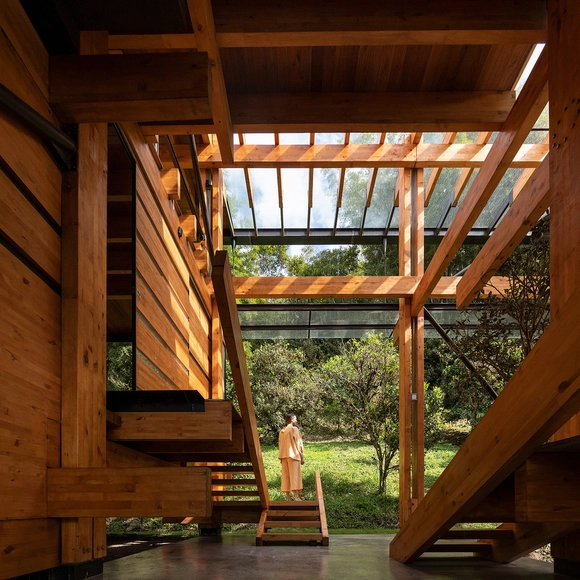
As another year comes to a close, the ArchDaily team looks back at the year's architectural highlights, compiling a selection of projects to review the content featured in 2022. As part of this retrospective, our curation team presents one of our readers' favorite categories—residential architecture—bringing together the projects that represent the very best of a vast year of architectural production, as chosen by our audience.
At a time marked by anticipation for the future of architecture, yet also by reflection on what has been accomplished over the past year, we present the 50 most-visited houses on ArchDaily in Spanish in 2022. In doing so, we continue our ongoing mission to provide tools, inspiration, and knowledge to everyone working toward a better built environment.
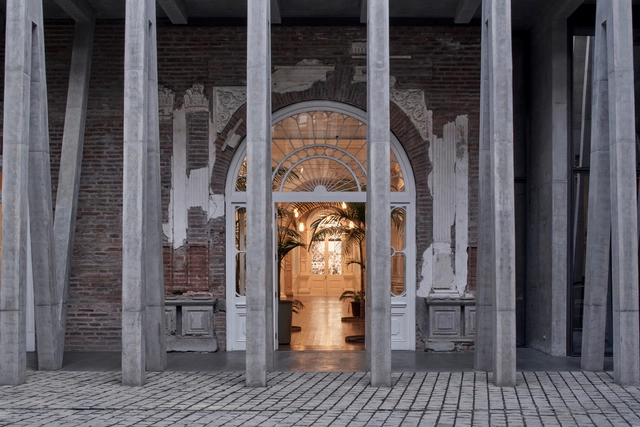
The MA Awards, conceived by Mujer ArquitectA, aim to highlight and promote the creations of contemporary women architects in Chile, valuing their contribution to the architectural field. This recognition celebrates the excellence and outstanding contributions of women architects in the field of creation and design. These awards seek to highlight the innovation, unique vision, and exceptional skill of women architects, offering a meaningful space to honor and bring visibility to their valuable impact on the world of architecture.
On Tuesday, December 5, at the AOA (Association of Architectural Offices) auditorium, the following winners were announced.
A week ago, we announced the 15 finalists for the ArchDaily en Español Obra del Año Award, which celebrates the best architecture in Latin America and Spain, inviting our readers to act as a jury and select their favorite projects from those published throughout the year. Today, the time has finally come to reveal the winners of the 2025 Obra del Año Award.
After two weeks of nominations in the 16th edition of the 2025 Building of the Year Awards, our community evaluated over one thousand projects to select the 15 finalists. This year's awards celebrate excellence in design, innovation, and sustainability across Latin America and Spain, highlighting an exceptional selection of projects on the shortlist. As a public-choice award, we are proud to say that their choices authentically reflect the current state of architecture, while the quality of this year's finalists further underscores the excellence and diversity present in the field.
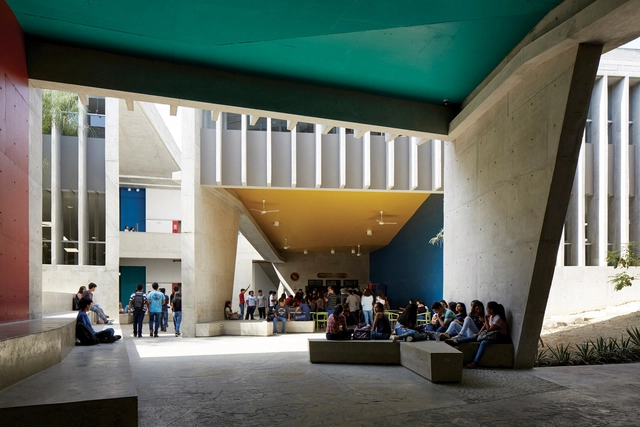
Before discussing how and by whom this project is internationally acclaimed, it is important to recognize its regional relevance. Built for the University of Piura, this classroom building is a robust educational project located in the middle of the northern desert. In light of the events of 2017 in various parts of Peru caused by the devastating El Niño phenomenon—where the north was hit hardest, losing many poorly situated buildings made of inadequate materials—this building stands firm. It exemplifies how to intervene with sensitivity, coherence, and respect for the local climate and landscape, serving as a replicable model for national reconstruction. Furthermore, it represents a major contribution to improving the quality of—and investment in—educational spaces outside the capital, promoting decentralization and offering better education and opportunities to students.
Beyond its domestic impact, the project has also garnered significant international recognition:
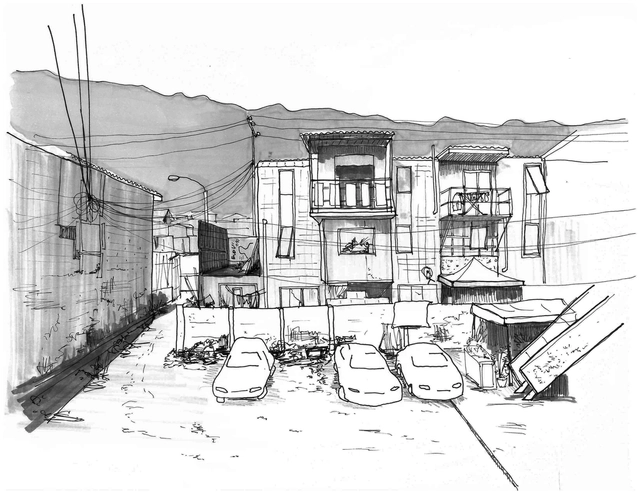

Here, the ARKRIT Collective presents three hypotheses that stabilize and support the potential liberal logic behind the Quinta Monroy project by the firm ELEMENTAL, in light of the current reality of this social housing complex fifteen years after its construction—a reality that begs the question: did this project succeed in addressing inequality in Chile?
A revitalized canning factory in a coastal Portuguese city, a memorial park in Ethiopia, a small-town Brazilian home, a wooden pavilion evoking Bahrain's heritage, and 11 other visionary projects comprise the winners of the 2026 ArchDaily Building of the Year Awards. Chosen over three weeks of public voting, the winners are representative of the current architectural landscape, reflecting a diversity of approaches, materialities and aesthetics, while also showcasing common threads across cultures.
In its 17th edition, this year's Building of the Year Awards received more than 120,000 votes from over 100 countries, marking a record-breaking year for the world's largest community-driven architecture award. The winners represent 14 different countries, cultures and perspectives, coming from Brazil, Canada, Chile, Colombia, Denmark, Ethiopia, Germany, India, Indonesia, Japan, Portugal, South Korea, United States and Vietnam.

Two weeks and over 85,000 nominations later, the finalists of this year's Building of the Year Awards are in. The selection is much like the ArchDaily audience that chose it: diverse in geography, generous in ideas, and precise in intent. With projects from 46 countries, in a variety of typologies and scales, they present a beautiful snapshot of the current architectural moment.
We invite you to sit back, browse, and vote for your ultimate favorites. Below, you will find all of the 75 finalists in their respective categories. Voting is open until February 18th at 18:00 EST. Thank you—your participation is key to making this the world's largest community-driven architecture award.
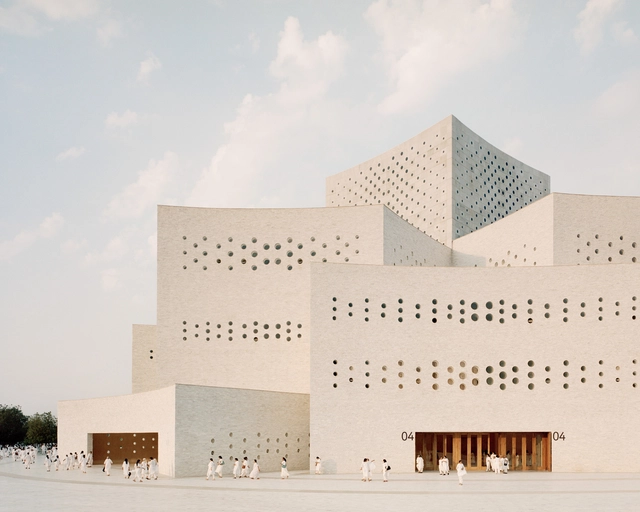
As the year culminates, it's once again time for the ArchDaily team of curators to reflect on the best-performing projects of 2025 and consider what readers were most interested in. Through this diverse overview, we assess the cross-continental similarities and differences in trends and construction development. This year brought us many grand cultural and public spaces by Lina Ghotmeh, BIG, Zaha Hadid Architects, DnA, and Serie Architects, who populated events like Expo Osaka and the Venice Biennale, as well as a surprising number of museums and public or landscape works in China and the rest of the Asian continent. However, while these were sought-after projects, the leading works remained, unsurprisingly, residential projects.
More specifically, the houses that were most viewed on the ArchDaily global site were concrete houses that bore considerable injections of greenery and landscape focus. They propose layouts highlighting voids and double heights, as well as inner courtyards or large openings to the exterior. While some references did suggest traditional or vernacular elements, modernist revivals were still predominant. Material trends are much more tame, with a recurrence of raw concrete use, as wood and stone were common accent elements. Still, the more interesting thing about the works this year is the efforts brought by architects in situating and setting the projects within their surroundings, bringing special attention to landscape and how projects merged with nature.
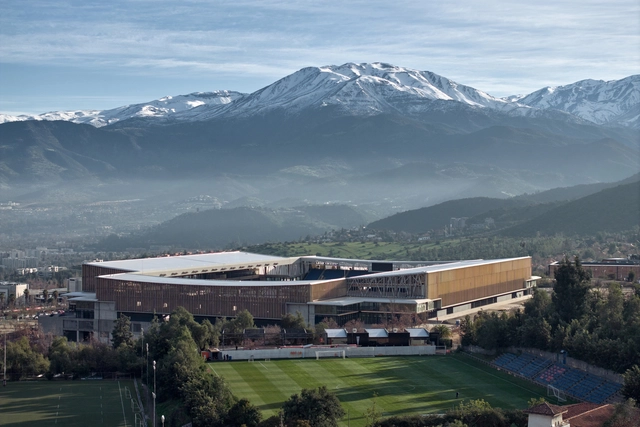
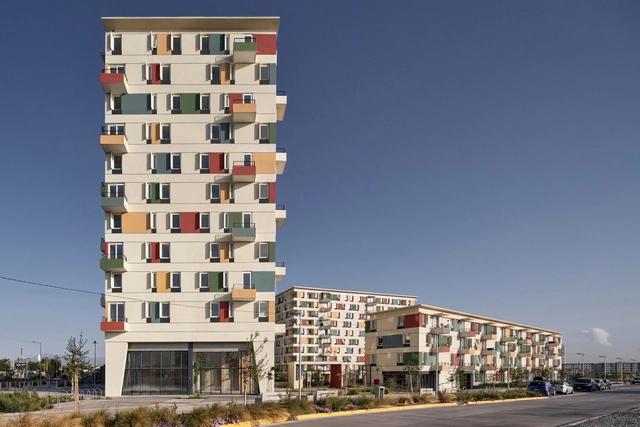
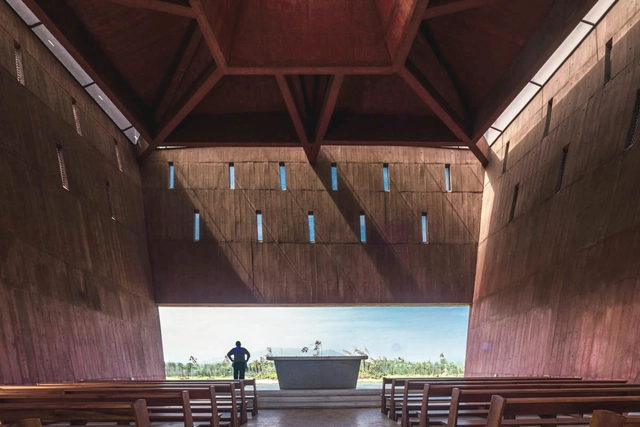
Architecture and its atmospheric qualities have long been a subject of discussion, yet reaching a consensus on the matter remains elusive. This is largely because spatial experience is deeply personal—rooted in emotions, sensory perceptions, and individual preferences that are difficult to articulate in words alone. The way one perceives, feels, and interacts with a space adds another layer of complexity, making it challenging to define and agree upon its atmospheric impact. Nevertheless, architects and designers continuously strive to shape environments that are not only functional and comfortable but also capable of evoking emotions and leaving a lasting impression on their occupants.
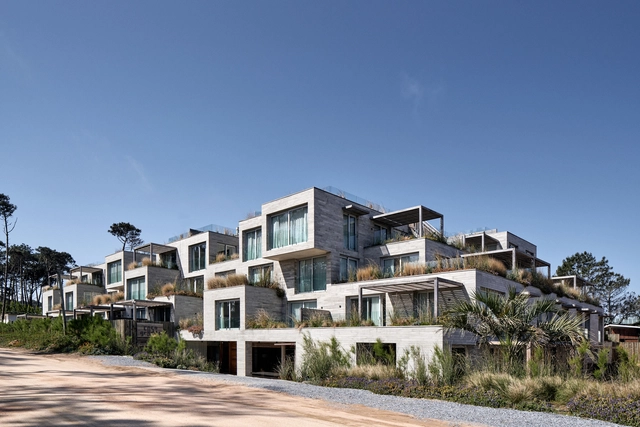
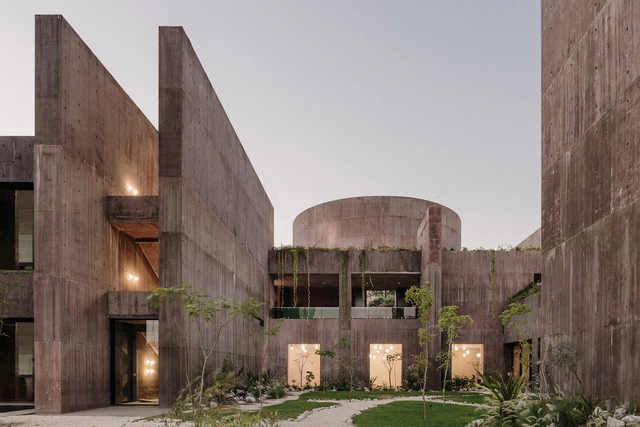
The Mies Crown Hall Americas Prize (MCHAP) at the College of Architecture at Illinois Institute of Technology has announced the shortlist of 53 Outstanding projects. The 5th cycle of awards celebrates built works completed in North, Central, and South America in 2022 and 2023, striving to bring visibility to those projects that best address the demands of our time and work towards building resilient communities.