


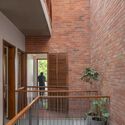
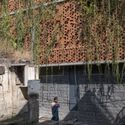

-
Architects: A Threshold
- Area: 2250 ft²
- Year: 2024
-
Professionals: Rays Consulting Engineers




More than 5000 new projects published throughout 2021 make ArchDaily the largest online architecture library in the world. ArchDaily Curatorial Team researches, contacts offices, prepares, and delivers the built projects in the world on a daily basis, with the objective of providing inspiration, knowledge, and tools to our users who take part in the creation of better built environments.

Residential architecture is one of the most popular categories among our readers. In 2021 we published more than 3,800 projects, featuring houses from different regions of the world and offering a variety of solutions, materials, contexts, environments, scales, and typologies. Providing a broad source of inspiration for those seeking references for their own residential project.
.jpg?1629385080)


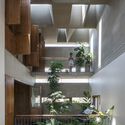

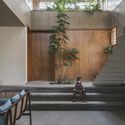









.jpg?1629386217 "© Atik Bheda")
.jpg?1629385519 "© Atik Bheda")
.jpg?1629385482 "© Atik Bheda")
.jpg?1629385345 "© Atik Bheda")
.jpg?1629385080)