-
Architects: estudio Hass
- Area: 75 m²
- Year: 2026

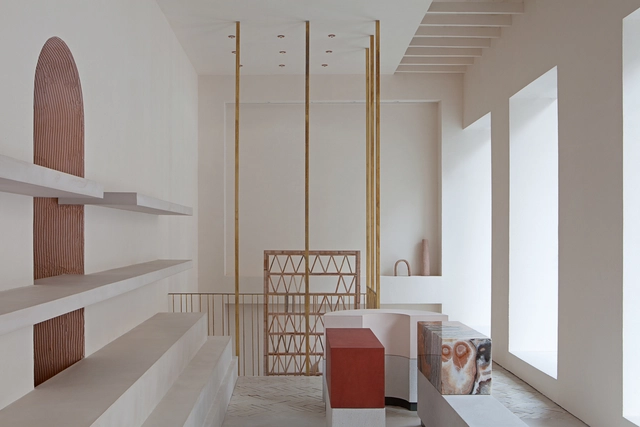
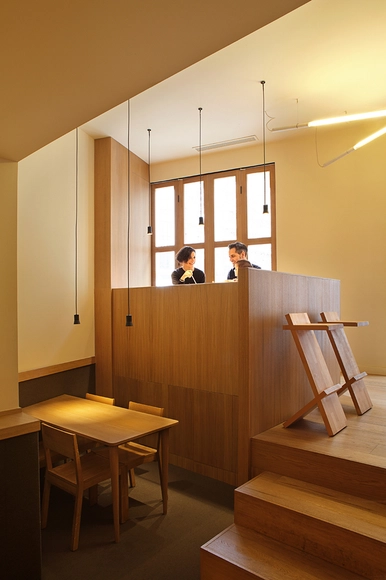
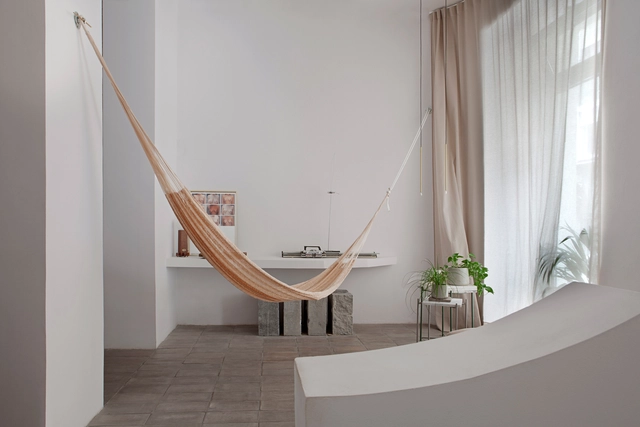
As co-living becomes increasingly associated with students, young professionals, and other mobile residents, it raises a broader architectural question: if home is no longer tied to long-term residence, what should architecture expect the private dwelling to provide?
People move for school, for a temporary job, or for a career that keeps taking them somewhere new. Many now expect to spend a defined period in a place before leaving it. Housing built for them has to do more than provide shelter. It has to support the routines through which someone adapts to an unfamiliar place, in the short time they know they have there. A year in a city asks something different of an apartment than a lifetime does, even if the square meters look the same on paper.
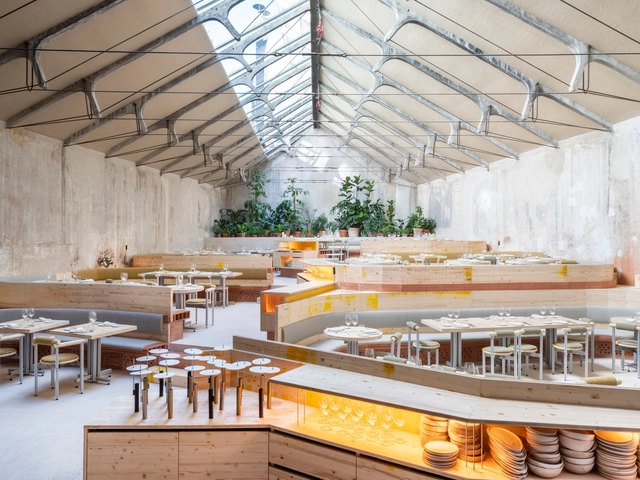
The post-pandemic world has undergone transformations in various aspects, including urban tourism and new modes of travel. With the rise of remote and freelance work, many people now have the freedom to move between cities without needing to establish a permanent residence. This has turned bars, restaurants, and cafés into more than just spaces for consumption: they are now temporary offices and, in many cases, settings for a variety of activities.
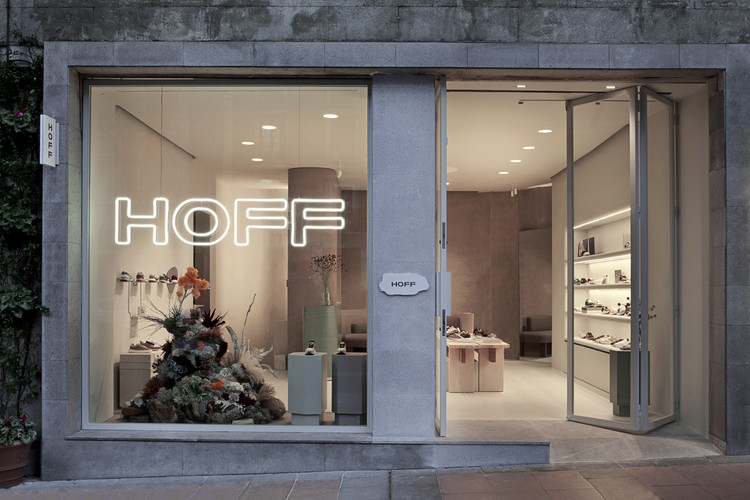
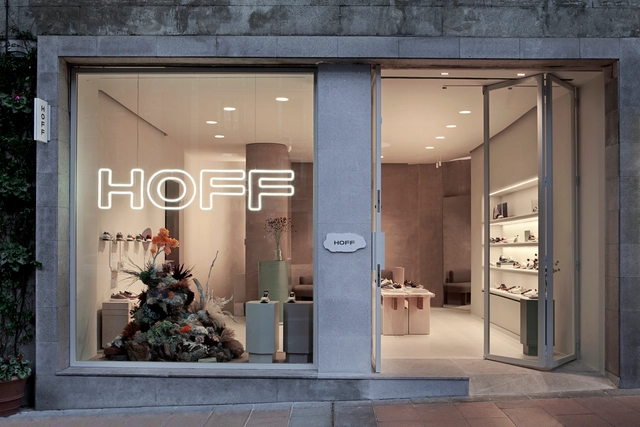
On the other hand, shops and retail spaces have evolved to offer more than just the sale of products or services. They have become part of a holistic consumer experience, fostering an emotional connection with users.
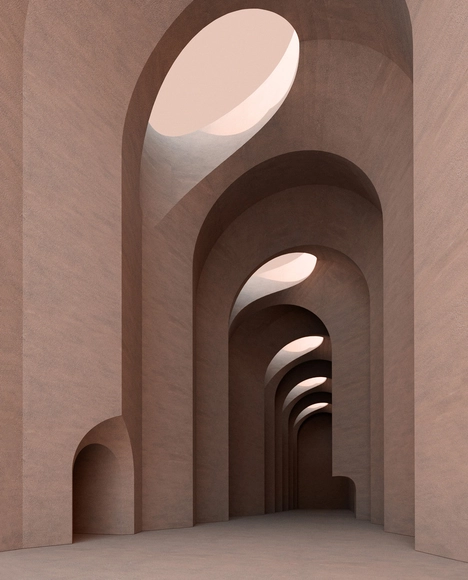
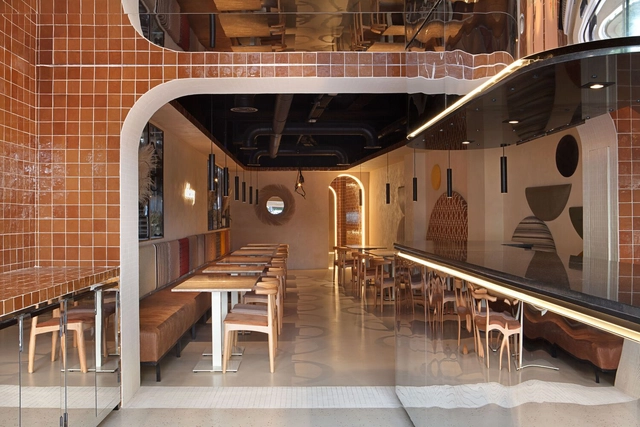
Pantone Color Institute has selected PANTONE 17-1230 Mocha Mousse as the Color of the Year 2025. The warm, brown hue, reminiscent of chocolate mousse and latte coffee, aims to bring a sense of comfort, intimacy, and elegance. This represents a versatile hue that can be combined in a multitude of pallets, from monochromatic earthy shades to mixtures of soft pastels, or even exotic combinations of vibrant colors balanced out with the rich yet subdued tone of Mocha Mousse.
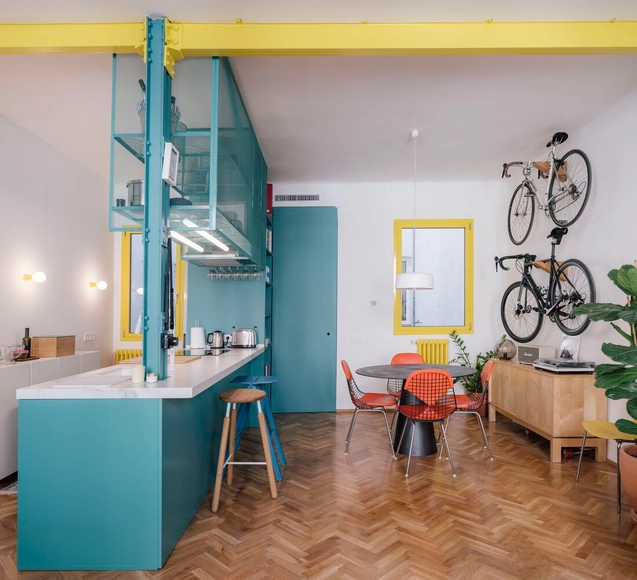
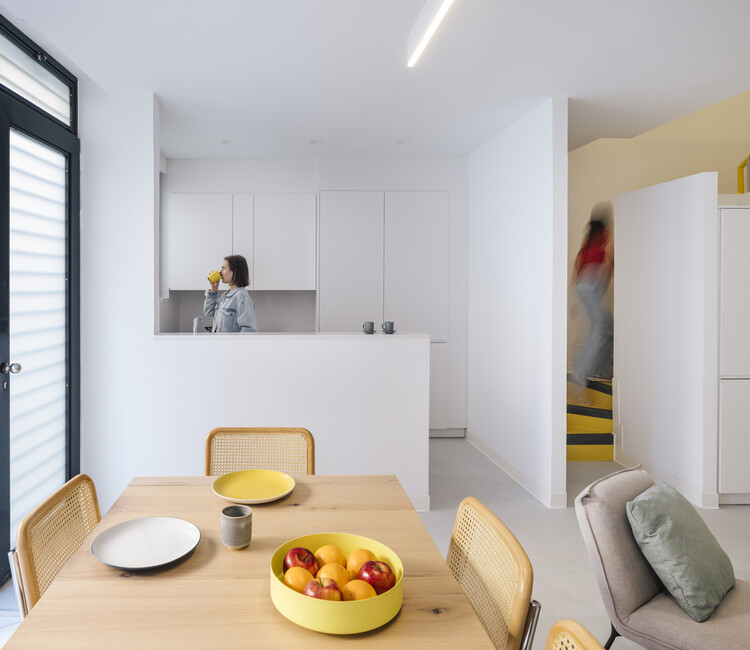
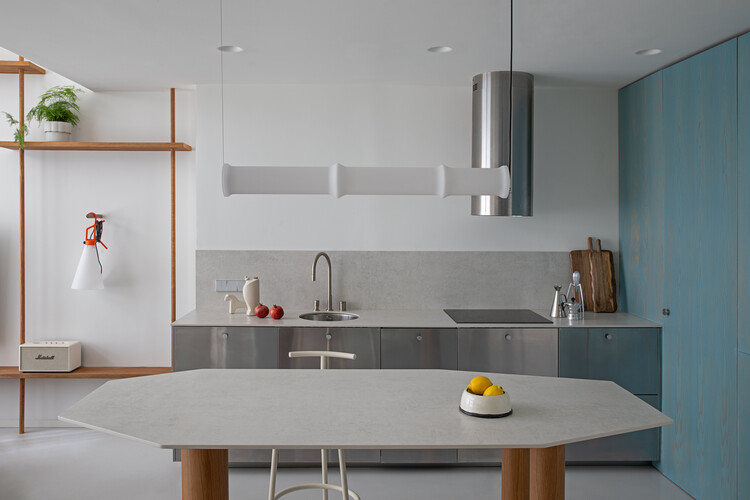
The domestic space reflects individuals' activities, behaviors, and actions, where various dynamics and processes coexist as part of daily life. Although each home has its distribution logic according to the time of its design, the needs of its inhabitants, the technologies of the era, and other factors, residential interior renovations often express an interest in recovering old structures and façades, recycling unused furniture, restoring high-quality elements present in coverings and flooring, or directly integrating new features to achieve greater spatial fluidity, lighting, and optimization of surfaces.
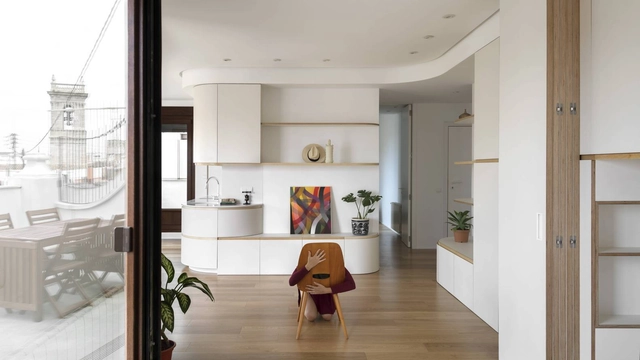
How to design livable spaces, making the most of the available square meters? Currently, the design of housing in major urban centers is often linked to finding ways to optimize interior spaces, integrate environments for better lighting and ventilation, and establish a connection with the outdoors. According to the needs of its inhabitants, project requirements, and often construction costs, architecture professionals seek to provide flexibility, spaciousness, and adaptability to spaces through renovations, transformations, and more, which provide good living conditions and consider the possible changes that future generations may have to face.
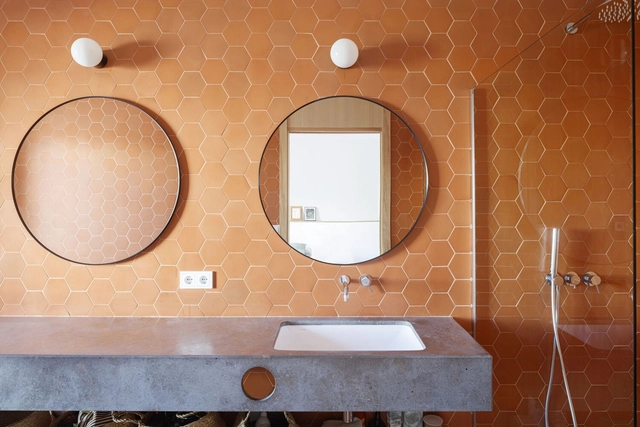
Over time, the space of the bathroom in the domestic sphere has increasingly gained importance. Nowadays, it is conceived as a space for well-being and health, where one can have an experience that meets the needs and requirements of its users. Beyond the different technologies implemented, the designs applied, or the materials used, architects and designers demonstrate, day by day, the multiple configurations and arrangements that these spaces can adopt through their projects, developing strategies both on an aesthetic and design level, as well as on a technical and functional level.
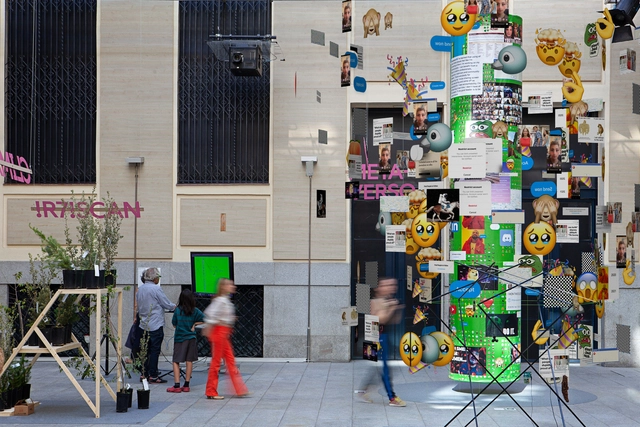
Looking to reformulate the relationship between humans, territories, and globalization, “Ecologies for Other Architectures” gathered for two days in Madrid emerging international architects to propose narratives on urban environments and their undergoing changes. Curated by Itinerant Office within the network of New Generations, the event featured 7 scenarios, 7 models, 7 narratives on nature, technology, bodies, material transformation, soil, participation, and (no) humans. The event employed recycled material and a fast-mounting strategy to guarantee zero impact.
.jpg?1566510800&format=webp&width=640&height=580)
Inspired by the successful Tejiendo la Calle initiative—winner of the Design and Citizen Participation Award at the 2016 Ibero-American Design Biennial—Supertrama is a public art program in the autonomous community of Extremadura, Spain, focused on rural areas. In municipalities with fewer than 5,000 inhabitants, residents collaborate with architects, artists, and other creative professionals interested in public art to transform their local public spaces.
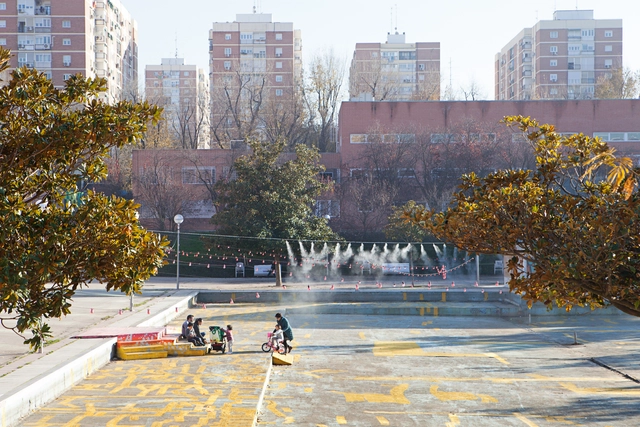
How can we reactivate the Plaza de la Vaguada within an environment where we can connect in a different way? How can we emphasize the nature of coexistence to generate new fields of complicity and empathy between residents and their surrounding environment? ‘Acciones ExtraOrdinarias’ is a public art project developed in the Parque de La Vaguada since June 2018, within the framework of the ‘Imagina Madrid’ program. In it, the artistic team—composed of Estelle Julian, Paula Valero, and C+Arquitectos, with the collaboration of Leonor Martín—aims to fill the plaza with actions ranging from performance to spatial intervention, articulating new bonds between the district's diverse communities and restoring conviviality, desire, and joy to this previously abandoned space.