
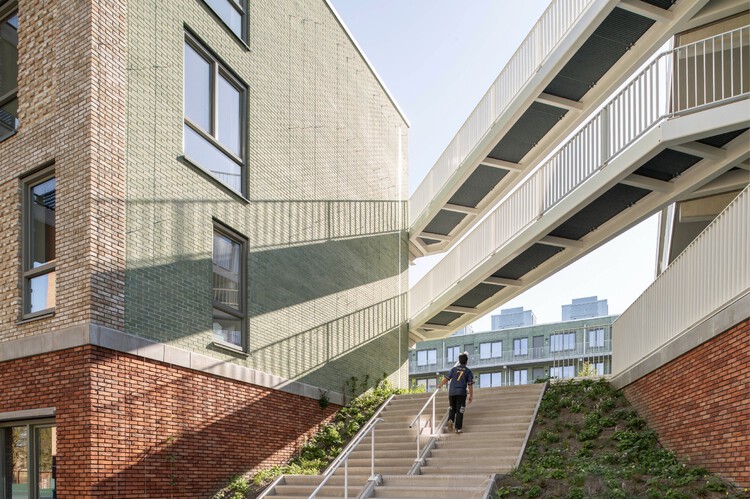
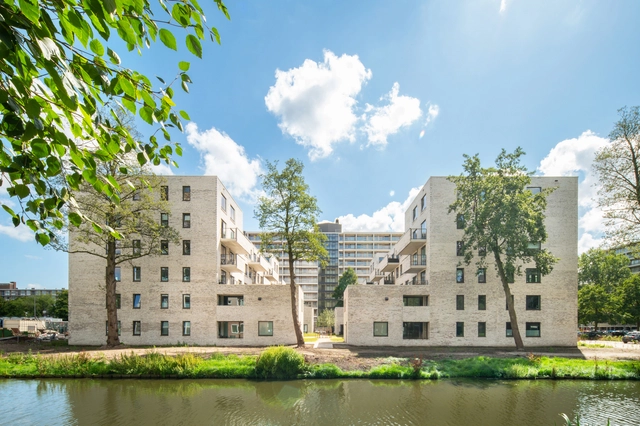
Steenzicht Social Housing / JVST


https://www.archdaily.com/1043004/steenzicht-social-housing-jvstNina Vuga
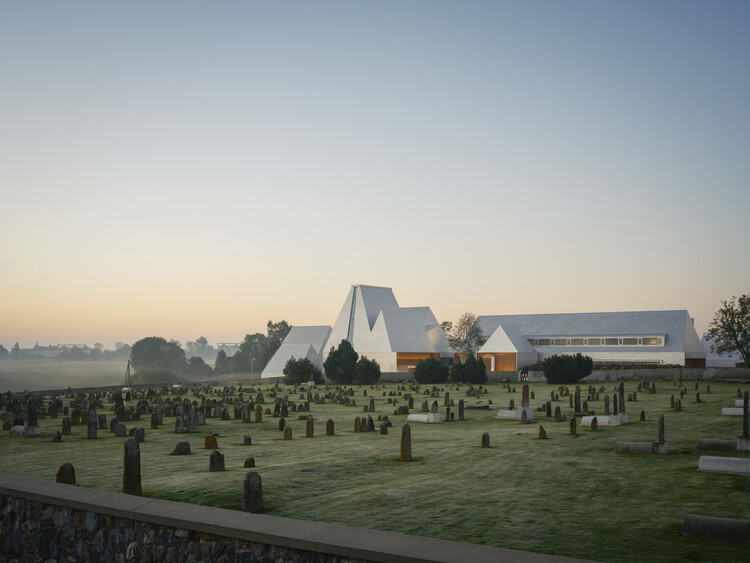
The Lost Shtetl Jewish Museum / Lahdelma & Mahlamäki Architects


-
Architects: Lahdelma & Mahlamäki Architects
- Area: 4900 m²
- Year: 2025
-
Manufacturers: Parmet
-
Professionals: Ralph Appelbaum Associates, Enea Landscape Architecture
https://www.archdaily.com/1041101/the-lost-shtetl-jewish-museum-lahdelma-and-mahlamaki-architectsPilar Caballero
No Solid Ground: Three Approaches to Building Below Sea Level in Rotterdam

Architects carefully calibrate their relationship to the earth, adjusting foundations to soil, groundwater, climate, risk, and culture. Driven timber piles, rammed-earth platforms, and poured concrete slabs are each a response to a specific set of ground conditions, and each shapes the architecture that rises from it. The way a building meets the earth determines its durability and its limits because foundations are among the most consequential design choices an architect makes.
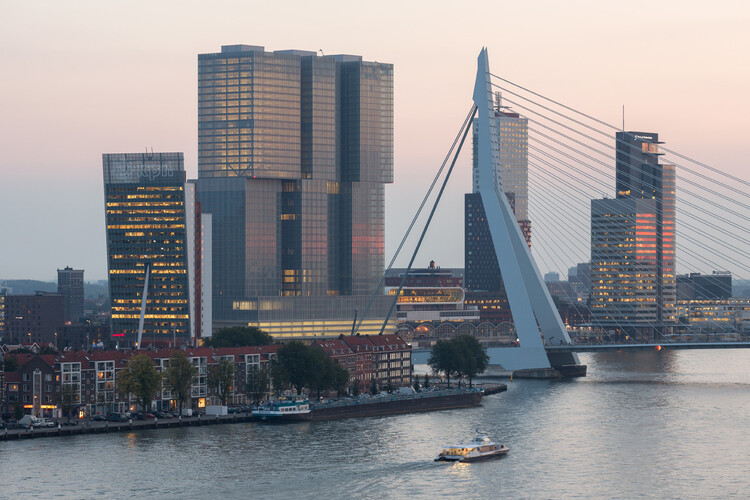
The city of Rotterdam sits approximately one meter below sea level, an organizing condition that shapes daily life in the Netherlands' second-largest city and is a growing preoccupation amid unstable coastal conditions. The city occupies the delta of the Rhine and Maas rivers, a landscape that was never naturally dry but has been kept functional through centuries of hydraulic intervention. The water boards in this region are among the oldest democratic institutions in the world, created in the thirteenth century to manage shared water drainage and still operating today as elected bodies with technical capacity. As sea levels rise and rainfall across Northern Europe grows less predictable and more extreme, Rotterdam faces a significantly increased risk of coastal storm surges and urban flooding driven by overwhelmed drainage infrastructure.


https://www.archdaily.com/1040325/no-solid-ground-three-approaches-to-building-below-sea-level-in-rotterdamOlivia Poston
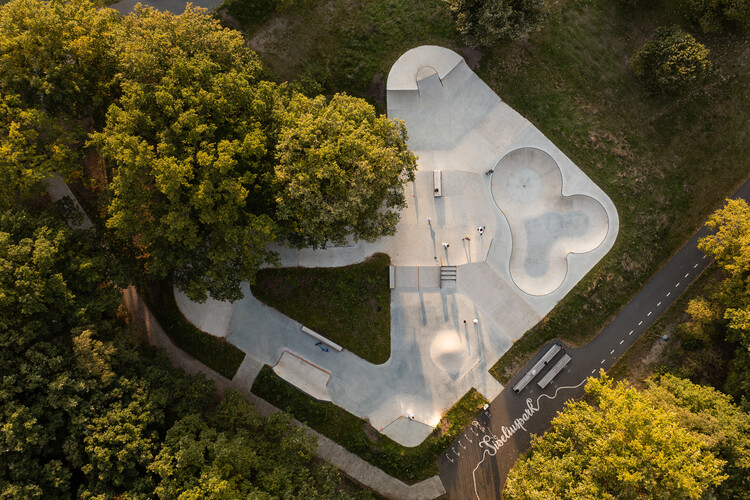
Sibeliuspark / KCAP


https://www.archdaily.com/1038860/sibeliuspark-kcapHadir Al Koshta
Introducing the 75 Finalists of the 2026 ArchDaily Building of the Year Awards

Two weeks and over 85,000 nominations later, the finalists of this year's Building of the Year Awards are in. The selection is much like the ArchDaily audience that chose it: diverse in geography, generous in ideas, and precise in intent. With projects from 46 countries, in a variety of typologies and scales, they present a beautiful snapshot of the current architectural moment.
We invite you to sit back, browse, and vote for your ultimate favorites. Below, you will find all of the 75 finalists in their respective categories. Voting is open until February 18th at 18:00 EST. Thank you—your participation is key to making this the world's largest community-driven architecture award.
https://www.archdaily.com/1038674/introducing-the-75-finalists-of-the-archdaily-2026-building-of-the-year-awardsDaniela Porto
Architecture in Rhythm with Time: Designing Through Solar, Lunar, and Biological Cycles
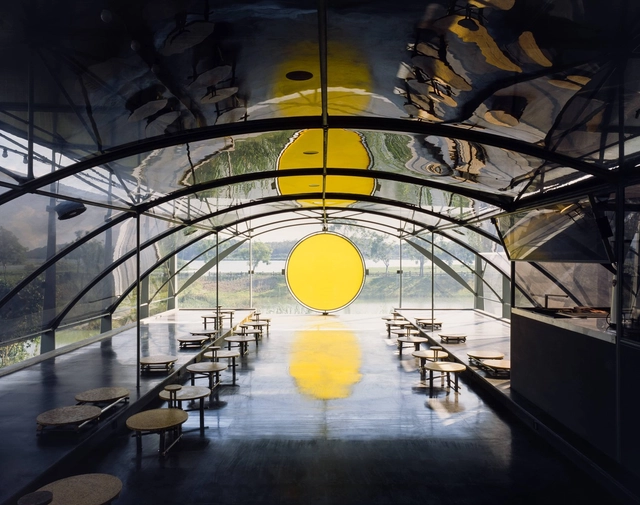
As the solstice marks the shortest day of the year in the Northern Hemisphere, it also draws attention to something architecture has long negotiated but often overlooked: time. Beyond form or function, buildings and spaces are continuously shaped by cycles of light and darkness, seasonal shifts, and environmental rhythms that affect how they are inhabited.
In recent years, a growing number of architectural projects have begun to work explicitly with these cycles. Rather than designing spaces to function in a single, fixed way, architects are creating environments that change throughout the day, across seasons, or in response to natural phenomena such as the sun's path, lunar phases, wind patterns, or circadian rhythms. These projects operate in dialogue with time, appearing, transforming, and activating differently depending on environmental conditions.


https://www.archdaily.com/1037346/architecture-in-rhythm-with-time-designing-through-solar-lunar-and-biological-cyclesDaniela Andino
Interior Design Trends of 2025

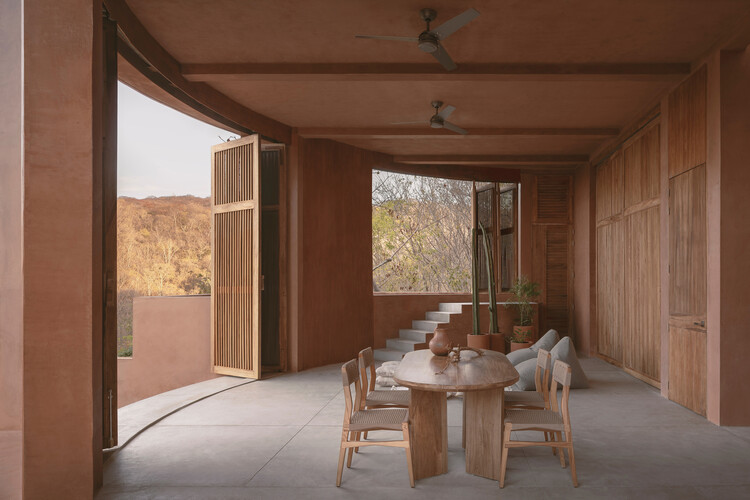
As 2025 approaches its end, we look back at an eventful year in the world of interior design. Last year, designers favored reserved, modest approaches, a trend that continued from previous years. The emergence of artificial intelligence generated intense discussions on digital equity and misinformation, which continued into 2025, especially with the topic of the Venice Architecture Biennale, Intelligens. This opened the conversation to the opportunities of digital technologies, attempting a more hopeful outlook. On the other hand, completed interior design projects over the year focused more on the tangible and the pragmatic, with expressed raw materials and an appreciation of history.


https://www.archdaily.com/1036727/interior-design-trends-of-2025Mohieldin Gamal
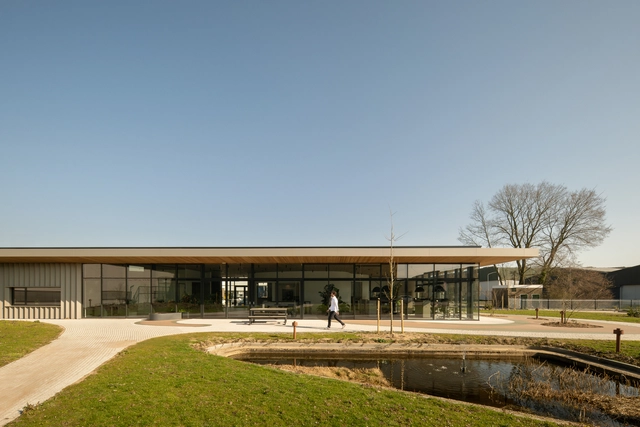
Aluned HQ / HA-HA Design & Development


-
Architects: HA-HA Design & Development
- Area: 800 m²
- Year: 2025
-
Manufacturers: Aluned, Awood, Frenoflex, Stalku
https://www.archdaily.com/1031410/aluned-hq-ha-ha-design-and-developmentHadir Al Koshta
Pavilions in Urban Spaces: On the Experimentation, Recycling, and Reuse of Materials
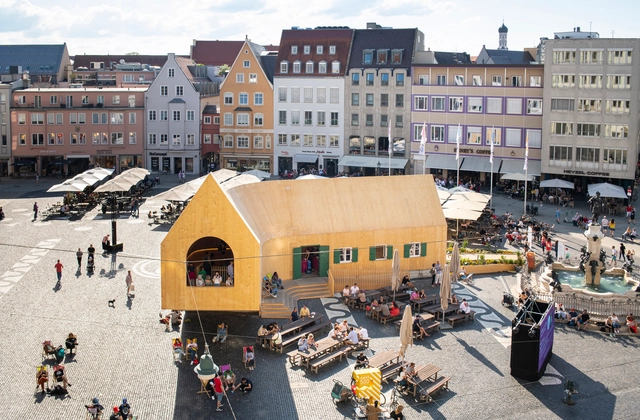
How do pavilions emerge in architecture? What role do they play in urban spaces? Beyond the multiple interpretations that exist around the world, the pavilion, as an architectural principle and typology, tends toward extroversion, often associated with a centrifugal nature and visual openness toward the horizon, which is linked to its origins as a tent offering shelter from the elements. Pavilions are usually identified as isolated and independent structures that can promote lateral openings in the urban space, panoramic or introspective views, technological reflections, and material experiments that are recognizable from the outside or once inside.


https://www.archdaily.com/1021424/pavilions-in-urban-spaces-on-the-experimentation-recycling-and-reuse-of-materialsAgustina Iñiguez
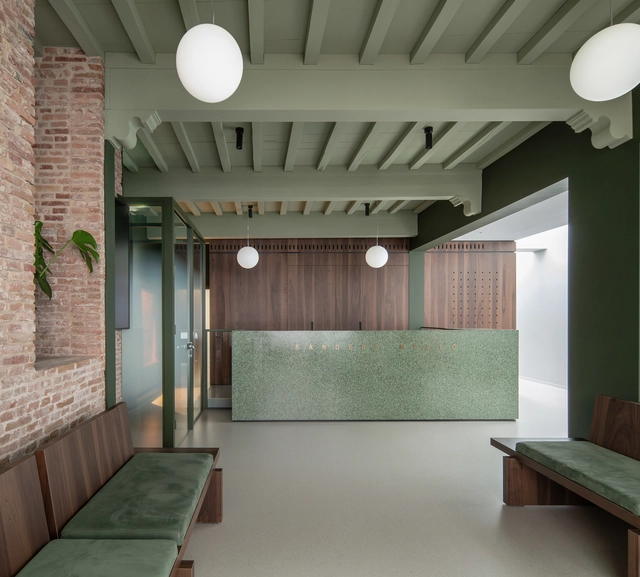
Sanders Mello Building / Buro/S Architects


-
Architects: Buro/S Architects
- Area: 600 m²
- Year: 2025
-
Manufacturers: MHB, Maas en Hagoort, Mosa, Petersen Tegl, Saint Gobain Glass, +1
https://www.archdaily.com/1029412/sanders-mello-buildin-buro-s-architectsHadir Al Koshta
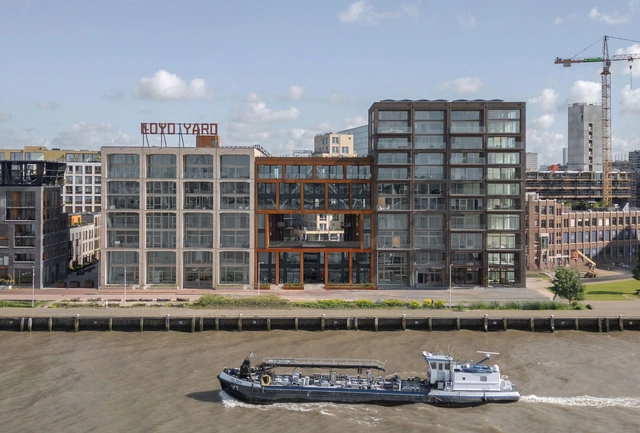
Lloyd Yard Rotterdam Block / WE architecten + Paul de Ruiter Architects + ZUS
-
Architects: Paul de Ruiter Architects, WE architecten, ZUS
- Year: 2024
-
Manufacturers: Wienerberger, BringMe, Engels Baksteen, Fek, Formica, +5
-
Professionals: ZUS [Zones Urbaines Sensibles], Kroon en de Koning, Boele en van Eesteren
https://www.archdaily.com/1022882/lloyd-yard-rotterdam-block-we-architecten-plus-paul-de-ruiter-architects-plus-zusPilar Caballero
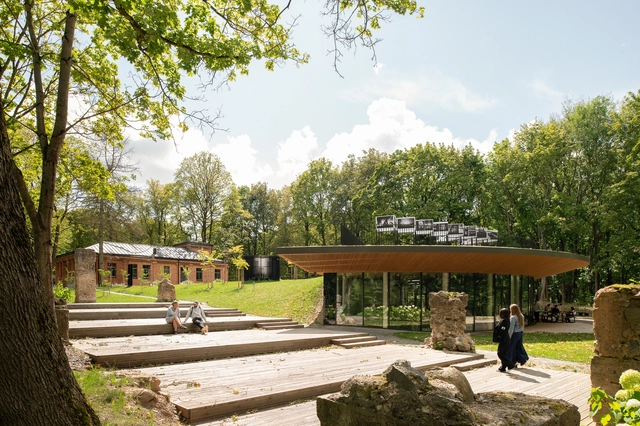
Art Center Historic Homestead Transformation / PUPA Life Over Space


-
Architects: PUPA Life Over Space
- Area: 700 m²
- Year: 2024
-
Professionals: Mutuus, Terra Firma LT, Hus Studio
https://www.archdaily.com/1021698/art-center-historic-homestead-transformation-pupa-life-over-spaceHadir Al Koshta
Meadow House Maasland / JURY!
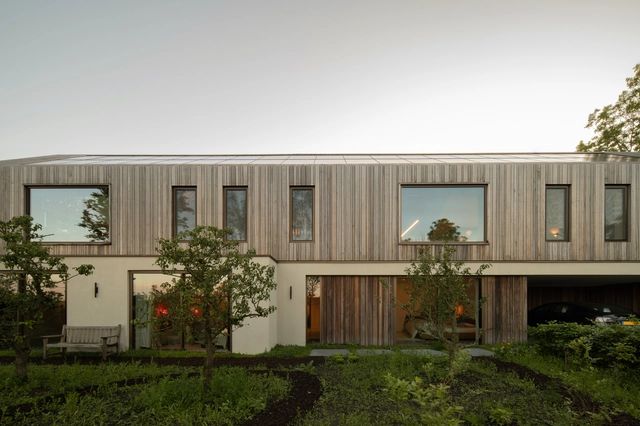


https://www.archdaily.com/1018869/meadow-house-maasland-juryHadir Al Koshta
PI59 Offices / V8 Architects
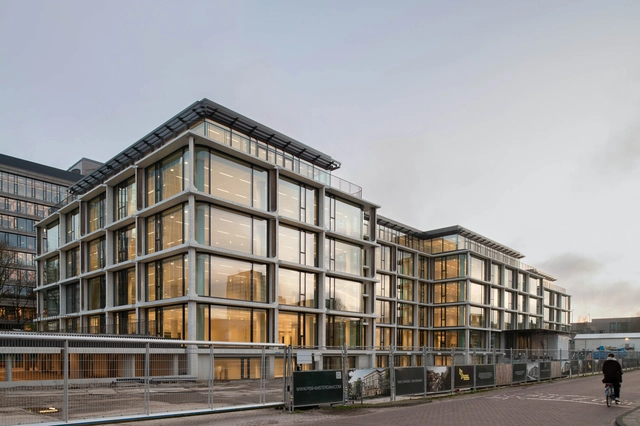


-
Architects: V8 Architects
- Area: 19810 m²
- Year: 2024
-
Manufacturers: Kingspan Light + Air, Signify, Boon Edam, Decomo, Ecotech, +11
-
Professionals: G&S&, Van Rossum Raadgevende Ingenieurs, LBP Sight, Techniplan Adviseurs, Wessels Zeist, +1
https://www.archdaily.com/1015048/pi59-offices-v8-architectsPilar Caballero
Garden Studio / Studio Abacaxi
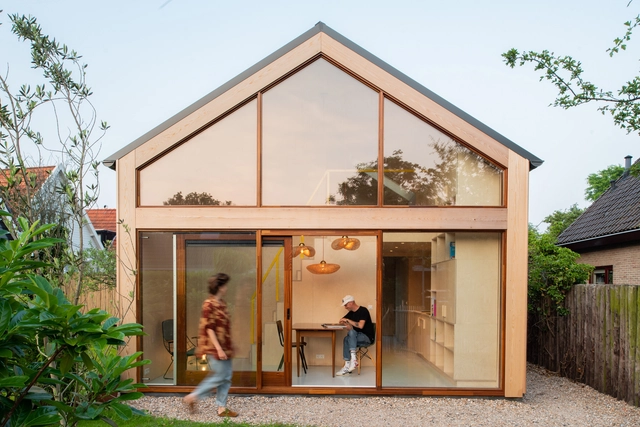


-
Architects: Studio Abacaxi
- Area: 59 m²
- Year: 2021
https://www.archdaily.com/1013803/garden-studio-studio-abacaxiValeria Silva
Green House Floriade / V8 Architects


-
Architects: V8 Architects
- Area: 10000 m²
- Year: 2021
-
Professionals: BOM Group
https://www.archdaily.com/1010634/green-house-floriade-v8-architectsPilar Caballero
EUmies Awards 2024 Announces its List of 362 Nominees
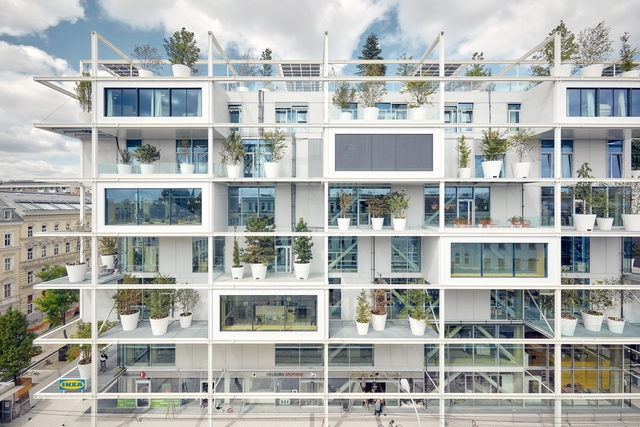
The European Commission and the Fundació Mies van der Rohe have announced the 2024 European Union Prize for Contemporary Architecture / Mies van der Rohe Awards (EUmies Awards) nominees. A total of 362 works of architecture realized over 38 different European countries have been selected, marking the first stage of the EUmies Awards’ 18th cycle. In the next stage, the jury will choose 40 outstanding projects, followed by visits to the finalists and interviews with the architects, their teams, and the project clients.
The 2024 EUmies Awards aims to recognize the best-built works in Europe completed between April 2021 and May 2023. The selection of projects reflects the current changes within the European context, with increasing attention given to environmental, social, and economic awareness expressed through architecture, landscape architecture, urban planning, and design. This year’s jury is chaired by Frédéric Druot (Paris/Bordeaux), who will be accompanied by Martin Braathen (Oslo), Pippo Ciorra (Rome), Tinatin Gurgenidze (Tbilisi/Berlin), Adriana Krnáčová (Prague), Sala Makumbundu (Luxembourg), and Hrvoje Njiric (Zagreb).


https://www.archdaily.com/1008315/eumies-awards-2024-announces-its-list-of-362-nomineesMaria-Cristina Florian
Palladio Residential Complex / V8 Architects


-
Architects: V8 Architects
- Area: 8480 m²
- Year: 2023
-
Manufacturers: Kawneer, Kooy, Mviewplus
-
Professionals: Crefu, Van Rossum Raadgevende Ingenieurs, DGMR, J. van Toorenburg B.V.
https://www.archdaily.com/1006496/palladio-residential-complex-v8-architectsAndreas Luco