



-
Architects: Designshop
- Area: 654 m²
- Year: 2022
-
Professionals: Chen Guan Builders Pte Ltd, Caerus Electric, Kawajun Interior Hardware




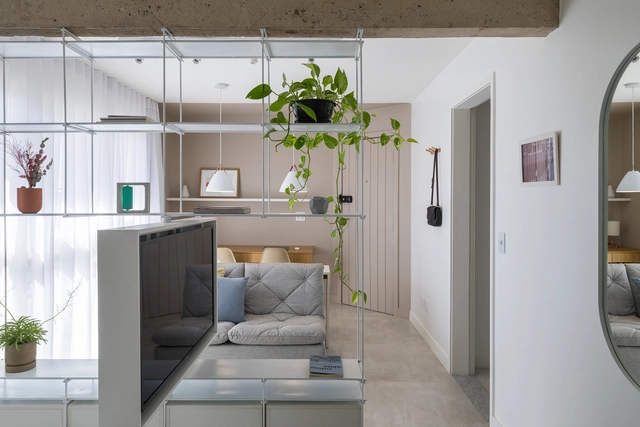
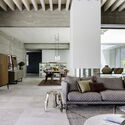
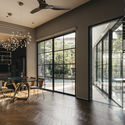
Designing a living room is not just about deciding on the sofa and rug set. Often, because it is the main environment of the house, it is connected with other programs of more public use, such as kitchens and offices - or even private, such as dormitories, in the case of apartments with a reduced area -, therefore, in order to conceive greater spatial flow, it is necessary to think of different strategies that help design a more comfortable and pleasant space.
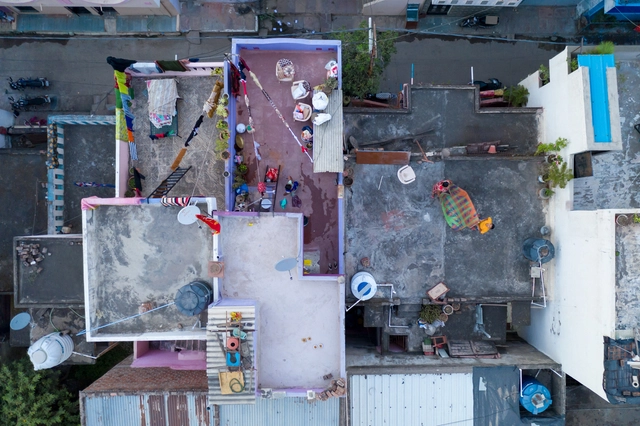
In almost every Indian language, a colloquial term for “family” - ghar wale in Hindi, for example - literally translates to “the ones in (my) house”. Traditionally, Indian homes would shelter generations of a family together under one roof, forming close-knit neighborhoods of relatives and friends. The residential architecture was therefore influenced by the needs of the joint family system. Spaces for social interaction are pivotal in collective housing, apart from structures that adapt to the changing needs of each family. The nuanced relationship between culture, traditions, and architecture beautifully manifests in the spatial syntax of Indian housing.

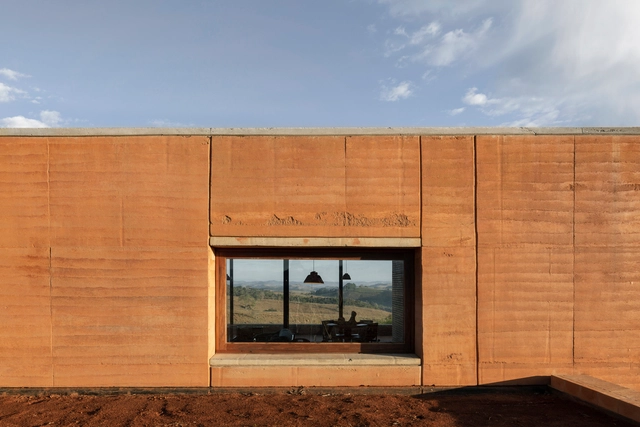
When developing a project, an architect needs to deal with numerous decisions: Does the building correspond with the client's requirements? Can the contractors build it without problems? Are the costs what were initially expected? Does the project have a good relationship with its surroundings? How will it age? To figure all of this out, the professional must take into account several issues that will both influence each other and directly affect the final product. Among these, the chosen materials and constructive techniques play an essential role, as these elements are what give shape to the designer's vision and can influence factors such as the accessibility or the environmental impact of a building.
However, being well-versed in all the options, advantages and disadvantages of each decision is a herculean task that demands resources, research and time - factors that are usually scarce in our profession. Under the motto “What is good architecture”, we have compiled a series of articles that exemplify best practices in the use of constructive materials and techniques, seeking to cover as much ground as possible for all types of questions:


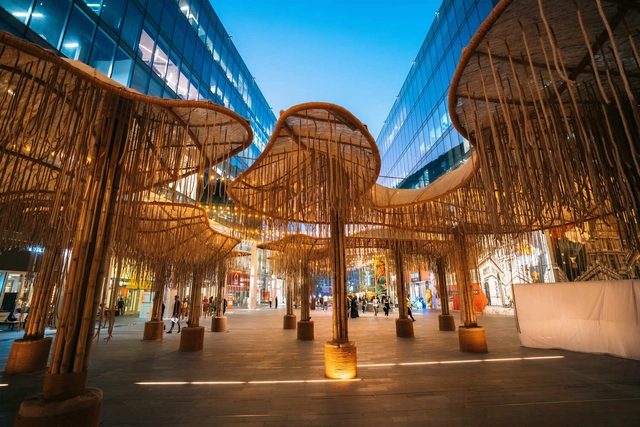
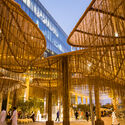
One of the most significant cultural events in the Middle East, Dubai Design Week represents a platform that offers individuals and companies the opportunity to showcase their design experience and to open conversations about the most pressing issues of our times. Developed in a strategic partnership with Dubai Design District (d3), the event presents a series of immersive, large-scale installations that highlight the festival’s theme: Design with Impact.
This year’s program is focused on designing a sustainable future. To promote this, Dubai Design Week has invited international and regional architects and designers to create installations that demonstrate creative design thinking, to introduce innovative materials, and spark conversations about the ways in which design can have a positive impact on the environment.