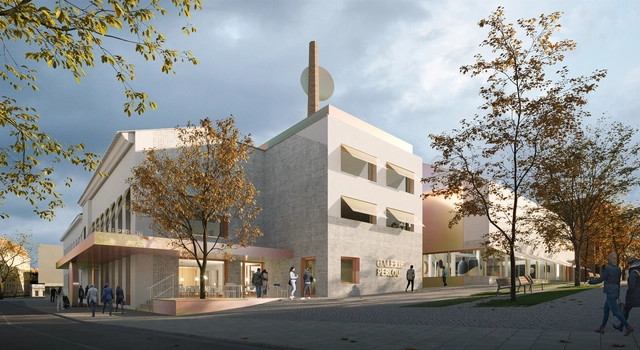
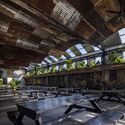
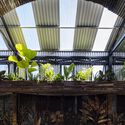
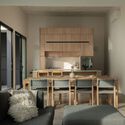
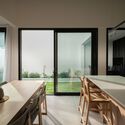
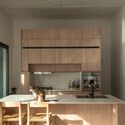
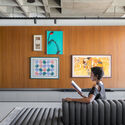
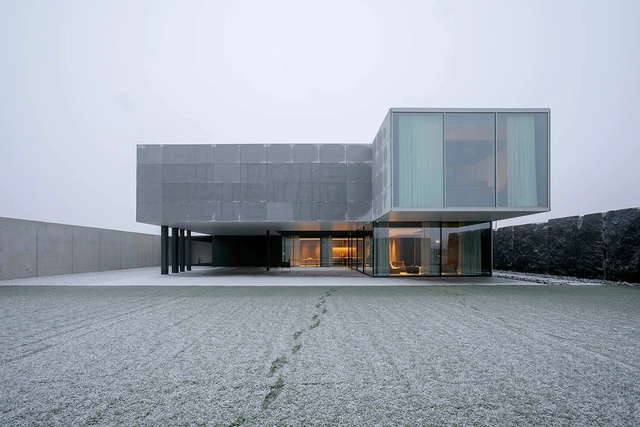
Pearl Gallery Renders. Image Courtesy of CHYBIK + KRISTOF
CHYBIK + KRISTOF architecture studio has been announced as the competition winners for a new cultural landmark that will transform and re-activate public space in Ústí nad Orlicí, Czech Republic. This former textile factory will be converted into a multifunctional cultural hub available to the public. The newly revitalized building will contribute to the existing cultural infrastructure, located near the main square of the city.
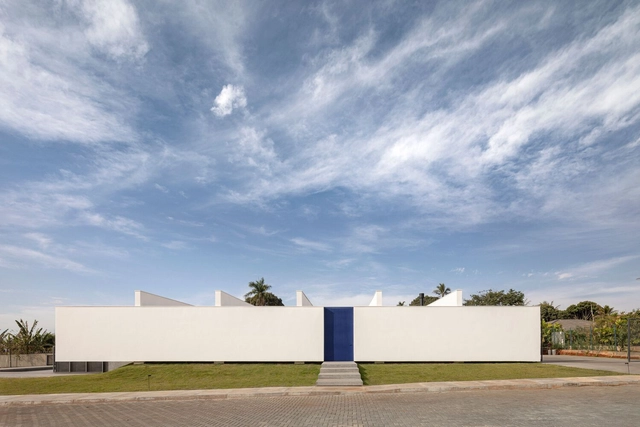
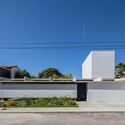
Not all projects seek a constant connection with the outside, at least not in their front façade. Despite not being a usual appearance, there are several reasons for creating an opaque façade: privacy, security, reduced energy consumption, and protection against inclement weather. More common in government, cultural or religious buildings, this solution is also found in some residential cases.
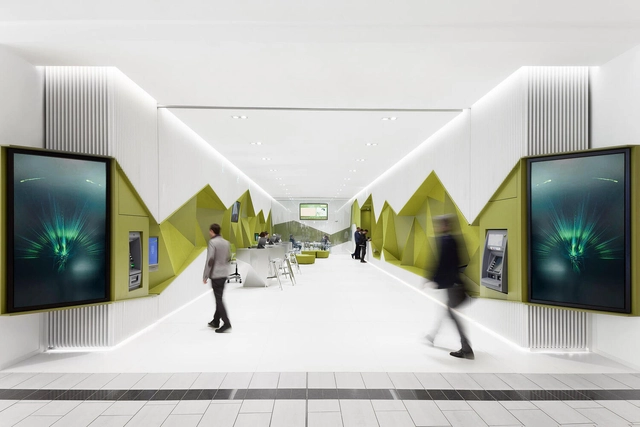
Popping down to a high-street bank branch to pay in a cheque, get out some cash or even open an account are to-do list tasks of the past. With almost all financial services now available online and digital transactions taking more of the market share (up from 28% to 41% from 2019 to 2022), more and more retail branches are shutting up shop.
The complicated worlds of both technology and finance, however, continue to fill many customers with confusion and dread, so perhaps the friendly face of a physical bank storefront with actual humans still has a place. These evolved retail banking interiors hark back to a longed-for time when we knew our local bank manager’s name, but work in conjunction with technology to offer hybrid financial services alongside more personal advice, in comfortable and comforting surroundings.
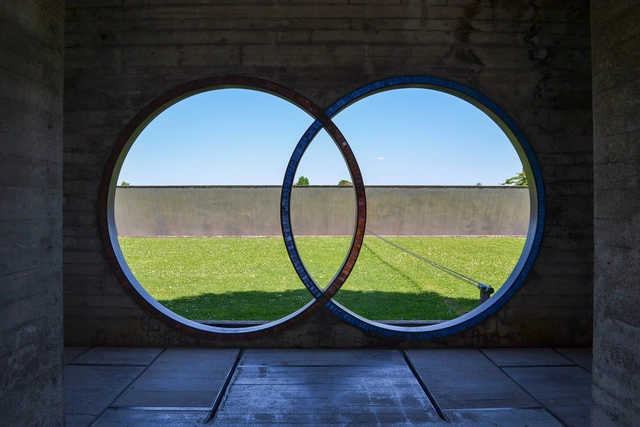
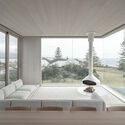
Natural light is one of the most critical elements in architecture. Although unbuilt and difficult to control, it plays a crucial part in defining how space is perceived in terms of scale, textures, materiality, and overall atmosphere. Natural light also impacts the emotions people feel in a space, whether lack of light makes us feel fear and anxiety or ample light makes us feel safe and ethereal. As much as light impacts architecture, architecture also impacts light. Through framing vistas, creating 3D massings that cast sculptural shadows, and carving voids from solids that create unique light projections, many architects have mastered design techniques that utilize light in a way that seamlessly integrates it within a building- and perhaps one of the best to do this was the Venetian architect, Carlo Scarpa.
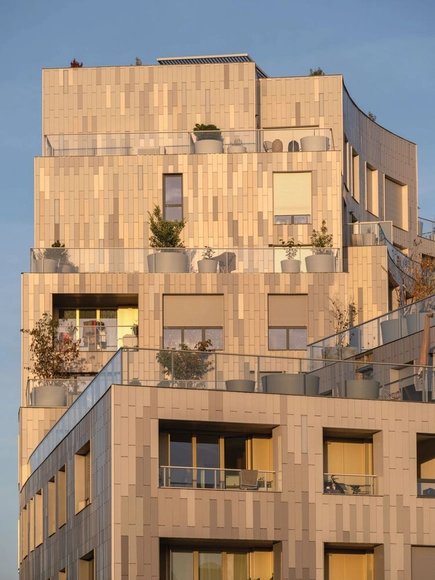
Ascension Paysagère, designed by Dutch office MVRDV, is a mixed-use development that combines residential, commercial, and community spaces in the French city of Rennes. It stands out from its surroundings through a series of stepped terraces inspired by geological formations such as gorges and mountain ranges, with terraces designed to provide a variety of living and communal spaces, as well as tree-lined gardens and public squares. To amplify the effects desired by the designers, the chosen ceramic tile resembles the rock colors of the region, and changes its appearance with every change in climate, reflecting the environment and the light.
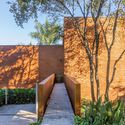
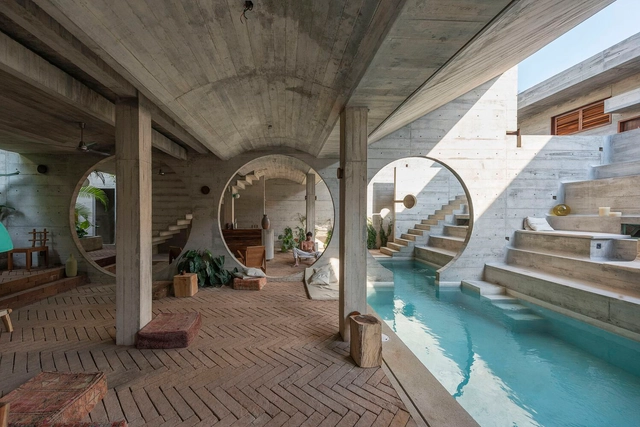
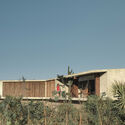
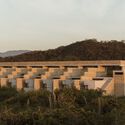
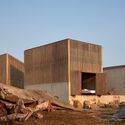
Although there is no exact record of the specific moment in which Puerto Escondido began to become a reference of contemporary Mexican architecture, various waves have been experienced. Perhaps the first one started in 2016 when the construction of Casa Wabi began, a Tadao Ando project where the Mexican office BAAQ´ collaborated as associates to develop the executive project and coordinate its construction. However, in 2019 another wave was experienced that was later reinforced by the beginning of the COVID-19 pandemic and remote work, which radically aroused interest in returning to the provinces and costs where there was less population and overcrowding.