

-
Architects: DUB Arquitectura
- Area: 1615 ft²
- Year: 2022
-
Manufacturers: Abriga, MSH






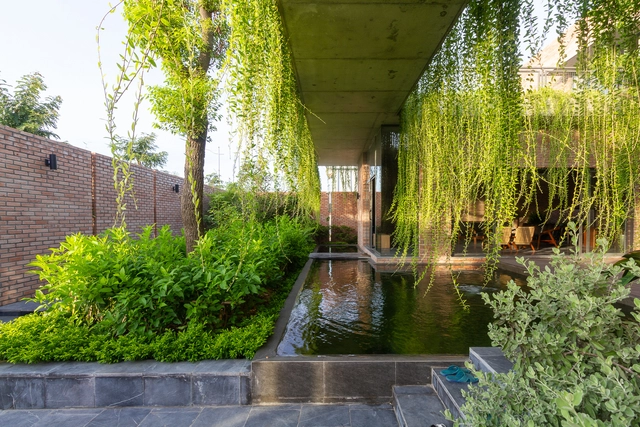
If ancient Hellenic sources are to be believed, hanging gardens have existed at least since antiquity when the famous Hanging Gardens of Babylon were described by writers such as Herodotus and Philo of Byzantium. Today, vertical gardens have proliferated alongside the interest in indoor plants and gardens, especially in suitable climates. This trend in architecture reflects a simultaneous uptick in interest toward sustainability and a more pastoral, back-to-nature lifestyle. In the projects listed below, several of the architects mention moving forward from an industrial past—with its concomitant environmental effects—toward a better future, or at least a secluded, fresh, and natural outpost amidst the chaos of modern city life. Indoor gardens, and the visual allure of hanging plants and climbing vines, provide the setting for such a life. These vertical designs simultaneously conserve space and embed the plants within the atmosphere of the house, ensuring the space feels as much like a garden as it does a comfortable home.
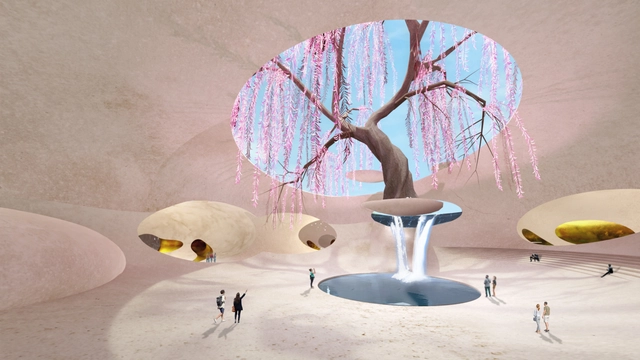
The new metaverse platform pax.world, set to launch in early 2023, has announced its collaboration with global architecture offices Grimshaw, HWKN, Farshid Moussavi, and WHY to create “Metaserai,” a vast social and cultural hub envisioned as the core of the new virtual community. The hubs are designed to host virtual cultural, social, and educational events such as concerts, theatre shows, digital art galleries, markets, lectures, parties, and festivals.
The pax.world platform aims to develop into a fully functioning society governed by a Decentralized Autonomous Organization, also known as a DAO. The virtual space will be divided into privately-owned plots of land punctuated by Metaserai communal hubs. These take inspiration from the Caravanserai of the ancient Silk Road, which became hubs for commerce and cultural exchange. Each of the architects is designing their own interpretation of Metaserai.
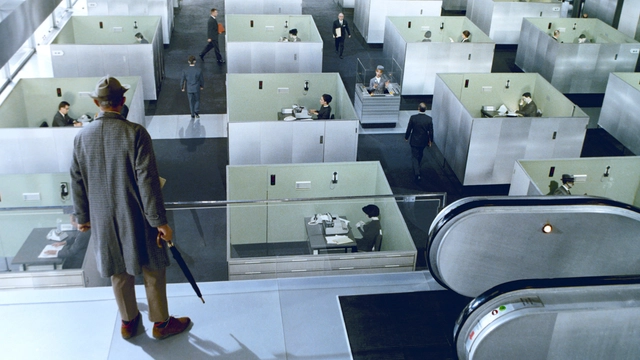
Of all arts, there is one that is truly capable of embracing architecture, and that is the cinema. The ability to represent spaces, moving in the course of time, brings cinema closer to architecture in a way that goes beyond the limitations of painting, sculpture, music - for a long time considered to be the art closest to ours - and even of dance. Both in cinema and in architecture space is a key subject, and although they deal with it in different ways, they converge by providing a bodily - and not only visual - experience of the built environment.

From the 19th century onwards, with the Industrial Revolution, the growing population, and the ever-more pressing demands for urban space in Europe, the first reflections on the city emerged. More than that, the process of disciplinary structuring of urban design begins as a theory and practice inherent to the new historical moment that was being consolidated and would have its product, concerning cities, as an attribute of the 20th century. Within this disciplinary logic, configured from a social or political demand linked to militaristic pretensions of order and urban control, the 20th century was the stage for the entire development of this industrial society, which had the city as its horizon.
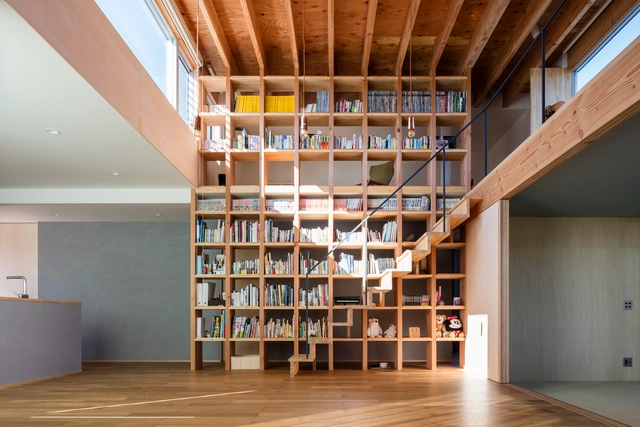
Home spaces filled with clutter and mess can be mentally exhausting, making it impossible to relax with the weight of life visually bearing down on an interior. ‘Tidy space, tidy mind’ as the idiom instructs, and home environments that focus on clean lines – either with a minimalist lifestyle, decluttering, or expansive and well-organized storage systems – cultivate a more meditative mindset. Perhaps, however, the demonization of clutter and these are, characterless spaces it creates, can get a little, well, boring.
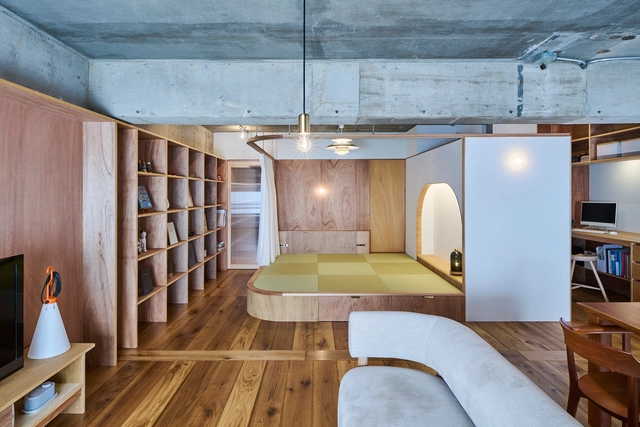
So-called ‘clutter’ can still spark joy when given an opportunity, however. So whether they hold treasured memories in photo frames, bookcases of stories not just in print, proud achievements, inspiring equipment, or functional items kept close to hand, open storage elements like shelving, doorless cabinetry, or hanging hooks and pegs can create decorative, textured and, most importantly, personalized surfaces.

















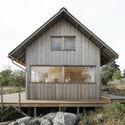
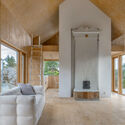
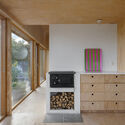


_-18.02.2020-.jpg?1609783836 "Ster House / DELUTION. Image Courtesy of Delution Architect")