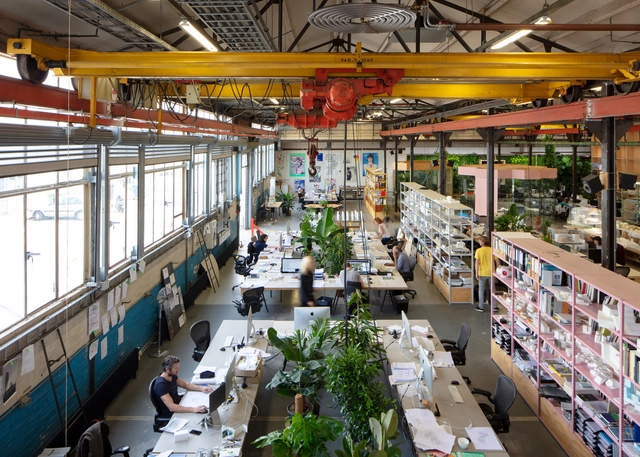
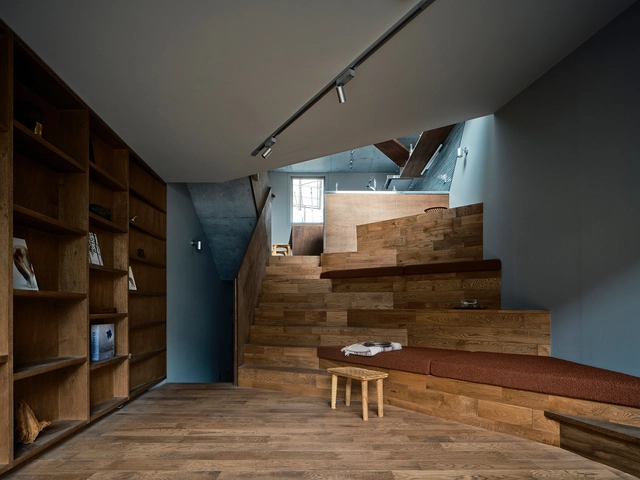
The first image that comes to mind when we think of an office is a place with a table and chair. But it was not always the case. In the Middle Ages, monasteries were the main places for study and knowledge, with private rooms designed to help monks concentrate when researching. However, records state that such spaces were uncomfortable since scholars remained standing most of the time.
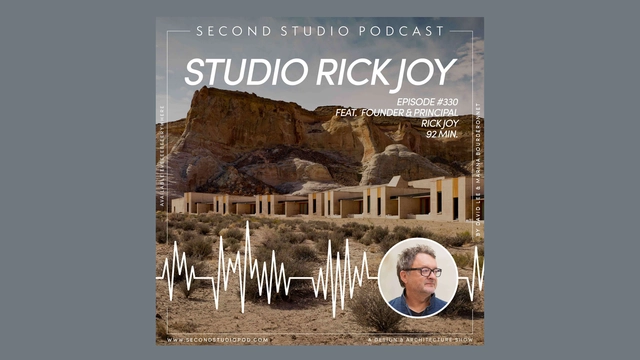
The Second Studio (formerly The Midnight Charette) is an explicit podcast about design, architecture, and the everyday. Hosted by Architects David Lee and Marina Bourderonnet, it features different creative professionals in unscripted conversations that allow for thoughtful takes and personal discussions.
A variety of subjects are covered with honesty and humor: some episodes are interviews, while others are tips for fellow designers, reviews of buildings and other projects, or casual explorations of everyday life and design. The Second Studio is also available on iTunes, Spotify, and YouTube.
This week Architect Rick Joy, Founder and Principal of Studio Rick Joy joins David and Marina of FAME Architecture and Design to discuss his background; transitioning from his career as a percussionist to architecture; his philosophy and practice; the pros and cons of design-build; his process and thoughts on architectural style; and more.
The traditional architecture of the past can sometimes seem a long way from the modern, open-plan environments we enjoy today. But while some seemingly bygone upper-class room typologies like parlors, drawing rooms, and smoking rooms still exist by other names – dens, snugs, and man caves, to name a few – other architectural intricacies are more rarely replicated.
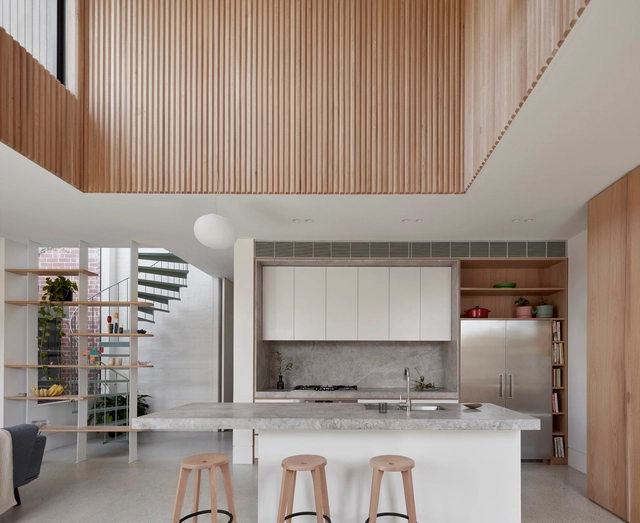
Back staircases, sculleries, and drying rooms, for example, were at one stage imperative for properties of a certain size and status to function. But just like a woolen jumper accidentally washed on the wrong setting, technology has reduced the size of laundry workspaces over the past century. Small homes like Under the Barao’s Sky Apartment in Sao Paolo, Brazil, for example, are now able to replace separate laundry rooms and pantries with all-in-one kitchen-diners that integrated small washing/drying appliances into an open kitchen layout, leaving more room for living.
Subscriptions are quickly becoming an integral part of everyday life. For example, streaming platforms have completely replaced the need to own video cassettes, while ride-sharing services partially cover the need to own a private car. Subscriptions have been largely understood as digital services, but a new trend suggests that the same concept could be transferred to physical objects in the near future. Instead of owning a fridge, a washing machine, or even light bulbs, one could acquire a subscription to ensure the freshness of produce, clean clothes, and a well-lit home.
The concept is known as the “subscription-based economy,” a variant of the “circular economy” notion. It postulates that instead of owning some of the objects used every day, one could subscribe to a service to gain access to the same benefits, but without the need to own, maintain or dispose of the object in question. Consumers no longer buy products; they buy access to services. Sometimes, it would mean simply leasing the object instead of purchasing it, but the model goes one step further. It inscribes a shift of responsibility and mentality. Because consumers no longer own the objects, the responsibility to reuse and recycle falls to the producers, who are now in charge of the entire life cycle of the objects they create.