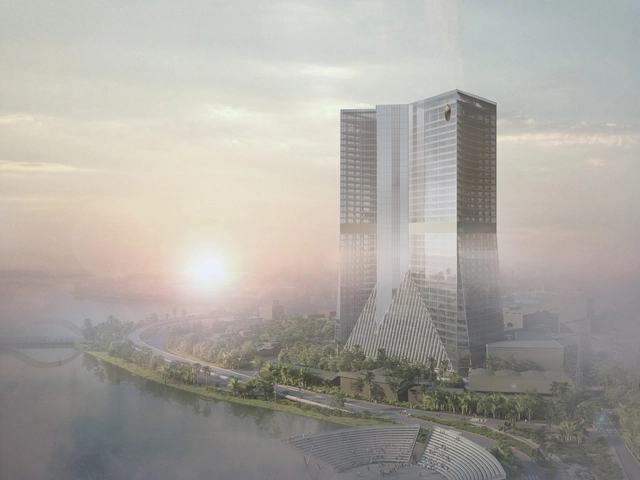
Construction on OMA’s first project in Bangladesh, the Dhaka Tower, has just started. Reaching a height of 150 meters and spanning 180,000 sqm in office space, the project is set to stand as one of the tallest buildings in the country. This scheme marks a significant milestone in the urban landscape of Bangladesh, designed by OMA in collaboration with local real-estate developer Shanta Holdings.
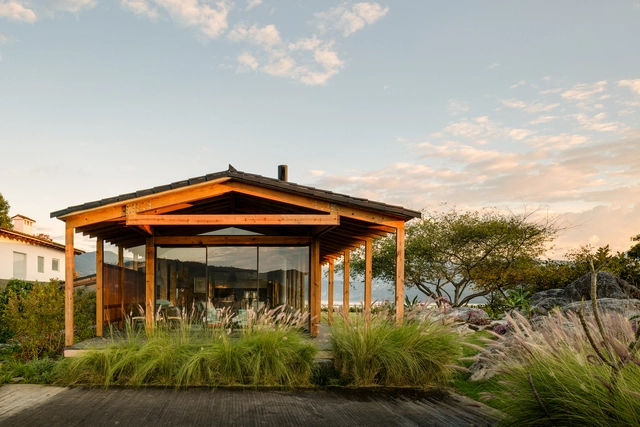
Wood has played an important role in contemporary Mexican architecture due to its versatility, sustainability, and cultural connection to the architectural history of the country. Currently, architecture in Mexico has gained worldwide recognition for its sensitivity and mastery in designing everyday spaces using various techniques that prioritize sustainability, aesthetics, and bioclimatic design.
In Porto Alegre, the building of the Iberê Camargo Foundation; in the city of Porto, the office of Álvaro Siza, the architect and author of the celebrated project for the institution's headquarters, inaugurated in 2008. Throughout 70 minutes, the documentary "Paisagem Concreta" or Concrete Landscape navigates between these two ports.
https://www.archdaily.com/1007293/concrete-landscape-alvaro-sizas-documentary-is-available-for-streaming-nowArchDaily Team
As we understand it today, the sustainable architecture movement began to take shape at the end of the 20th century. Essentially, it responds to growing concerns about environmental degradation, energy consumption, and resource scarcity. In this global discourse on sustainable architecture, wood has long been celebrated as a symbol of environmental consciousness and decarbonization. As one of the most widespread building materials, it has gained popularity with the rise of this movement. This is because trees absorb carbon dioxide during their growth, which stays in the wood during its construction use, keeping it out of the atmosphere.
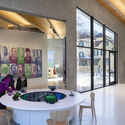
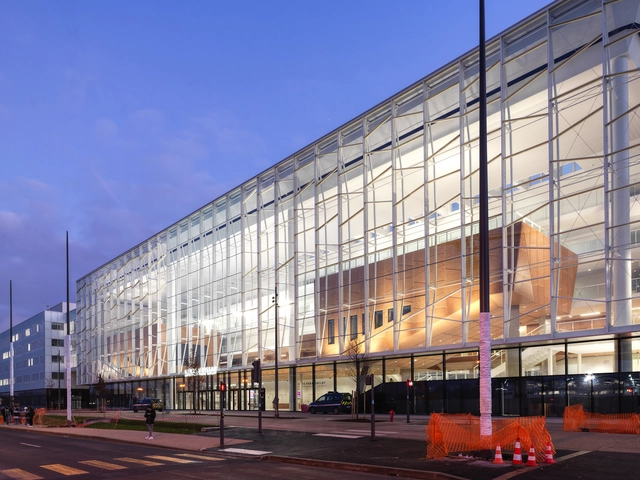
HSG Learning Center / Photo by Roland Halbe. Image Courtesy of Holcim
The need to reduce the construction industry's carbon footprint and its reliance on virgin natural resources is the most pressing issue facing the sector. It is therefore extremely important to foster innovation that can improve existing building materials and make them environmentally friendly, in order to successfully tackle its sizable carbon footprint and close the material loop.
Concrete, for example, has been used since the times of the ancient Romans and has proven to be a durable, strong, affordable and versatile building material. Today, it is the most widely used man-made resource in the world. However, its production methods raise environmental concerns: firstly, due to the high consumption of natural resources such as sand and gravel; and secondly —and more importantly— because of the CO₂ emissions associated with the production of its key ingredient: cement.
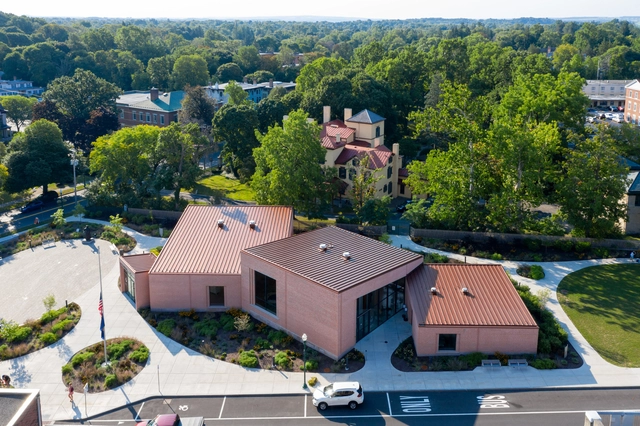
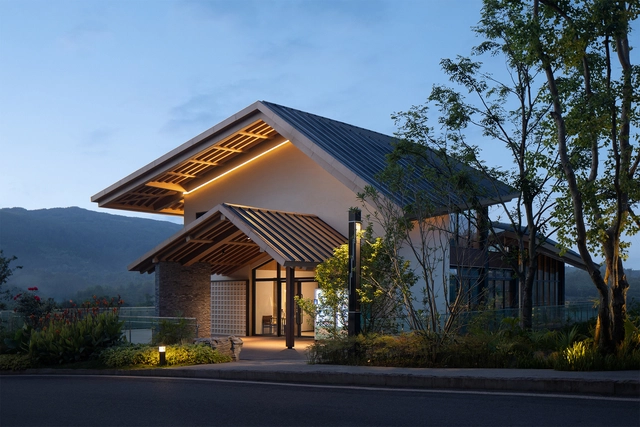
How many times have you been faced with the challenge of designing a cultural center? While this may seem like quite a feat, many architects have had to design a program that blends a community center with culture.
Among the projects published on our site, we have found numerous examples that highlight different responses, from flexible configurations to sites that prioritize central gathering areas for citizens and activities. See our series of 50 community centers and their plans and sections below.