



-
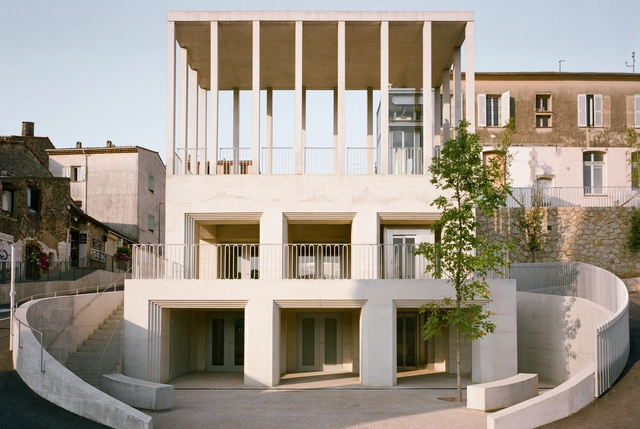
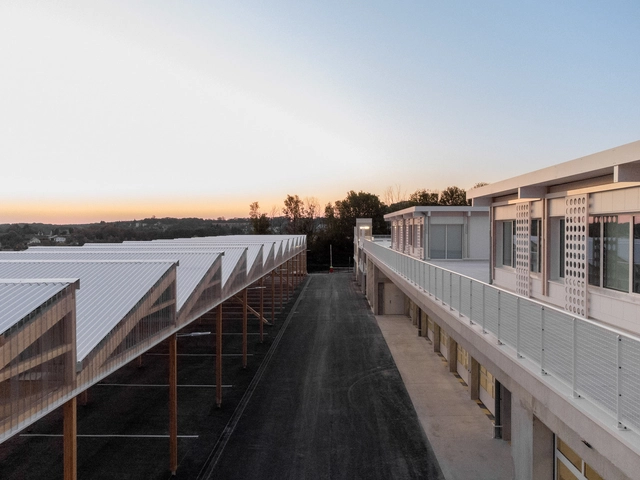
Architects: Concorde Architecture Urbanisme
- Area: 2840 m²
- Year: 2023


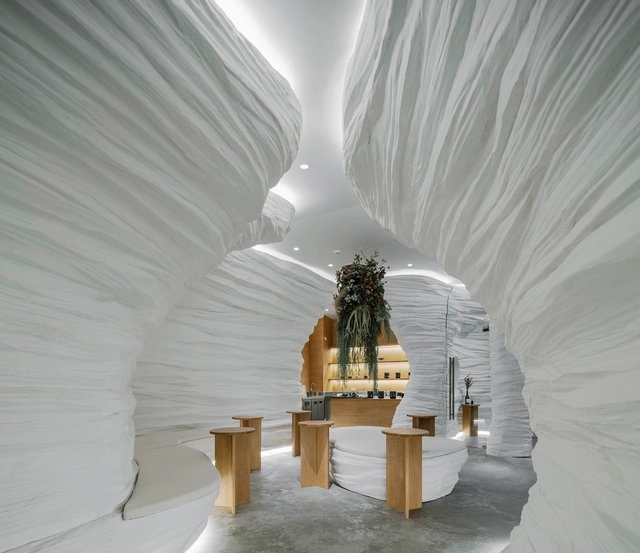


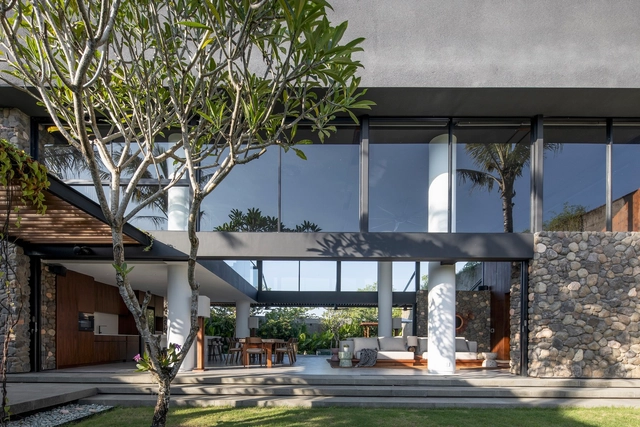
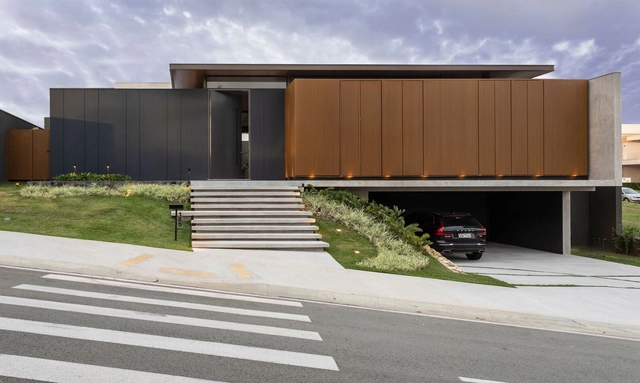
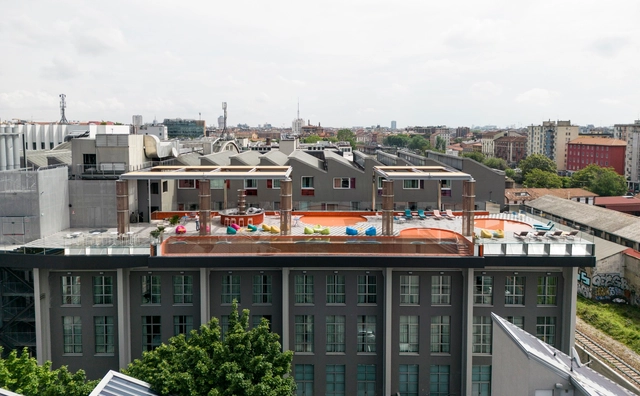

Rock salt is a chemical sedimentary rock that forms through the evaporation of water, as minerals dissolve and settle down. When excavated directly from the earth, it maintains a cube-shaped crystalline form. With its diverse textures, compositions and structures, this natural element has captivated human interest for centuries. Depending on the region and environmental conditions, salt rock has been found in diverse applications in architecture, such as a construction material that uses blocks of salt to build structures, bricks, or tiles. Often translucent, these bricks allow diffused light to enter interior spaces, creating a unique atmosphere and aesthetic appeal.
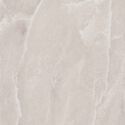
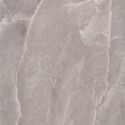
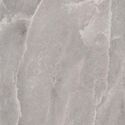
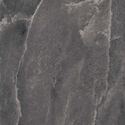
Giving this ancient material a modern twist, Casalgrande Padana uses rock salt as the inspiration for its new Supreme porcelain stoneware tile collection. By replicating the colors, texture and brightness of natural sedimentary rock, this collection can be seen as a fascinating journey to discover the unique features of the center of the Earth.
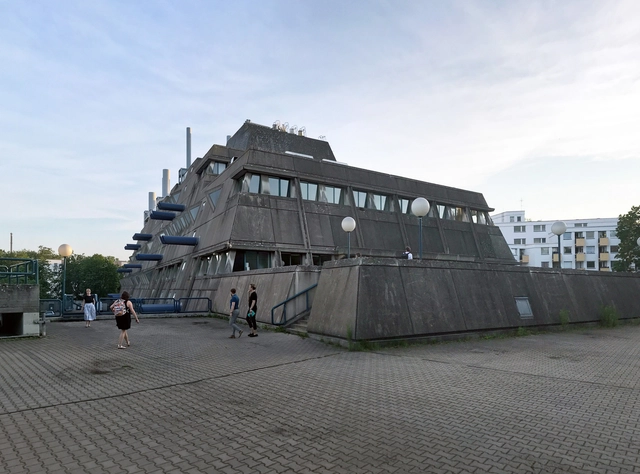
The former animal laboratories of the Charité in Lichterfelde, also known as the Mäusebunker building, have now been placed under monument protection, saving it from the threat of demolition that has been slated since 2010. The brutalist structure was designed by architects Gerd and Magdalena Hänska and built from 1971, and put into operation in 1982. While its strong image, combined with its function as a laboratory for animal tests, resulted in the general public’s distaste for it, the Brutalist building slowly gained acceptance and even a cult status among brutalist fans.





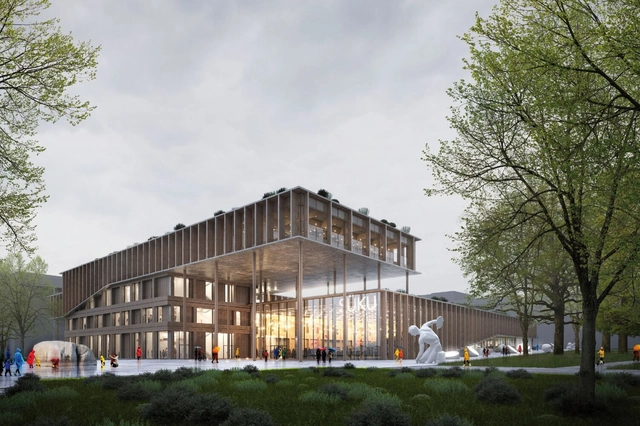
Estonian studio OÜ Kolm Pluss Üks won the international architecture competition for the Tartu Cultural Center. Selected out of a total of 107 proposals, the winning project titled “Paabel” is set to become the cultural heart of the city center, capturing the competition's main goal and developing an outdoor space solution. Kadarik Tüür Arhitektid OÜ took the second position for their design of “Tarte Tatin”, while the third place went to Denmark-based architectural studio Atelier Lorentzen Langkilde Aps.



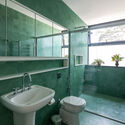
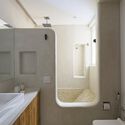
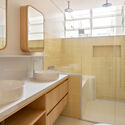
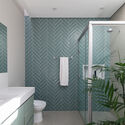
Designing a bathroom requires careful attention to detail to remain beautiful and organized. The amount of hygiene and health products typically stored in this environment requires functional cabinets and other strategies. Increasingly, we see the solution of using niches to create a recess in the wall. This allows optimizing the available space and, as a bonus, makes the environment more aesthetically pleasing. That's why we bring you some examples of bathroom niches and tips for their installation. In addition, we bring you other examples beyond traditional soap dishes.

Landscape architecture is having a moment. The latest proof: last week, the US Department of Homeland Security decided to accredit the field with its prestigious STEM designation. As part of the science, technology, engineering, and mathematics (STEM) educational disciplines that fall under this category, landscape architecture students can now spend an additional 24 months seeking employment and training post-graduation in the United States after an initial period of a year granted to all graduates. The title also promises more prestige, higher entry salaries, and additional career flexibility. Torey Carter-Conneen, CEO of the American Society of Landscape Architects (ASLA), calls the development a significant advancement for 'landscape architecture education and practice, and that is great for America and the global community.'
The news corresponds to a growing emphasis on landscape architecture as a pivotal practice around the globe in recent years – one that is closely connected to notions of public health, environmental design, biophilia, sustainability, and re-wilding. It also underlines the intimate relationship between technology and the discipline. Landscape proposals increasingly rely on advanced science and technology to predict how ecological interventions might alter an existing terrain and determine what measures will yield the highest benefit for both humans and nature. The contemporary ideal of wild meadows and biodiverse forests may exist free from external influence, but the path to get there requires assistance.