



-
Architects: A Threshold
- Area: 4200 ft²
- Year: 2022
-
Professionals: design2konstruct, Radiance, A Threshold


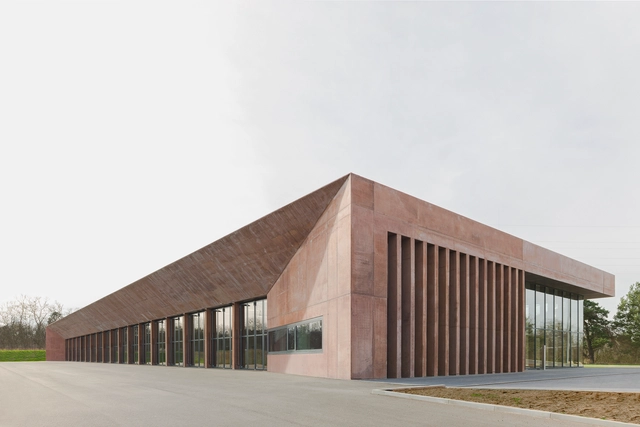
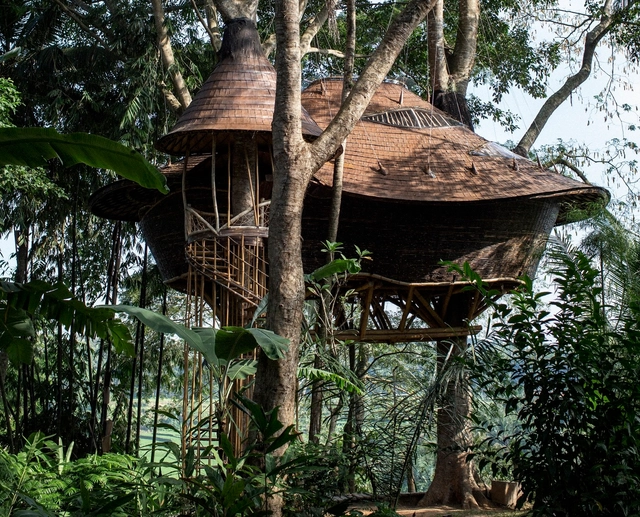

The small town of Illueca lies in a rift valley, flanked by the massifs of the Sierra de la Virgen and Sierra de la Camamila mountain ranges, which run close to the Moncayo Nature Reserve (Zaragoza, Spain). It is in this setting that Permán & Franco Architects Studio have built a primary-care health center, with a distinctive design and ventilated façade by Faveker.
The Illueca Health Centre stands in a new development area of the town, providing the region with healthcare services, including 11 nearby towns and villages. It was built on an almost 1,400 m2 plot of land featuring an over two-meter drop between the entrance at street level and the land used as a base for the building.
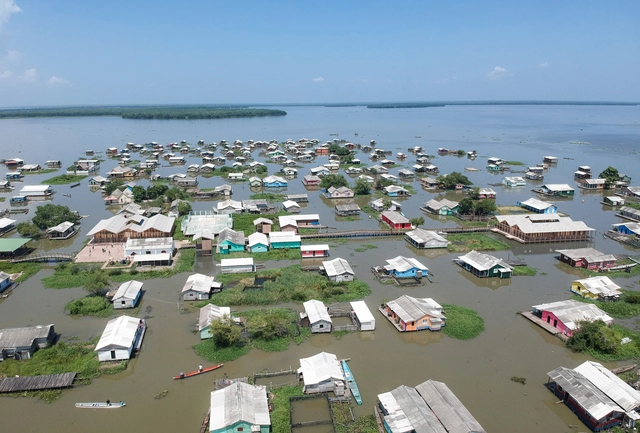
The Holcim Foundation for Sustainable Construction has unveiled the list of 20 finalists for the Holcim Awards 2023 competition. The jury, composed of five independent expert panels worldwide, has selected the projects to showcase contextual and practicable approaches to sustainable construction, exemplifying a diverse range of scales, budgets, geographies, and forms. The ranking of the nominees will be announced at the Holcim Awards 2023 Ceremony scheduled for November 18 in Venice, Italy during the final weeks of the Biennale Architettura 2023 - 18th International Architecture Exhibition.
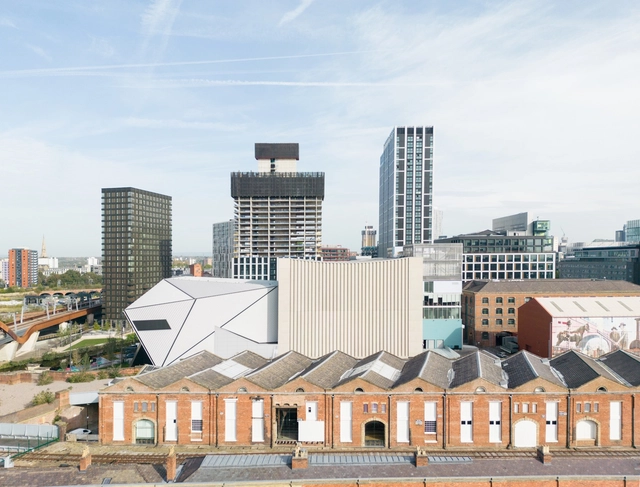

Last night, the Aga Khan Award for Architecture announced the constitution of its new Steering Committee for the 2023-2025 cycle. Composed of 5 primary jurors, this selection plays a pivotal role in the governance of the world-renowned award. Initially established in 1988, the award is internationally recognized as a leading award celebrating architecture projects that set a new standard of excellence in various practices, including architecture, planning practices, historic preservation, and landscape architecture. The award is also most known for its emphasis on applauding projects that use local resources and respect the contextual surroundings.
Chaired by His Highness Aga Khan, the Steering Committee for the 2023-2025 cycle comprised members from very diverse backgrounds. These members include Meisa Batayneh from Amman, Jordan; Souleymane Bachir Diagne from New York, USA; Lesley Lokko from Accra, Ghana; Gülru Necipoğlu from Cambridge, USA; Hashim Sarkis, also from Cambridge, USA; and Sarah M. Whiting, also affiliated with Harvard University in Cambridge, USA. Each individual is well-established in their respective practice, and together, they steer the Award, establishing eligibility criteria for different project submissions. The Committee provides thematic direction for the Award and plans for the institution's future. Finally, their most critical task involves selecting an independent Master Jury, which subsequently chooses award recipients.
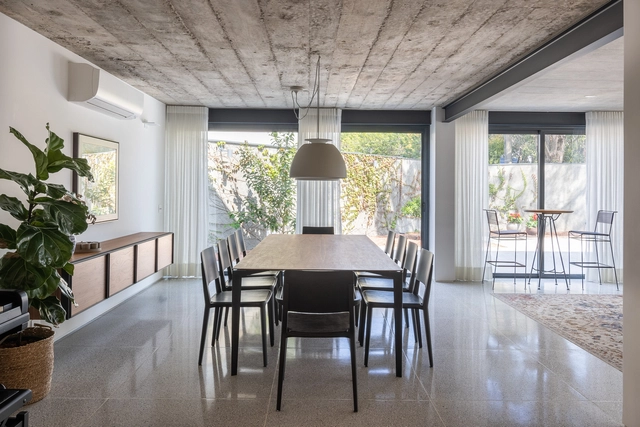
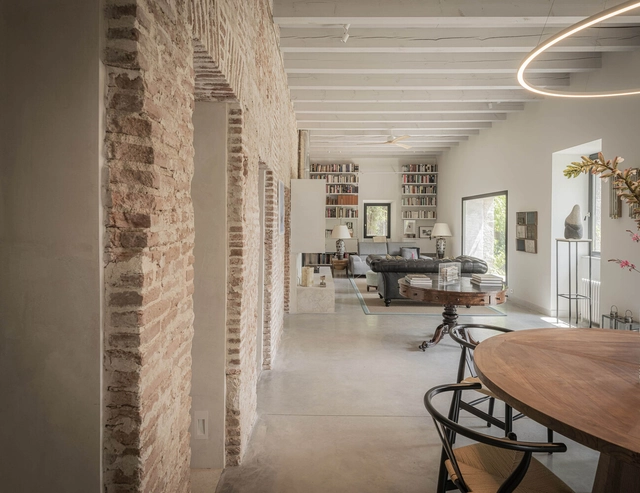
In many cases, when working on a renovation project within an old building, architects often encounter segmented floor plans, spaces without natural light, and complex layouts that hinder the seamless flow required in modern living. Consequently, architects typically opt for targeted demolition, removing specific walls during renovations. This solution can address several of the problems encountered but demands meticulous planning to ensure the structural integrity of the building. When it comes to scenarios like these, structural reinforcement is one of the most commonly employed methods.
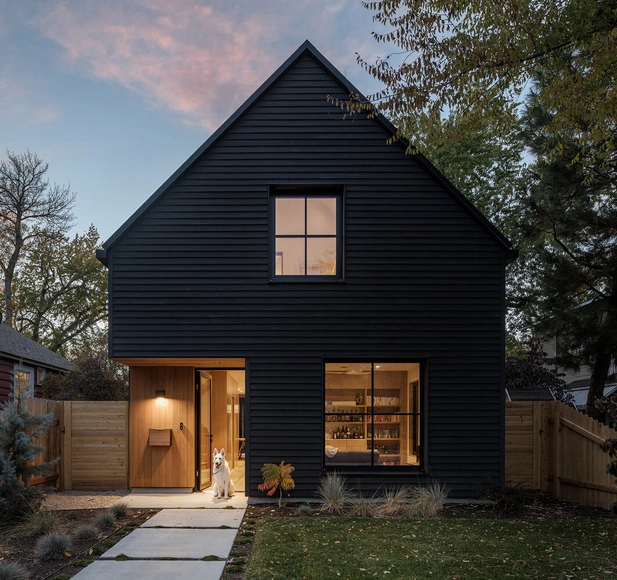
Sustainable construction certifications can play a crucial role in mitigating climate change by establishing solid criteria to foster ecologically responsible practices in the construction industry. They not only give public visibility to industry-accepted standards and monitor performance, ensuring compliance with regulations, but also stimulate the reduction of negative environmental impacts while rewarding buildings that fulfill strict sustainability standards. By establishing higher levels of excellence in projects and constructions, these certifications influence the evolution of construction codes, training professionals, and even changing corporate strategies.
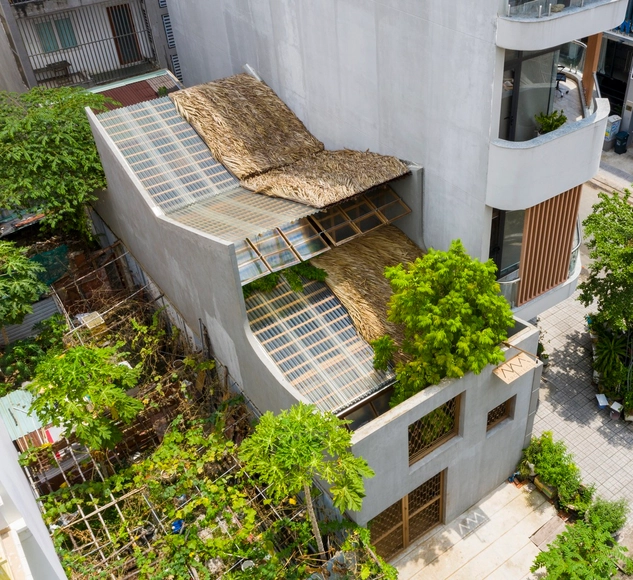

Archaeological findings suggest that the Great Bath of Mohenjo-Daro, the "oldest public water tank in the world," was constructed during the 3rd millennium BC. The significance of this impressive millennia-old structure is unknown, but it is generally believed to be linked to some form of purification ritual of the mysterious Harappan Civilization in the Indus Valley —the first civilization to develop urban planning. Indeed, throughout history, water has consistently captivated human fascination, from ancient ceremonial practices to the modern leisure and sports pools we see today. Whether situated indoors or outdoors, these structures represent a fusion of architectural design and landscape. However, it's no secret that establishing, operating, and maintaining pools involve substantial financial commitments. Every phase of the construction process, from the initial foundations to the meticulous steps of waterproofing, plastering, tiling, and the intricate installation of mechanical and electrical systems, requires significant investment and attention to detail. Therefore, the use of top-tier materials, cutting-edge technical equipment, and the highest level of skill is not merely advisable but absolutely essential.