

-
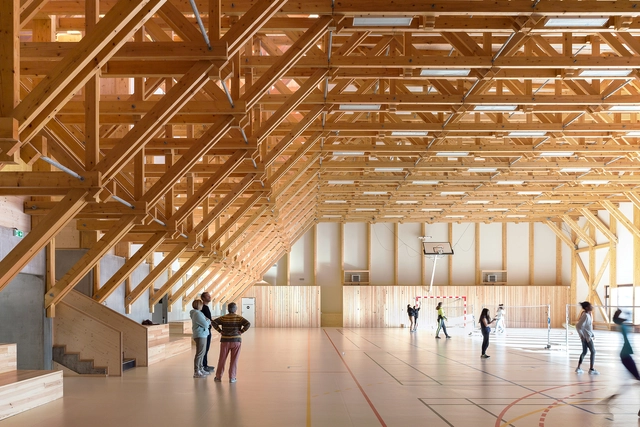
Architects: MONO Architekten
- Year: 2023
-
Professionals: Planorama Landschaftsarchitektur, Drees & Sommer, Guggenberger & Ott, WTM Engeneers, wh-p Ingenieure


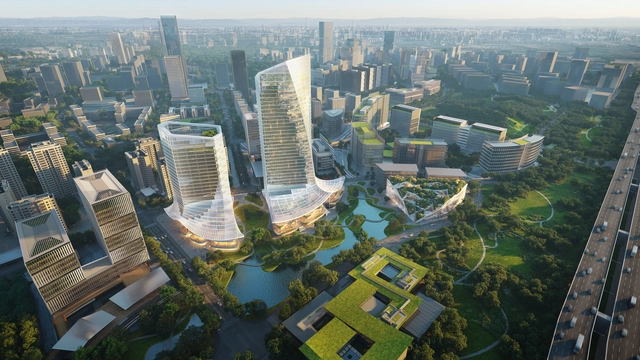
MVRDV has won the competition to design two structures within the Tianfu Software Park in Chengdu, China. One of the structures is a 150-meter-tall tower that acts as a centerpiece to the entire campus. The other is a four-story cultural center featuring an art museum, conference hall, library, and exhibition space. Boasting a faceted sloping design, the scheme invites visitors to explore its interior.
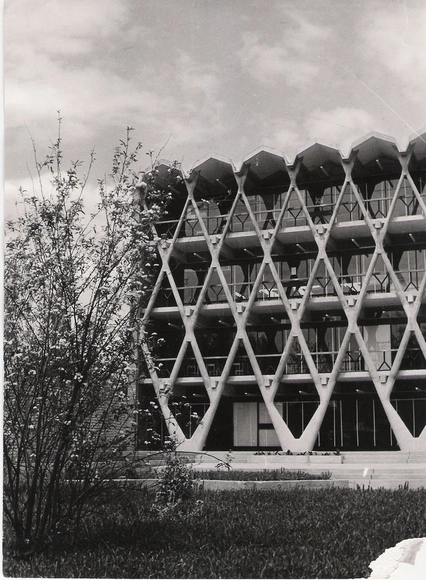
Some recognize in its facade the organic shape of a tree, while others, on the contrary, see human figures. Observing the Faculty of Architecture of the University of Mendoza, we can attest that we are in the presence of a building that constitutes a paradigmatic case in the context of the 1960s in Argentina.

When internationally acclaimed music icons like Beyoncé, Taylor Swift, and Paul McCartney announce their global tours, the anticipation sparked by revealing the countries and respective host cities is met with thorough preparations. These preparations aim to adapt to the array of changes that will unfold in the urban spaces of these cities due to the impact of these events. These mega-concerts extend beyond the musical realm; they transcend the stage to mobilize significant financial figures and result in various transformations in the everyday urban life of these cities. Even though these events do not last long, they instigate alterations in diverse spheres and urban sectors, including tourism, hospitality, food, and transportation.
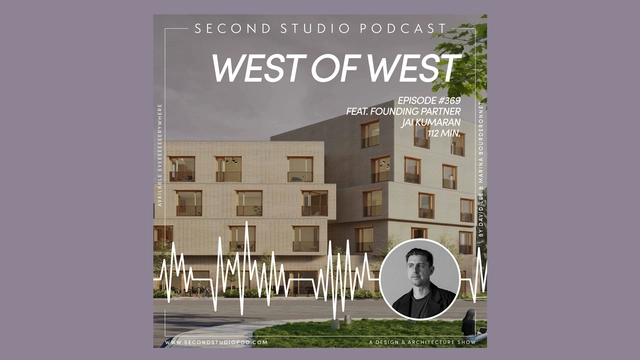
The Second Studio (formerly The Midnight Charette) is an explicit podcast about design, architecture, and the everyday. Hosted by Architects David Lee and Marina Bourderonnet, it features different creative professionals in unscripted conversations that allow for thoughtful takes and personal discussions.
A variety of subjects are covered with honesty and humor: some episodes are interviews, while others are tips for fellow designers, reviews of buildings and other projects, or casual explorations of everyday life and design. The Second Studio is also available on iTunes, Spotify, and YouTube.
This week David and Marina of FAME Architecture & Design are joined by Architect Jai Kumaran, founding partner of West of West to discuss his background; the influence his father’s work had on his career; attending architecture school; why he pursued a master’s degree; starting and growing an office; exploring project types; branding in architecture; and more!