-
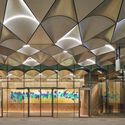
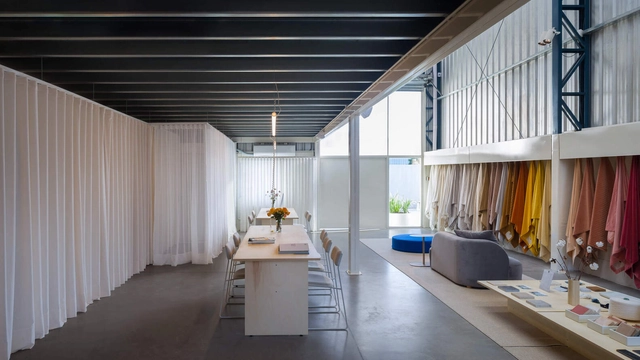
Architects: Gema Arquitetura
- Area: 130 m²
- Year: 2022



Over the past years, I've had the chance to engaged with architects and others who are leading impact-driven, cultural, and institutional initiatives, who recognize architecture's role in enhancing quality of life in the built environment and offer frameworks to achieve this. Amidst current global challenges and waning focus on the common good, such institutions are increasingly vital.
During a recent trip to Copenhagen, World Architecture Capital, I delved into the re:arc institute, a newly established nonprofit philanthropic association. Operating at the intersection of climate action and architecture philanthropy, it funds grassroots solutions serving as viable examples to tackle this, with transferable insights. With a "learning by doing" ethos, their Practice Lab conducts a global survey to identify and support practices in bringing prototypes to life. I sat down with Nicolay Boyadjiev, Practice Lab lead, to explore this innovative institutional model and its transformative impact on architectural practice.
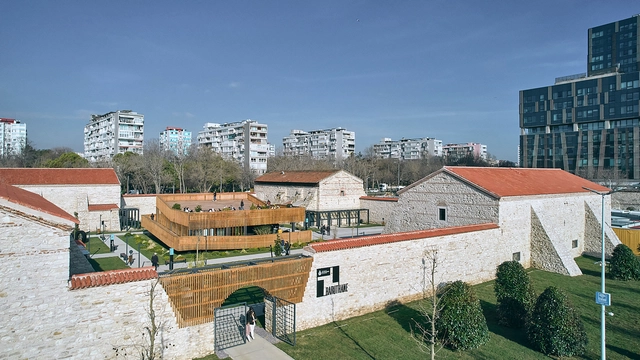
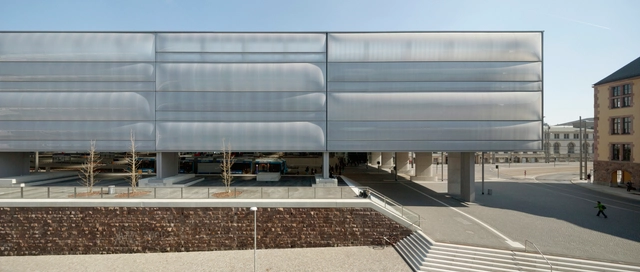
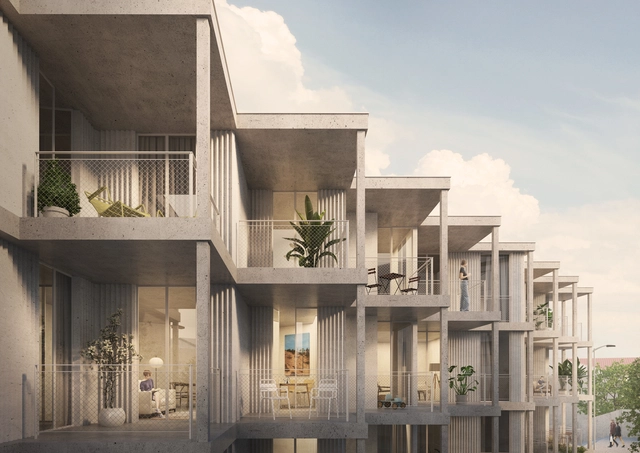
In every city, urban housing projects represent most of the built environments, reflecting an intricate weave of societal needs and architectural visions. This roundup of unbuilt projects submitted by the ArchDaily Community offers a lens into the dynamic interplay between design constraints and creative opportunities. From the revitalization of urban fragments to the exploration of innovative construction methods, architects navigate a terrain shaped by sustainability imperatives, community inclusivity, and evolving urban dynamics.
The diversity of unbuilt urban housing projects showcased here underscores the breadth of architectural interventions, featuring commitments to sustainability and inclusivity. From projects featuring new building materials such as wooden construction systems to those created to maximize sunlight or engage the larger community, this week’s curated selection showcases unbuilt collective housing projects from around the world.
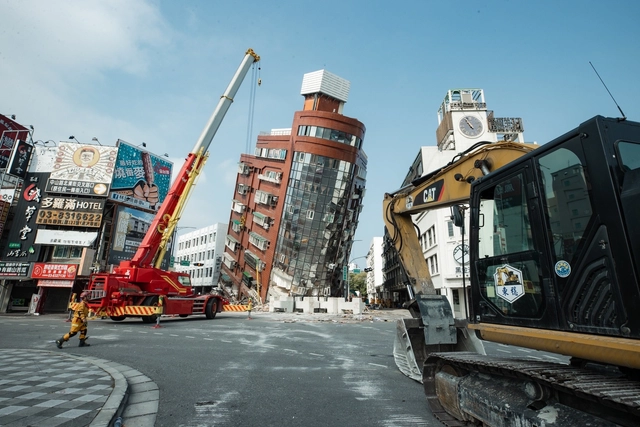
On April 3, Taiwan was hit by a 7.4 magnitude earthquake, the strongest one in 25 years. According to the latest reports, nine people have been killed, and at least 900 others have been injured by damaged buildings and landslides on the island. The seism was centered off the eastern coast of Hualien County, severely damaging buildings, some leaning at severe angles. However, the country’s strict building codes, developed in the past two decades in response to the area’s intense seismic activity, have prevented even more extensive damage and loss of life.
Italian architect and industrial designer Gaetano Pesce has passed away at the age of 84, as announced today on the creator's official Instagram page. Known for the famous UP5 Chair (2000) by B&B Italia which can be compressed like a sponge, and the Organic Building in Osaka, Japan (1993), with a vertical garden irrigated by a complex, computer-controlled hydration system, Pesce dedicated over six decades to his craft, accumulating a portfolio that spanned architecture, product design, and art.
During Milan Design Week 2024, a monographic exhibition titled "Nice to See You" showing at Biblioteca Ambrosiana, is set to feature unreleased works of Gaetano Pesce. Additionally, Gaetano was presenting "L’Uomo Stanco" an outdoor installation in Piazza San Pio XI.
For some, it may be terrifying to think that we inhabit a sphere orbiting the Sun, whose core has temperatures of up to 6,000°C and all human activities are located on the Earth's crust, the smallest layer in thickness, in the so-called tectonic plates. These plates float on the mantle, more precisely in the asthenosphere, and sometimes collide, causing earthquakes. As we can see in this interactive map, earthquakes are much more frequent than we imagine, with dozens occurring daily around the world, many of them unnoticed. But some are extremely potent, and when they occur near urban areas, they are one of the most destructive forces on Earth, causing death and damage to the built environment.
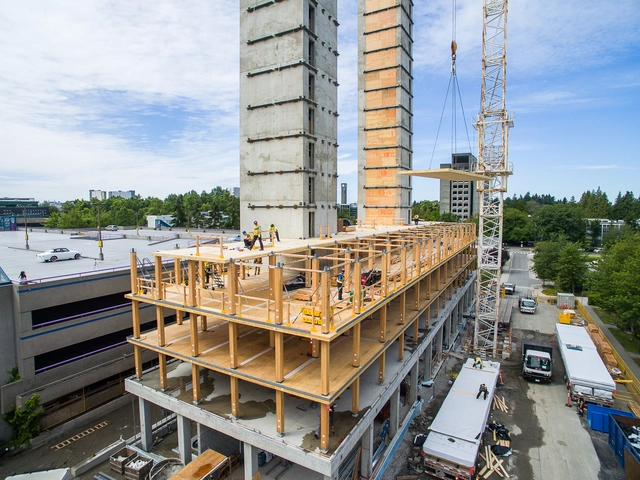
With the advancement of research, tests and experiments in engineering, countries and regions with tectonic activities already have the knowledge to reduce the danger of death and damage caused by these events. Some solutions and materials work better in the event of an earthquake. Wood is one of them.
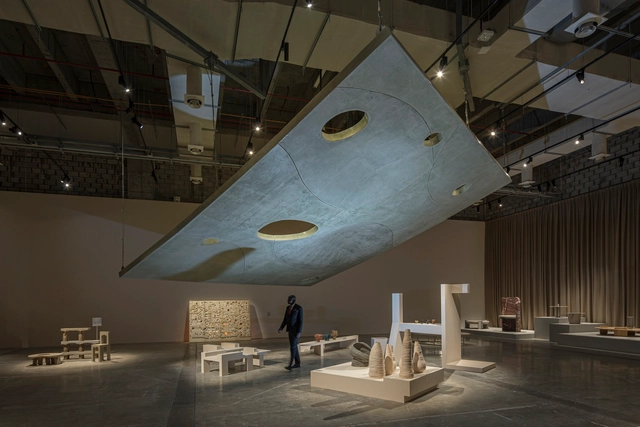

Flexibility has become a distinctive feature of contemporary interiors, driven by factors like the evolution of architectural programs and the progressive reduction of interior spaces, among others. This transition has shifted interiors from static to dynamic, aiming to achieve a state-of-the-art balance in space configuration. This sentiment is well encapsulated by Ricardo Bofill's statement that "architecture is the art of structuring space."
Considering the intricacies of interiors, it is essential to foster versatile spaces, aided by elements such as multipurpose design and flexible furniture. However, a challenge arises: while these strategies redefine the boundaries and dynamic essence of interiors, aspects like acoustics are often overlooked, which has become crucial in environments such as offices, conference rooms, schools, auditoriums, etc. Therefore, improving acoustics becomes essential to create functional multipurpose interiors. In that sense, Skyfold’s operable walls are an interesting alternative, as their solutions can serve as both soundproofing barriers and design pieces.
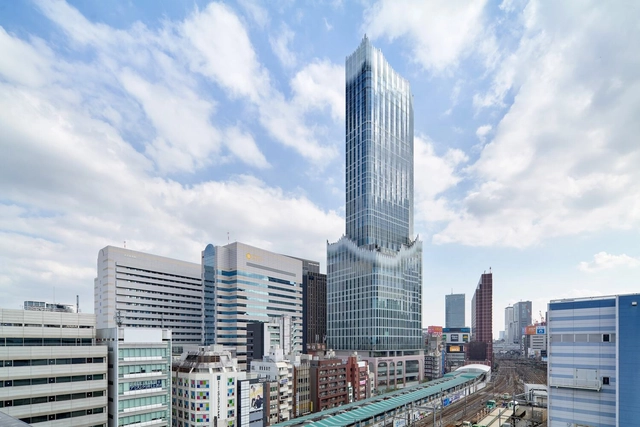
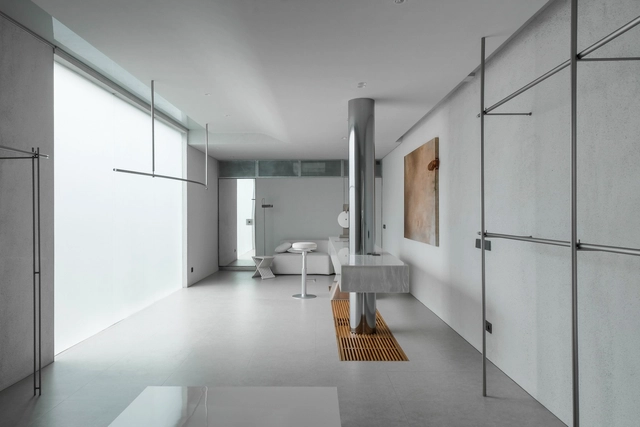
Another year, another successful ArchDaily China Building of the Year Awards! With more than 50,000 votes gathered over the past weeks, the results of the 2024 edition are in! Once more, the award has proved to be the largest architecture prize centered around people’s opinion. Crowdsourced, the most relevant projects of the year were nominated and selected by our readers.
The 2024 China Building of the Year Awards is brought to you thanks to Dornbracht, renowned for leading designs for architecture, which can be found internationally in bathrooms and kitchens.