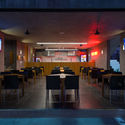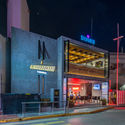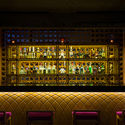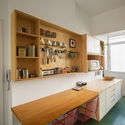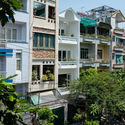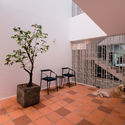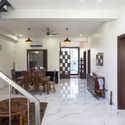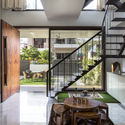


-
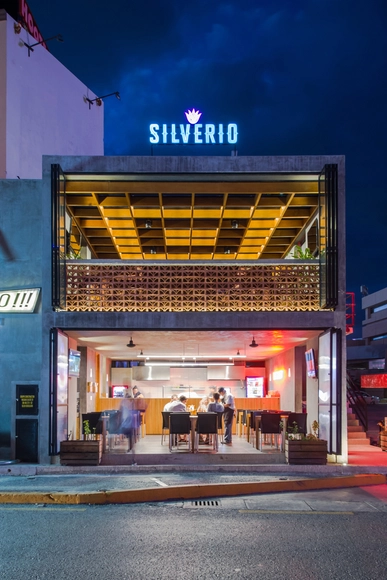
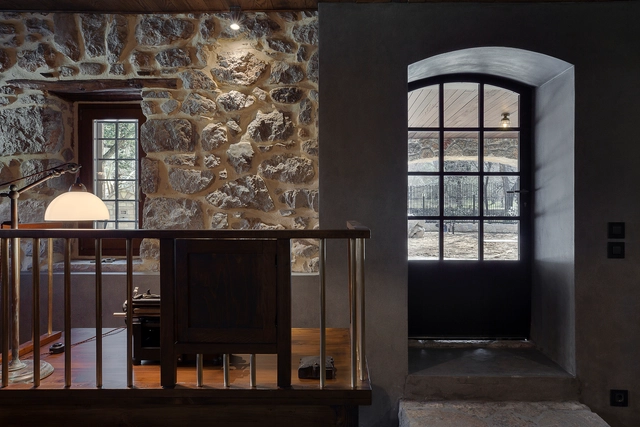
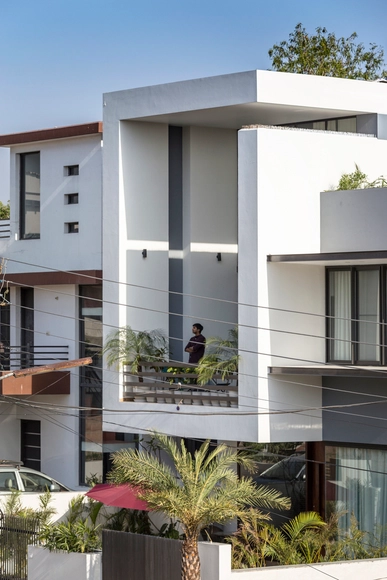
Architects: Miel Arquitectos
- Area: 1935 m²
- Year: 2018
-
Manufacturers: QI PG, SLV, Weber
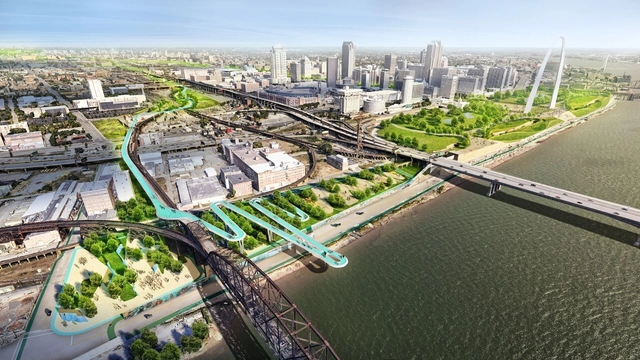
Ever since the City of St. Louis approved a sales tax to fund public greenways in 2000, citizens and planners have imagined a bike and pedestrian path along the city’s main east-west corridor. Last week, that vision was brought to life as Stoss Landscape Urbanism was selected to design the Chouteau Greenway. Their proposed strip of green space and walkways will stretch from the iconic Gateway Arch at the city’s eastern end to downtown, from there extending to Foster Park, which sits adjacent to Washington University in St. Louis on the city’s western edge.
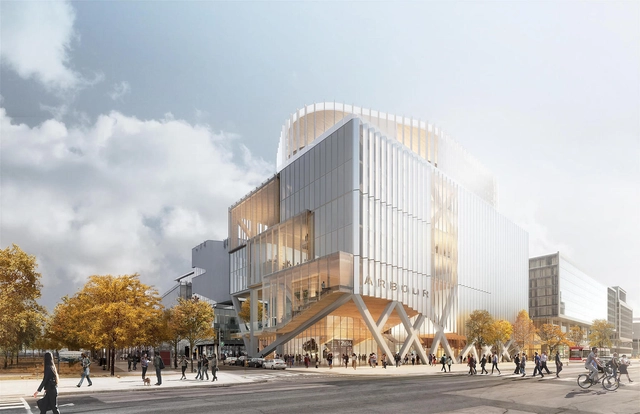
As their entry in a competition for The Arbour, a new academic building for the campus of George Brown College on Toronto’s Lake Ontario waterfront, Montreal-based firm Provencher_Roy have revealed their design for an adaptable mass timber building that could grow and change in time.
Using a staggered truss structural system that divides the building into modular cells measuring 8.4 meters tall, 17.4 meters wide and 40 meters long, the firm explains that the stacked program elements can be reorganized as necessary, with classrooms and double-height auditorium spaces able to be converted to basketball courts or column-free open offices by adjusting the cross-laminated timber flooring, which can be adjusted without compromising the rest of the structure.


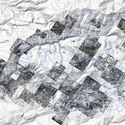
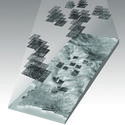
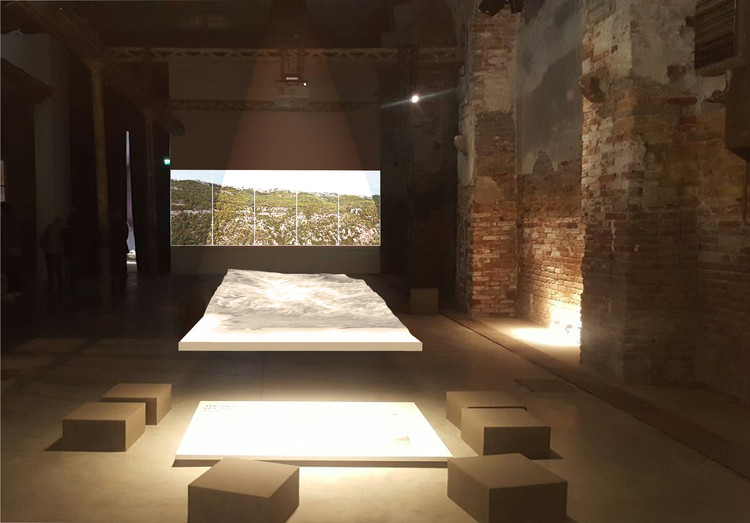
As part of our 2018 Venice Architecture Biennale coverage we present the proposal for the Lebanon Pavilion. Below, the participants describe their contribution in their own words.
Lebanon is participating for the first time at the 16th International Architecture Exhibition - La Biennale di Venezia under the theme "The Place that Remains." The project has been developed by the curator, Hala Younes, Assistant Professor of Architecture at the Lebanese American University (LAU).
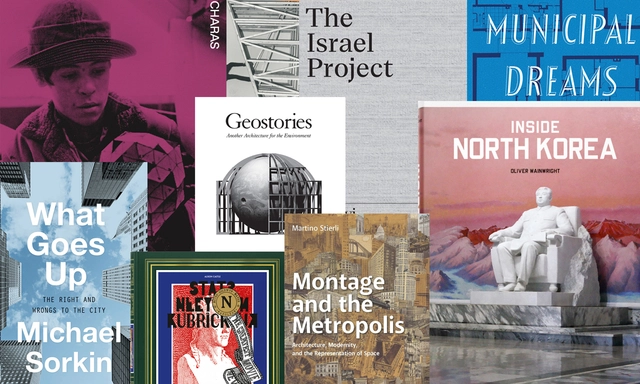
Metropolis Magazine has released a curated list of 19 new books to read this spring, with topics ranging from the evolution of social housing to Stanley Kubrick's unfilmed masterpiece to a fascinating tome on the architecture of Zionism. Not simply volumes detailing well-tread histories, these chosen titles explore every niche category through the lens of architecture. Ever wondered how Buckminster Fuller inspired six former gang members to construct his geodesic dome? Or what metro stations in North Korea look like?

Continuing their Time-Space-Existence series of monthly videos leading up to this year’s Venice Biennale, PLANE—SITE have released a new conversation with architect and former Harvard GSD chair of architecture Toshiko Mori. Each video highlights the ideas that drive the work of well-known designers, with this episode focusing on Mori’s philosophy of visual communication, dialogue with history and considering the future in her work.

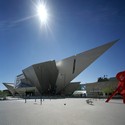
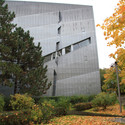
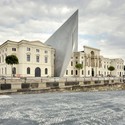
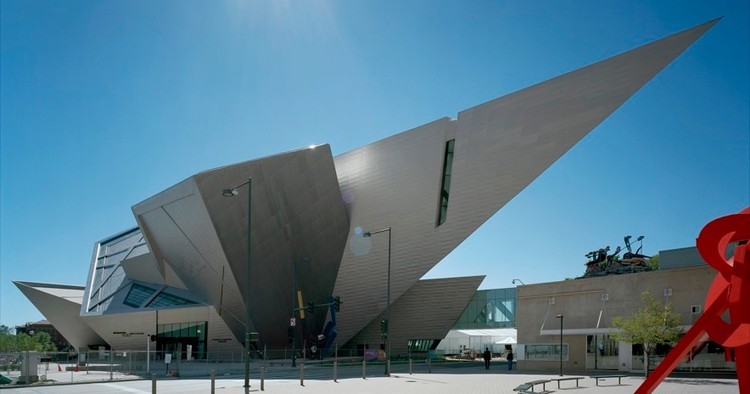
In the architecture world, few designers can claim to have a more clearly-defined style than Daniel Libeskind (born May 12, 1946). Much of Libeskind's work is instantly recognizable for its angular forms, intersecting planes, and frequent use of diagonally-sliced windows, a style that he has used to great effect in museums and memorials—but which he has equally adapted to conference centers, skyscrapers, and shopping malls.