This episode of Monocle 24'sOn Design podcast, which briefly surveys the state of Indian architecture and suggests a blueprint for a 21st Century vernacular, was written and recorded by ArchDaily's European Editor at Large,James Taylor-Foster.
In the first half of 2016 an exhibition was opened in Mumbai. The State of Architecture, as it was known, sought to put contemporary Indian building in the spotlight in order to map trends post-independence and, more importantly, provoke a conversation both historical and in relation to where things are heading.
https://www.archdaily.com/802970/is-india-building-the-wrong-sort-of-architectureAD Editorial Team
In this photoset, Vincent Hecht takes his lens into the recently completed Sumida Hokusai Museum, designed by pritzker prize winner Kazuyo Sejima, one half of the acclaimed international firm SANAA. Located in the Tokyo neighborhood of Sumida, the 4-story, angular structure will house a collection of over 1800 works by world-renowned ukiyo-e woodblock painter Katsushika Hokusai, who lived in Sumida over 200 years ago.
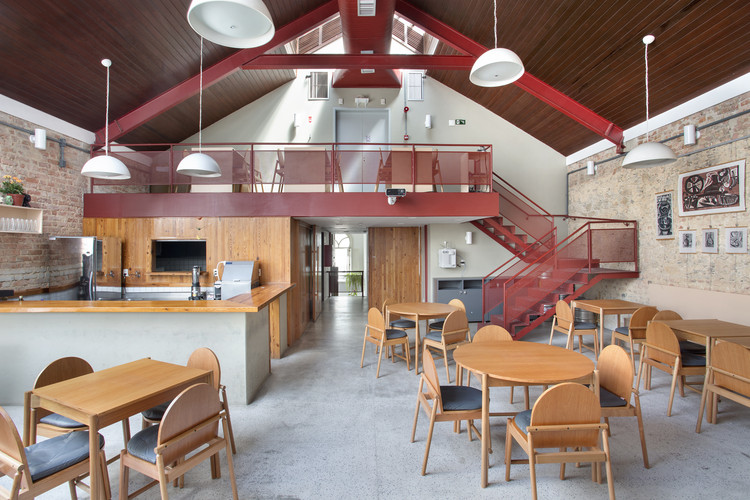
For U.S. architects, working abroad will now be easier than ever, as the National Council of Architectural Registration Boards (NCARB) has announced a new mutual recognition arrangement with the licensing authorities of Australia and New Zealand. Effective as of January 1, 2017, the agreement allows architects to earn reciprocal licenses that authorize architects to work in the two countries.
London-based firm Tate Harmer has won a competition to design a new £6 million ($7.4 million USD) museum for The Scout Association (TSA) at the group’s headquarters in Chingford, east London. Their proposal takes the form of a big, colorful tent that will tell the story of the Scouting movement within a fun, environmentally conscious structure.
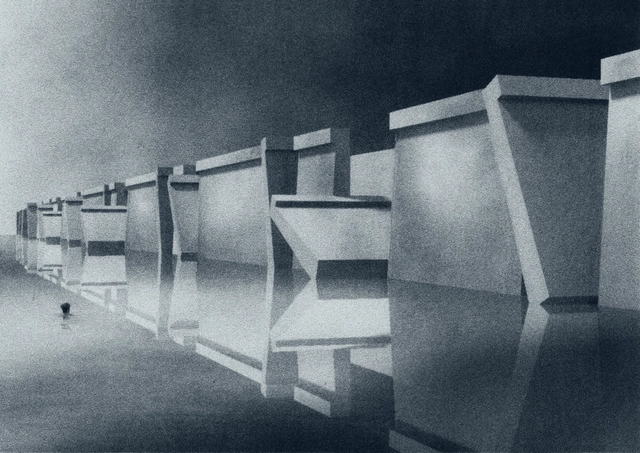
In the practice of historic preservation, there is often a temptation to turn a building into an object on display—meticulously restored, unchanging, physically isolated—in order to remove it from the flow of history. The multidisciplinary Amsterdam-based studio Rietveld-Architecture-Art-Affordances (RAAAF) situates itself in opposition to this method of dealing with architectural remnants. Instead, it proposes to make history tangible by altering these decaying structures in a way that makes their stories plainly visible. The practice has a name for this approach—"hardcore heritage."
Earlier this year, Chilean architects and professors Luis Pablo Barros and Gustavo Sarabia from the Federico Santa María University released a book (in Spanish) titled "Sistemas Constructivos Básicos" (Basic Construction Systems)." The book aims to be a tool to help architects translate their plan diagrams into tangible architectural works, as well as to help students learn the knowledge necessary to build what they plan.
https://www.archdaily.com/802593/17-templates-for-common-construction-systems-to-help-you-materialize-your-projectsPola Mora
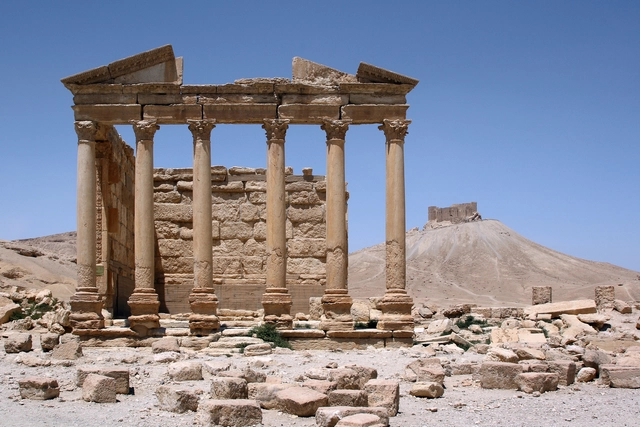
The Aggregate Architectural History Collaborative has organized a collection of essays, entitled The Destruction of Cultural Heritage: From Napoléon to ISIS, which examines several centuries of the demolition of monuments in the Middle East. With world events like ISIS and the protection of architectural heritage growing to be more and more topical, this collection is a useful tool in considering the role of violence, how ancient architecture is perceived as a cultural entity, what role the media has to play, and beyond.
In an exclusive half-hour episode focusing on the life and legacy of Jane Jacobs, "one of the most influential urban thinkers and city activists of our time." Featuring interviews with a carefully selected range of city planners, historians and activists, alongside recordings of Jacobs herself, this special episode of Monocle 24's The Urbanist examines why Jacobs was—and remains—so influential when considering the contemporary city.
https://www.archdaily.com/802951/cities-need-change-the-durability-of-jane-jacobs-legacyAD Editorial Team