



-
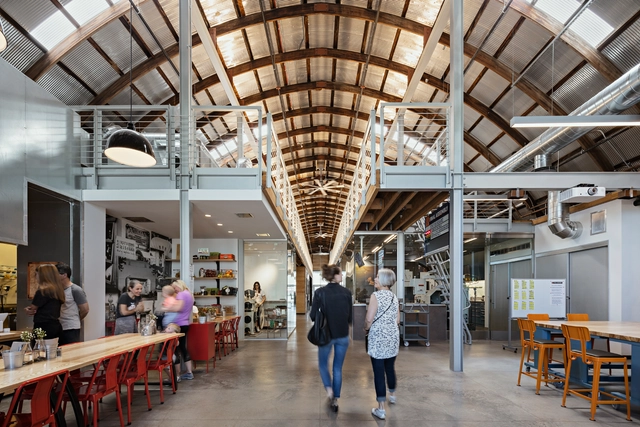
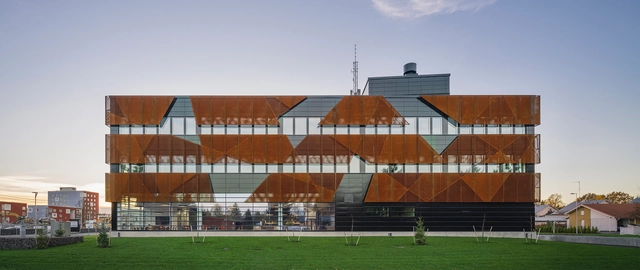
Architects: debartolo architects
- Area: 12500 ft²
- Year: 2016



Even with tech like virtual reality, augmented reality, 3D printing, computational design and robotics already reshaping architecture practice, the design community is just scratching the surface of the potential of new technologies. Designers who recognize this and invest in building skills and expertise to maximize the use of these tools in the future will inherently become better architects, and position themselves for entirely new career paths as our profession evolves. It is a uniquely exciting moment for architecture to advance through innovative use of technology. Even just a decade ago, designers with interests in both architecture and technology were essentially required to pursue one or the other. Now, with architecture beginning to harness the power of cutting-edge technologies, these fields are no longer mutually exclusive. Rather than choose a preferred path, today’s architects are encouraged to embrace technology to become sought-out talent.
With much written about how technology is changing the way architects work and the products we can deliver to clients during a project’s lifecycle, there has been less focus on how technology is changing career opportunities in the profession. Architecture companies are now hiring roles that didn’t exist even three years ago. Here’s a look at five emerging career paths design technology will make possible in 2018 and the immediate future.
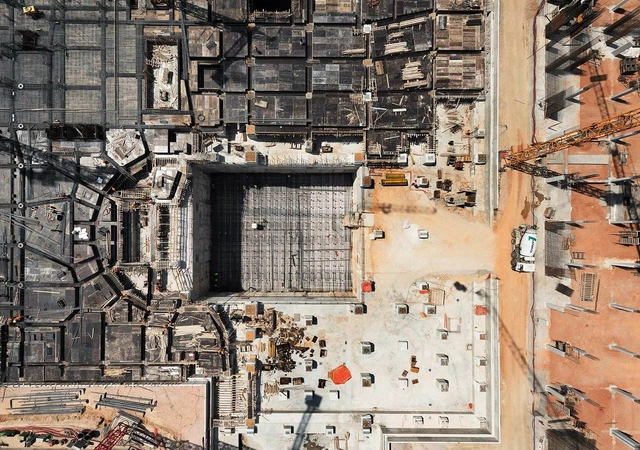
From Greek architect and photographer, Yiorgis Yerolymbos comes a book which captures the construction process of Renzo Piano’s Stavros Niarchos Foundation Cultural Centre in Athens, Greece. Yerolymbos carefully documented every moment where the superfluous Olympic parking lot became a cultural center and sloping park with waterfront views. For almost a decade, and from every angle, the photographer watched the site transform. Birds-eye imagery proved to be some of the most captivating. As photographs, they manage to possess the characteristics of an architectural drawing.

For those who want to become a citizen of the UK, they must fulfill all the citizenship process requirements which include passing the seemingly difficult Life in the UK Test. Many of the British population themselves would struggle with some of the questions posed despite living in the UK from birth as they demand historical, geographical and literary knowledge.
The test contains 24 multiple choice questions that can cover anything from the British political system all the way to Glastonbury and a roast beef dinner. As architecture and art take up a large part of British culture, knowledge of such topics is considered necessary for anyone who wants to become a UK citizen. Have a go yourself, and see how well you know British architecture:

.jpg?1514544693&format=webp&width=640&height=580)


French studio JAGG has been selected as the winners of The Great Mine competition, which sought ideas for the transformation of the Garonne River in Bègles, France, through the intervention of two waterfront sites.
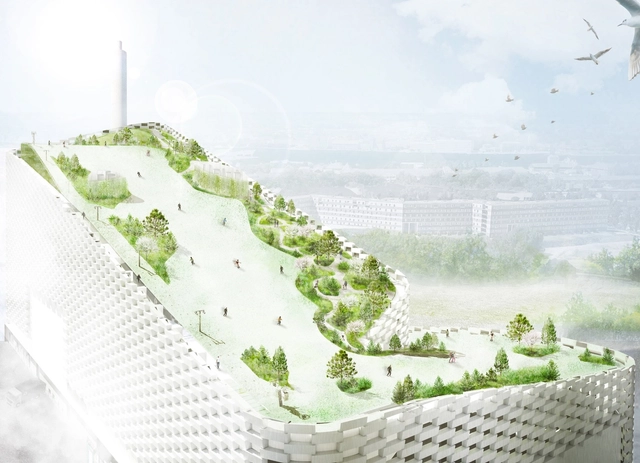
The final designs for one of 2018’s most awaited projects have been revealed, as SLA has released plans for the 170,000-square-foot (16,000-square-meter) park and ski slope that will cap the BIG-designed Amager Bakke Waste-to-Energy Plant in Copenhagen, Denmark.


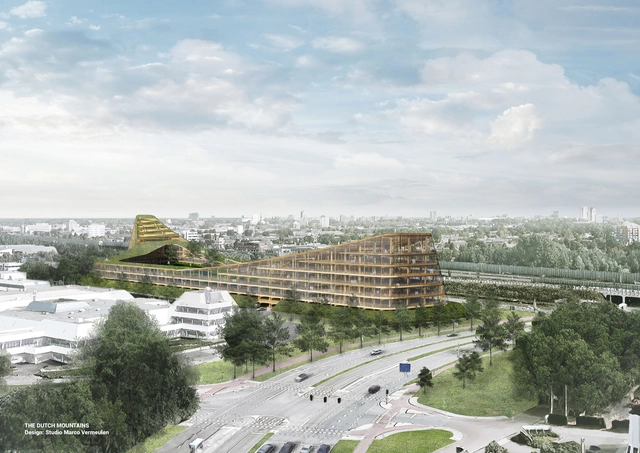
Plans have been revealed for the “largest wooden building in the world” to be located just outside Eindhoven in the town of Veldhoven, The Netherlands. Known as the Dutch Mountains, the complex was conceived via a multi-disciplinary partnership made up of tech companies, service providers, architects and developers, and would contain a hi-tech, mixed-use program for residents and visitors.






.jpg?1514544376 "Courtesy of GOA")
.jpg?1514544460 "Courtesy of GOA")
.jpg?1514544496 "Courtesy of GOA")
.jpg?1514544342 "Courtesy of GOA")
.jpg?1514544693)