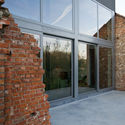
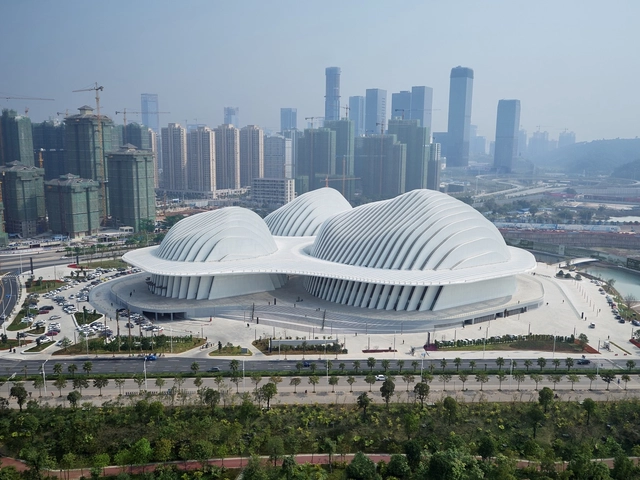
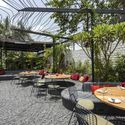
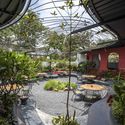
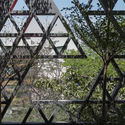
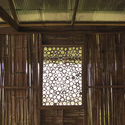
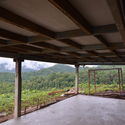
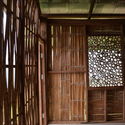
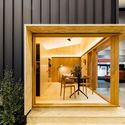
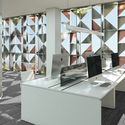
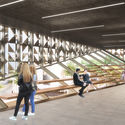
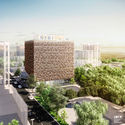
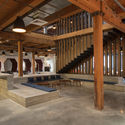
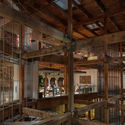
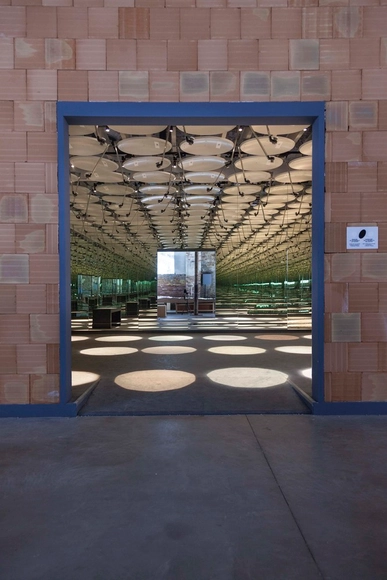
The ‘90s in Kosovo under the Milošević regime are known as times of repression, a time when ethnic Albanians were expelled from all state-run institutions and thereby removed from public life. Funded by the 3 percent income tax mainly from Albanian Diaspora, Albanians created a parallel system of education, culture and healthcare in their private houses, which citizens offered for free. These private houses provided space for public life for almost ten years in Pristina, the capital and other cities in Kosovo. In the ‘90s, life that the city center provided for everyone ended for Albanians, and all activity was dislocated to the periphery. The entire Albanian community shrank into private houses. The house became a school, a restaurant, a promotional activity space, an office, an art gallery, a hospital and a home at the same time.
https://www.archdaily.com/901614/the-cityiseverywhere-the-kosovo-pavilion-at-the-2018-venice-biennaleAD Editorial Team
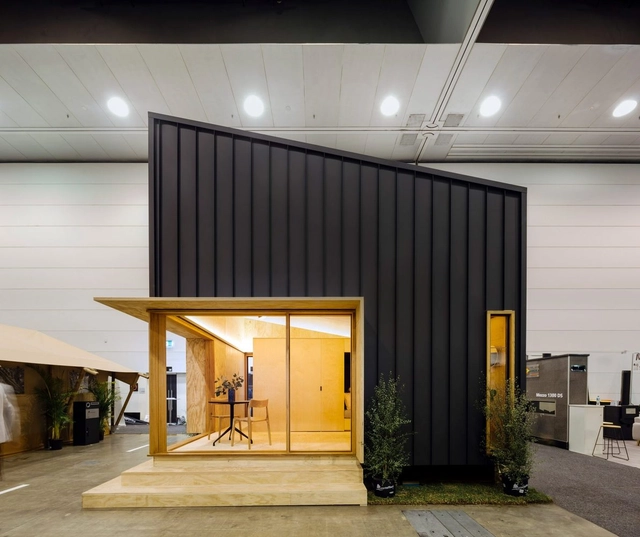
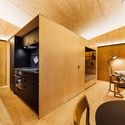
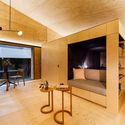
Grimshaw Architects have created a prefabricated tiny house to address Australia's housing crisis. Made to raise money for the not-for-profit organization Kids Under Cover and support homeless youth, The Peak project provides an affordable option for young people priced out of the housing market in Australia's cities. Designed to go completely off grid or integrate with city infrastructure mains, the project was formed around IKEA furniture within a double-height volume. All profits from The Peak support Kids Under Cover in Melbourne and the state of Victoria.
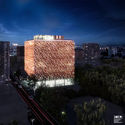
Blloku Cube. Image Courtesy of Stefano Boeri Architetti
Work has started on Stefano Boeri Architetti's multifunctional building Blloku Cube, the first element of a larger masterplan in Tirana. Located at the intersection of Pjeter Bogdani and Vaso Pasha streets, the project is sited in a up-and-coming center of city life in Blloku district. Taking cues from the Albanese capital, the design combines a multifunctional program of commercial, office and rooftop garden space. The project features an anodized aluminum double-skin cladding, a pattern facade that becomes a signature piece of architecture within the surrounding post-communist developments.
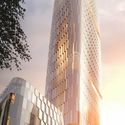
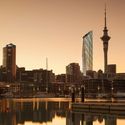
Auckland Tower. Image Courtesy of Zaha Hadid Architects
The international design competition to create a new high-rise tower in central Auckland has announced five finalists. The five teams include Warren and Mahoney, Cox Architecture, Zaha Hadid Architects, Elenberg Fraser and Woods Bagot. The landmark tower competition is run by Melbourne-based property development company ICD Property. Each of the teams were asked to complete two versions of their design, one following current city Unitary Plan rules and one version that could be built given more open planning parameters.




_diana_quintela.jpg?1536012716 "© Diana Quintela")
_diana_quintela.jpg?1536012614 "© Diana Quintela")
_diana_quintela.jpg?1536012586 "© Diana Quintela")
_diana_quintela.jpg?1536012864 "© Diana Quintela")



.jpg?1535586310 "© Mikael Olsson")