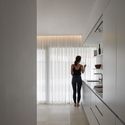
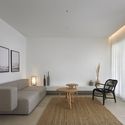
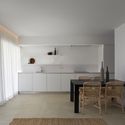
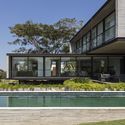
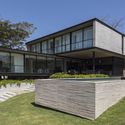
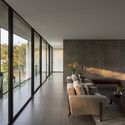
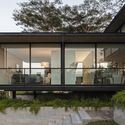
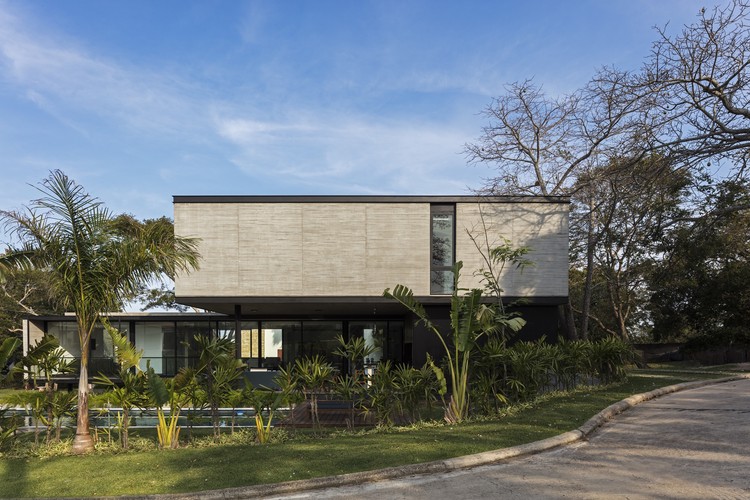
-
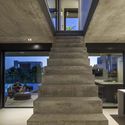
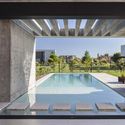
Architects: Bigoni Mortemard
- Area: 3679 m²
- Year: 2018
-
Manufacturers: Jansen, Forbo Flooring Systems, ARBOR FRANCE, Otis



Zaha Hadid Architects and A-Lab have been announced the winner of a competition to design two new metro stations in Oslo. The stations, Fornebu Senter and Fornbuporten, are to be part of Oslo's new Fornebubanen line, connecting a major existing rail interchange to the Fornebu Senter, a major shopping center in the city.

Throughout history, markets have provided an important function in the exchange of foods, books, spices, everyday items, and even ideas. From Mexican Tianguis to North African Souks, they played an essential element in the configuration of urban spaces.
Different architects have approached this challenge, where spatial distribution plays a fundamental role in creating adequate logistics and circulation.
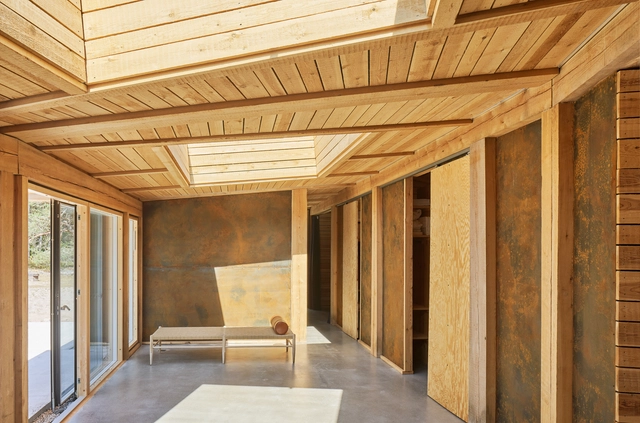
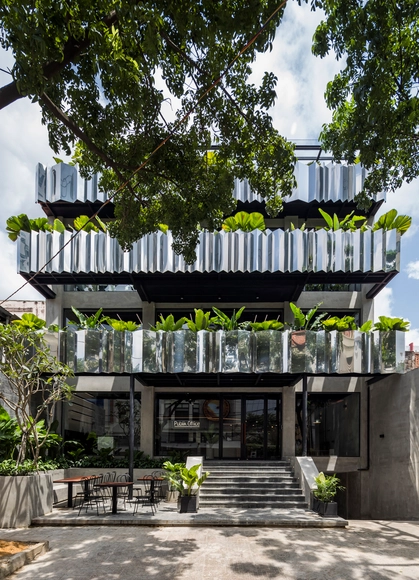
We've selected 20 markets and their plan and section to inspire your next project.


.jpg?1543967911)

The Museum of Modern Art and MoMA P.S.1 have announced the five finalists of their 2019 Young Architects Program (YAP). The competition was founded to offer emerging architectural talent the opportunity to design a temporary, outdoor installation within the walls of the P.S.1 courtyard for MoMA’s annual summer “Warm-Up” series. Architects are challenged to develop creative designs that provide shade, seating and water, while working within guidelines that address environmental issues, including sustainability and recycling.


.jpg?1543761372)

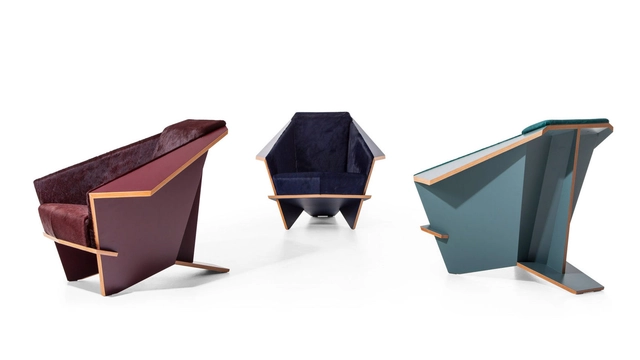
Italian furniture brand Cassina has reissued an iconic piece of Frank Lloyd Wright-designed furniture, the Taliesin 1 chair. The chair was designed by Lloyd Wright in 1949 for the Garden Room in Taliesin West. The iconic chair didn’t enter mass production until the late 1980s, but was discontinued in 1990 as it was seen as “too avant-garde.” The Taliesin 1 is constructed from a single piece of folded plywood, and will release in its original beech plywood with a cherry wood veneer.
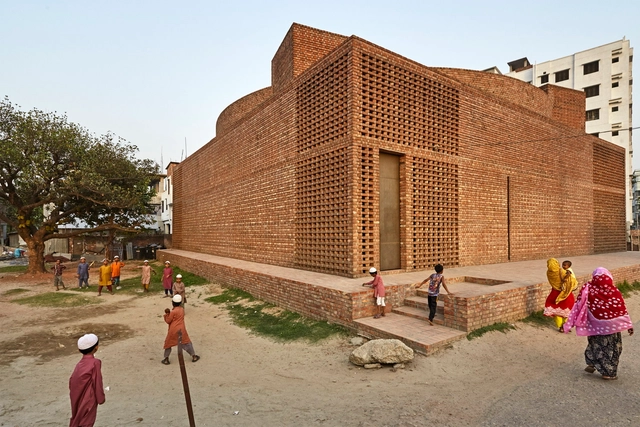
The Aga Khan Award for Architecture has announced the master jury for the 2017-2019 award cycle. The jury, a diverse and global group comprising architects, academics, and theorists, will select the recipients of the award, each of whom will, in turn, receive a USD $I million prize for their winning work.

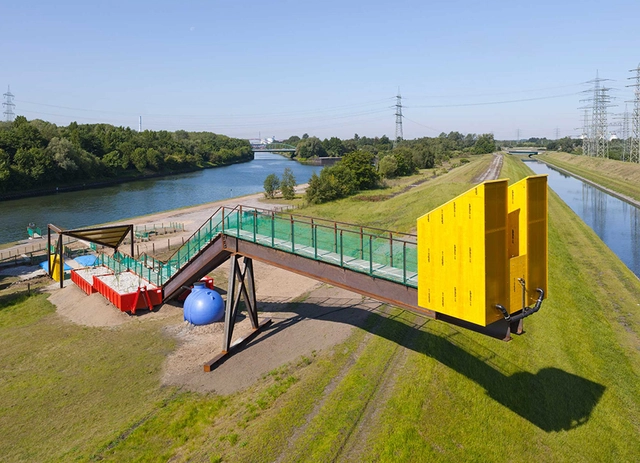
On a small strip of land between the Emscher River and the Rhine Herne Canal in Germany sits a rest stop whose colorful appearance belies its radical purpose. The structure’s artful design consists of pipes leading from two toilets and the Emscher (the most polluted river in Germany) that converge at a small community garden and drinking fountain. The garden is, in fact, a manmade wetland that collects, treats, and cleans the effluence from the toilets and river—making it drinkable.














.jpg?1543969047 "© Hoang Le")
.jpg?1543968208 "© Hoang Le")
.jpg?1543967956 "© Hoang Le")
.jpg?1543969877 "© Hoang Le")
.jpg?1543967911)

.jpg?1543761391 "Main entrance of the factory. Image © Guangyuan Zhang")
.jpg?1543761372)