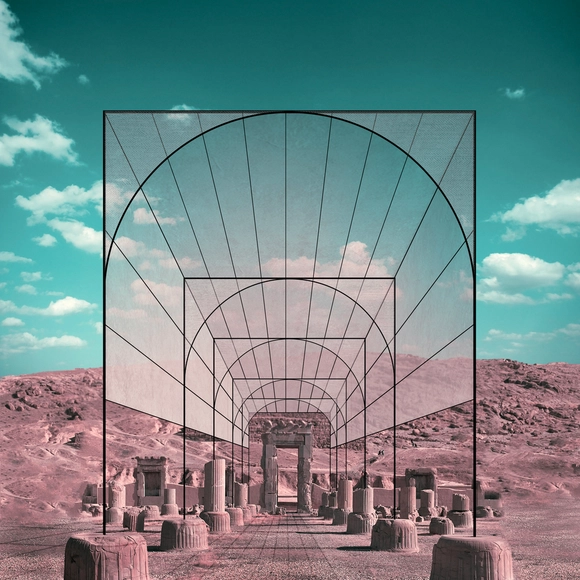
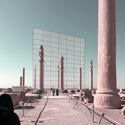
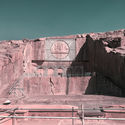
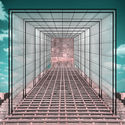
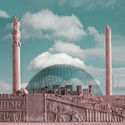
Architect and visual artist Mohammad Hassan Forouzanfar has been conceptually combining contemporary landmarks with traditional Iranian houses, palaces and monuments in a photo-series titled "Retrofuturism". In his latest exploration, Peace, the Persian architect looks to Iran's Persepolis cultural site, the former capital of the Achaemenid Empire.
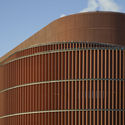
Energy infrastructure has historically been met with a “Not in My Back Yard” response from policymakers and the public alike. Aside from the clear human health implications of coal plants and natural gas stations, the architecture of energy infrastructure has traditionally been driven by raw economy and feasibility, with isolated locations creating little need for architectural beauty. However, modern ideological and urban shifts are powering a new approach.
Every work of art is an interpretation of the world, of what you are thinking; a realization of your perception which creates and attempts a different world. In the end, a work of art is merely an offering to art.
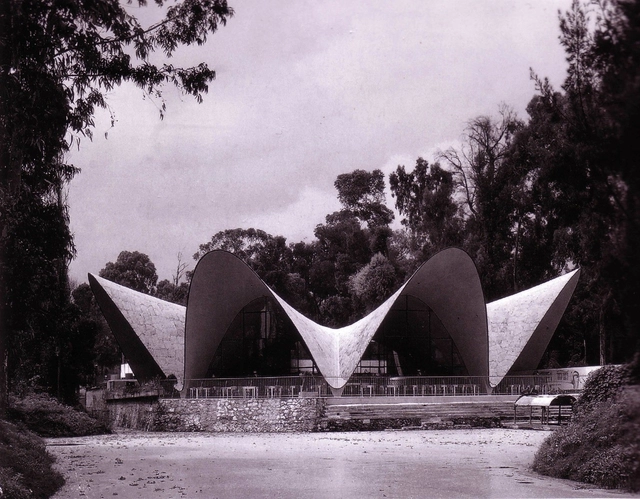
Mexican-Spanish architect Félix Candela (Jan 27, 1910 – Dec 7, 1997) was known for redefining the role of the architect in relation to structural problems, and played a crucial role in the development of new structural forms of concrete. His famous experimentation with concrete gave rise to projects like the Los Manantiales restaurant in the Xochimilco area of Mexico City and the Cosmic Rays Pavilion for the National Autonomous University of Mexico.
For decades, scientists have been warning us about global warming, and the consequences of human actions on the planet in the form of environmental disasters. The construction sector is today one of the major contributors to global warming and the climate crisis. According to data of the United Nations (UN), currently, 36% of the global energy is dedicated to buildings and 8% of all pollutant emissions are caused by the production of concrete alone.



.jpg?1580062329&format=webp&width=640&height=580)
.jpg?1580062329)

.jpg?1579882437 "© Zsolt Batár")












_Benjamin_Benschneider_04_10031_00_N100_high.jpg?1579813423 "© Benjamin Benschneider")

.jpg?1417651393)


.jpg?1417651562 "© Jan Kempenaers")
.jpg?1417651552 "© Jan Kempenaers")
.jpg?1417651393)