Produce personalized presentation boards that distill complex concepts into simple visual representations with a few helpful tools and effects.


Produce personalized presentation boards that distill complex concepts into simple visual representations with a few helpful tools and effects.




This article was originally published on Common Edge.
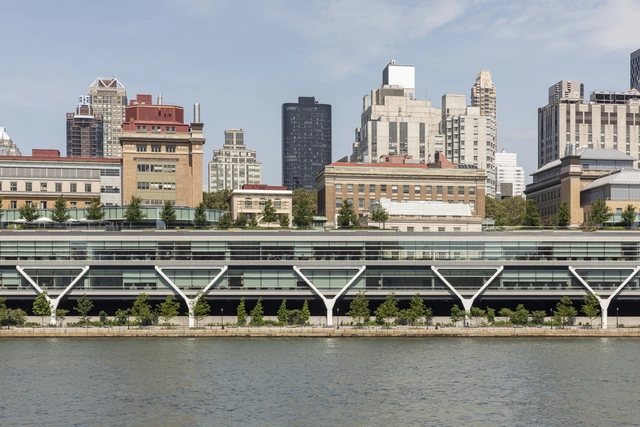
Conversations around resiliency today seem to imply that planners and designers might be capable of—might even be expected to—save every building and public space at risk. The sad truth is, however, that we cannot, and perhaps we should not. Climate change and its attendant sea level rise will radically redraw urban edges, forcing us to make difficult decisions. Even if we had the vast sums of money required to protect the precarious status quo, that might not be enough to stave off the inevitable.

So, then: What are our priorities? How do we choose what to save? How do we responsibly chart this uncertain future? I believe the answers to these and similar questions should begin with an honest assessment of three essential considerations:
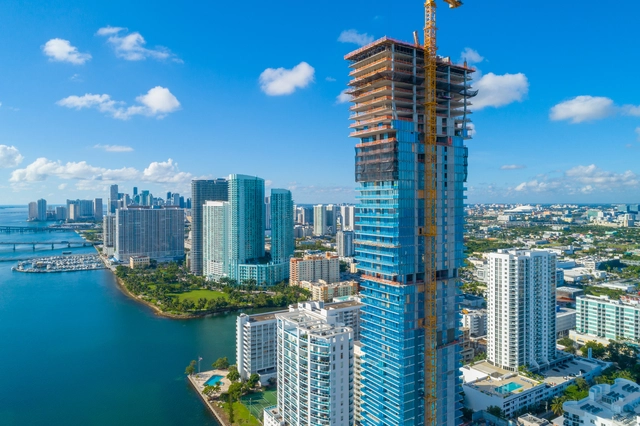
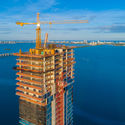
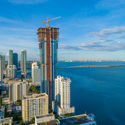
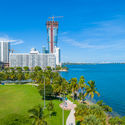
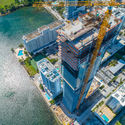
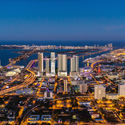
Designed by Arquitectonica, Miami’s most anticipated landmark dubbed Elysee has topped-off construction at 57 stories. Upon its completion in 2020, the 649-foot-tall glass tower will become the tallest residential building in the Edgewater district.
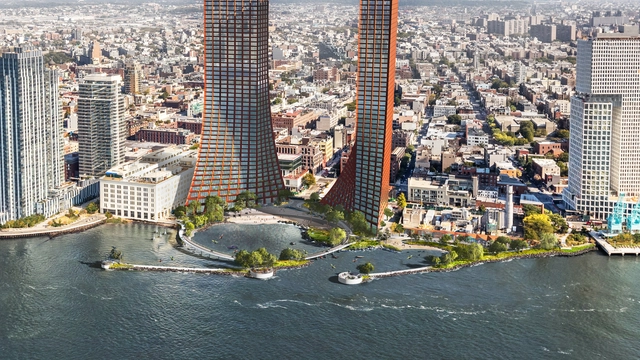
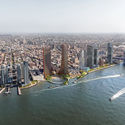
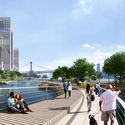
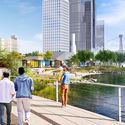
Two Trees Management Company, a New York-based real estate development firm, has presented a master plan for the Northern Brooklyn waterfront, a new approach to urban resiliency. Designed by BIG and Field Operations, the project puts in place a mixed-use development and a resilient park.
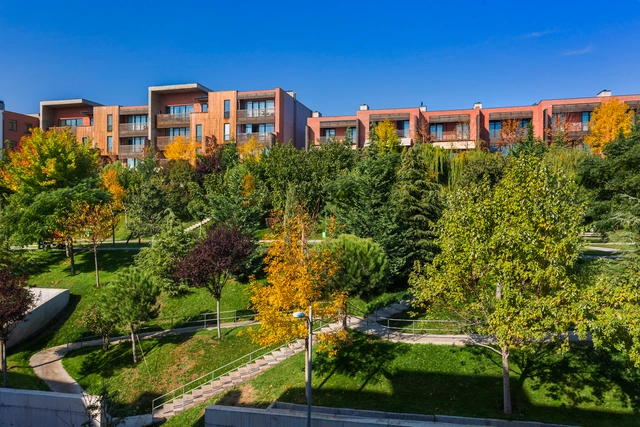
Architects and developers have always been on opposite ends of the construction world. While the first wanted to create dreamy spaces, the latter just wanted to cater to the basic needs. In these past few years, the world has witnessed significant changes, with the aggravation of climate-related issues, the evolution of technological solutions, and the newly acquired awareness and growth of the population.
While everything is transforming, building trends also evolved, mainly due to an alteration in people’s perceptions and priorities. However, one question remains unanswered: Could all these changes mean that the never-ending conflict between architects and developers reached some sort of common grounds? And could they finally be seeking one same goal, of a sustainable, resilient and inclusive future?
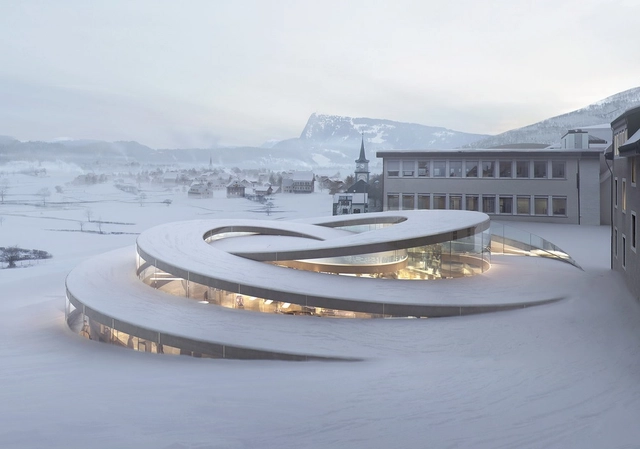
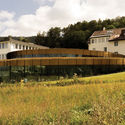
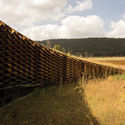
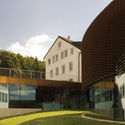
The new museum by BIG for Swiss luxury watchmaker Audemars Piguet is set to open to the public next May. As featured in WSJ. Magazine, the project was designed as an extension to their headquarters in Le Brassus, near Le Chenit. Conceived as a spiraling glass pavilion in the landscape, the design will take visitors on a narrative journey through the company's 139-year history.