On April 16, a ground-breaking ceremony was held in the city of Guangzhou, China, for what is to be the world’s largest soccer stadium. The most controversial aspect of the project was not its $1.7 billion price tag, but its bold lotus shape causing a backlash from the local architectural community but praise from the general public.
https://www.archdaily.com/939208/the-worlds-largest-soccer-stadium-breaks-ground-in-guangzhouMilly Mo
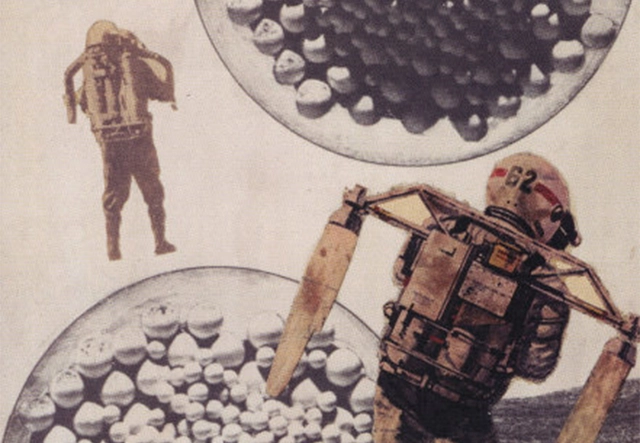
Raimund Abraham’s Air Ocean City. Image Courtesy of MIT Press
For more than a century, architects have been addressing the world as a project through speculative designs in an attempt to imagine the future and reframe global issues. Globalisation, the ever-increasing interconnectedness demands action on a worldwide scale and invites a reflection on the profession's responsibilities. The latter is precisely what the book The World as an Architectural Project achieves, through a compilation of world-scale speculative projects of the past century, making a compelling case for the agency of architecture.
The Midnight Charette is an explicit podcast about design, architecture, and the everyday. Hosted by architectural designers David Lee and Marina Bourderonnet, it features a variety of creative professionals in unscripted conversations that allow for thoughtful takes and personal discussions. A wide array of subjects are covered with honesty and humor: some episodes provide useful tips for designers, while others are project reviews, interviews, or explorations of everyday life and design. The Midnight Charette is also available on iTunes, Spotify, and YouTube.
This week David and Marina share the experiences with design and architecture competitions: Why one should enter competitions, who they benefit, how to choose the right competition, different competition types, what to expect in the process, tips for winning, when they are not a good idea, and more. Enjoy!
https://www.archdaily.com/939532/tips-and-tactics-a-guide-to-architecture-competitionsThe Second Studio Podcast
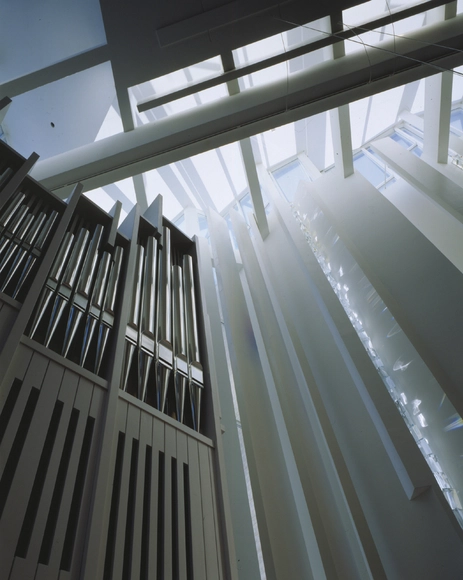
On the UNESCO International Day of Light, The Daylight Award announces its 2020 Laureates: Juhai Leiviskä for his architecture, Russell Foster for his research, and this year, exceptionally, The Daylight Award is also given to Henry Plummer for his lifetime achievement.
'While laureate Russell Foster studies the science behind the effect of light on human behaviour and physical and mental wellbeing, laureates Juha Leiviskä and Henry Plummer approach the effects and implications of daylight intuitively through architectural design, photographic expression and verbal mediation of these human responses. Whether elucidating the neural effects of light or invoking the poetic essence of light, the laureates of the 2020 Daylight Award demonstrate to us the power of natural light,' states the jury.
https://www.archdaily.com/939567/juha-leiviska-russell-foster-and-henry-plummer-receive-the-daylight-award-2020AD Editorial Team
There are strange elements of connection within this phenomenon of social distancing: not only is the whole world experiencing it simultaneously, but we also seem to share a global momentum of awareness that something unique is taking place, which demands to be documented and gradually understood.
Moved by that impulse and under the guidance of professor Erieta Attali, 16 students from The Cooper Union, explored, through photography, their everyday life now ruled by isolation and social distancing. And they did so, not from a single city, but from 10 different places, as they returned to their home countries amidst the crisis.
Hillary Schieve, the mayor of Reno, Nevada, often jokes that she went to her first Burning Man kicking and screaming. The event—which takes place in the Black Rock Desert, 100 miles north of the city—transformed her understanding of arts and culture, and of city-building, and she became a convert. Two years ago, as the chair of the United States Conference of Mayors Tourism, Arts, Parks, Entertainment, and Sports (TAPES) committee, she started taking groups of mayors out to Burning Man to experience the energy of the Playa (the event’s name for its Black Rock location) and learn from its culture. As with most in-person gatherings for the foreseeable future, Burning Man 2020 will be different. In April, the organization announced that it would be experimenting with an online, interactive format, looking to attract an astounding 100,000 burners. I recently chatted with Mayor Schieve about her fervor for Burning Man, its impact on Reno, urban design and planning lessons cities can borrow, and how she envisions a digital Burning Man.







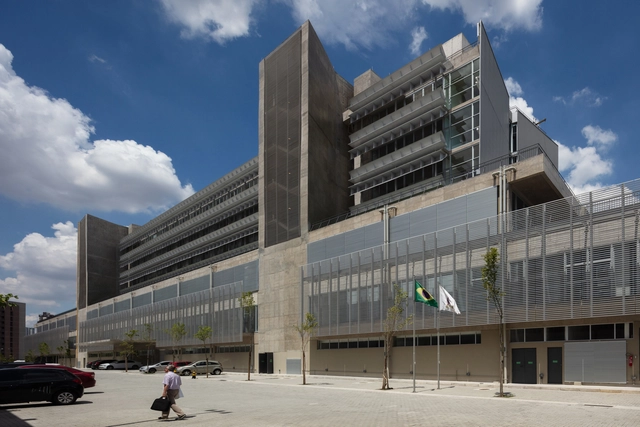













.jpg?1427073359 "© Leonardo Finotti")
.jpg?1427073543 "© Leonardo Finotti")
.jpg?1427073484 "© Leonardo Finotti")
.jpg?1427073422 "© Leonardo Finotti")
















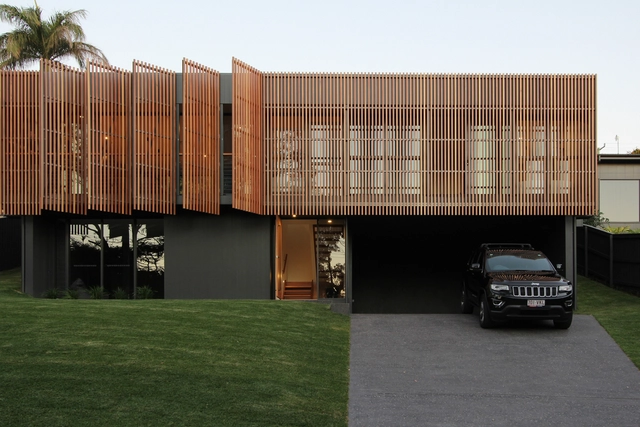
.jpg?1589391920 "© Andrew Song")

.jpg?1589371854&format=webp&width=640&height=580)
