


-
Architects: Kere Architecture
- Area: 450 m²
- Year: 2025


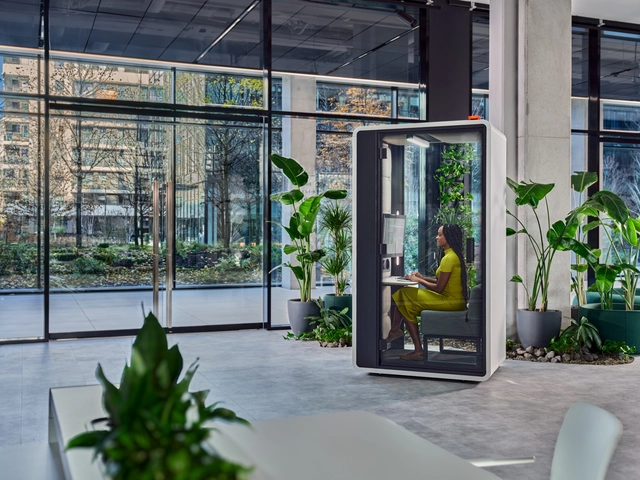
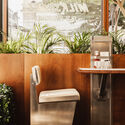
Without dedicated spaces for private focus — a crucial element of effective collaboration — even the brightest idea dims. The office must indeed balance connectivity with personal space most brilliantly, letting employees move between tasks without friction. Booths like hushFree.XS, hushFree.S.Hybrid, and hushFree.S are part of this, together forming a trio of single-person booths that meet the majority of the office's need for individual workspaces.
HushFree.XS, hushFree.S.Hybrid, and hushFree.S work as a complete system, ensuring employees have the right conditions for productive solo work throughout the day, proving to be invaluable tools for architects in designing spaces that completely address varied employees needs. Booths like these make premium refuges for focused calls, impressively immersive video conference spaces, and deep-focus bubbles.
Kabage Karanja, co-founder and director of Cave_bureau based in Nairobi, Kenya, and Kathyrn Yusoff, professor of Inhuman Geography at the University of London, are the curators of the British Pavilion at the 19th Venice Architecture Biennale. Together, they form the UK-Kenya curatorial team behind GBR – Geology of Britannic Repair, an exhibition that rethinks the Pavilion as both a symbolic and material site. Their approach reflects on Britain's architectural legacy and its entanglement with histories of colonialism, geological extraction, and the urgency of the climate crisis. In recognition of their exploration of the relationship between Great Britain and Kenya, focusing on themes of reparation and renewal, the Pavilion curators and commissioner were awarded a Special Mention for National Participation by the Biennale jury. While on site in Venice, ArchDaily's editors had a chance to discuss with the curators about the ideas that shaped the British Pavilion.

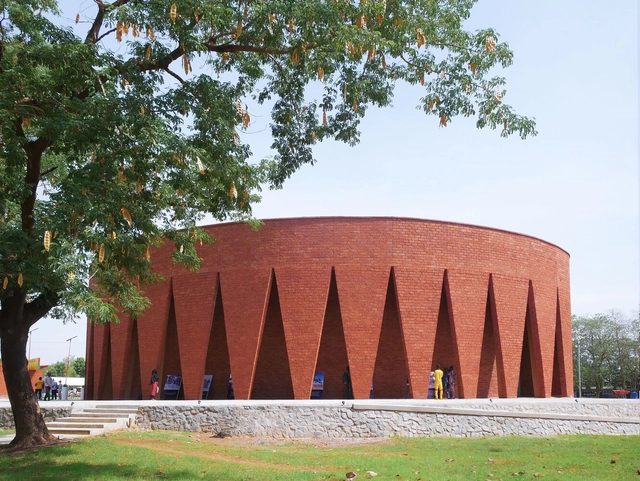
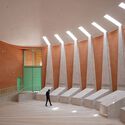
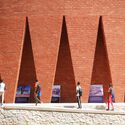
Lagos-based architects Oshinowo Studio have revealed a new memorial design commissioned by the Commonwealth War Graves Commission (CWGC) to honor the fallen of the Sierra Leone Carrier Corps during World War I. The design is an intervention into the existing Freetown Memorial, built in 1930 and designed by Sir Edwin Lutyens.
The existing podium, located outside the Secretariat Building in Freetown, commemorates soldiers of the First World War and later incorporated servicemen from the Second World War by removing a small mention of the men of the Carrier Corps, a removal this project seeks to address. Studio founder Tosin Oshinowo is the first woman and the first West African architect to design a memorial for the CWGC.
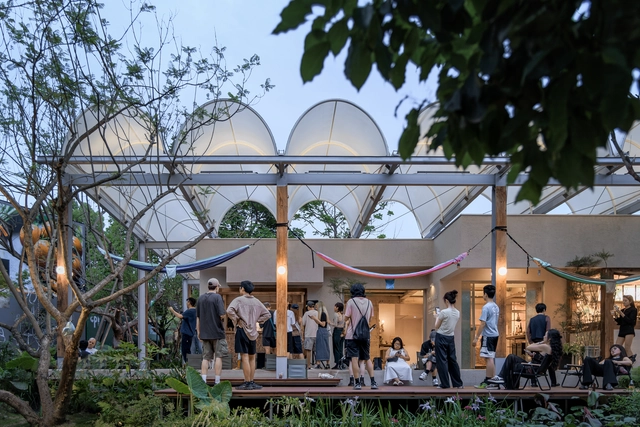
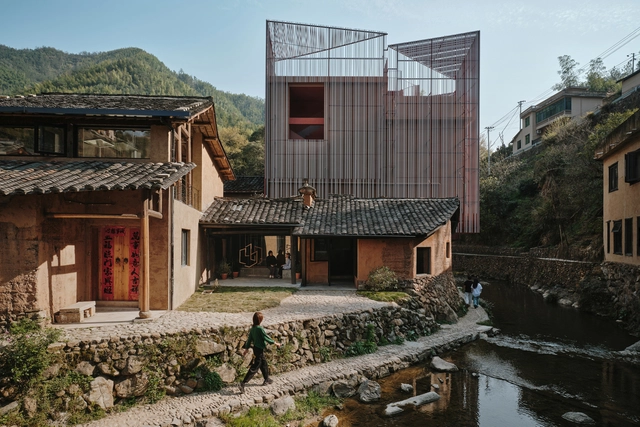
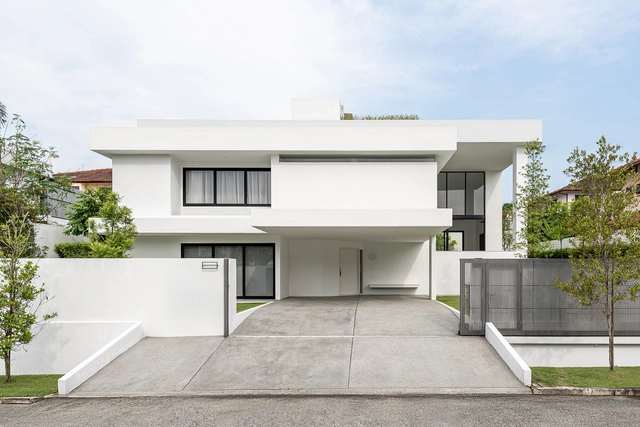
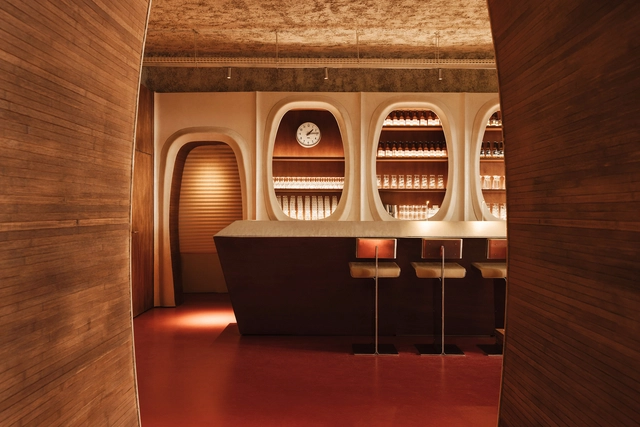
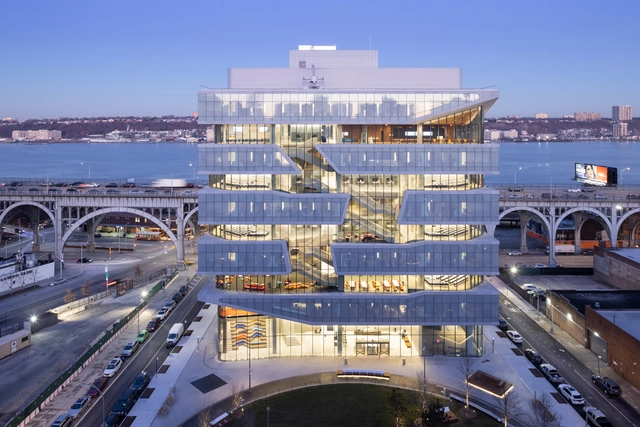
Architecture holds power beyond the creation of buildings - it is a practice that shapes how people live, interact, and thrive within their communities. Architecture can also be a tool for social innovation. Through an understanding of human-centered processes, participatory design, and social sciences, practitioners can address societal challenges such as loneliness, inequality, and public health to equip spaces as vehicles for social equity and engagement. Architecture's role in shaping the future of communities is a direct response to human needs and activated social change.
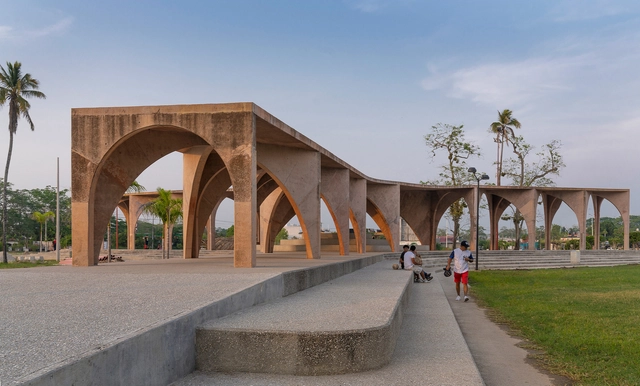
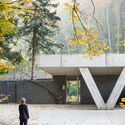
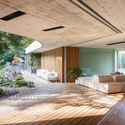
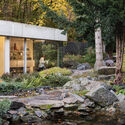
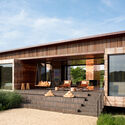
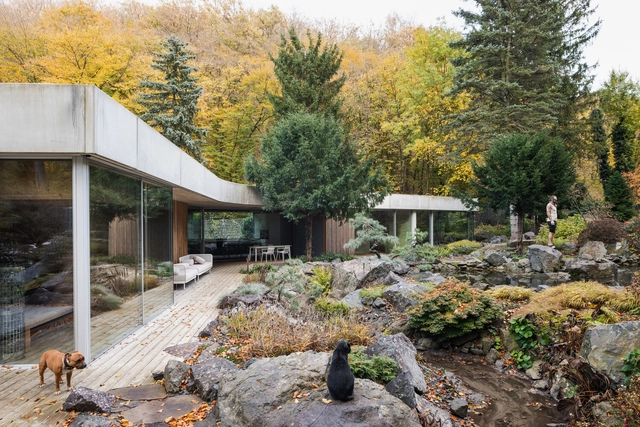
An ancestral house in the rural village of Willendorf in der Wachau stands watch over a grove of fruit trees. The trees have stood for generations and, to this day, provide the fruit which is the basis of the family business. Bound on one side by the river Danube and the other by valley's edge, both house and grove have witnessed the passage of countless seasons together. With each progression between darkness and light, from winter to summer, comes the inevitability of change.
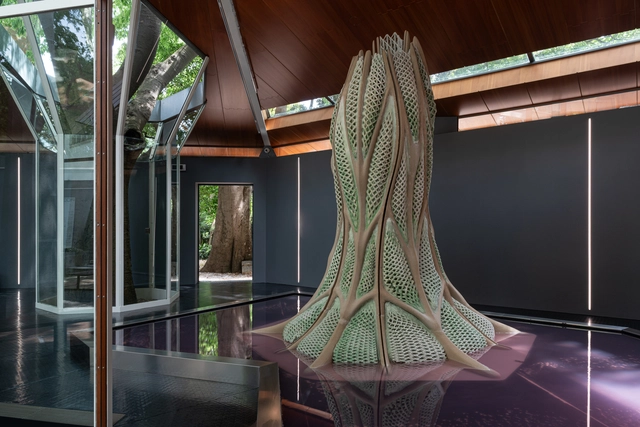
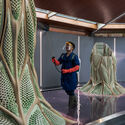
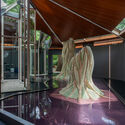
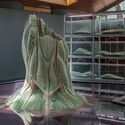
The Canada Council for the Arts presents Picoplanktonics at the Canada Pavilion as part of the 19th International Architecture Exhibition – La Biennale di Venezia, which will run until November 23, 2025. Developed by the Living Room Collective, the installation engages with ongoing global ecological challenges through a speculative, research-driven approach to design, featuring 3D-printed architectural structures embedded with living cyanobacteria capable of carbon sequestration. Developed through a four-year collaboration led by Andrea Shin Ling and a group of interdisciplinary contributors, the project investigates the potential of co-constructing built environments with living systems.
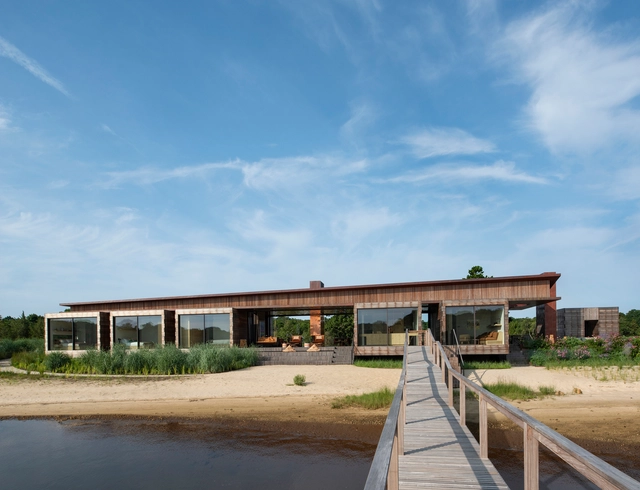
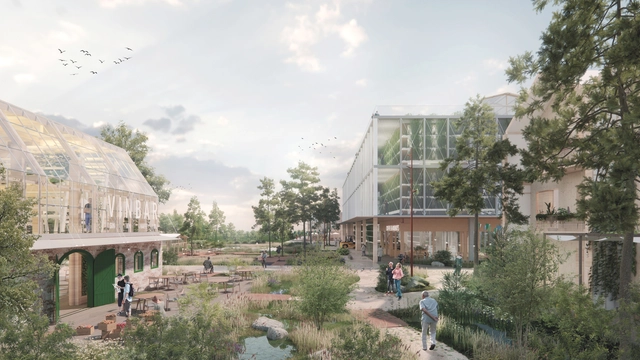
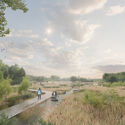
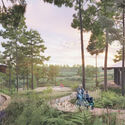
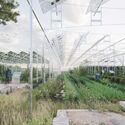
Danish architecture firm Third Nature, together with Sophie Sahlqvist Landskab, Arkaia, ILC, and Artelia, recently shared images of Øhjem, their proposed strategic vision for the re-naturalization of Denmark's Greater Copenhagen region toward 2050. The regenerative plan is part of the Water's Ways program under the Agenda Earth initiative, an interdisciplinary project run by the Danish Association of Architects in collaboration with the Dreyers Foundation and the Danish Bar Association. Led by urbanist Boris Brorman Jensen, the program calls for long-term solutions to restore 15% of Danish agricultural land while also protecting 600,000 homes from water-related threats. Third Nature's Øhjem masterplan reimagines the 25 km Ramsø Dale as a step toward implementing the land management objectives outlined in the Danish Green Tripartite Agreement (Grøn Trepart), signed in June 2024.