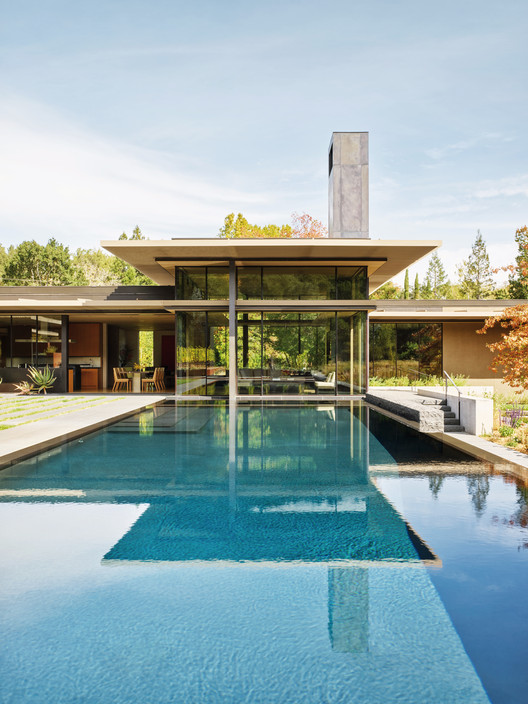


-
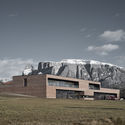
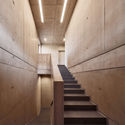
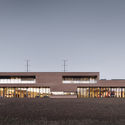
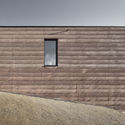
Architects: Olson Kundig
- Area: 17000 ft²
- Year: 2017
-
Professionals: Barnett Company, MacLeod and Associates, PCS, WSP Group, Surface Design Inc., +2




We’ve all commented on a building’s character before. An apartment might have it because of some special oak trim, or a building might not fit with the ‘character’ of its neighborhood. In this video, architectural designer and professor Stewart Hicks takes a close look at the meaning and origins of this elusive concept. Why do we use this word for both people and for buildings? Characters also occur in fiction, does that help explain how buildings tell stories? From the Enlightenment architects Ledoux, Boullée, and Lequeu, to the Beetlejuice house, to contemporary practices exploring what it might mean for a building to have a face or a posture, we get to the bottom of why architects might consider architectural character to be a good idea.
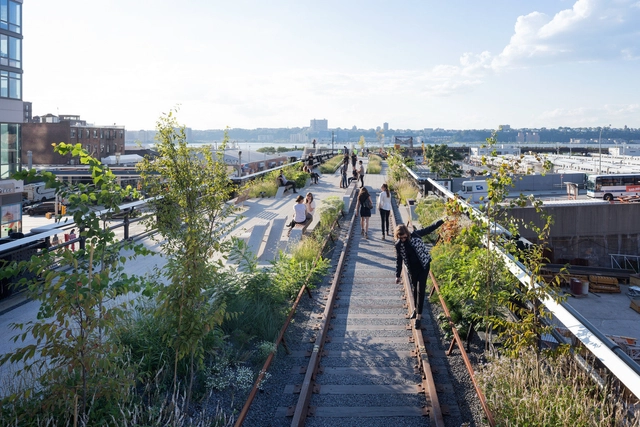
Understanding what drives economic, social, and educational disparities between communities is one of urbanism’s most critical and highly-discussed topics. It’s an increasingly complex issue, with many factors at play- one of them being the design and location of desirable urban green spaces. While sometimes they are a tool that helps to bolster underserved communities in terms of health and economic benefits, safety, and climate resistance, other times they can actually drive out the residents that they are created to serve. Now, the challenge lies in how to design these recreational sites to create better futures for all.

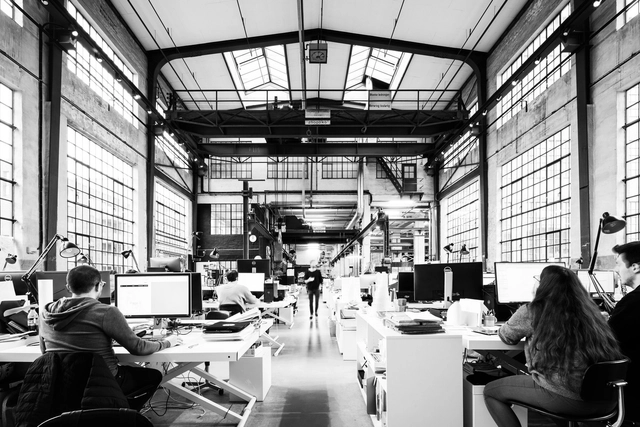
Seeking to give insights into the architectural creative centers of the world, Rainer Taepper created an architectural book that doesn’t feature buildings and plans. Looking behind the scenes, the architecture photographer highlighted both the working spaces of international design firms and the creative people, who contribute to the conception of a building.

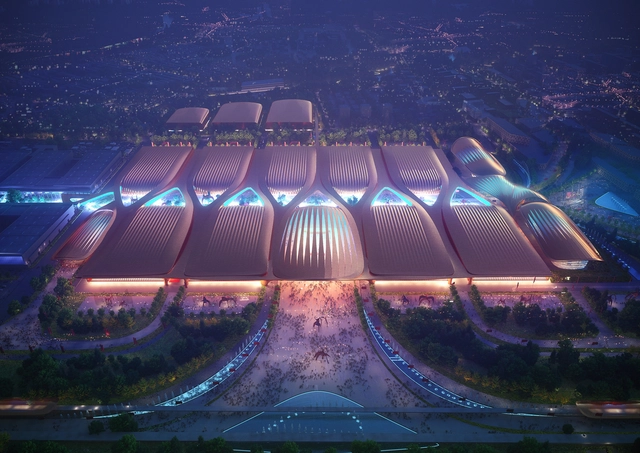
Zaha Hadid Architects has won the design competition to build Phase II of the International Exhibition Centre in Beijing. Drawing from the cultural, academic and civic center of China, the International Exhibition Centre is located next to the city’s Capital International Airport as a site for conferences, trade fairs and industry expos. Now, Phase II will significantly expand exhibition space for knowledge and exchange.
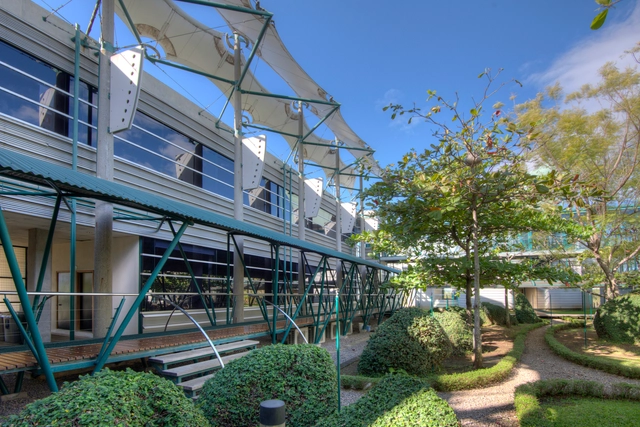
Certification of sustainable buildings has become a prominent trend in architecture over the last couple of years and while most people can agree on the importance of sustainability in building, how to achieve it leaves copious room for discussion.
This article was originally published on Common Edge
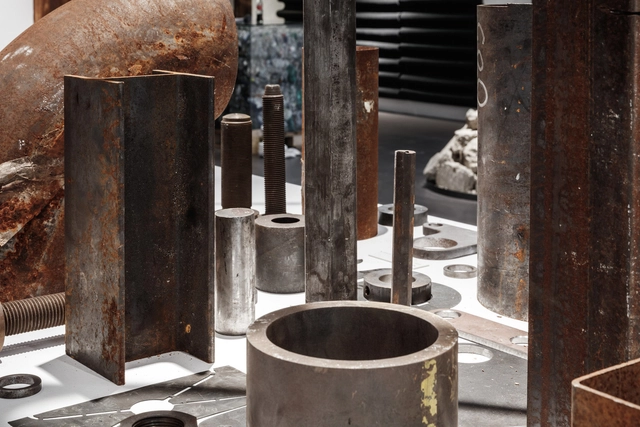
In a Common Edge article, I briefly discussed a concept that I call the “Triple Bottom Lie,” which posits that more people, plus more consumption by each person, plus an economic system completely dependent on the aforementioned items, can just keep working forever, without consequences. Historically, the United States has accepted the economic shibboleth of endless growth because it reduced class conflict; a rising tide (supposedly) lifted all boats, rafts and yachts included. We are, however, approaching the limits of growth, from both a resource standpoint (we’re running out of raw materials) and a technological standpoint (our inventions are progressively less revolutionary).