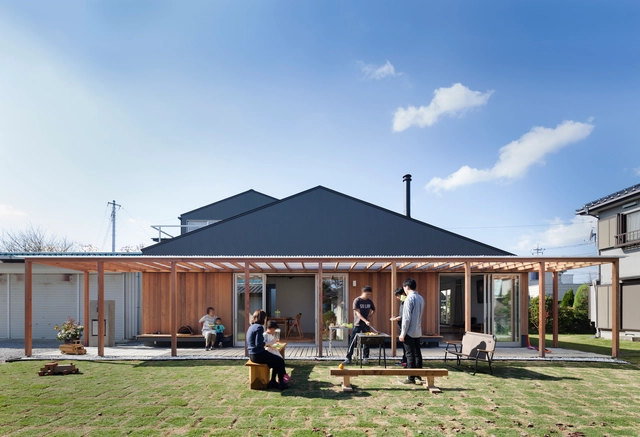
Cultivatable House / IN STUDIO


https://www.archdaily.com/968667/cultivatable-house-in-studioHana Abdel
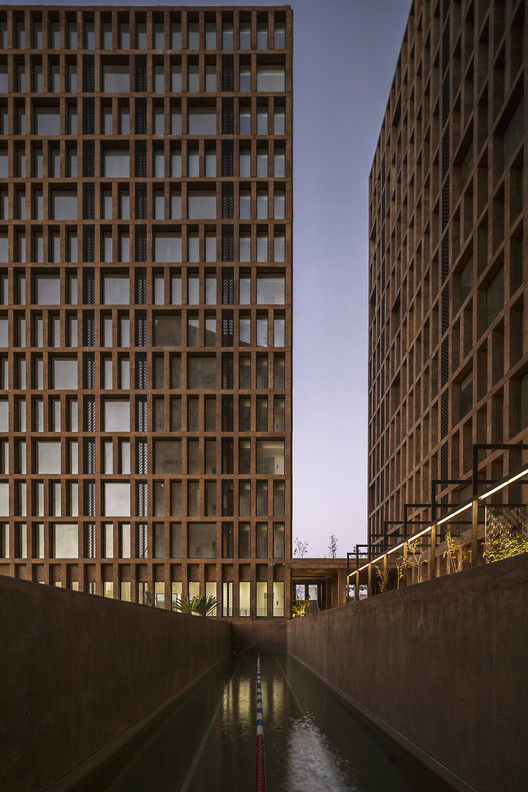
Rinconada Margaritas / Luis Aldrete


-
Architects: Luis Aldrete
- Area: 10126 m²
- Year: 2017
-
Manufacturers: Hansgrohe, Novaceramic
https://www.archdaily.com/874280/rinconada-margaritas-luis-aldreteRayen Sagredo
El Humedal / TAAR / Taller de Arquitectura de Alto Rendimiento
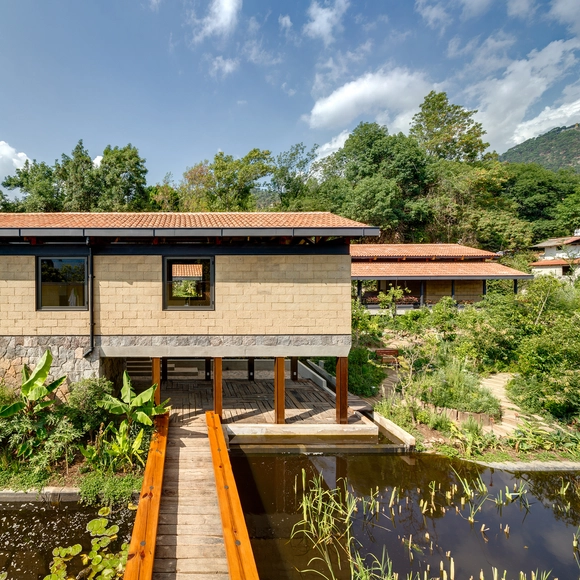
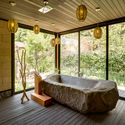
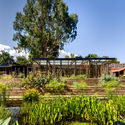


https://www.archdaily.com/894278/el-humedal-taar-taller-de-arquitectura-de-alto-rendimientoRayen Sagredo
Designing for all bodies and people

Disability and the diversity of bodies and people should be an engaging subject for architects: it is about lived experience, problem-solving, and designing a better built environment.
While the topic involves critical theory and aspirations for collective life, it is often viewed merely as a compliance-driven field—or worse, a sensitive subject fraught with outdated terminology and archaic habits of thought. Typical design routines do not always account for the variety of human bodies.
https://www.archdaily.com/1127717/designing-for-all-bodies-and-peopleMarília Matoso
Casa Anunze / ARKITITO Arquitetura
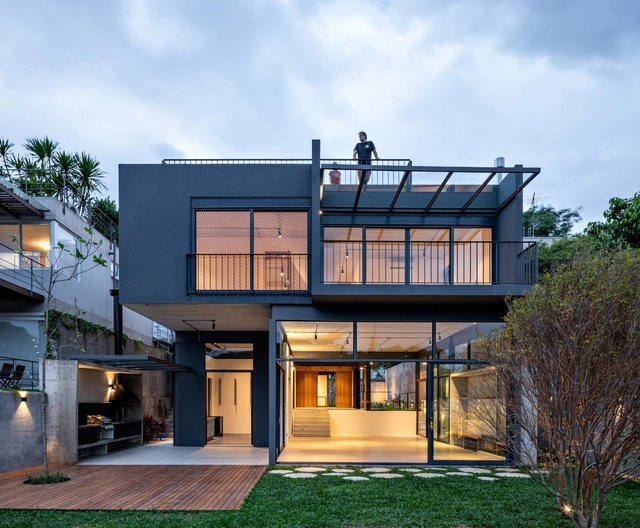
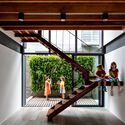
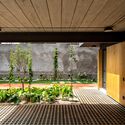


https://www.archdaily.com/968410/casa-anunze-arkitito-arquiteturaAndreas Luco
Cuatro cielos / VOID Studio

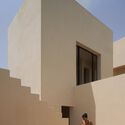
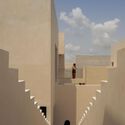
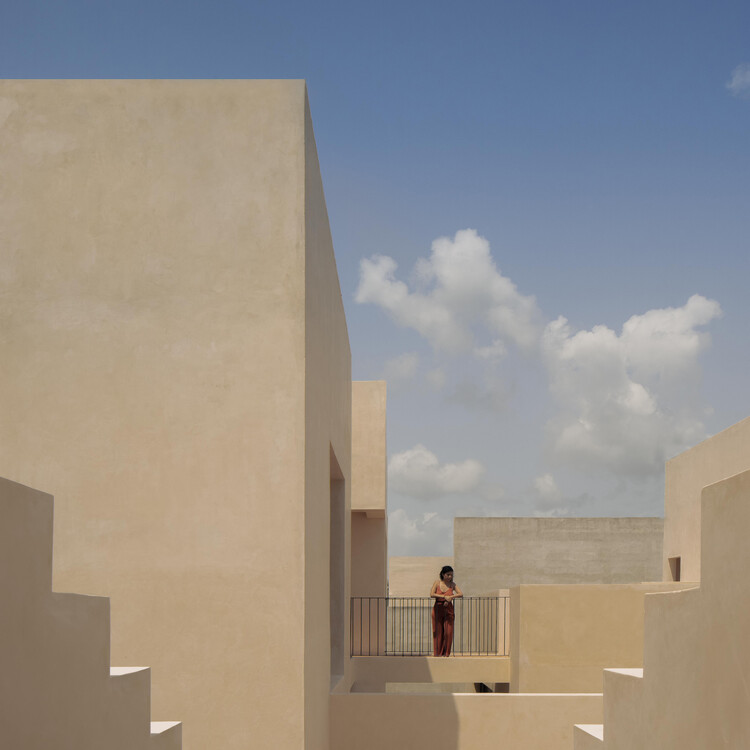
-
Architects: VOID Studio
- Area: 8730 ft²
- Year: 2021
-
Manufacturers: Axoque Studio, Casa Atica, La Metropolitana, Porcelanosa Grupo, Taller LU´UM
https://www.archdaily.com/968617/cuatro-cielos-void-studioPilar Caballero
Banema Store / Campos Costa Arquitetos


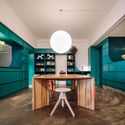
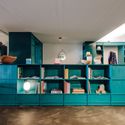
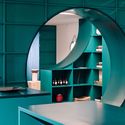

-
Architects: Campos Costa Arquitetos
- Area: 100 m²
- Year: 2020
-
Manufacturers: HIMACS, CLEAF
https://www.archdaily.com/968681/banema-store-campos-costa-arquitetosSusanna Moreira
Carnide House / Campos Costa Arquitetos


https://www.archdaily.com/968680/carnide-house-campos-costa-arquitetosSusanna Moreira
BuildTech Futures: Artificial Intelligence and Machine Learning
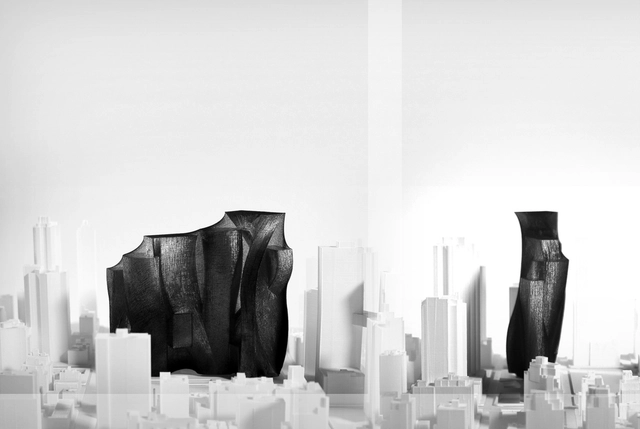
Artificial intelligence, machine learning and generative design have begun to shape architecture as we know it. As systems and tools to reimagine the built environment, they present diverse opportunities to rethink traditional workflows. Designers also fear they may inversely affect practice, limiting the services of the architect. Looking to building technologies, new companies are creating software and projects to explore the future of design.
https://www.archdaily.com/924704/buildtech-futures-artificial-intelligence-and-machine-learningEric Baldwin
Grupo Farmagreen Central Pharmacy / Paralelo Colectivo


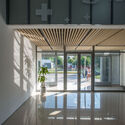


-
Architects: Paralelo Colectivo
- Area: 200 m²
- Year: 2020
https://www.archdaily.com/1177085/grupo-farmagreen-central-pharmacy-paralelo-colectivoAgustina Coulleri
Masterclass: Investing in Net Zero and the Changing Shape of Property & Place
| Sponsored Content

We would like to invite you to our second event in collaboration with The Developer UK, a publication for enlightened real estate developers working in the private and public sector along with their investors, local government, architects, placemakers and project teams.
https://www.archdaily.com/968416/masterclass-investing-in-net-zero-and-the-changing-shape-of-property-and-placeRene Submissions
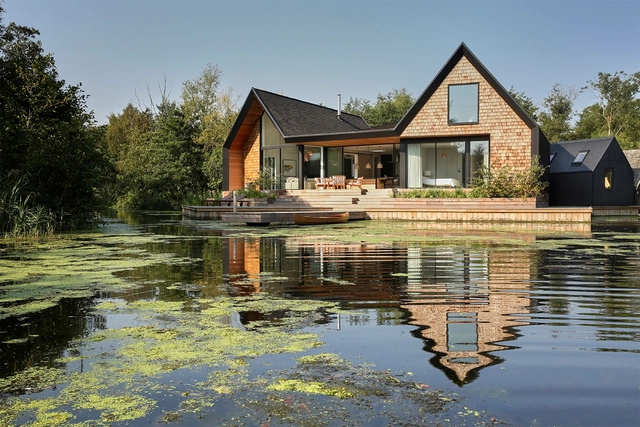
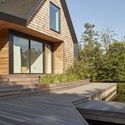
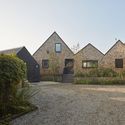
Backwater House / Platform 5 Architects



-
Architects: Platform 5 Architects
- Area: 165 m²
- Year: 2016
-
Manufacturers: Dornbracht, Hansgrohe, Duravit, Tom Dixon, Acre Joinery, +18
https://www.archdaily.com/866817/backwater-platform-5-architectsValentina Villa
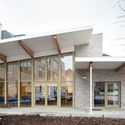
De Zonnepoort / evr-Architecten

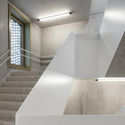
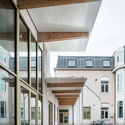
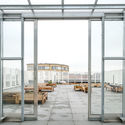

-
Architects: evr-Architecten
- Area: 1711 m²
- Year: 2018
-
Manufacturers: Bomarbre marbralys, Forbo, Green buildings, VANDERSANDEN, keim inistar
-
Professionals: THV Artes depret
https://www.archdaily.com/968635/de-zonnepoort-evr-architectenValeria Silva
Kedi Tonight Shisha Bar / RepublicDesign


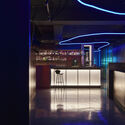
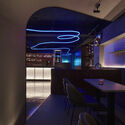
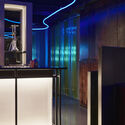

-
Architects: Republic Design
- Area: 81 m²
- Year: 2021
-
Manufacturers: Beamtec Lighting
-
Professionals: Beamtec Lighting Enterprise Co. Ltd.
https://www.archdaily.com/968668/kedi-tonight-shisha-bar-republicdesignchlsey
Jasmin Black Lounge / LABOTORY
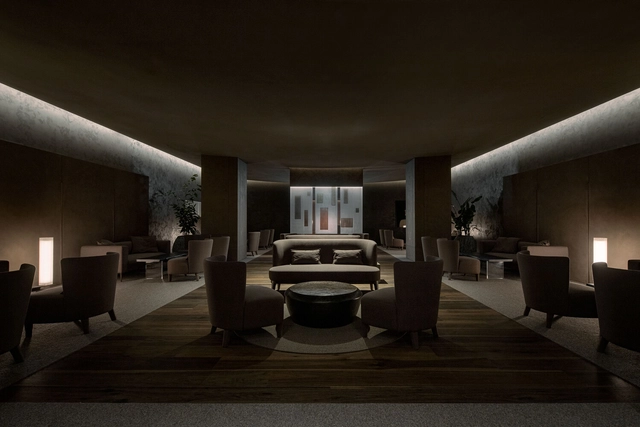
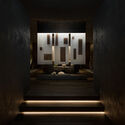
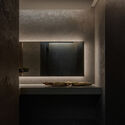
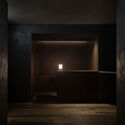

https://www.archdaily.com/968685/jasmin-black-lounge-labotoryHana Abdel
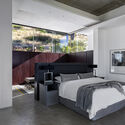
Pool Penthouse / Jenny Mills Architects


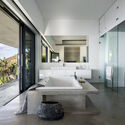
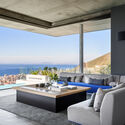

-
Architects: Jenny Mills Architects
- Area: 367 m²
- Year: 2015
-
Manufacturers: Hans Grohe
-
Professionals: HBQS, ADA COnsulting Engineers, Jo Lubbe & Associates, Hardman Construction, Apax Design
https://www.archdaily.com/968266/pool-penthouse-jenny-mills-architectschlsey
Monochrome House / DADA Partners

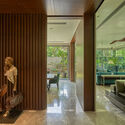
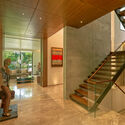
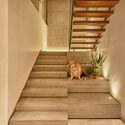
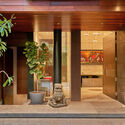

-
Architects: DADA Partners
- Area: 12000 ft²
- Year: 2021
-
Manufacturers: Kohler, Atlas Schindler, Daikin
-
Professionals: S L Constructions, P Arora & Associates, Dada Partners, EMME, Green Thumbs, +2
https://www.archdaily.com/968426/monochrome-house-dada-and-partnersHana Abdel
Mosque Al-Tasamoh / Tasegda
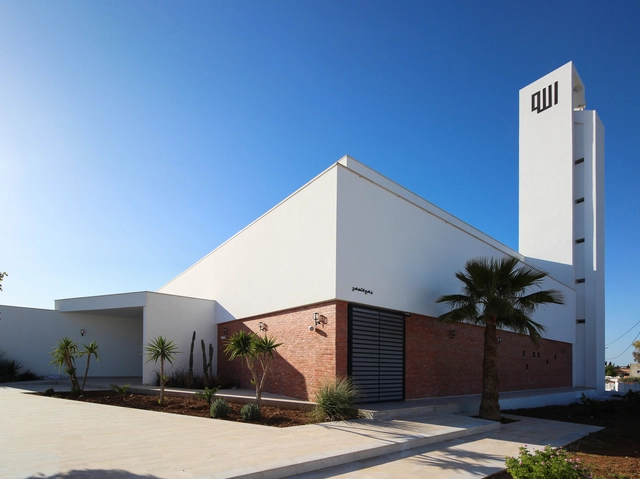

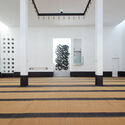
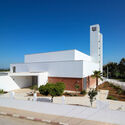

https://www.archdaily.com/968634/mosque-al-tasamoh-tasegdaAndreas Luco