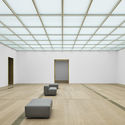

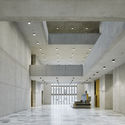

-
Architects: David Chipperfield Architects
- Area: 23300 m²
- Year: 2020
-
Manufacturers: Holcim
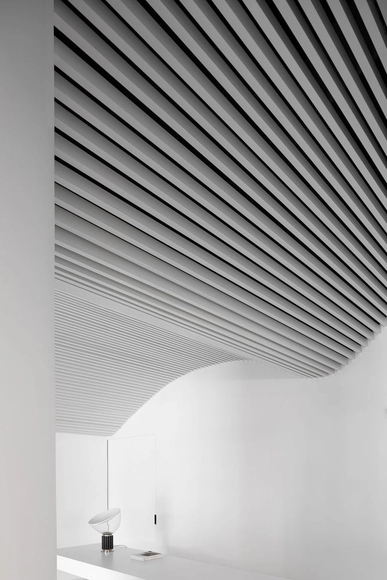
Spaces create living environments, and the design of the room has a direct effect on people's moods and behavior. The winners of this year's iF Design Awards show how high-tech materials, elements, and shapes shine in their uniqueness and create a very special atmosphere.
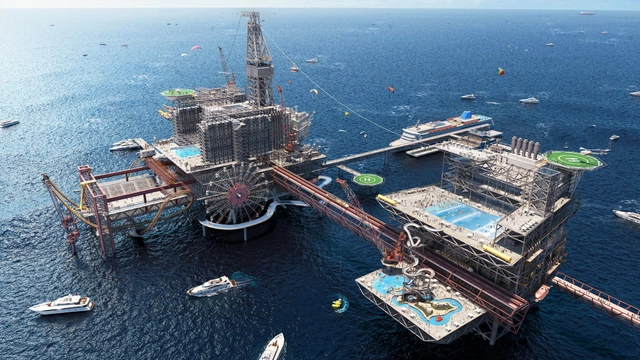
Saudi Arabia's Public Investment Fund has announced that it will convert an oil rig into a 150,000 square meter amusement park and resort located in the Arabian Gulf. Titled "THE RIG.", the project is expected to be the world's first touristic destination built on offshore oil platforms, featuring three hotels, eleven world-class restaurants, roller coaster rides, and extreme sports and activities like bungee jumping and skydiving, all accessible via a ferry, yacht, cruise, or helicopter.

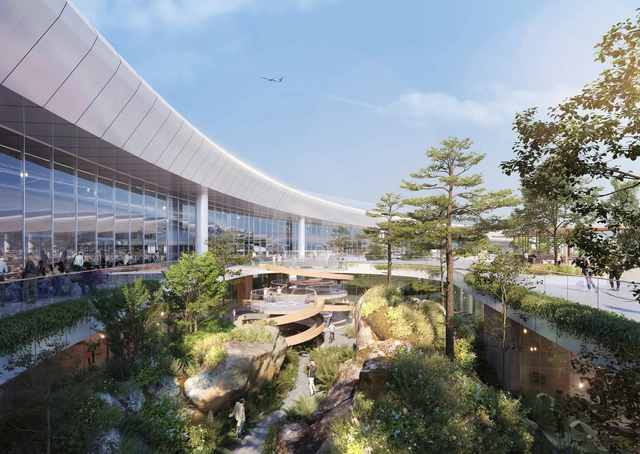
Nordic Office of Architecture won the interior design competition for the new Chongqing Jiangbei International Airport Terminal 3B in China with a concept that integrates experiential programmes and references the identity of the Chinese city. Created in collaboration with UDG, ADC and Lichtvision, the project aims to facilitate intuitive wayfinding while providing travellers with a series of interactive spaces and attractions along their journey.

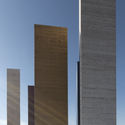
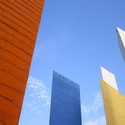
In the context of the ambitious project Satellite City in the outskirts of Mexico City, led by architect Mario Pani in the mid-20th century, Luis Barragán received from Pani the commission to make a fountain in 1958 that would serve as a distinctive motif of the entrance through the main road access to the master plan.
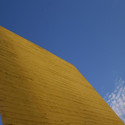
The renowned Mexican architect, together with the sculptor Mathias Goeritz, projected five concrete towers, with a triangular plan and different colors and heights, reaching up to 52 meters (170 feet). The towers are totally sculptural and the authors expected they could stand out viewed even from afar and in motion.
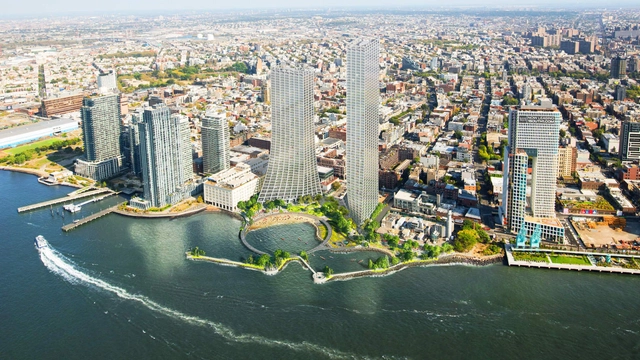
In this week's reprint from the Architect's Newspaper, author Patrick Sisson tackles the implication and participation of communities in New York in shaping their built environment, especially their waterfront. He also asks about the roles of representation and if "the city’s community boards and Uniform Land Use Review Procedure act more like gatekeepers than catalysts for equitable development?" especially that a lot of new developments are labeled as housing projects.