


-
Architects: Toshiko Mori
- Year: 2019
-
Professionals: Schlaich Bergermann Partner


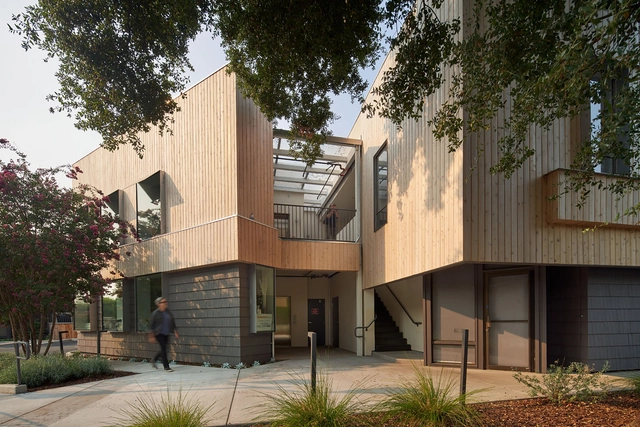

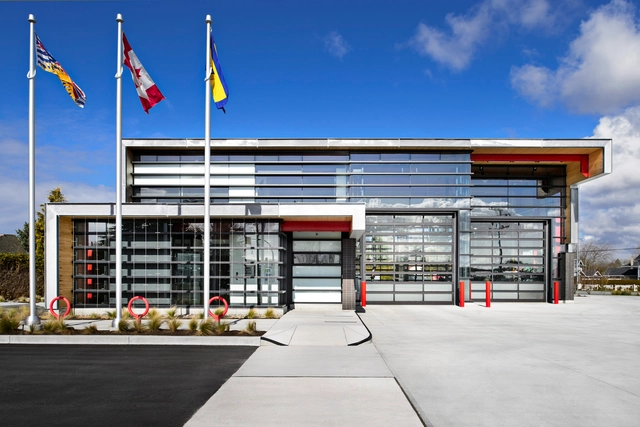
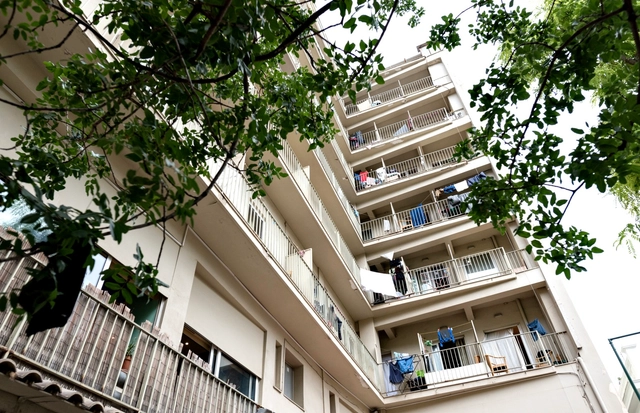
All over the globe, countries are facing a housing crisis. United Nations statistics put the number of people who live in sub-standard housing at 1.6 billion, and 100 million of the world’s population are without a home. As conflicts and climate change forces refugees to move to new countries, and as housing prices around the world continue to rise, cities are having to grapple more and more with how to provide safe and affordable housing for their residents.


.jpg?1634764093)
At Architects, not Architecture, we believe it’s safe to say that almost everyone who has studied architecture in the last 50 years has come across The Salk Institute designed by architect Louis Kahn. While it does not always reflect in their works, our speakers have shared their little stories on how this modernist gem built in1963 played a role in their life. And since we just started our second Virtual World Tour on October 13th, 2021 we thought we’d share a few stories from last events.


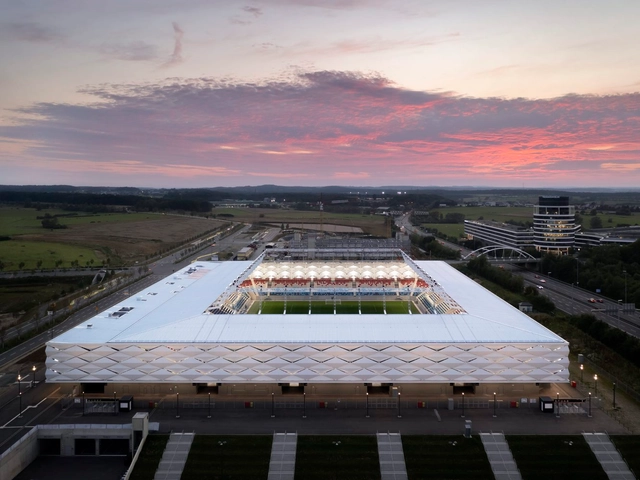
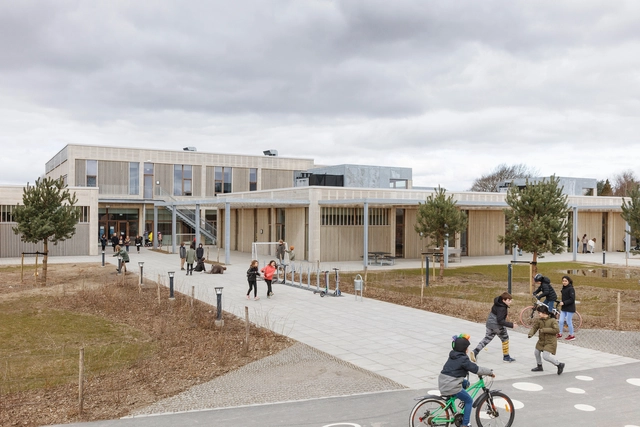
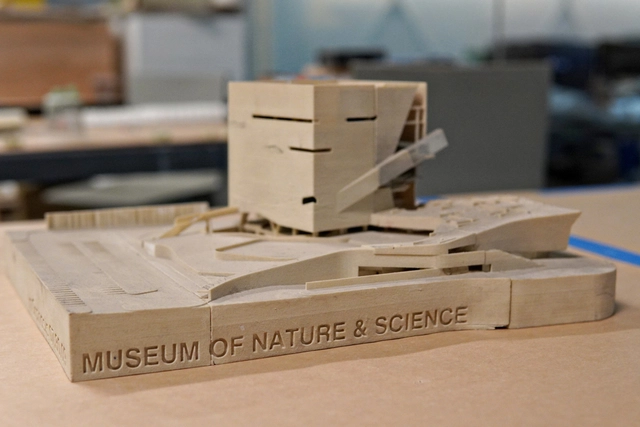
Models are useful to architects for all sorts of things, from the earliest parts of the design, all the way to marketing a building after it's built. But, what is it about models that makes them such an important and powerful tool? And, how do different architecture firms incorporate them into their own and unique design process? This video explores these questions by surveying three firms: Morphosis, MVRDV, and Herzog and de Meuron. Often firms have model shops and dedicated model teams who are responsible for everything from early design decisions to critical client presentations and even marketing the building. We hear from the folks who work in these model shops and breakdown how the three case study firms approach models in their own unique way.

Urban environments are in a constant process of social evolution, political and economic transformation. Attached to the idea of urban renewal is gentrification, a complex phenomenon circumscribing a variety of issues, from the improvement of the built environment and strengthening the local economy to displacement and demographic change. On the one hand, redevelopment means revitalizing neighbourhoods, improving the built environment and infrastructure and boosting the local economy, and on the other hand, gentrification drives up property prices and cost of living, forcing out low-income communities. Is the displacement of local communities a "collateral damage" of urban development? Does redevelopment intrinsically drive gentrification, and can urban environments be revitalized more ethically?
In this Editor's Talk edition, editors from Argentina, Lebanon, Brasil, Chile, Tanzania share their views on gentrification.