-
Architects: GBL Architects
- Area: 33909 m²
- Year: 2021
-
Professionals: Ledcor Group, BYU Design, PFS Studio, Glotman Simpson, Integral Group, +5



In this powerful new visual from Spirit of Space, we are introduced to Ricardo Bofill’s headquarters ‘The Factory’ or La Fábrica, Taller de Arquitectura. Once a disused and decaying cement factory from the turn of the century, with 30 silos, machine room, and galleries, it is now a significant transformative project, satisfying the Architect's longing for space via adaptive reuse.
A haven in the urban sprawl, engulfed by a floury of palm, olive, and eucalyptus trees. Spirit of Space visits the former hive of activity, now a tranquil mid-city refuge, an immense contrast to the industrial grime that used to reside here. Through moving pictures and multi-sensory experiences it explores the Brutalist form; a concrete shell… a skeleton intertwined with nature itself.

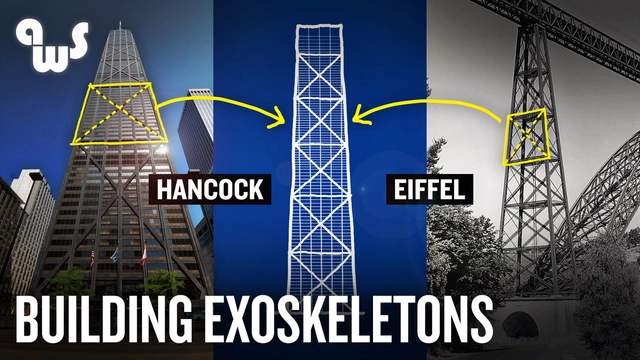
Fazlur Rahman Khan was a pioneer in the structural engineering of tall buildings. After buildings exceed sixty stories height, gravity loads account for a smaller proportion of structural weight than wind loads. Khan developed the tubed truss tower design to stiffen the building at taller heights without adding significant weight. The tube design had the added consequence of pushing the structure out to the exterior of the building to become part of its architectural expression. However, the acceptance of visible steel trusses was a slow process that parallels the acceptance of engineering infrastructure like bridges as aesthetic productions. This video traces a lineage of this process from Eiffel — who’s pylon designs look much like the Hancock Tower — to today.

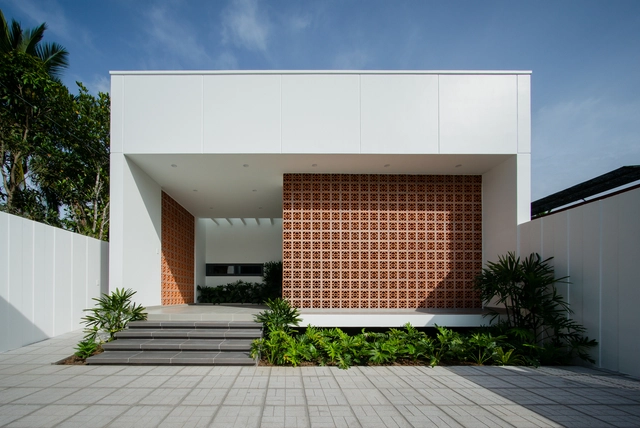
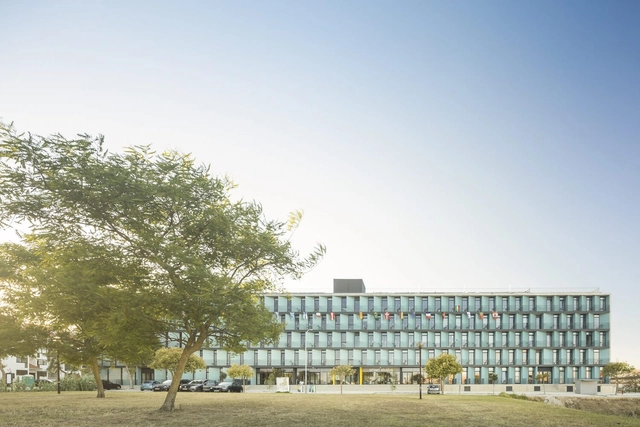


This week’s curated selection of Best Unbuilt Architecture highlights competition-winning projects submitted by the ArchDaily Community. From large scale urban developments to interventions in the landscape, from housing projects to educational spaces and commercial buildings, this article showcases a variety of design approaches, programs and scales. The proposals featured are the results of local and international competitions, either creative concepts or projects currently in progress.
The competition-winning entries include a range of different projects, designed by both new practices and established firms. are a few of this week's highlights. A "city within a city" urban development in Ukraine, an EV station design in Canada that reinterprets the traditional typology of highway rest areas, a sustainable housing block in Finland and a clubhouse in the landscape of New Zealand are some of this week's highlights.
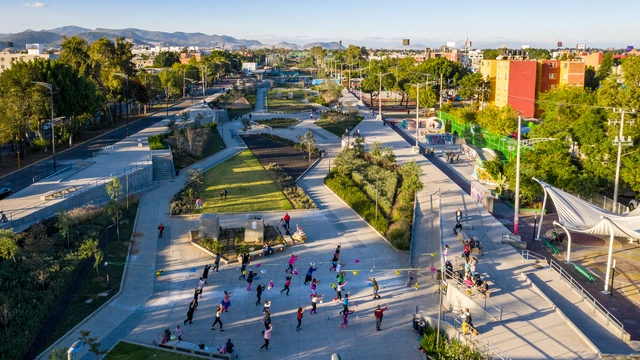
The International Union of Architects (UIA), in partnership with UN-HABITAT, have announced the Regional Finalists of first stage of the UIA 2030 Award. The biennial award, which is in its inaugural edition, honors the work of architects contributing to the UN 2030 Agenda for Sustainable Development and New Urban Agenda through built projects that demonstrate design quality and alignment with the UN Sustainable Development Goals (SDGs).
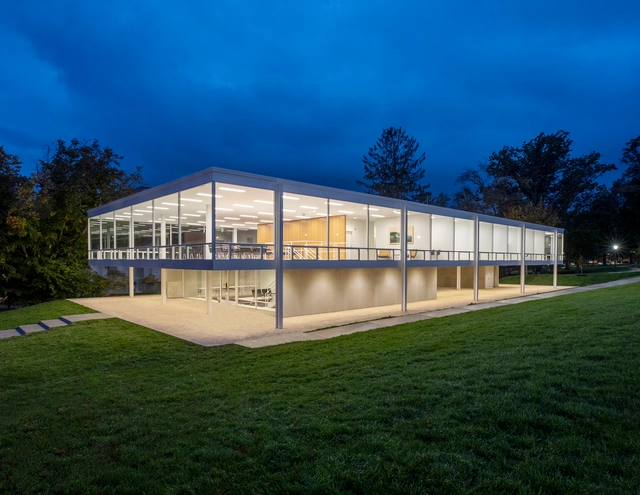
Indiana University inaugurated a new shared facility for the Eskenazi School of Art, Architecture + Design, which materializes a recently rediscovered design by Mies van der Rohe. The 1952 project intended for a fraternity house on the same IU Bloomington campus was entrusted to New York-based firm Thomas Phifer and Partners to be adapted to contemporary building codes and its current academic function while preserving the intended architectural aesthetic. The two-storey, 930 square meter building has officially opened to students and faculty.
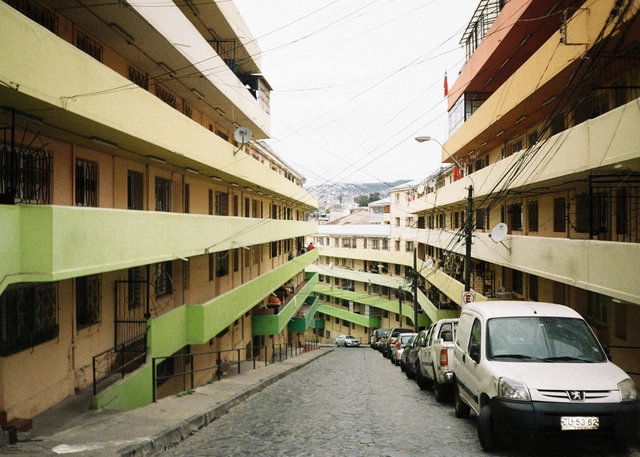
Capturing an image has become spontaneous and immediate. While mobile photography maintains quality, it loses the ritual of taking a picture, i.e. thinking about an image while walking through a new city or the framing possibilities for a building from your point of view. In short, each image is the result of focus, aperture, exposure and the characteristics of the space. Travelling with a 35mm camera sets your limits, some say it is the closest lens to the human eye, others say it is too narrow to capture a building from the outside, but no doubt it all depends on your judgement and the capabilities of the equipment at your disposal.



.jpg?1645540015 "La Fábrica, Ricardo Bofill Taller de Arquitectura. Image Courtesy of Ricardo Bofill")
.jpg?1645655249 "Courtesy of Ricardo Bofill")
_%C2%A9_Richard_Powers.jpg?1645655222 "La Fábrica, Ricardo Bofill Taller de Arquitectura. Image © Richard Powers")
.jpg?1645655255 "Courtesy of Ricardo Bofill")



















.jpg?1645781972 "Green field Factory of Karupannya Rangpur Ltd., by Nakshabid Architects. Image © Junaid Hasan Pranto")
.jpg?1645781751 "Red Deer College Polytechnic Student Residence, by Reimagine Architects Ltd. . Image © Cooper & O'Hara")
.jpg?1645782629 "Huaira, by Diana Salvador - Javier Mera. Image © jagstudio")