-
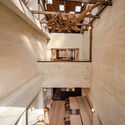
Architects: Ventura+Partners
- Area: 8170 ft²
- Year: 2018
-
Manufacturers: Bentley Systems, Gerflor, O/M Light - Osvaldo Matos



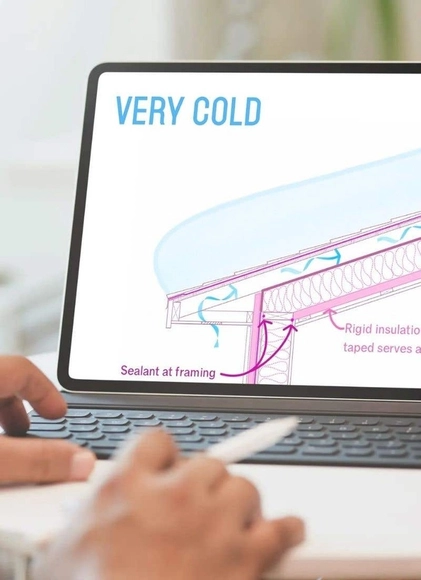
It is difficult to measure, observing a completed building, the amount of work, resources and knowledge that were deposited there. All decisions made influence in some way the performance of the building and its durability. As for the execution details, not all architects allow the dissemination of their constructive solutions. There are professionals, however, who go against the grain and focus on disseminating knowledge, identifying common design decisions that can lead to pathologies (such as leaks, rot, corrosion, mold and odors) and more economical ways to avoid them. This is the idea behind Building Science Fight Club, an Instagram profile whose purpose is to explain some issues and critically analyze certain constructive details and ways of installing materials. We spoke with Christine Williamson, creator of the platform, about her journey. See the full interview below:

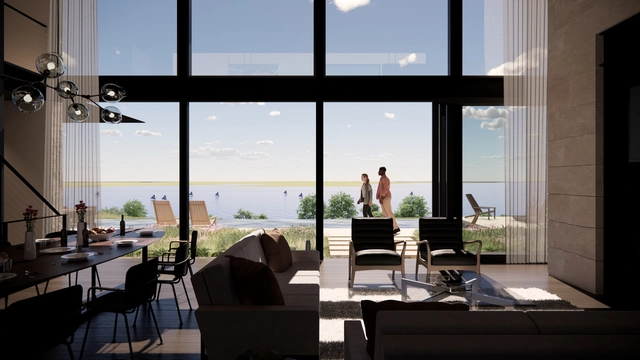
Real-time visualization is used to generate renderings with excellent visual quality from a BIM or CAD model. When integrated into your design workflow, it can also facilitate collaboration and allows all parties within an architectural project to engage throughout the design process.
Here are five ways in which integrating real-time visualization can provide a complete understanding of design at various project stages.
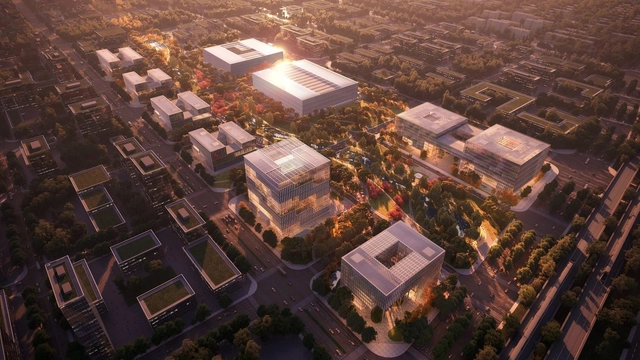
Gerkan, Marg and Partners (gmp Architects) have won the design competition for global smartphone producers Xiaomi's headquarters in Changping Future Science City in Beijing. Titled “Mi Cube”, the project reflects the company's philosophy of “Smart Technology, Minimalist Design” through an architecture that combines a geometric and structured facade with a multifaceted and dynamic interior sequence of spaces.
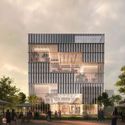
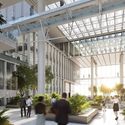
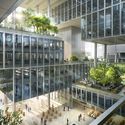
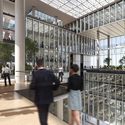


OPEN recently revealed the design of Sun Tower, a new landmark structure for the Chinese coastal city of Yantai. The project echoes the area's characteristic Ming dynasty watchtowers and proposes a cultural facility that re-establish the visitor's connection with nature. Comprising a semi-outdoor theatre, an exhibition space, a library and an observation deck at the top referred to as the "phenomena space", the structure is intended as a place "of reflection and contemplation".

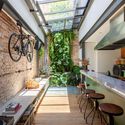
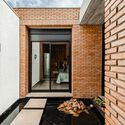
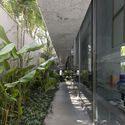
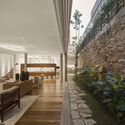
The side setbacks configure the distance that must be between the building and the side boundary of the land. Master plans, building codes or zoning laws determine the minimum clearance that must be observed to ensure that the building takes advantage of better aeration, sunlight and permeability. Although this feature brings several qualities to the built environment, many people do not know how to take advantage of the space given by the setback and, often, it becomes just a passageway.
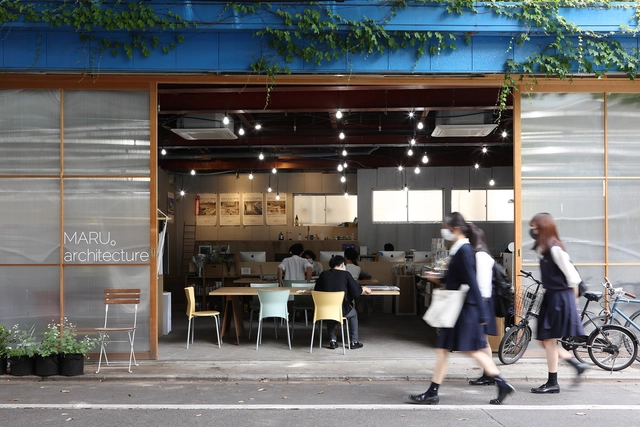
As the discourse about the way we work continues past the original pandemic concern and past the hybrid, remote, or what was once called traditional office space; employers and employees alike are still revisiting mental comfort requirements of a post-pandemic worker. While there are many types of work environments and worker needs that have to be addressed separately (besides the white-collar or knowledge worker), from a design and policies front; one particular, newborn model has been popping up in recent years, thus far seen through some unique, smallscale yet norm challenging Japanese offices.