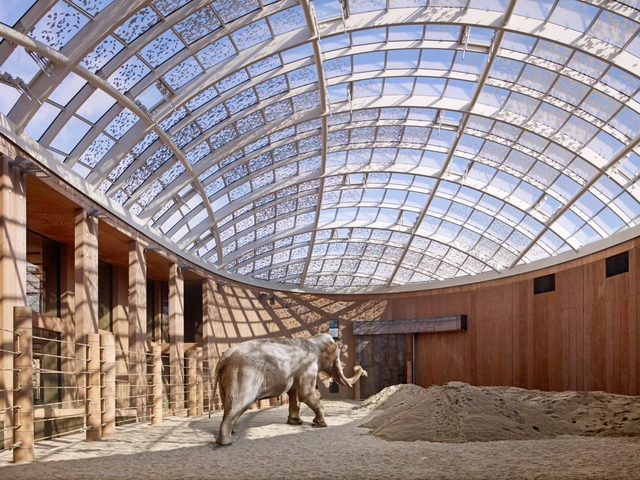
Architecture is created for people, but how do we design beyond the human scale? With a renewed interest in biodiversity and animal habitats accelerated by the climate crisis, there is also the question of shelter and what it means to design spaces for interaction and rehabilitation. As architects look beyond structures for people, they are turning their attention to different kinds of enclosures and open spaces that rethink engagement with animals and their wellbeing.
Access to adequate housing is a human right. But with prices rising dramatically, incomes not growing proportionally and ineffective public policies, the lack of secure, affordable homes is fueling an ongoing global housing crisis. In fact, 90% of 200 polled cities were found to be unaffordable to live in, with the impact of COVID-19 only worsening the situation and forcing much of the world’s population to settle for precarious living conditions. This is only expected to aggravate in the not-too-distant future; by 2025, the World Bank estimates that 1.6 billion people will be affected by the housing shortage.
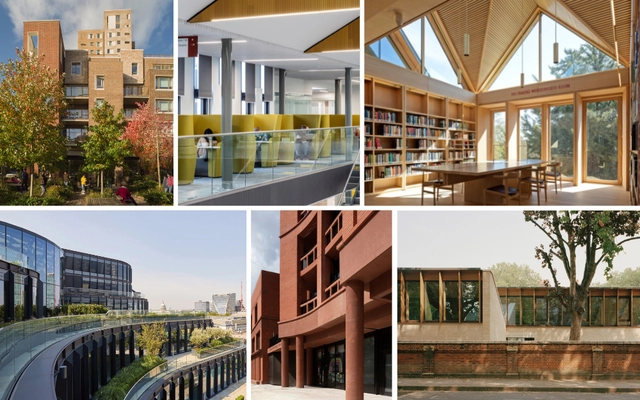
The Royal Institute of British Architects (RIBA) has announced the six buildings competing for the 2022 RIBAStirling Prize. Marking its 26th edition, the award honors the United Kingdom’s best new building, and is considered the country's highest accolade in architecture. The six projects range between educational, cultural, and residential buildings, all designed for sustained community benefits that "demonstrate the power of exceptional architecture to enhance lives". The winner of the 2022 Stirling Prize will be announced on October 13th, 2022 at RIBA's 66 Portland Place in London.
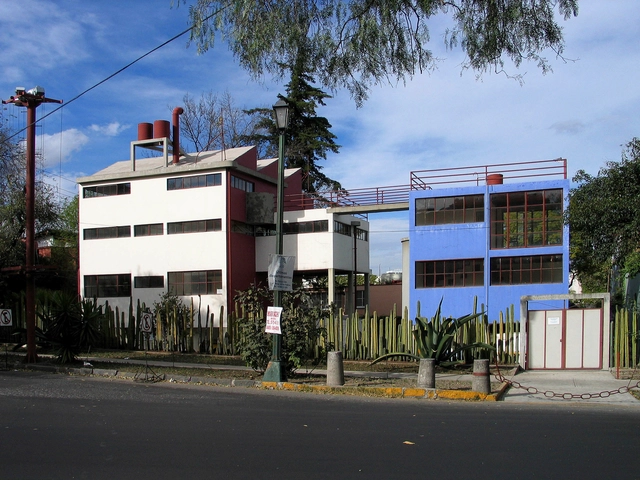
Diego Rivera and Frida Kahlo house. Via: Wikimedia, CC BY-SA 3.0 license
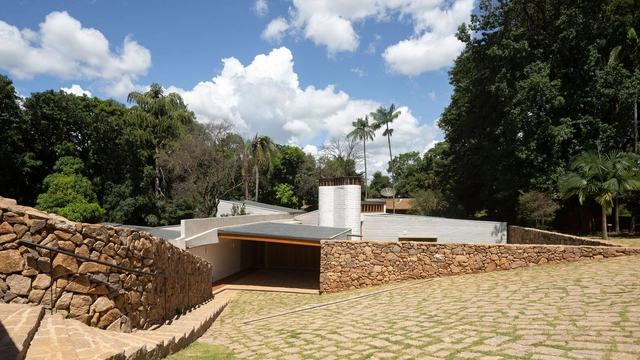
Geometric shapes, exposed reinforced concrete walls, visible electrical installations, large windows that prioritize natural light and ventilation, gardens that value native plants. The first works by the Mexican architect Juan O’Gorman, built between 1929 and 1932, bring an aesthetic that can be seen today, but in reality they are the pure expression of one of the currents of the 20th century modernist movement, functionalism.
Over the past 60 years, architects and engineers have surrendered to industrial construction solutions, with buildings designed to be built faster and faster and at very low cost.
Over the past 60 years, architects and engineers have surrendered to industrial construction solutions, with buildings designed to be built faster and faster and at very low cost. As a more standardized and cheaper international approach to building emerged throughout the 20th century, many professionals abandoned the vernacular traditions of their ancestral cultures, which were developed over thousands of years, to fight the climatic extremes of different regions.
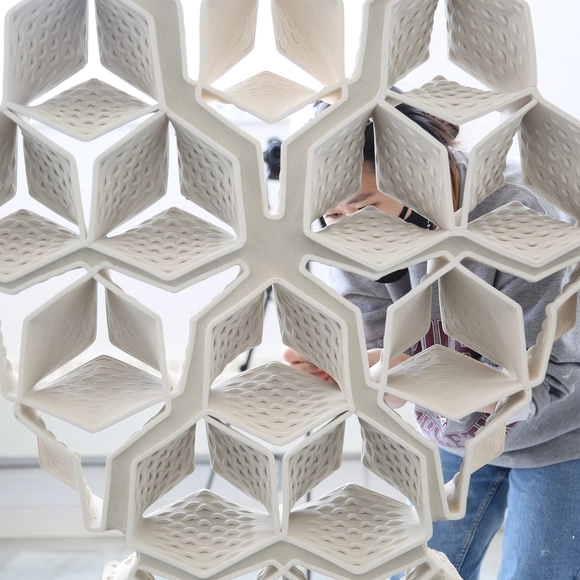
Since the 1980’s, 3D-printing has offered new ways of developing architecture, engineering, and objects of daily use. When it comes to digitizing analogue processes, it is vital for users to become familiar with current tech innovations and their benefits. HIVE Project reshapes the art and craft of building in clay by combining traditional ceramics, smart geometry, and robotic precision to construct a masonry wall composed of one hundred seventy-five unique 3D-printed clay bricks.
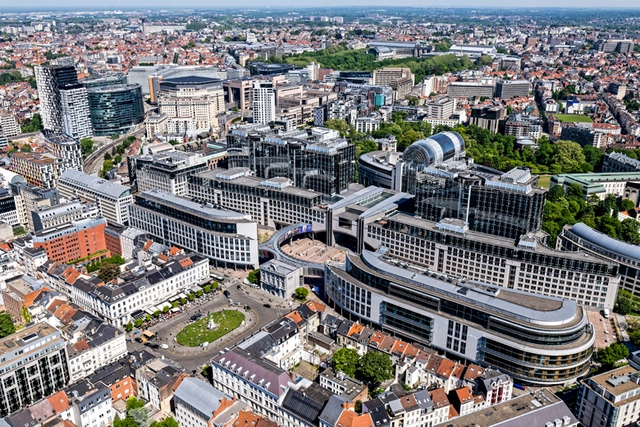
The European design team integrated by architectural firms JDS Architects, Coldefy, Carlo Ratti Associati, NL Architects, and Ensamble Studio has been announced as the winner of the international design competition for the renewal of the Paul-Henri SPAAK Building, the European Parliament plenary building in Brussels, Belgium.