

-
Architects: Ryo Yamada
- Area: 28 m²
- Year: 2022




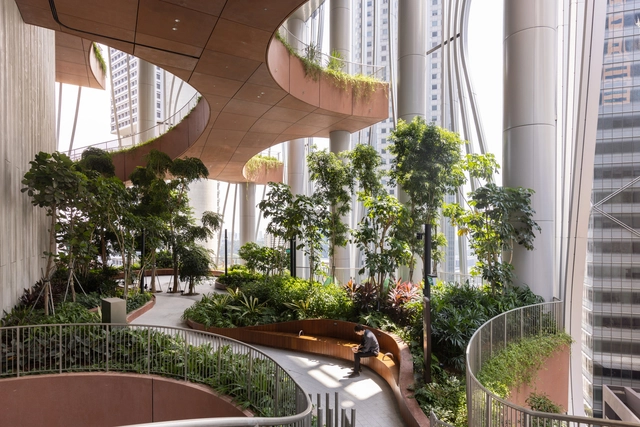
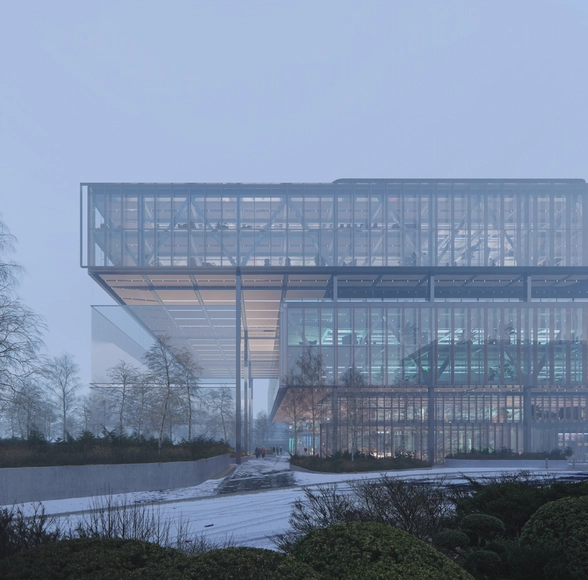
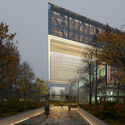
Architecture practice Rogers Stirk Harbour + Partners (RSHP) has won the international competition to design a new nearly net zero operational carbon business center in the city of Vilnius, Lithuania. The competition, organized by the Lithuanian Union of Architects and the Right Bank Development Fund, requested the design of a 19,200-square meters office space in the Central Business District of the city. One of the key ambitions of the project was the reduction of embodies carbon, achieved through a number of strategies, including the use of cross-laminated timber floor planks and locally sourced materials.
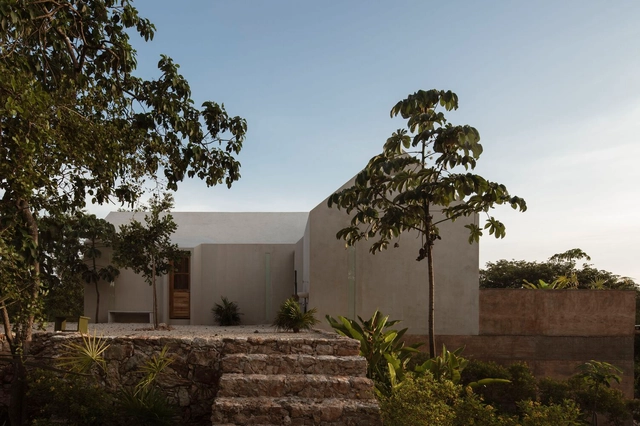
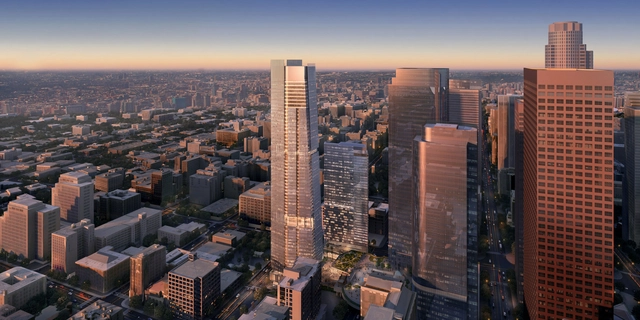
Handel Architects designed the third tallest in Los Angeles, a 63-story high-rise 265 meters high in the Historical Downtown L.A. Featuring a 150 meters second tower, affordable residential housing, and community spaces, the "Angels Landing" will be the largest and tallest development to be built by Black developers in the United States, marking a milestone in the real estate industry, as in L.A.'s skyline. In partnership with The Peebles Corporation and MacFarlane Partners, the complex is scheduled to open in 2027 and will create more than 8,300 new jobs during construction.


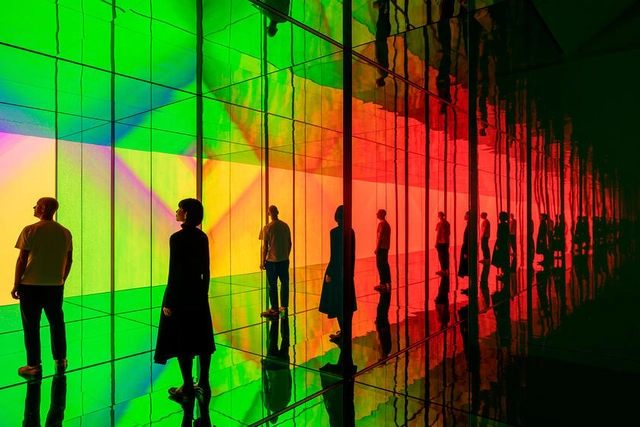
The first full-size London Design Festival (LDF) for three years, and the event’s 20th anniversary year, this was meant to be a celebration. But life, as the saying goes, had other plans. Rocked by the news of HRH Queen Elizabeth II’s passing, the country, and indeed the world started the London Design Festival in a period of mourning. Having reigned over the densest period of design innovation in human history, however, her majesty was no stranger to change.
With long-running themes like sustainability, materials, economic crises, and digital futures never higher in the public’s consciousness, LDF ’22 wasn’t just a professional meet and greet, but a chance to share some much-needed positivity with design enthusiasts, as well as locals, just passing by. Here are the most interesting and talked-about installations and talks from nine days of reflection on the past and hope for the future.

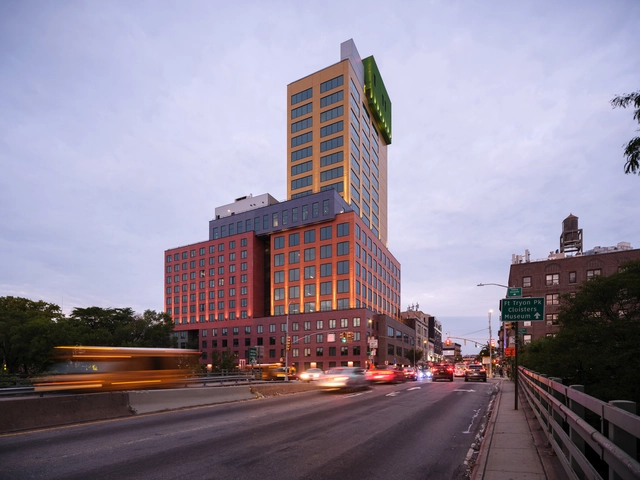
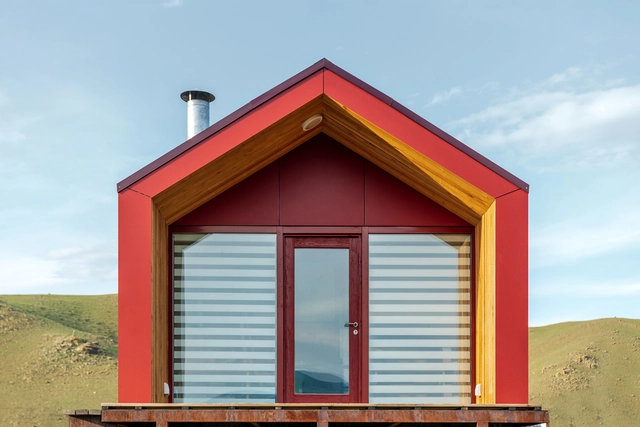
The mystery of color intrigues us from a young age. Mixing paints to make new hues or watching sunbeams and crystals create rainbows becomes a fascinating part of our childhood long before we ever hear of chemistry and optics. As we grow, color continues to play a major role in how we experience the world, impacting mood, emotions, productivity and behavior. This explains why humans are naturally drawn to certain hues; it is hard-wired into their brains. There is a common perception, for example, that red, orange and yellow palettes create a feeling of warmth and cheerfulness, while browns, grays and blacks evoke sadness and melancholy. Of course, the same applies to design and the built environment, as together with texture, light and shadow, the spaces around us are defined by tones and nuances that shape what we see and how we feel. Hence, color ultimately transforms the way we perceive, feel and live architecture.