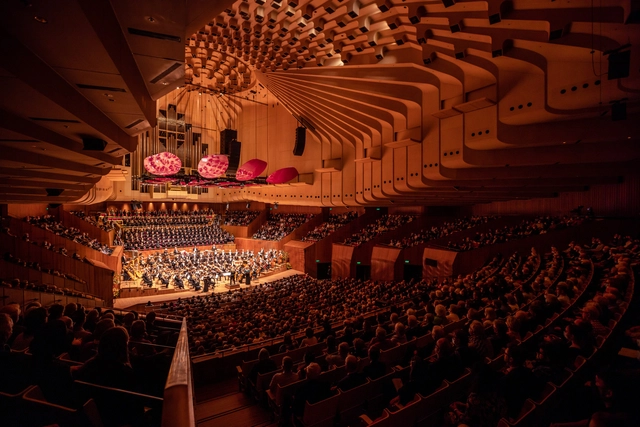
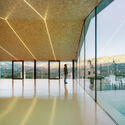
The Sydney Opera House has reopened its largest performance space, the Concert Hall. Since the venue closed for renovations in February 2020, the space has undergone extensive renovations to improve the acoustic performance, enhance access for people with mobility needs, and upgrade the staging systems. The renovation process respects the original interiors, while better equipping the hall to present a wide range of performances. This is the largest and final project in the Opera House’s Decade of Renewal, a 10-year program of renovation works totaling almost $300 million to upgrade the World Heritage-listed monument ahead of its 50th anniversary in 2023.
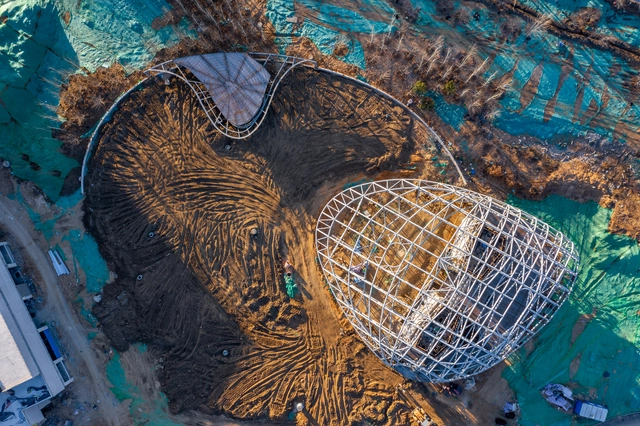
Cloud Center Under Construction. Image Courtesy of MAD
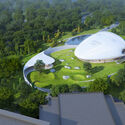
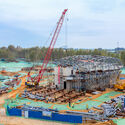
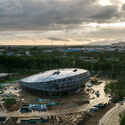
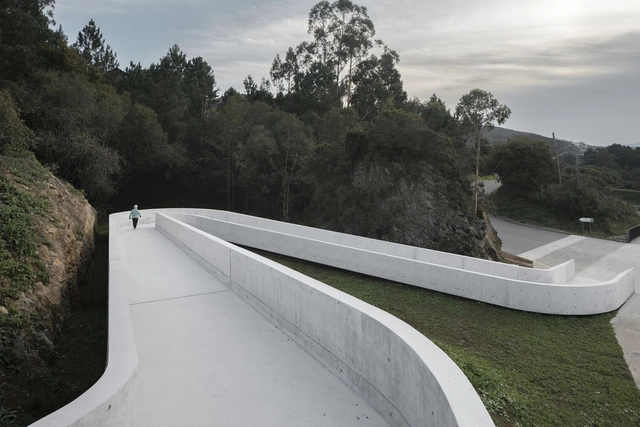
Nearly to be completed and opened in 2023, MAD Architects reveals the construction details that made it possible for the Aranya "Cloud Center" to appear floating above the rolling landscape surrounding it. Located in Qinhuangdao, 160 miles away from the east of Beijing, China, the 2,500-square meters Center will be a public art space for the vibrant artistic seaside community that, from the outside, will mark the center of a sculptural landscape that MAD had conceptualized as a "white stone garden."
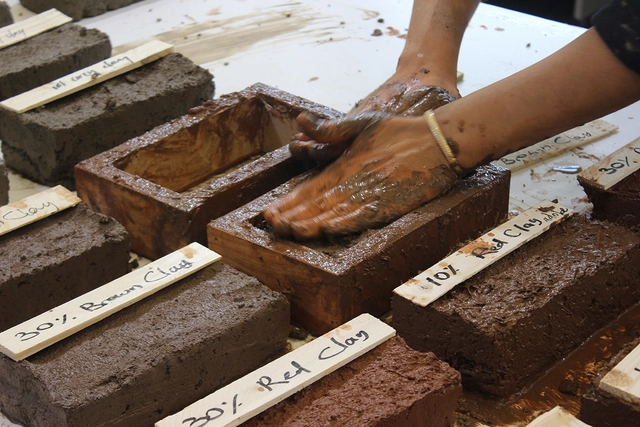
Dedicated to the theme "Edible; Or, The Architecture of Metabolism," the 6th version of the Tallinn Architecture Biennale (TAB) 2022 opens on 7 September 2022, in partnership with ArchDaily and the curatorship of Lydia Kallipoliti and Areti Markopoulou, in collaboration with local advisor Ivan Sergejev. Divided into five thematic groups: Living machines, Lifecycle, Food and Geopolitics, Food Systems, and the Future Food Deal, the TAB invites audiences to reflect on food and architecture and to reimagine planetary food systems along with architecture's capacity to perform metabolic processes.
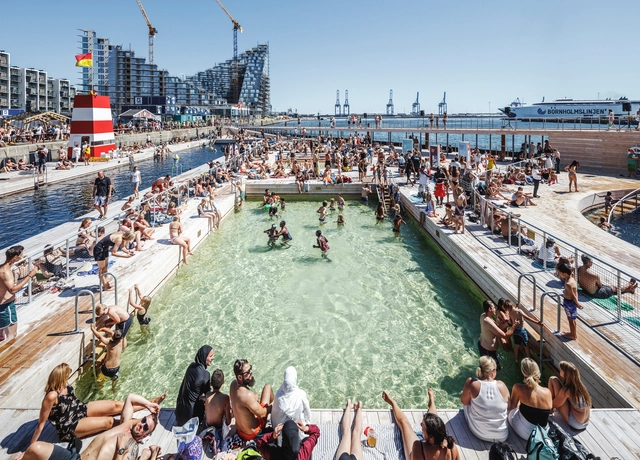
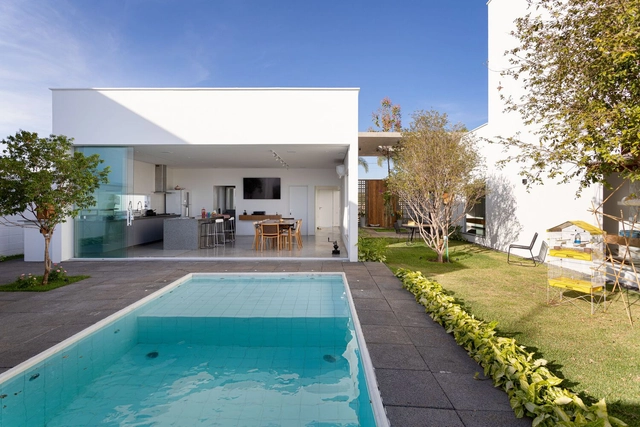
The end of the summer season is usually marked by crowds rushing to public pools to enjoy their final days splashing around the water. Public pools are much more complex than the fenced-in, chlorinated, and noisy bodies of water that they may seem to be. A delicate history and many socio-economic influences lie beneath the surface and dictate who gets to go for a swim. What happens when pools shift towards becoming private property and a sort of status symbol, and when these public spaces aren’t intended for everyone?