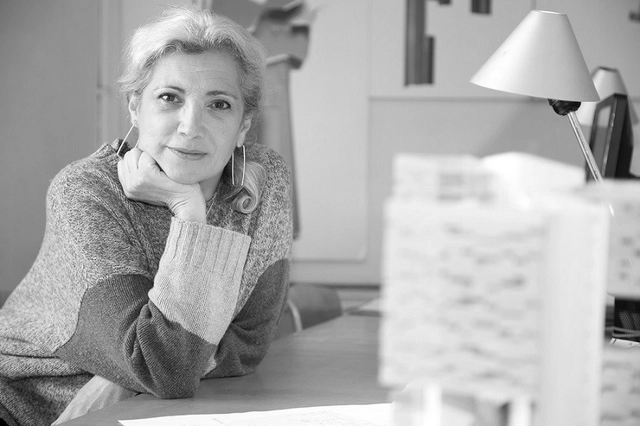
On Friday, December 10, it was announced that Carme Pinós has won Spain's highest architectural honor: the National Architecture Prize, awarded by the Ministry of Transport, Mobility and Urban Agenda.
On Friday, December 10, it was announced that Carme Pinós has won Spain's highest architectural honor: the National Architecture Prize, awarded by the Ministry of Transport, Mobility and Urban Agenda.
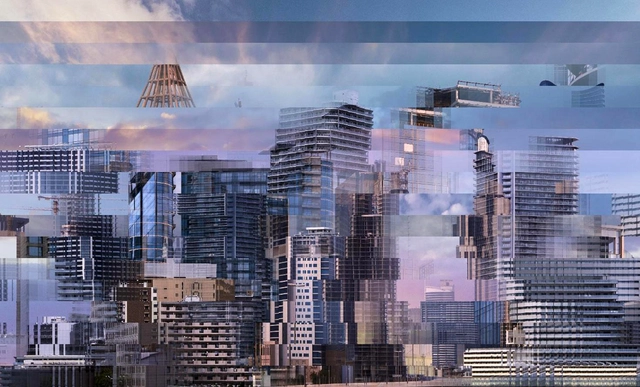
2021 was the year of a new reality, with humankind adapting to what is known as the second year of the pandemic. While some countries witnessed a return to alternative normality, opening up to the world through travel and events, others stayed in lockdown, expanding furthermore the inequality gaps. Nevertheless, this year also brought a lot of hope in all aspects, raising questions and building solutions for the near future. With a major focus on climate urgency, biomedical research as well as notions of hybridity, 2021 has triggered new understandings of the environment that surrounds us and of our place in this world.
Highlighting contextual topics, bringing both a local and global perspective, while shedding light on overlooked historical narratives, ArchDaily's diverse team of editors has been front and center, reacting to everything that has been happening. Always seeking "to empower everyone who makes architecture happen to create a better quality of life", the editorial content, generated across all sites, in our 4 languages, English, Spanish, Portuguese, and Chinese, provided tools, inspiration, and knowledge to widen horizons and help our users build a better future.
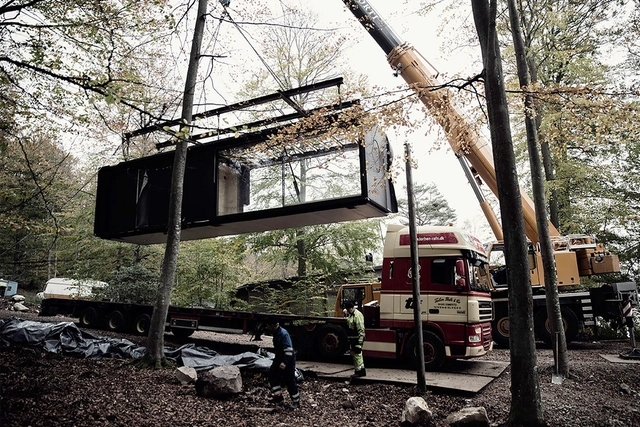
The popularity of pre-designed and pre-fabricated homes is growing, moving much of the construction process from the building site into factories. While countries like Singapore, Australia and the United Kingdom are increasingly adopting modular buildings to meet labor and housing shortages, Nordic countries like Sweden already build 90% of residential single-family houses in prefab wood. Despite the recent surge in interest, off-site building is by no means a new concept. In fact, the construction method has been present throughout history in many attempts to consolidate its use in construction: as far back as A.D 43, the Roman army brought with them prefabricated forts to Britain, while Japan has been building in wood off-site and moving parts in pre-assemblies for at least a thousand years.
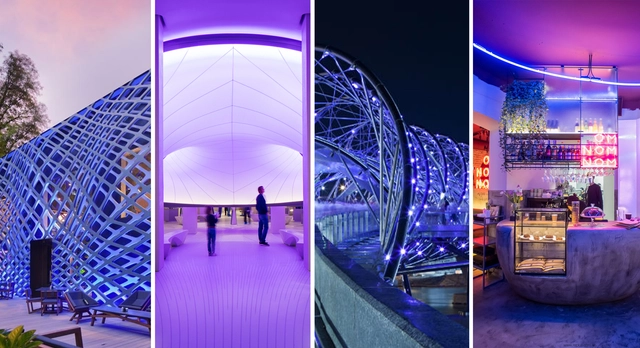
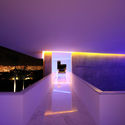
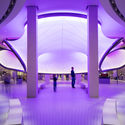
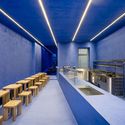
Pantone has revealed its Color of the Year for 2022; 17-3938 Very Peri, a brand new color "whose courageous presence encourages personal inventiveness and creativity". The shade falls under the blue color family but with violet red undertones, illustrating the fusion of our modern times and how the digital world has morphed with our physical one. In architecture, shades of periwinkle blue and lavender have long been used in installations, commercial spaces, and lighting, instilling an overall calming, optimistic, and positive effect on the human mind.
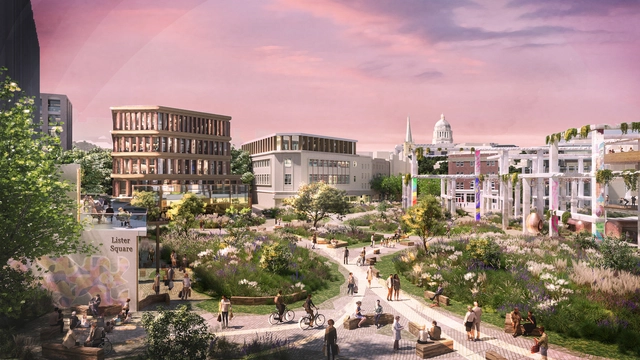
Heatherick Studio has revealed the redevelopment plan for Nottingham city centre, a vision that establishes a new green core, reshapes the former shopping centre at the heart of the site, and highlights the area’s touristic potential. Centred around an ample new green area enabling citizens to connect with nature, the project proposes new social spaces, commercial, mixed-use and residential buildings while establishing street connections around the city centre. The initiative represents an expansive vision for redefining the city centre and its programming amidst the evolution of retail towards online shopping and in response to the impact of the pandemic.
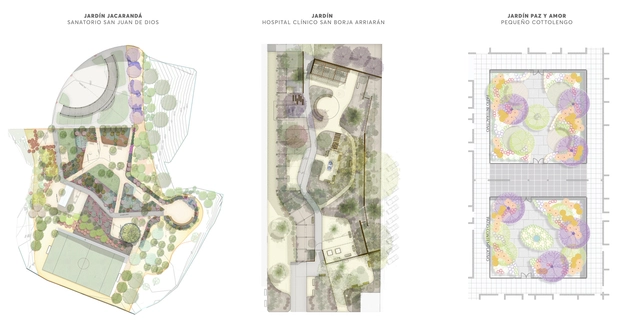
For the Cosmos Foundation, environmental conscience, ecological conservation, and community focus form the foundations of land planning and landscape design within public infrastructure projects. We sat down with the foundation's project director, Felipe Correa, as well as foundation architects Valentina Schmidt and Consuelo Roldán, as they went in depth on the benefits, objectives, and motivations behind the Healing Gardens initiative.
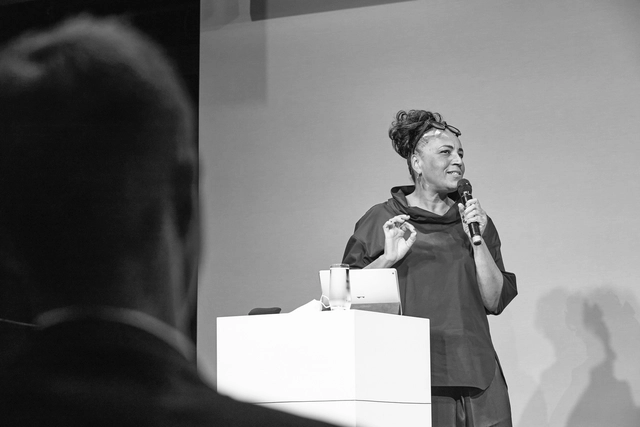
From the content universe we made available in 2021, interviews are, without a doubt, among those in which we invested more time and research. Making room for the voice of architects and other professionals in the built environment is a great pleasure but also an enormous challenge, as it requires a lot of research and dedicated time from our team of editors. It is also rewarding as it puts us in contact with some of the most prominent talents in our discipline, who have been discussing issues such as cities, community, environment, democracy, sustainability, building technology and interiors.
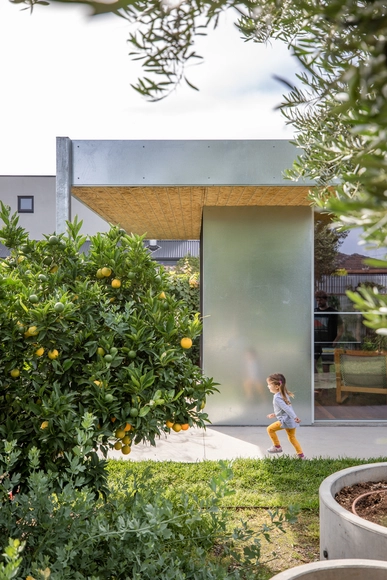
While closely related, landscaping and gardening are distinct practices that engage with natural, living elements within the built environment. Read on to explore how each of these fields operates.

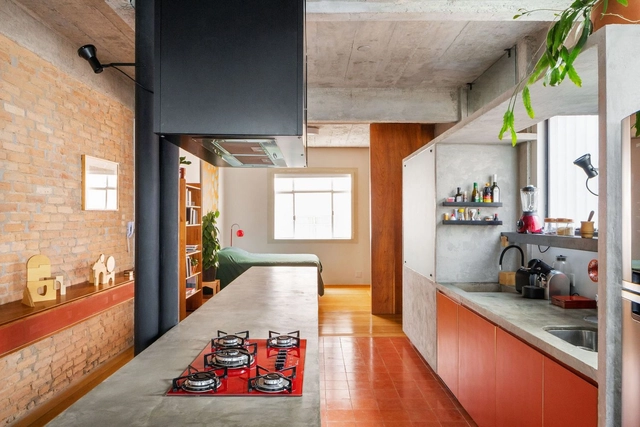
Over the centuries, kitchens have undergone an interesting transformation that has dictated both their use—once frequented only by staff, today an essential social hub—and their size—shrinking from the largest room in the house to one of the smallest. Yet, regardless of size, the kitchen increasingly represents the heart of the home. An essential space, it now transcends the simple act of preparing food, becoming a place associated with leisure and togetherness. Consequently, this space must meet a series of specific demands, balancing functionality and efficiency with comfort and well-being.
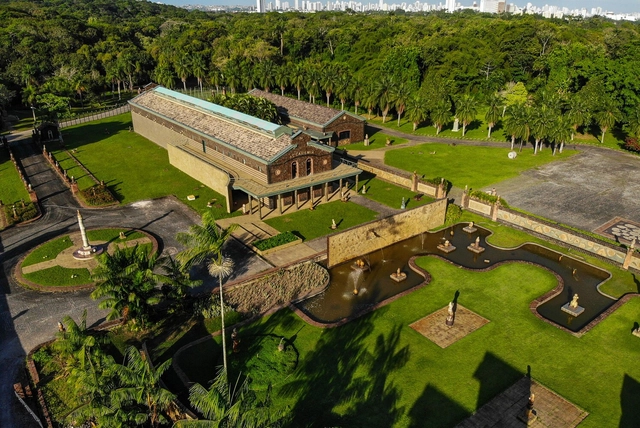
Oficina Brennand, one of Recife's landmarks, was established in 1971 on the ruins of a ceramic factory as a project by artist Francisco Brennand. The monumental 15-square-kilometer complex "became an inspiring source and repository of the Pernambuco artist's history" and is now entering a new institutional phase. It will feature a new master plan proposing interventions in the institute's deactivated spaces, designed by the São Paulo-based firm METRO Arquitetos Associados.
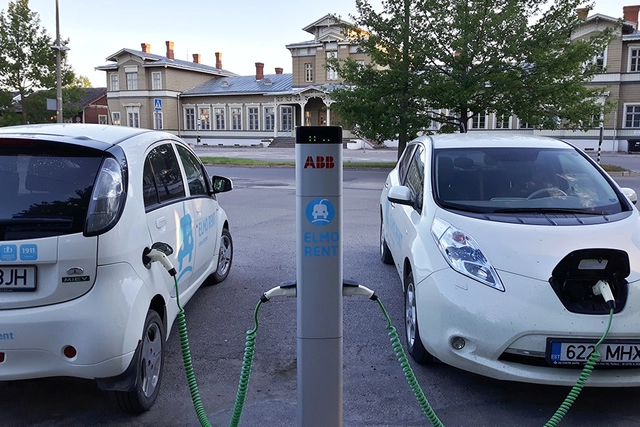
Public and private sector leaders and civil society representatives from around the world gathered at COP26, held in Glasgow from October 31 to November 12, to debate and deliberate on one of the most pressing issues of the 21st century: climate change. The summit centered on four key goals:
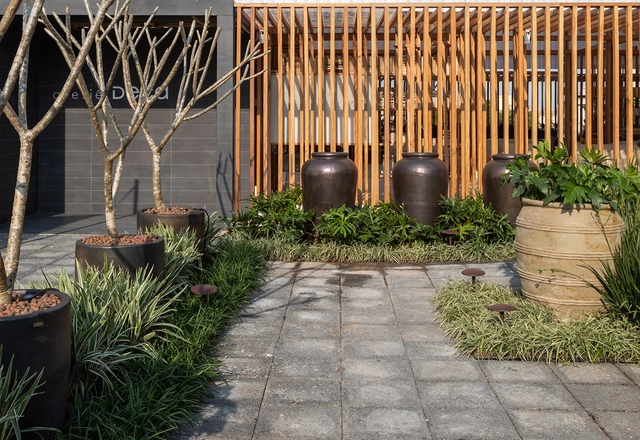
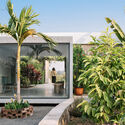
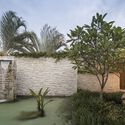
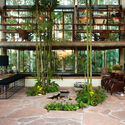
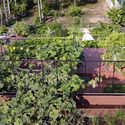
There are many ways to introduce more greenery into our homes and cities, such as bird-attracting trees, vegetable gardens, and medicinal plants. However, certain outdoor zones must serve as pathways, recreational areas, parking spaces, or other functions. For these areas, permeable paving offers an excellent alternative.
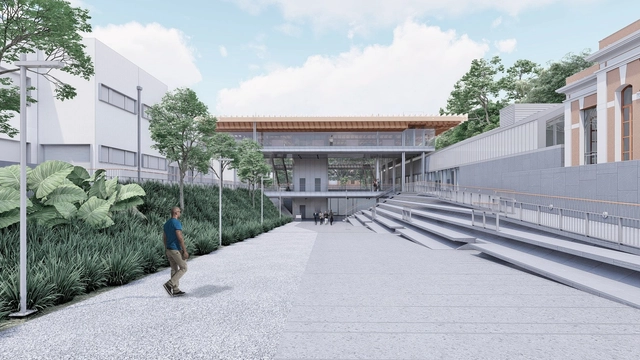
The Government of São Paulo has announced the start of construction on Pinacoteca Contemporânea, the new building of the Pinacoteca de São Paulo. Combined with the Pinacoteca Luz—a building that earned several awards for Paulo Mendes da Rocha—and Pinacoteca Estação, the Pinacoteca de São Paulo complex will become, in terms of area and visitor capacity, one of the largest art museums in Latin America.
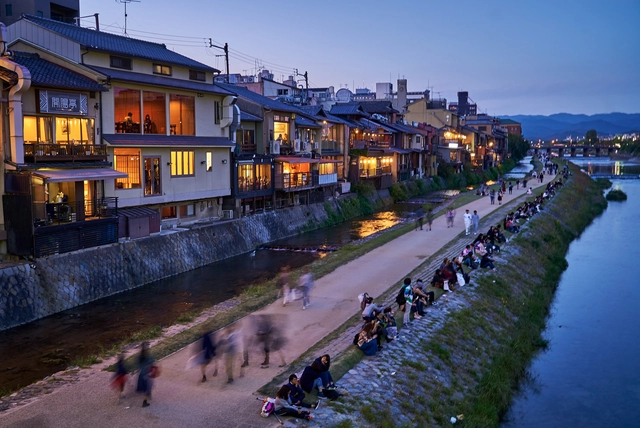
What’s so great about the oldest continuously inhabited cities in the world? Probably the fact that their societies have been evolving in one unbroken series of eras, with ever-changing values and styles that have, among other things, given rise to architectural memories of their long histories. These cities aren’t like the archeological sites we visit to see how people lived thousands of years ago; they are the exact places people lived thousands of years ago, places where people are still living today, with their rich histories buried under layers of paint and concrete instead of earth.
With ancient cities found in regions around the world, the variety of architectural treasures that can be found in these cities is vast. To give you a taste of their diversity, here is a selection of 18 of the oldest continually inhabited cities from various regions of the world, ranging from youngest to oldest, with a small snippet of their various architectural puzzles.
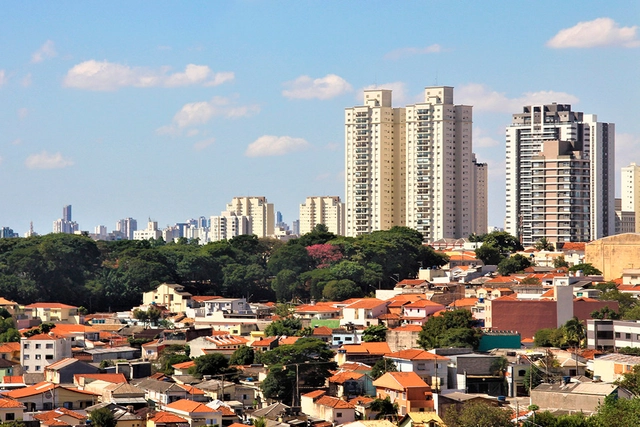
Verticalization and population density are poorly understood aspects of our cities. Contrary to popular belief, a more vertical city is not necessarily a denser one. In Brazil, favelas and semi-formal housing make up some of the densest urban areas. These consist of small dwellings built close together, often home to multiple families. Conversely, there are neighborhoods with many high-rises and few people. These buildings may be commercial, with no residents, or they may contain large apartments, small families, and expansive open space around them. Few realize that Cidade Ademar, a low-rise residential district in southern São Paulo, is twice as dense as the high-rise jungle of Itaim Bibi.
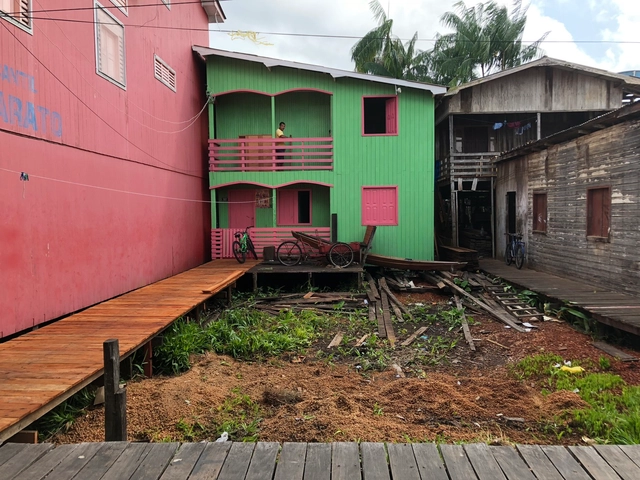
Natural elements, people, and their culture—as assertions of architecture and social organization, alongside an incisive relationship with the river—shape an architecture with an Amazonian character. This research encompasses the study of the social and symbolic knowledge acquired over the years by the riverine communities of Marajó Island and its consequences on the materiality of local constructions, which have undergone changes over the last few decades.
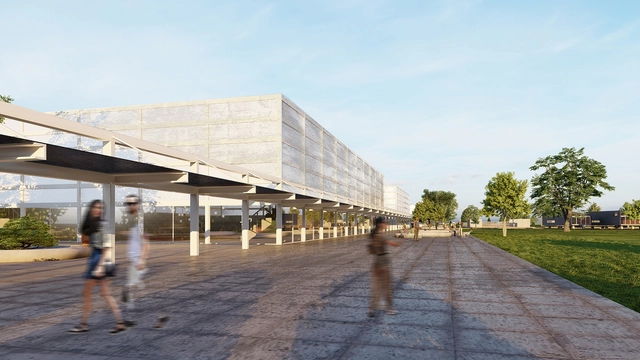
The FAU Student Ideas Competition was held with the objective of developing the site of Club Atlético Ever Ready, located in the city of Dolores, Buenos Aires province, Argentina. The competition focused on proposals for a Master Plan to consolidate the 8-hectare site as a sports complex. First prize was awarded to Arch. Gabriel De León, Pedro Sansogni, Santiago Sosa, and Renzo Guagnini Drews.
The jury consisted of Nicolás Frontini representing Club Ever Ready, Arch. Carolina Helenas Pintos for the Municipality of Dolores, Arch. Silvana Noelia Paul for the Alumni Association, Solange Hoyos for the Student Body, and Dr. Arch. Juan Carlos Etulain for the Faculty Association. Explore the project below.

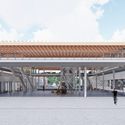
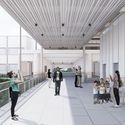
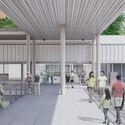
Snøhetta won the competition to redesign the Eliel and Asema Square in Helsinki, a public space neighbouring the city’s historic railway station, into a vibrant central hub. Developed together with Finnish practices Davidsson Tarkela Oy and WSP, the proposal aims to contribute to Helsinki’s strategy to increase green mobility by reconnecting the urban fabric to the rail station and framing a “porous new city block” that would foster a more diverse array of indoor and outdoor activities.
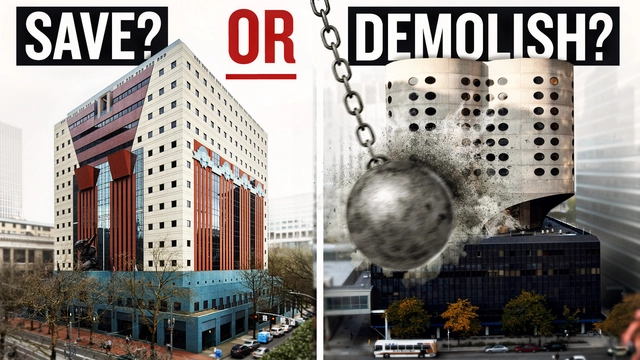
How do we decide which buildings are worth saving and which ones aren’t with regards to a building’s design significance? This video tells the story of the Portland Building by Michael Graves, a building with a tumultuous history that was ultimately saved from the wrecking ball when the city raised nearly $200 million to renovate the aging structure. This was spurred, in part, by the building’s inclusion on the National Historic Places list. But, that is only part of the story. What does it mean to be an Historic Place or Landmark because of architectural design? Does this distinction help to save it from premature demolition? The answers to these questions might surprise you.
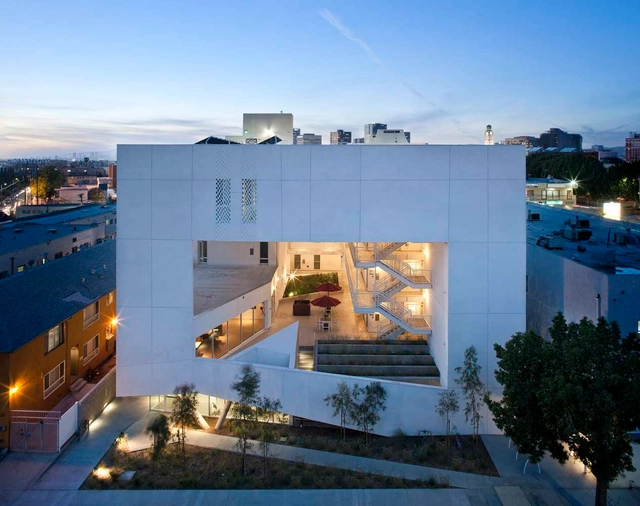
The Board of Directors and the Strategic Council of the American Institute of Architects (AIA) have awarded the 2022 Gold Medal to Angela Brooks, FAIA, and Lawrence Scarpa, FAIA, for their lasting influence on the theory and practice of architecture. The jurors have also selected MASS Design Group to win the 2022 AIA Architecture Firm Award, the highest honor the AIA bestows on an architecture practice.
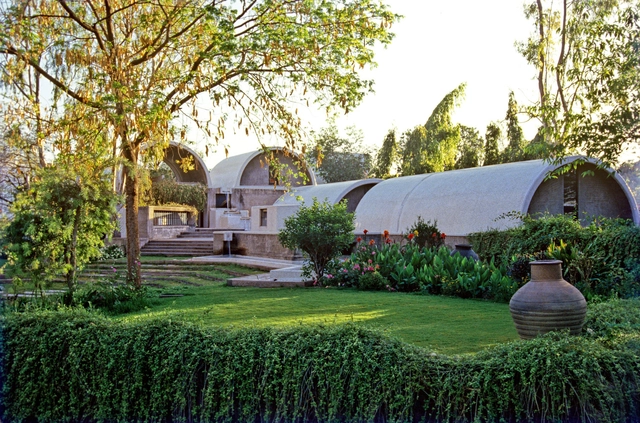
The Royal Institute of British Architects (RIBA) announced that Indian architect Balkrishna Doshi will be the recipient of the 2022 Royal Gold Medal. The distinction, approved by Her Majesty The Queen and awarded each year since 1848, is given to architects or practices in recognition of a lifetime’s work and the impact on the evolution of the field and the built environment. With a career spanning over six decades, Balkrishna Doshi has had a paramount influence in shaping the architecture of India through a pioneering interplay of modernism and vernacular that translated into projects that celebrate local culture, context and craft.
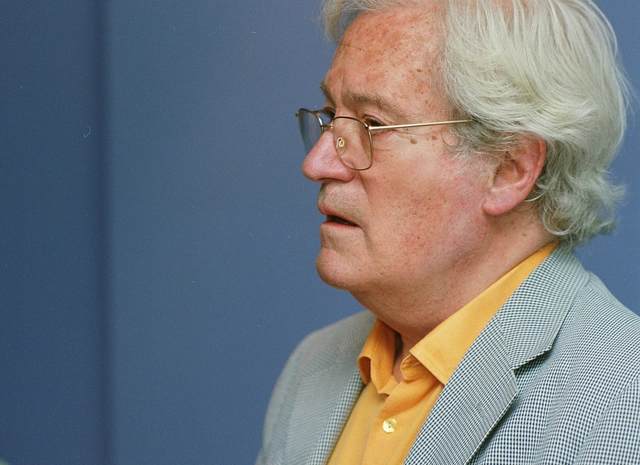
On the 30th of November, we received news of the death of Oriol Bohigas Guardiola (Barcelona, 1925), architect, urbanist, and one of the main drivers of Catalan's modern transformation.
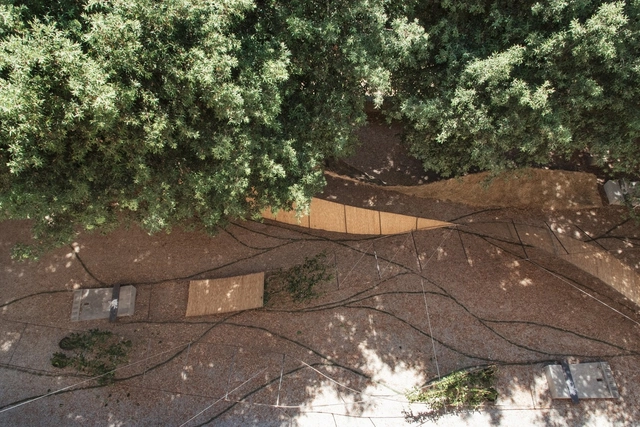
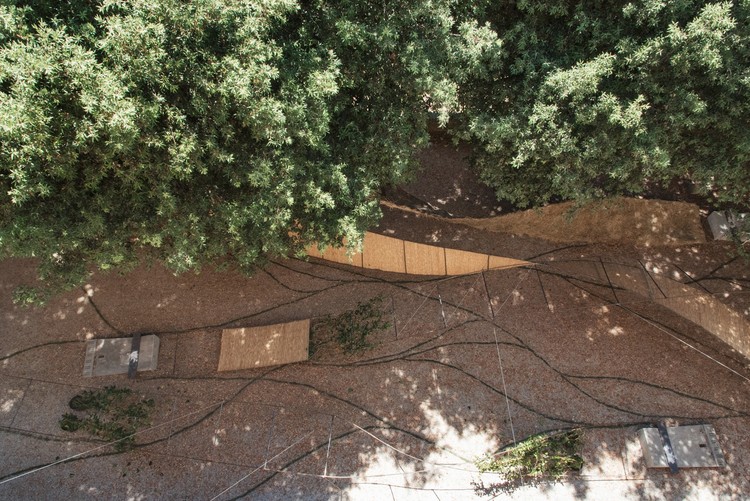
During his Fellowship at Civitella Ranieri / WOJR Architecture Prize, Alejandro Haiek unveiled images of "Industries of Nature", the award-winning artistic narrative that explores Civitella castle's context and environment and observes how nature and industry work in parallel to form the traditional Umbrian landscape. The intervention was presented not as an art object, but as a documentation of the dynamic exchange between narratives, topographies, and shared resources, overlapping the Civitella Ranieri artist community with local farmers, automobile robotics technicians, engineers and producers.
This article was originally published on Common Edge.
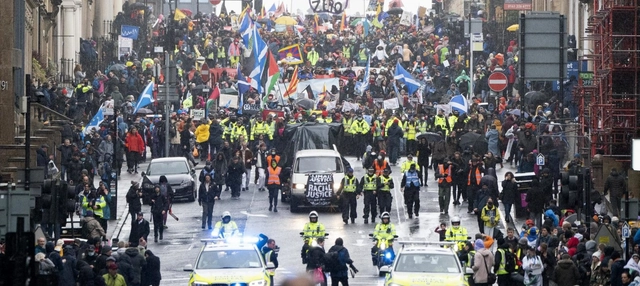
Most of the news coming out of the recently completed climate summit in Glasgow was disappointing. Previous summits had ended in similarly dispiriting ways, and COP26 was no exception. It acknowledged the severity of the problem and the urgency of the moment—the need to keep warming to under 1.5 degrees Celsius (some scientists believe it’s already too late to prevent this)—but put off making the hard commitments necessary to actually solve the problem. At the same time, this summit did feel different. There was a sense of urgency in the Glasgow streets, and the world’s attention was undeniably focused on climate change. How this focus eventually translates into action on the political front remains an open question.
But architect Edward Mazria, executive director of Architecture 2030, believes that despite the immense obstacles facing climate activists, the building sector is on the cusp of helping change the course of the planet. He sees genuine reasons for hope and renewed effort. In the wake of the seemingly grim news out of Glasgow, I spoke with him last week about the way forward, how we’ve reached an important inflection point, why energy use tied to buildings has begun to decline globally, and the steps required to fully decarbonize the built environment.