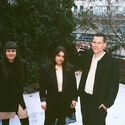
The accelerating rise of a homogenized, worldwide aesthetic is forcing creators to confront a critical reality: design trends are effortlessly transcending geography, but local identity is paying the price. The fifth episode of the Room For Dreams podcast tackles a head-on investigation into whether a boundaryless market is quietly erasing design diversity. Recorded live at Milan Design Week 2026 in cooperation with INDX|GLOBAL, host Claire Broadka of designboom sits down with Sachi Gupta, Shilpi Sonar, Krithika Subrahmanian, and Sumit Dhawan to map out the reality of the borderless creator.
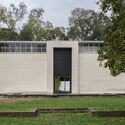
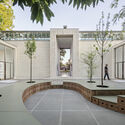
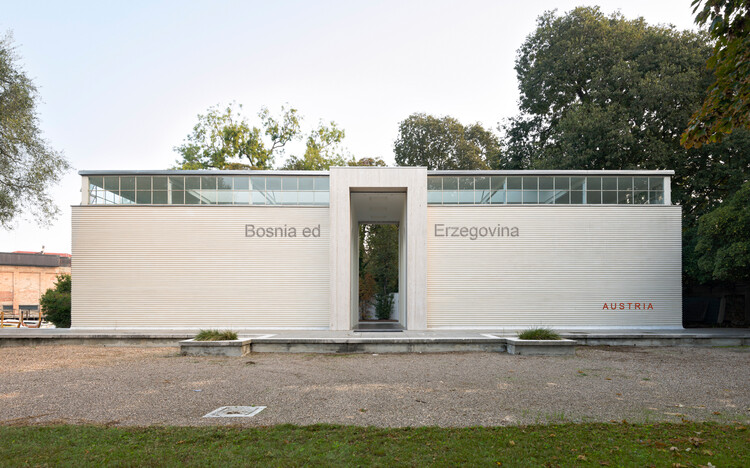
Austria has announced Koncesija / Konzession / Concession(e) as its contribution to the 20th International Architecture Exhibition – La Biennale di Venezia. Curated by architects Adna Babahmetović and Ajna Babahmetović together with curator Sebastian Höglinger, the project proposes temporarily granting the Austrian Pavilion to Bosnia and Herzegovina through a cooperative concession. Selected through Austria's open competition process, the pavilion examines questions of national representation, diplomacy, and architectural exchange by responding to the absence of a Bosnian national pavilion in the Giardini, where the Biennale's historic national pavilions are located.
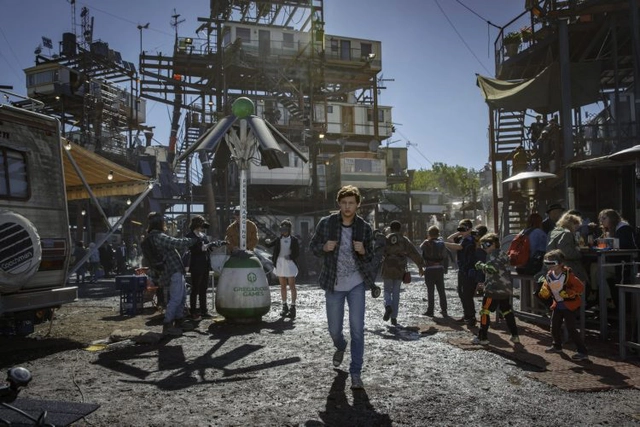
Wade walks the streets of Columbus, Ohio, the city where the film is set. Source: DubaiWeek (2018), under "fair use" terms
Cinema is an excellent tool for stimulating discussions and reflections on the spaces we inhabit, deeply engaging with architecture and urbanism through sets and locations. Films can address current issues within these fields of study and integrate them into their narratives, opening pathways for new debates.
The 2018 feature film Ready Player One, directed by Steven Spielberg, raises a series of questions about urbanism, social relations, contemporary cities, environmental conflicts, and how new technologies can interfere with an individual's relationship with public spaces. This article explores how these factors manifest in our daily lives and shape new concepts of the city.
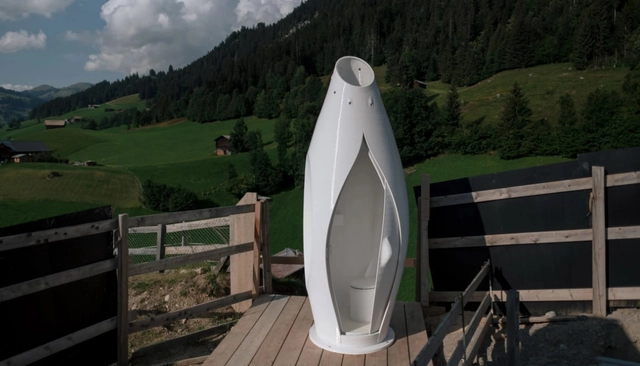
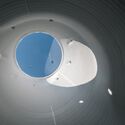
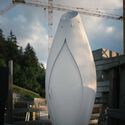
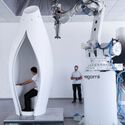
Spanish studio Nagami used discarded medical equipment to create a portable toilet. The plastic material was melted down for 3D printing. On a large scale, the project could provide an alternative for deploying public toilets wherever needed.
The toilet took only three days to complete. The structure consists of three main parts: the oval-shaped body, a sliding door, and the toilet bowl. Beyond the technology, the project's design is noteworthy. Unlike conventional chemical toilets, this one is “aesthetically pleasing.”
With the aim of getting to know the architects, projects, and stories behind landmark Portuguese architecture, Sara Nunes, from the architectural film production company Building Pictures, launched the podcastNo País dos Arquitectos, where she speaks with leading figures in contemporary Portuguese architecture.
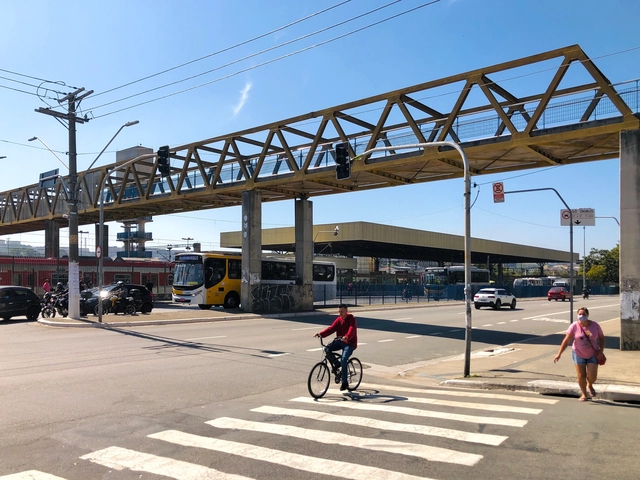
Metropolises in developing countries share the same mobility challenges: low service quality in public transportation, unequal accessibility, high rates of traffic accidents, congestion, and environmental pollution. There is widespread inequity in accessibility, safety, and comfort within transport conditions that reproduces and perpetuates socio-spatial inequality (VASCONCELLOS, 2000). This is a product of the historical urbanization process of the Metropolitan Region of São Paulo (RMSP), which shaped a territory characterized by income-based residential segregation, concentrated job markets, and an uneven distribution of transport infrastructure (VILLAÇA, 1998). Dating back to the 1950s, policies at the federal, state, and municipal levels favored automobile use. Consequently, this resulted in the low quality and inefficiency of road-based public transit and the sluggish expansion of the high-capacity rail system.
https://www.archdaily.com/1132608/modal-transitions-bicycle-parking-at-stations-in-the-sao-paulo-metropolitan-areaDeiny Façanha Costa
Without tackling urban challenges, we cannot solve the climate crisis. The central role of cities is undeniable: they account for 75% of energy-related greenhouse gas emissions. Urban choices influence and can drive change across all systems that must be decarbonized and made resilient, from transportation to food and energy production. As the 2018 report by the Intergovernmental Panel on Climate Change showed, cities—with their concentration of people, economic activity, and infrastructure—are among the most powerful levers we have to drive decarbonization and build resilience quickly enough to meet the targets of the Paris Agreement.
https://www.archdaily.com/1132503/5-priorities-for-cities-after-cop26Rogier van den Berg e Leo Horn-Phathanothai
With the goal of getting to know the architects, projects, and stories behind landmark Portuguese architecture, Sara Nunes, from the architectural film production company Building Pictures, launched the podcastNo País dos Arquitectos, in which she speaks with prominent figures in contemporary Portuguese architecture.
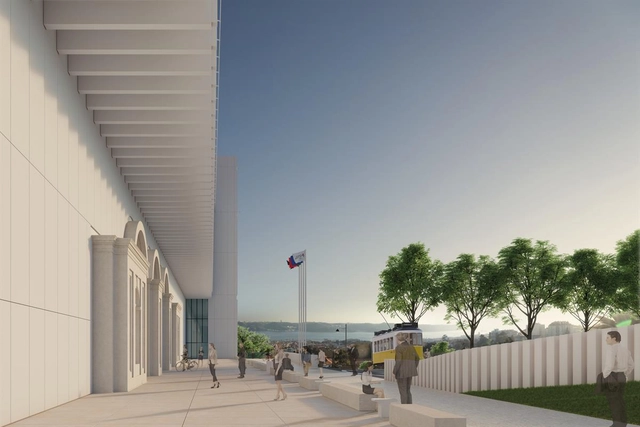
In this week's episode, Sara talks with architect João Carlos Santos about the project for the Royal Treasure Museum (Museu do Tesouro Real). You can revisit previous interviews from the podcastNo Pais dos Arquitectos and read the transcript of the interview with Santos below.
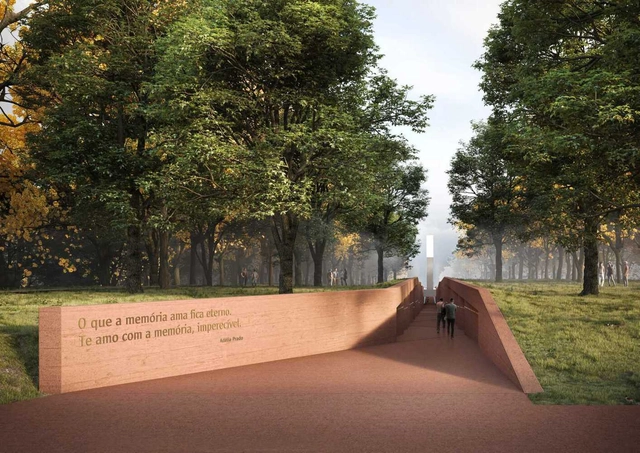
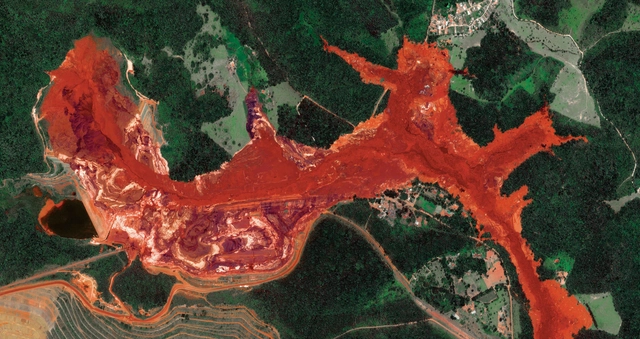
The Brumadinho Memorial, designed by the firm GPA&A and led by architect Gustavo Penna, is already under construction. Designed to honor the victims of the dam collapse on January 25, 2019, the project involved the entire local community to create a space of belonging, identity, and collective interest.
Construction is underway, and earthmoving works have already been completed. The memorial is scheduled to open in January 2023.
In this episode, Arquicast pays tribute to Ruy Ohtake, an internationally renowned São Paulo architect with an impressive portfolio of built projects and the mind behind some of the most iconic buildings in the city of São Paulo. Ruy passed away in November 2021 at the age of 83. To help us trace the life and professional trajectory of this son of Japanese immigrants, we invited three prominent figures—leading authorities on Ohtake's work, his context within the history of Brazilian architecture, and the distinctive traits of his striking personality. Joining the conversation are architects Abílio Guerra, Renato Anelli, and Rodrigo Queiroz.
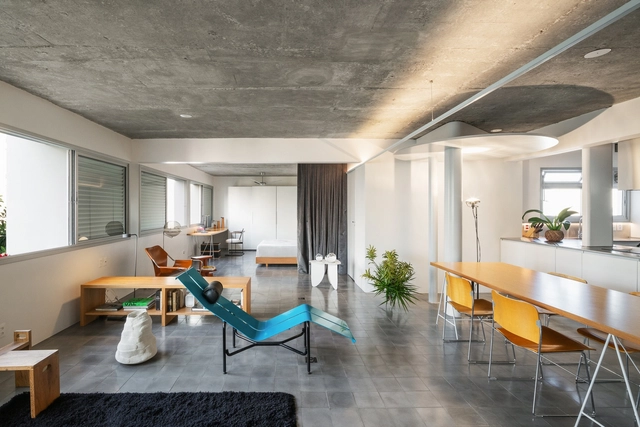
Designing a limited space like an apartment can be a genuine challenge. Creating new layouts and projects over what has already been imagined by someone else is an exercise that demands a keen eye and respect for the existing structure. In addition to this, there is the need to bring character to the space through interior design without overlooking spatial functionality, ensuring the best possible quality of life for its residents.
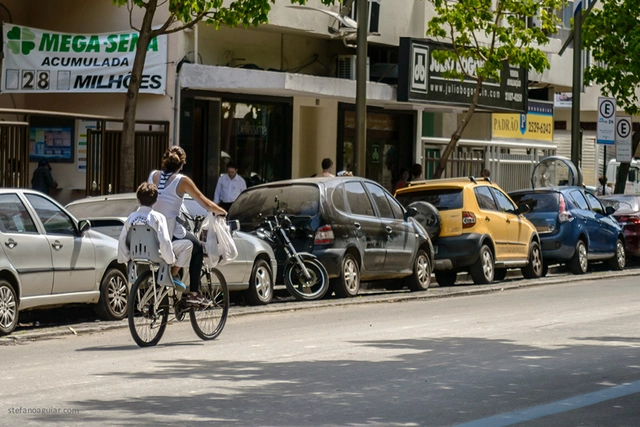
Parking lot in the city of Rio de Janeiro. Image: ITDP
Over the decades, the evolution of urban mobility has directly impacted not only the quality of travel but also the quality of life of everyone living in urban areas—especially those who are socioeconomically vulnerable. In the search for alternatives that can make travel more comfortable, safe, and efficient, managing automobile use combined with improving access to public transit, walking, and cycling is essential. But how does the supply of car parking spaces negatively affect mobility?
https://www.archdaily.com/1131990/how-parking-affects-urban-mobilityITDP Brasil
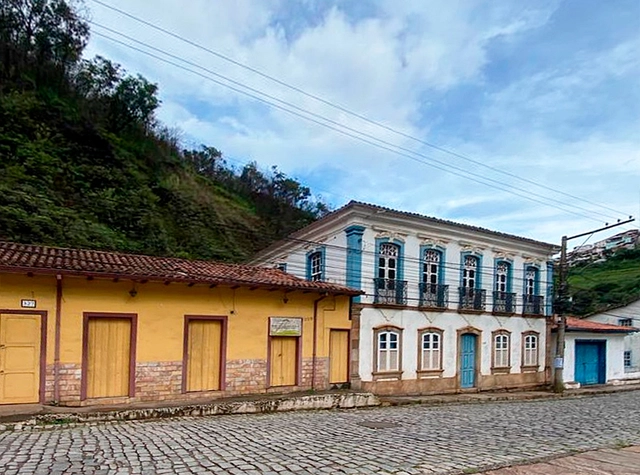
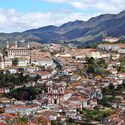
A landslide on the Morro da Forca hill struck two historic mansions in the historical center of Ouro Preto, Minas Gerais, this morning, completely destroying them. The buildings were listed by the National Institute of Historic and Artistic Heritage (Iphan). Minutes before the tragedy, the area had been evacuated, and there were no casualties.
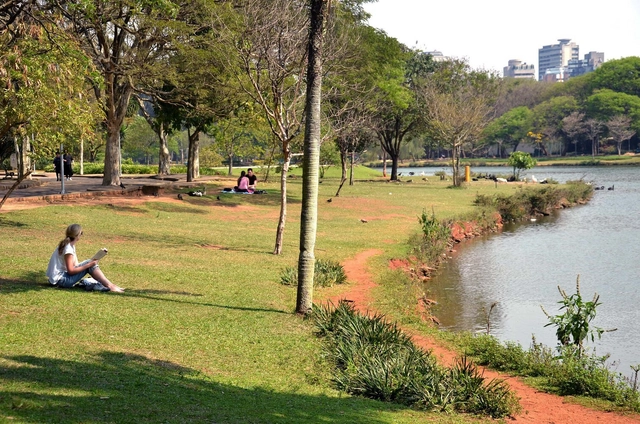
More and more people are concentrating in major urban centers. While cities are full of people and possibilities, this is far from making them welcoming environments. Loneliness and anxiety are common in the fast-paced life of the "concrete jungle," and nature may hold the key to alleviating these feelings.
Numerous studies have been published showing how contact with nature positively affects our health. Listening to birds chirping, getting your hands in the dirt, or spending time in contact with greenery—all of this benefits our physical and mental well-being. Now, researchers have shown that green spaces also help alleviate feelings of loneliness.
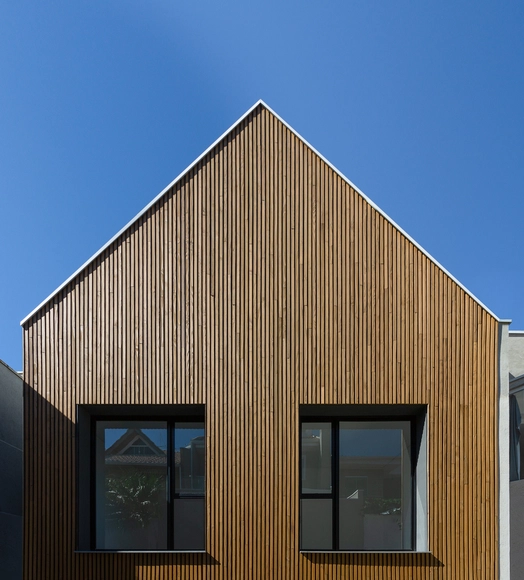
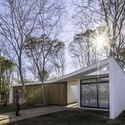
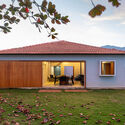
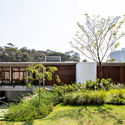
Wood is an incredibly common material in the construction industry, utilized across various stages and for multiple purposes. Below, we explore its potential to shape residential facades through 17 examples of Brazilian houses.
When we think of an architecture firm, what typically comes to mind is the design and development of projects of varying complexity and scale, traditionally associated with lived space—whether designed for residential, commercial, or institutional purposes, among many other activities that characterize our urban lifestyle. Consequently, encountering a portfolio that simultaneously features residences, nautical equipment, public transit systems, and small appliances—such as ceiling fans, air purifiers, and citrus juicers—can elicit a certain surprise.
Summer in the Southern Hemisphere, particularly in the region between the tropics and the Equator, is marked by high humidity, heavy rainfall, and high temperatures. Alongside these summer storms, Brazil also contends with a series of severe events such as flooding, landslides, and dam failures. Over the years, the concentration of these events between November and March has become increasingly common. Their occurrence is directly linked to seasonal summer rains, but also to the country's ongoing economic activities.
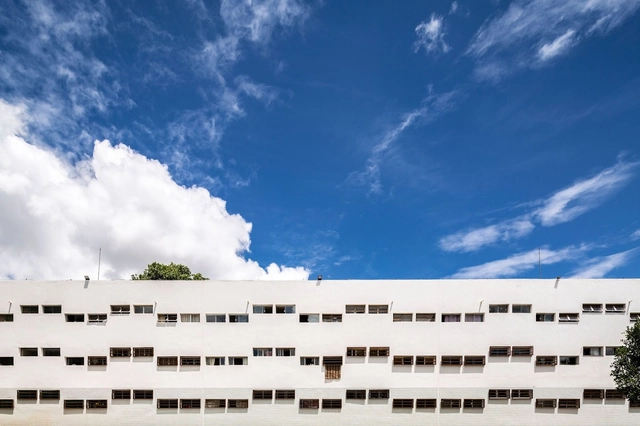
There are many architectural and urban planning qualities that justify Brasília's inclusion on UNESCO's World Heritage list, and perhaps the invention of the superquadra is one of the most overlooked. The structural module of the residential sector proposed by Lucio Costa, the superquadra does not exist solely for housing; it is part of a larger whole, the modern city, contributing to the enjoyment, harmony, and coexistence of its residents.
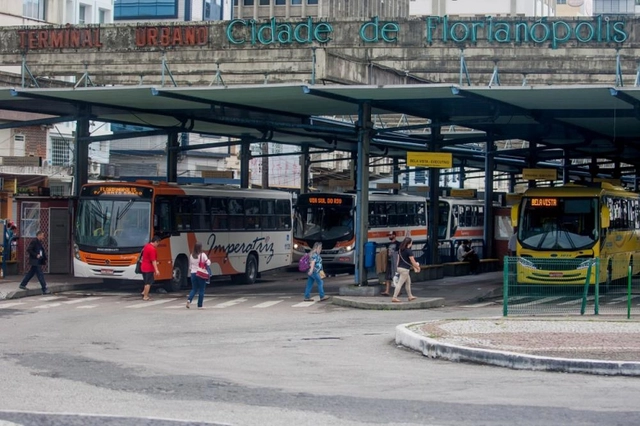
Starting today, Florianópolis residents will receive a one-real discount on bus fares paid during off-peak hours. Additionally, to facilitate short-distance travel, the City of Florianópolis is offering a 50% fare discount on six neighborhood lines. These benefits apply to all municipal transit cardholders.
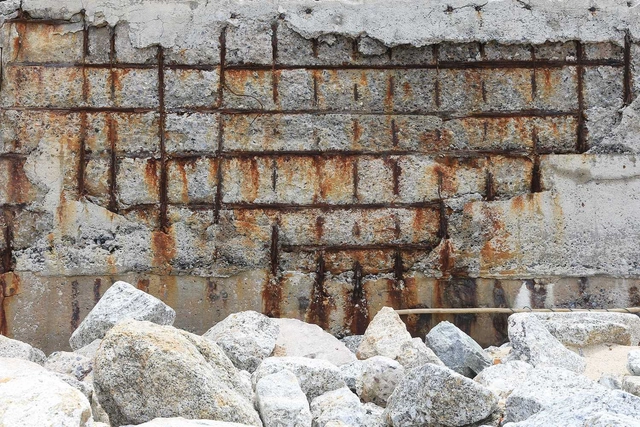
Reinforced concrete with exposed rebar. Image via Shutterstock
Reinforced concrete is the most widely used building material in the world. In Brazil, the nation's greatest architectural icon, Oscar Niemeyer, was passionate about the material, claiming it was the only one capable of giving shape to his sinuous curves.
Builders love concrete, making it the most widely used construction material in the world–but the production of the cement used in most concrete accounts for 8% of global greenhouse gas emissions.
For designers and architects, ugliness has historically not been something to strive for. Culturally, however, we are increasingly weary of perfection.
Following decades of designs that behaved in similarly simple and orderly ways—particularly during the twentieth century, with the rationalism and purity of Modernism—we now long for expressions that are less sanitized and, at the same time, more human.
Whether or not they grow up to be architects, the fundamental skills that drive design and architecture can offer immense benefits to our children. The way children grow up to think, behave, solve problems, and create can be immeasurably enhanced by teaching them to think like architects from an early age.
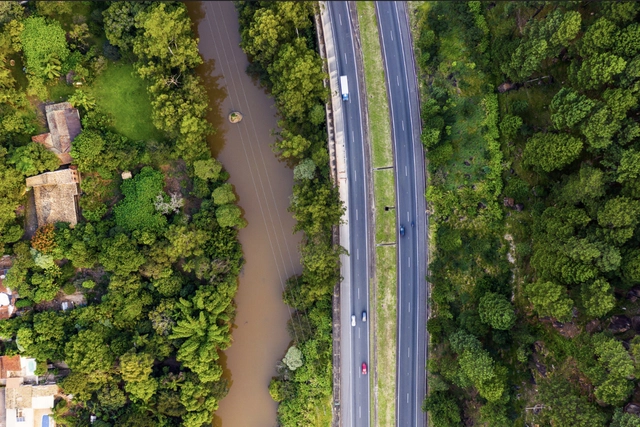
Preserving and restoring riparian forests has multiple benefits for climate adaptation and resilience. Pictured, the Atibaia River in Campinas. Photo: Renan Pissolatti, WRI Brasil
Will 2022 place Brazil on the path toward the economic transition needed to meet climate goals and keep the long-term target of net-zero emissions by 2050 viable? There is still a window of opportunity for the world to limit warming to 1.5°C, but countries' lack of ambition so far has made this scenario increasingly costly to achieve. Each passing year adds urgency, and science has made it clear that decisions made this decade will define the planet's climate balance.
https://www.archdaily.com/1132049/5-facts-and-trends-that-will-shape-the-environmental-agenda-in-brazil-in-2022WRI Brasil